Survey
Survey services to identify, define and reduce explosive‑hazard risk and enable safe, evidence‑based land release
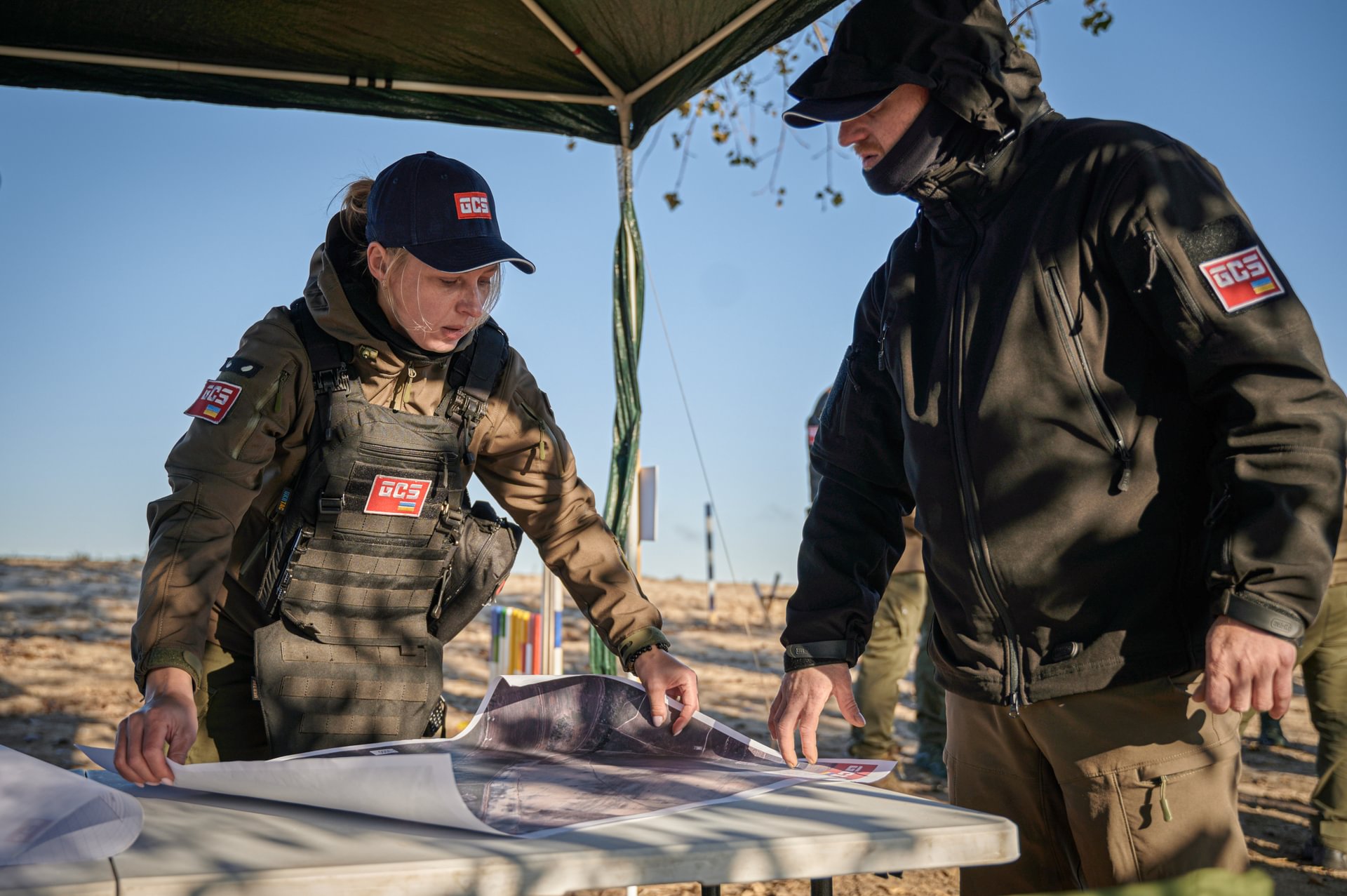
Effective explosive threat mitigation starts with understanding what is present, where it is located, and what action is required. Survey is the first step in explosive threat mitigation and provides the evidence base for safe land release, informed decision‑making and proportionate use of clearance assets.
Survey provides the operational evidence required to manage explosive risk before clearance begins. Through non‑intrusive and intrusive survey, explosive hazards are identified, classified and mapped to define Suspected and Confirmed Hazardous Areas, support prioritisation, and enable the release of land that can be safely returned to use without unnecessary clearance.
GCS delivers survey as part of integrated land‑release operations across humanitarian, governmental and security contexts, to reduce risk, apply clearance resources proportionately and enable the safe return of land to productive use. Survey outputs directly inform clearance, disposal and risk‑reduction activities, ensuring that follow‑on operations are proportionate, controlled and appropriate to the operational environment.
Effective explosive threat mitigation starts with understanding what is present, where it is located, and what action is required. Survey is the first step in explosive threat mitigation and provides the evidence base for safe land release, informed decision‑making and proportionate use of clearance assets.
Survey provides the operational evidence required to manage explosive risk before clearance begins. Through non‑intrusive and intrusive survey, explosive hazards are identified, classified and mapped to define Suspected and Confirmed Hazardous Areas, support prioritisation, and enable the release of land that can be safely returned to use without unnecessary clearance.
GCS delivers survey as part of integrated land‑release operations across humanitarian, governmental and security contexts, to reduce risk, apply clearance resources proportionately and enable the safe return of land to productive use. Survey outputs directly inform clearance, disposal and risk‑reduction activities, ensuring that follow‑on operations are proportionate, controlled and appropriate to the operational environment.
Effective explosive threat mitigation starts with understanding what is present, where it is located, and what action is required. Survey is the first step in explosive threat mitigation and provides the evidence base for safe land release, informed decision‑making and proportionate use of clearance assets.
Survey provides the operational evidence required to manage explosive risk before clearance begins. Through non‑intrusive and intrusive survey, explosive hazards are identified, classified and mapped to define Suspected and Confirmed Hazardous Areas, support prioritisation, and enable the release of land that can be safely returned to use without unnecessary clearance.
GCS delivers survey as part of integrated land‑release operations across humanitarian, governmental and security contexts, to reduce risk, apply clearance resources proportionately and enable the safe return of land to productive use. Survey outputs directly inform clearance, disposal and risk‑reduction activities, ensuring that follow‑on operations are proportionate, controlled and appropriate to the operational environment.
Effective explosive threat mitigation starts with understanding what is present, where it is located, and what action is required. Survey is the first step in explosive threat mitigation and provides the evidence base for safe land release, informed decision‑making and proportionate use of clearance assets.
Survey provides the operational evidence required to manage explosive risk before clearance begins. Through non‑intrusive and intrusive survey, explosive hazards are identified, classified and mapped to define Suspected and Confirmed Hazardous Areas, support prioritisation, and enable the release of land that can be safely returned to use without unnecessary clearance.
GCS delivers survey as part of integrated land‑release operations across humanitarian, governmental and security contexts, to reduce risk, apply clearance resources proportionately and enable the safe return of land to productive use. Survey outputs directly inform clearance, disposal and risk‑reduction activities, ensuring that follow‑on operations are proportionate, controlled and appropriate to the operational environment.

Survey types
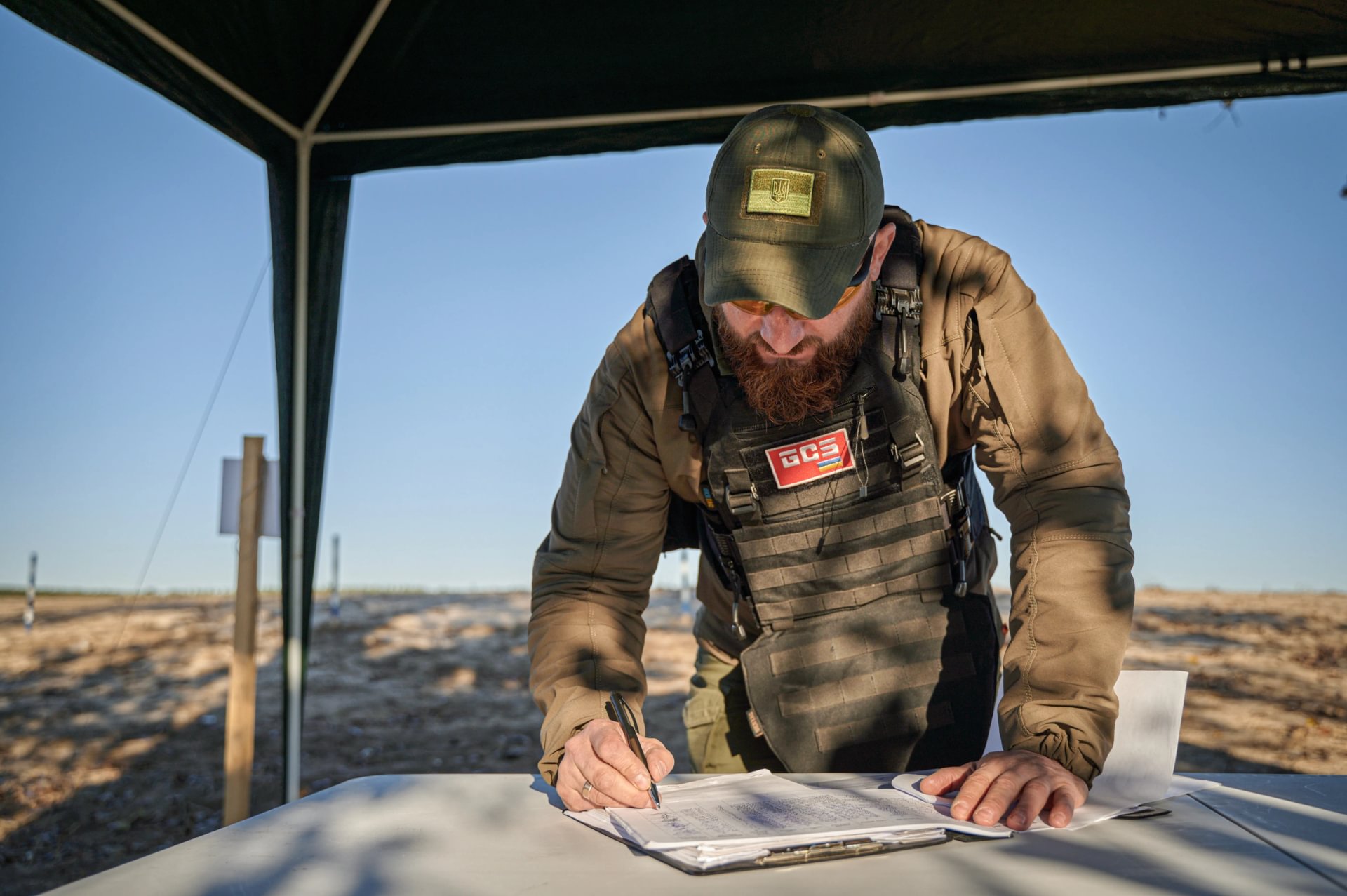
Non-intrusive / Non‑Technical Survey (NTS)
Non-intrusive Survey establishes the baseline understanding of contamination without intrusive ground activity.
Depending on context and scope, NTS can include:
Desktop study and historical research
Community liaison and structured interviews
Surface observation and site assessment
Initial hazard identification and threat classification
Mapping and reporting of suspected hazardous areas
Where sufficient evidence indicates no contamination, land may be released based on NTS alone.
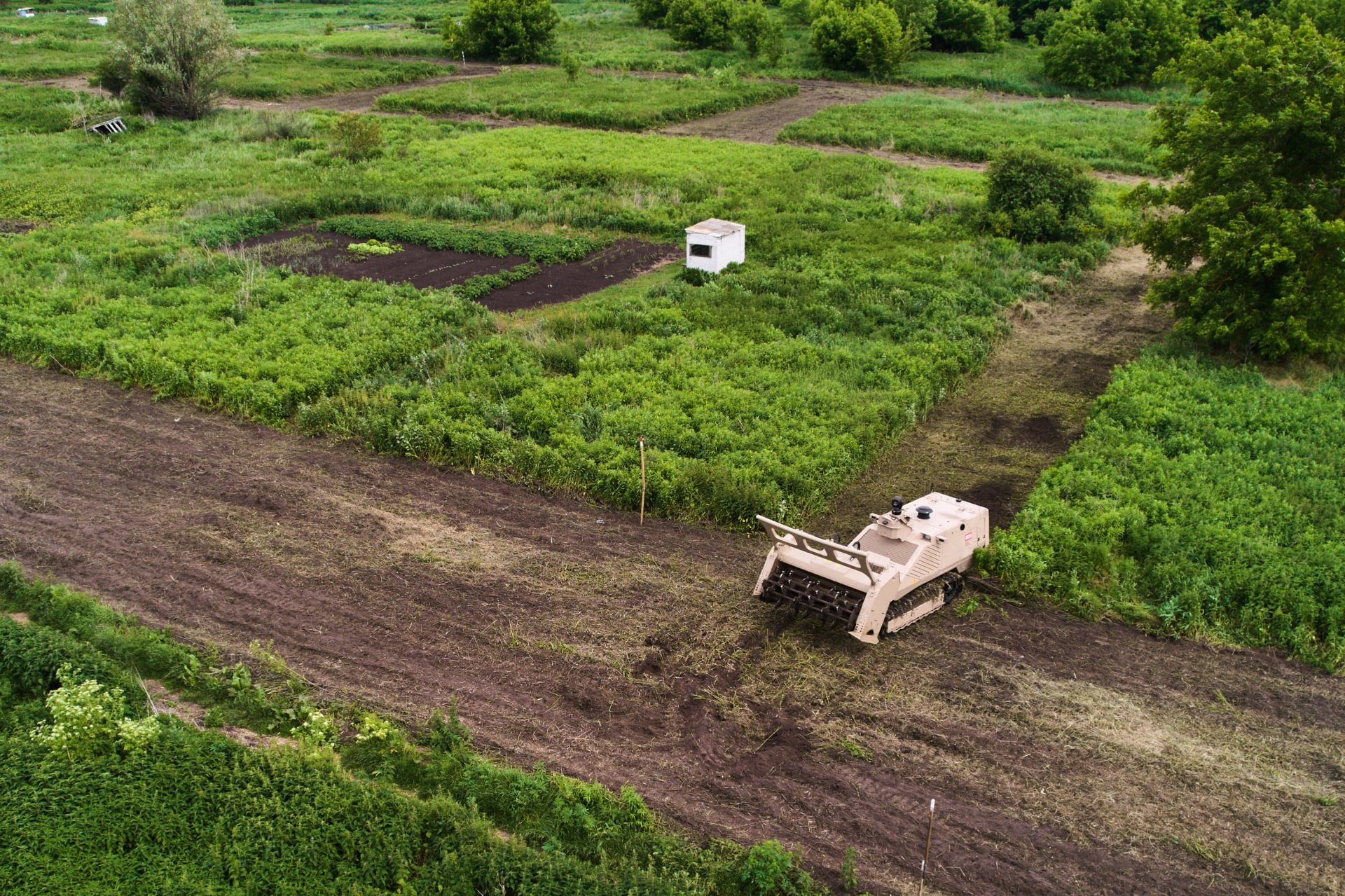
Intrusive / Technical Survey (TS)
Intrusive Survey is conducted where NTS indicates potential contamination that requires physical verification.
It applies intrusive methods to confirm, reduce or redefine hazardous areas.
Depending on operational context, TS can include:
Sample area survey and targeted investigation
Controlled ground access and subsurface verification
Integration of appropriate sensors, dogs or mechanical support
Refinement of SHA and CHA boundaries
Technical reporting to support clearance tasking
Intrusive Survey directly informs whether clearance is required, and if so, where and to what extent. Survey is designed to support operational decision‑making, not as a standalone data exercise.

Technology‑supported survey
(context‑dependent)
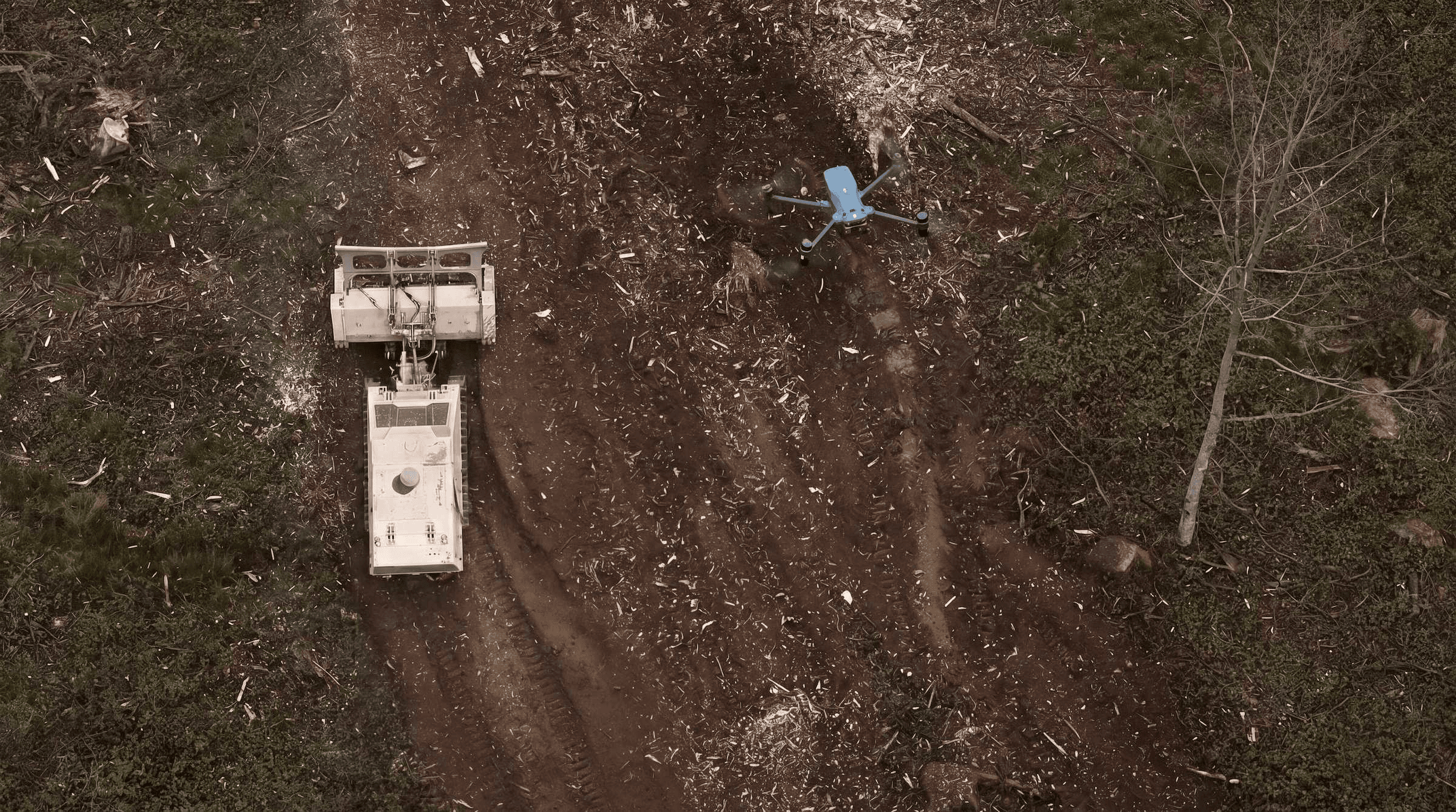
Where appropriate, survey can be supported by technology such as UAS, sensors and digital tools to enhance situational awareness, mapping and reporting. These tools enhance, but do not replace, trained survey teams and field verification.
Availability depends on operational context, national requirements and agreed scope of work.
Built for operational deployment
01
Hazard classification and mapping
Systematic identification and documentation of Suspected Hazardous Areas (SHA) and Confirmed Hazardous Areas (CHA), supported by accurate mapping and reporting for planning, coordination and handover.
02
Integrated survey methods
Survey activities can integrate manual teams, mechanical ground preparation and Mine/Explosive Detection Dogs (MDDs), referred to as Animal Detection Systems, depending on context and threat profile. This improves detection reliability and efficiency while maintaining safety.
03
Land release decision support
Survey is designed not only to identify hazards, but also to demonstrate where hazards are not present. This enables land to be released safely without unnecessary clearance and reduces operational cost and exposure.
04
Quality management and documentation
All survey activities are conducted under defined SOPs with embedded quality assurance and quality control. Outputs are traceable, defensible and suitable for review by national authorities or operational partners.
Built for operational deployment
01
Hazard classification and mapping
Systematic identification and documentation of Suspected Hazardous Areas (SHA) and Confirmed Hazardous Areas (CHA), supported by accurate mapping and reporting for planning, coordination and handover.
02
Integrated survey methods
Survey activities can integrate manual teams, mechanical ground preparation and Mine/Explosive Detection Dogs (MDDs), referred to as Animal Detection Systems, depending on context and threat profile. This improves detection reliability and efficiency while maintaining safety.
03
Land release decision support
Survey is designed not only to identify hazards, but also to demonstrate where hazards are not present. This enables land to be released safely without unnecessary clearance and reduces operational cost and exposure.
04
Quality management and documentation
All survey activities are conducted under defined SOPs with embedded quality assurance and quality control. Outputs are traceable, defensible and suitable for review by national authorities or operational partners.
Built for operational deployment
01
Hazard classification and mapping
Systematic identification and documentation of Suspected Hazardous Areas (SHA) and Confirmed Hazardous Areas (CHA), supported by accurate mapping and reporting for planning, coordination and handover.
02
Integrated survey methods
Survey activities can integrate manual teams, mechanical ground preparation and Mine/Explosive Detection Dogs (MDDs), referred to as Animal Detection Systems, depending on context and threat profile. This improves detection reliability and efficiency while maintaining safety.
03
Land release decision support
Survey is designed not only to identify hazards, but also to demonstrate where hazards are not present. This enables land to be released safely without unnecessary clearance and reduces operational cost and exposure.
04
Quality management and documentation
All survey activities are conducted under defined SOPs with embedded quality assurance and quality control. Outputs are traceable, defensible and suitable for review by national authorities or operational partners.
Built for operational deployment
01
Hazard classification and mapping
Systematic identification and documentation of Suspected Hazardous Areas (SHA) and Confirmed Hazardous Areas (CHA), supported by accurate mapping and reporting for planning, coordination and handover.
02
Integrated survey methods
Survey activities can integrate manual teams, mechanical ground preparation and Mine/Explosive Detection Dogs (MDDs), referred to as Animal Detection Systems, depending on context and threat profile. This improves detection reliability and efficiency while maintaining safety.
03
Land release decision support
Survey is designed not only to identify hazards, but also to demonstrate where hazards are not present. This enables land to be released safely without unnecessary clearance and reduces operational cost and exposure.
04
Quality management and documentation
All survey activities are conducted under defined SOPs with embedded quality assurance and quality control. Outputs are traceable, defensible and suitable for review by national authorities or operational partners.
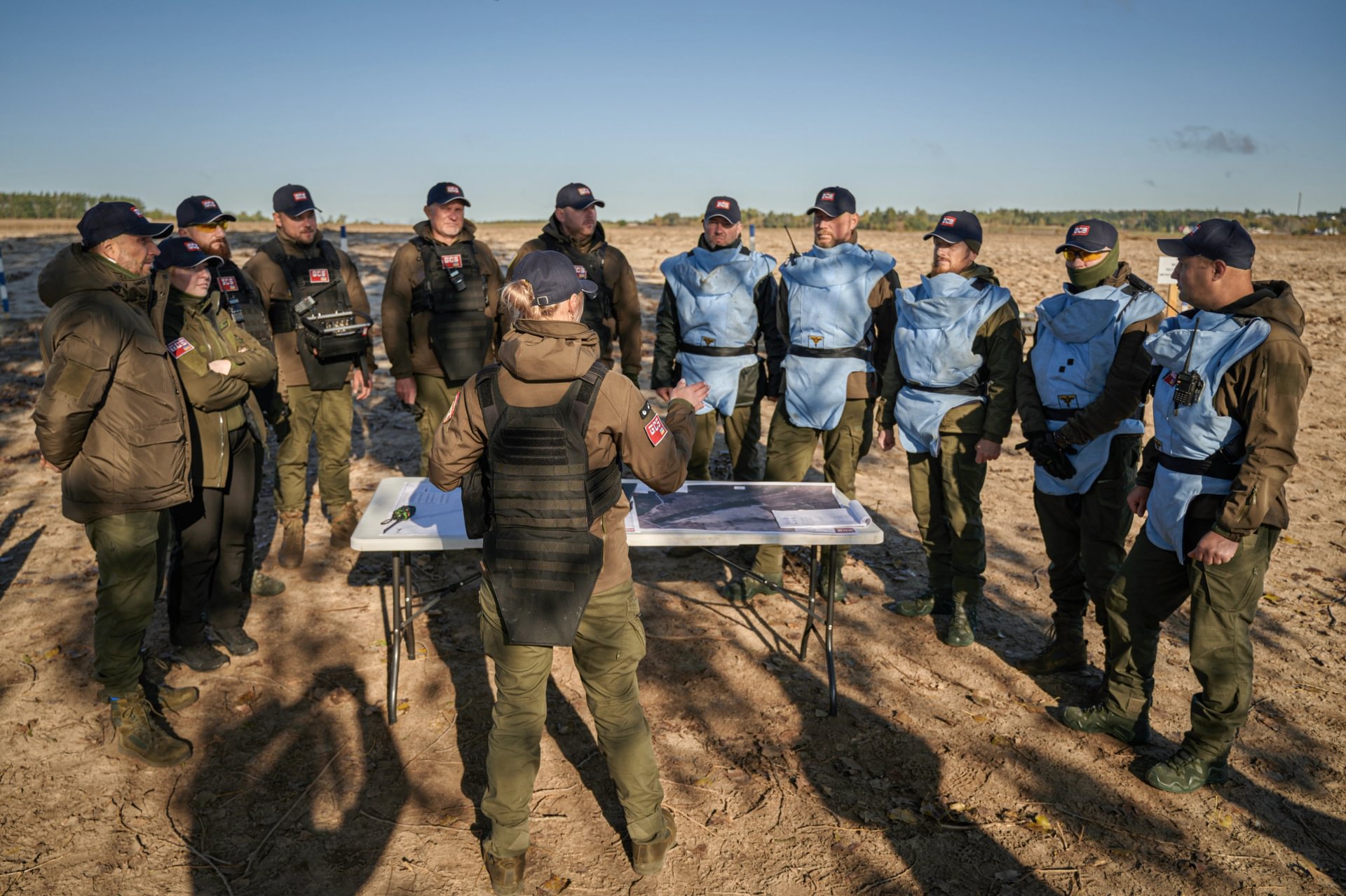
How this fits in Operations & Field Service
Operations & Field Service brings together the activities required to reduce explosive risk in the field. Survey, Clearance, Disposal and Training are delivered as integrated services, rather than as isolated tasks. Each supports the others to ensure that operations are safe, proportionate and aligned with the operational context. Together, they enable informed decision‑making, effective task execution and sustainable handover.
How this fits in Operations & Field Service
Operations & Field Service brings together the activities required to reduce explosive risk in the field. Survey, Clearance, Disposal and Training are delivered as integrated services, rather than as isolated tasks. Each supports the others to ensure that operations are safe, proportionate and aligned with the operational context. Together, they enable informed decision‑making, effective task execution and sustainable handover.
How this fits in Operations & Field Service
Operations & Field Service brings together the activities required to reduce explosive risk in the field. Survey, Clearance, Disposal and Training are delivered as integrated services, rather than as isolated tasks. Each supports the others to ensure that operations are safe, proportionate and aligned with the operational context. Together, they enable informed decision‑making, effective task execution and sustainable handover.
How this fits in Operations & Field Service
Operations & Field Service brings together the activities required to reduce explosive risk in the field. Survey, Clearance, Disposal and Training are delivered as integrated services, rather than as isolated tasks. Each supports the others to ensure that operations are safe, proportionate and aligned with the operational context. Together, they enable informed decision‑making, effective task execution and sustainable handover.
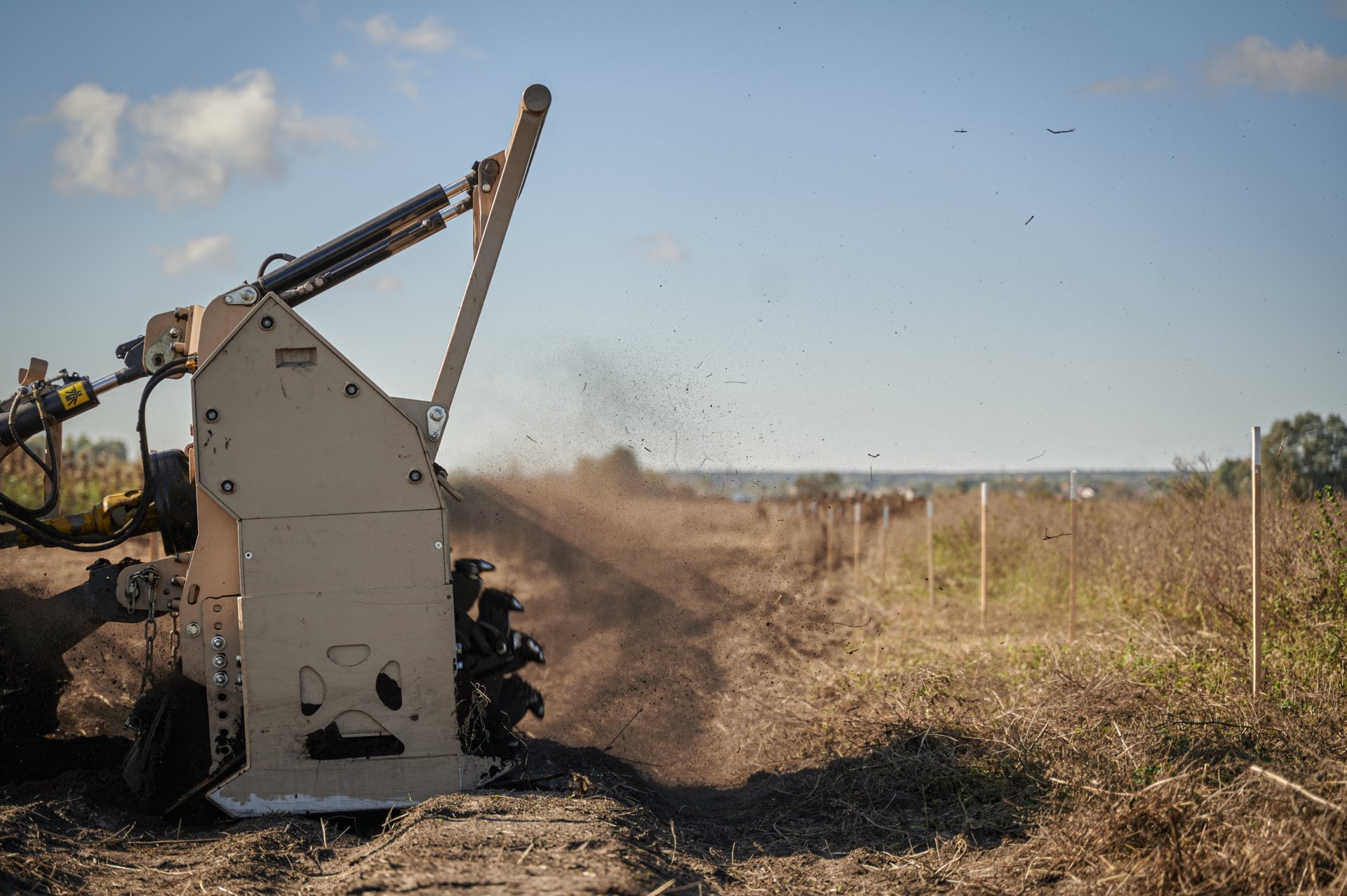
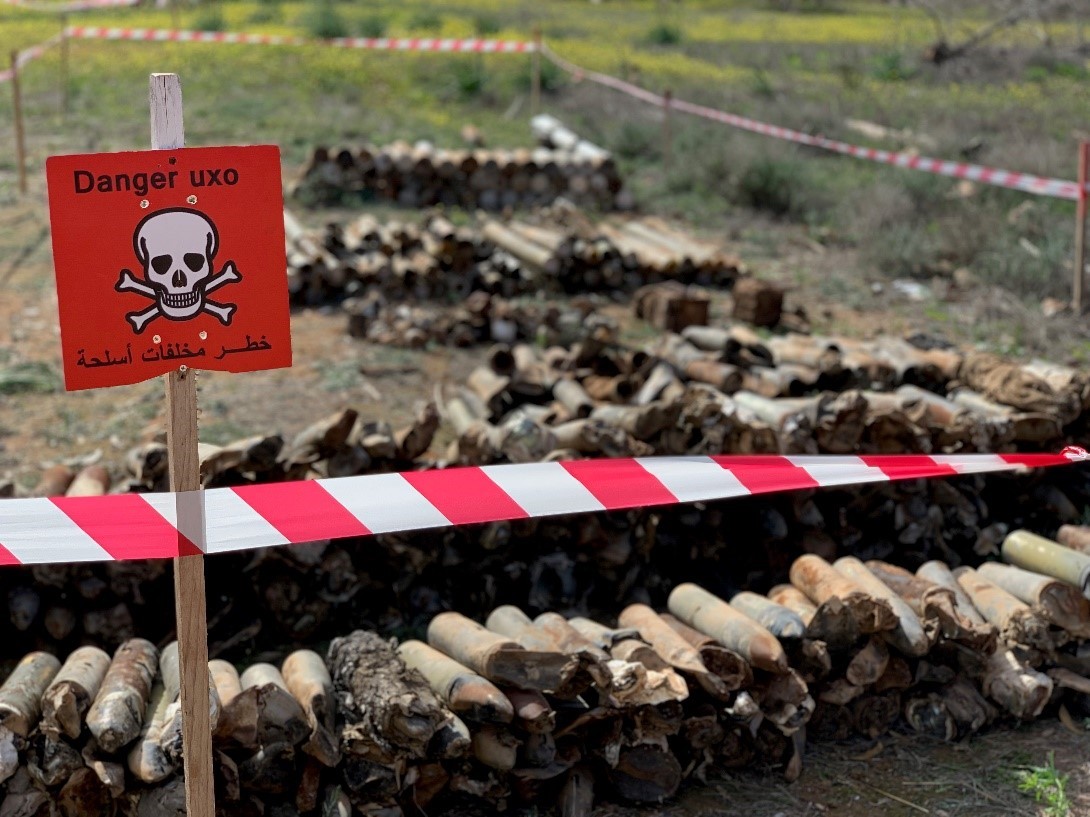
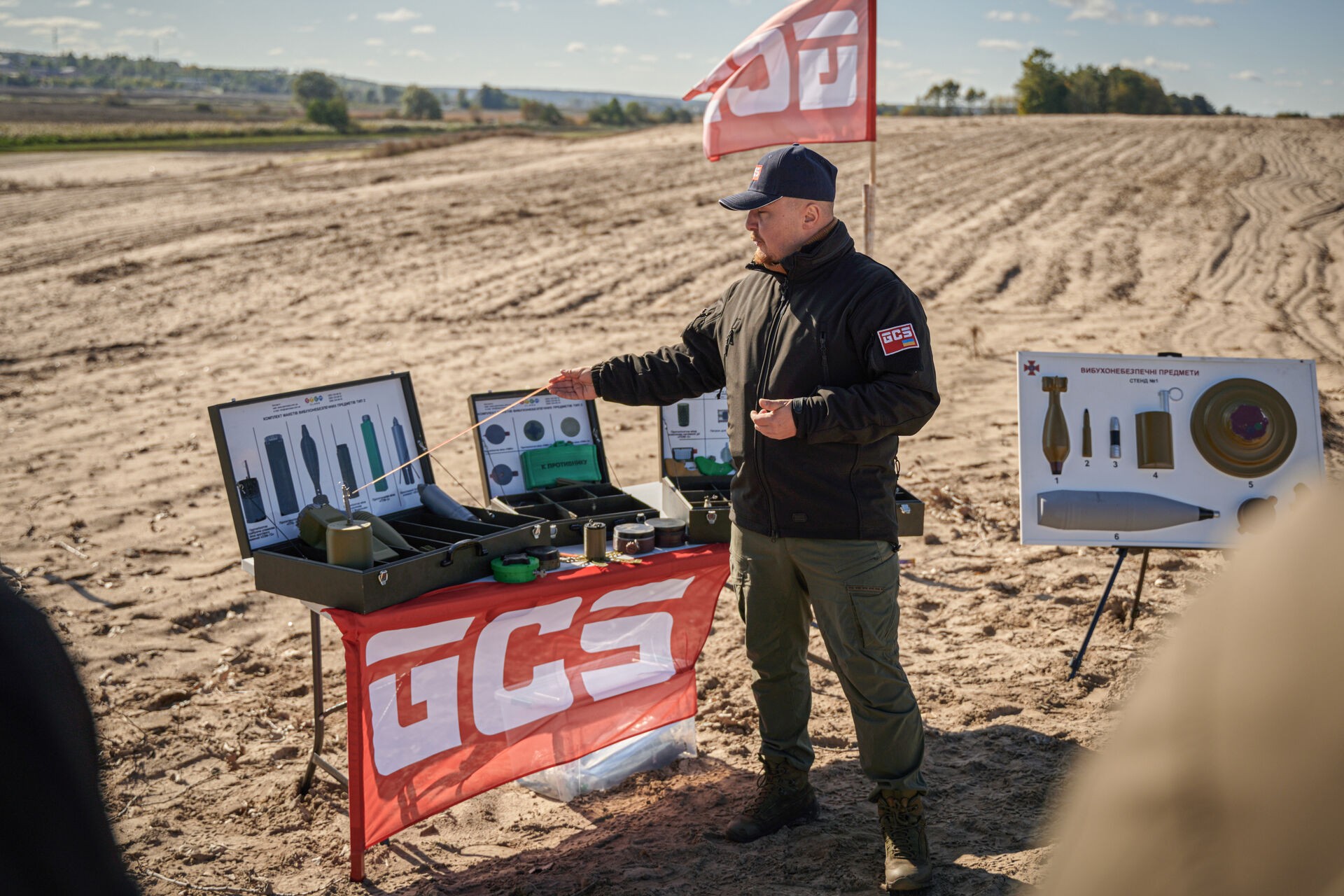
Operational experience from the field, across contexts and missions.
Operational experience from the field, across contexts and missions.
Operational experience from the field, across contexts and missions.
Operational experience from the field, across contexts and missions.


Discuss operational support for your project
GCS supports operational planning, training and field execution with services adapted to the project scope and local requirements.
Discuss operational support for your project
GCS supports operational planning, training and field execution with services adapted to the project scope and local requirements.
Discuss operational support for your project
GCS supports operational planning, training and field execution with services adapted to the project scope and local requirements.
Discuss operational support for your project
GCS supports operational planning, training and field execution with services adapted to the project scope and local requirements.
Survey
Survey services to identify, define and reduce explosive‑hazard risk and enable safe, evidence‑based land release