Clearance

Professional clearance operations to remove explosive threats and restore safe access to land, infrastructure and communities

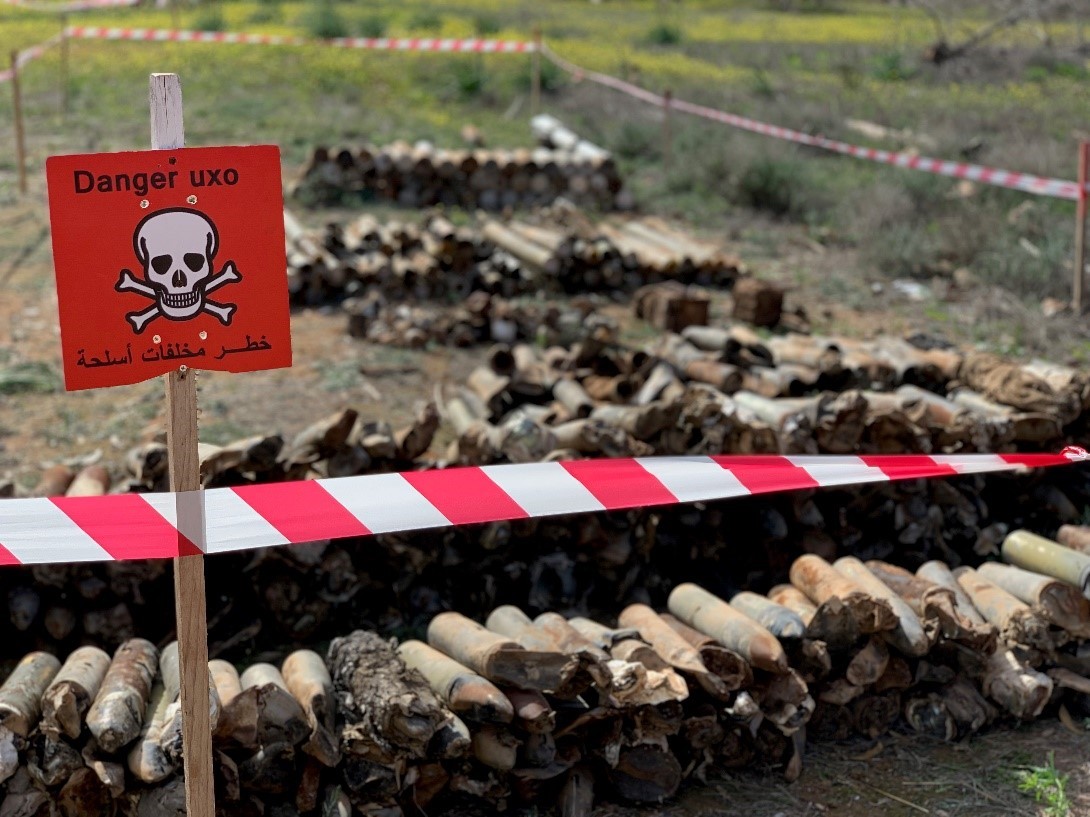
Explosive contamination prevents safe movement, blocks reconstruction and puts civilians and operational personnel at constant risk. Clearance is the practical process of locating, exposing and removing explosive hazards so that land and infrastructure can be used safely again.

Hazard removal

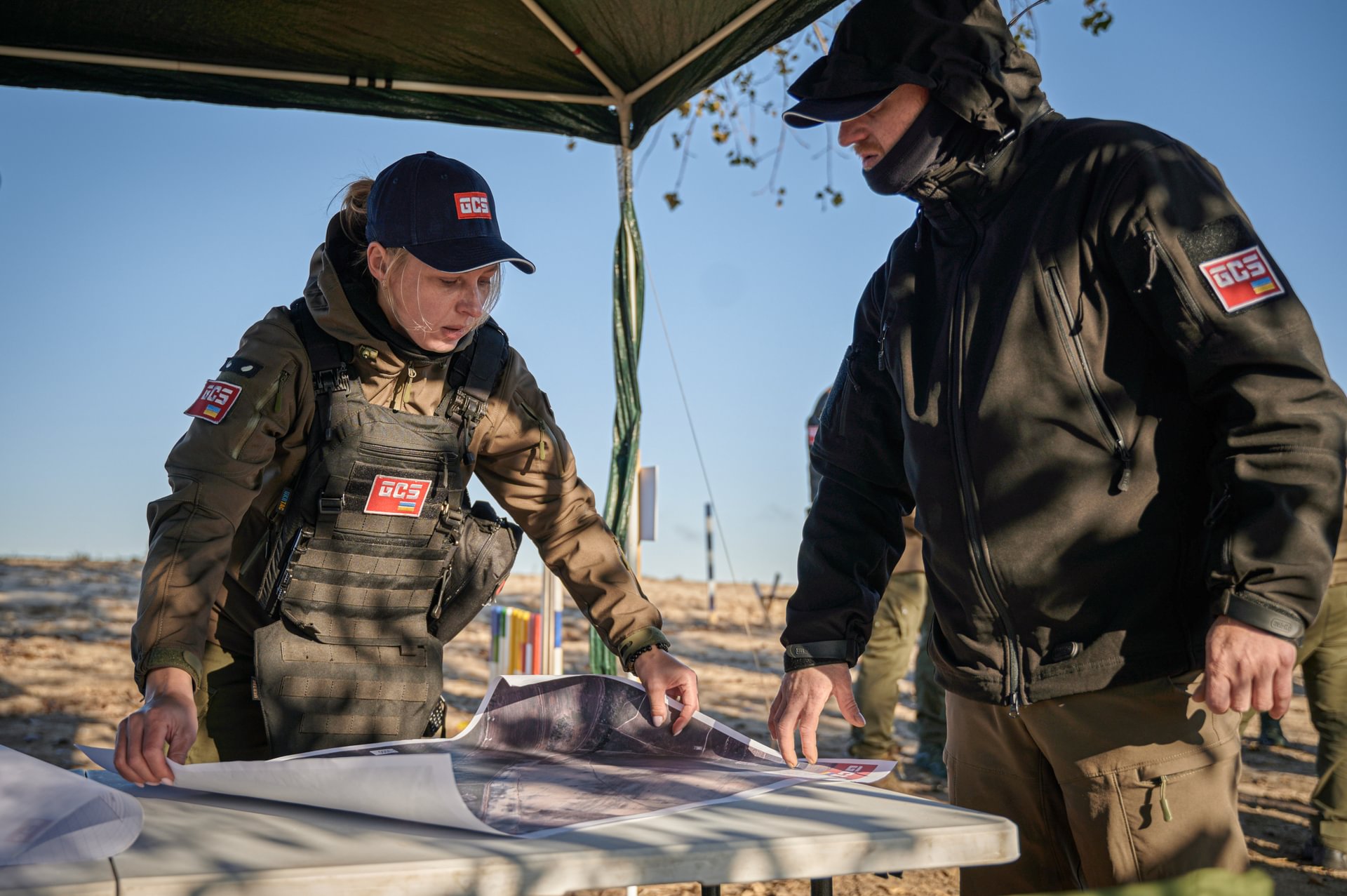
Clearance is the operational step where confirmed explosive hazards are physically addressed. It applies once survey activities have identified contaminated areas and defined the scope and depth of intervention required. The objective of clearance is not simply to remove explosive items, but to enable safe access, freedom of movement and the controlled handover of land, routes or infrastructure to national authorities, operators or affected communities.

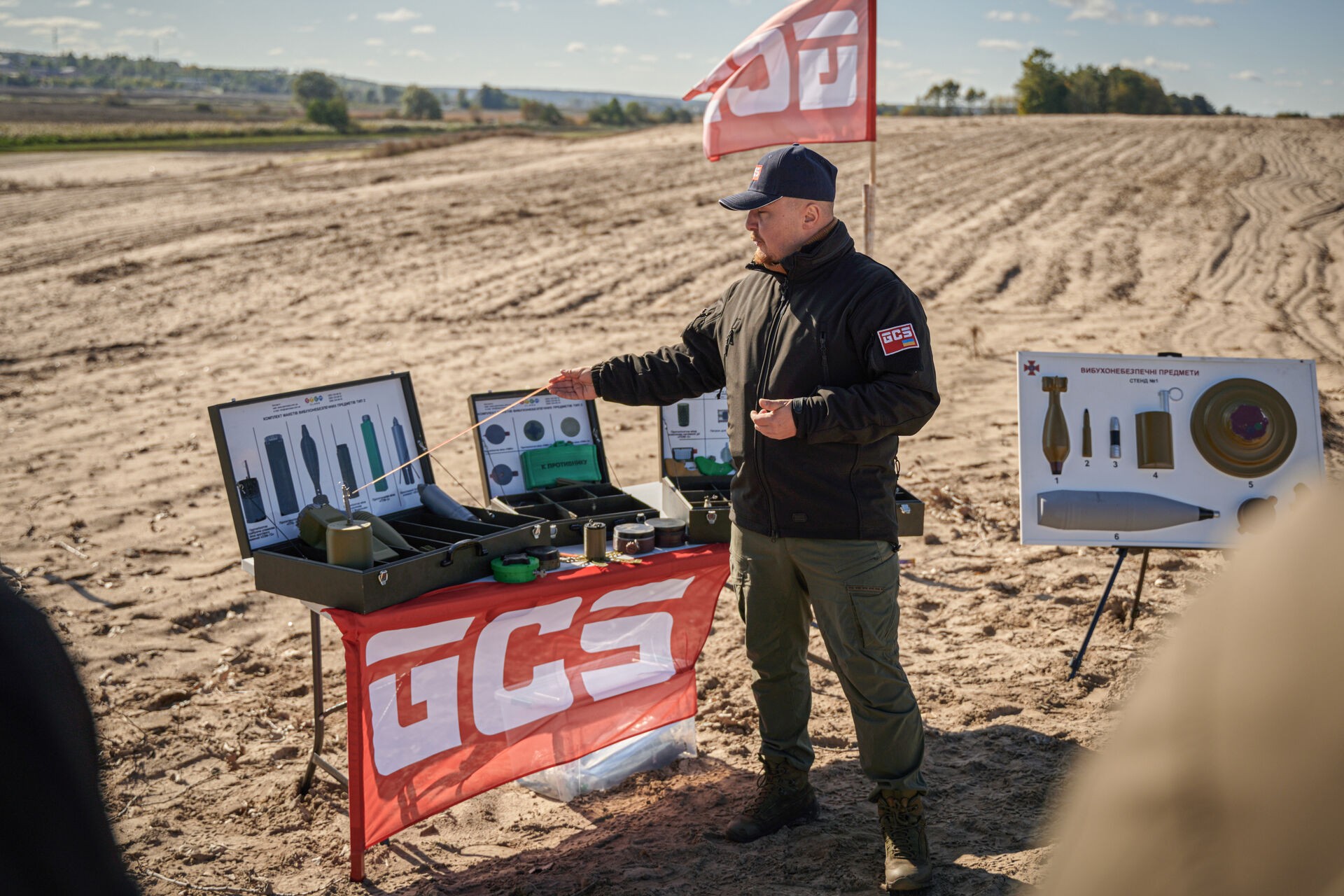
GCS delivers clearance as a structured, evidence‑based operational service, applied across humanitarian, governmental and security contexts. Operations are planned and executed in line with recognised international standards, using a combination of trained personnel, mechanical assets, detection systems and quality management processes.

Explosive contamination prevents safe movement, blocks reconstruction and puts civilians and operational personnel at constant risk. Clearance is the practical process of locating, exposing and removing explosive hazards so that land and infrastructure can be used safely again.

Hazard removal

Clearance is the operational step where confirmed explosive hazards are physically addressed. It applies once survey activities have identified contaminated areas and defined the scope and depth of intervention required. The objective of clearance is not simply to remove explosive items, but to enable safe access, freedom of movement and the controlled handover of land, routes or infrastructure to national authorities, operators or affected communities.

GCS delivers clearance as a structured, evidence‑based operational service, applied across humanitarian, governmental and security contexts. Operations are planned and executed in line with recognised international standards, using a combination of trained personnel, mechanical assets, detection systems and quality management processes.

Explosive contamination prevents safe movement, blocks reconstruction and puts civilians and operational personnel at constant risk. Clearance is the practical process of locating, exposing and removing explosive hazards so that land and infrastructure can be used safely again.

Hazard removal

Clearance is the operational step where confirmed explosive hazards are physically addressed. It applies once survey activities have identified contaminated areas and defined the scope and depth of intervention required. The objective of clearance is not simply to remove explosive items, but to enable safe access, freedom of movement and the controlled handover of land, routes or infrastructure to national authorities, operators or affected communities.

GCS delivers clearance as a structured, evidence‑based operational service, applied across humanitarian, governmental and security contexts. Operations are planned and executed in line with recognised international standards, using a combination of trained personnel, mechanical assets, detection systems and quality management processes.

Explosive contamination prevents safe movement, blocks reconstruction and puts civilians and operational personnel at constant risk. Clearance is the practical process of locating, exposing and removing explosive hazards so that land and infrastructure can be used safely again.

Hazard removal

Clearance is the operational step where confirmed explosive hazards are physically addressed. It applies once survey activities have identified contaminated areas and defined the scope and depth of intervention required. The objective of clearance is not simply to remove explosive items, but to enable safe access, freedom of movement and the controlled handover of land, routes or infrastructure to national authorities, operators or affected communities.

GCS delivers clearance as a structured, evidence‑based operational service, applied across humanitarian, governmental and security contexts. Operations are planned and executed in line with recognised international standards, using a combination of trained personnel, mechanical assets, detection systems and quality management processes.

Variants

Clearance types

© Philipp Breu

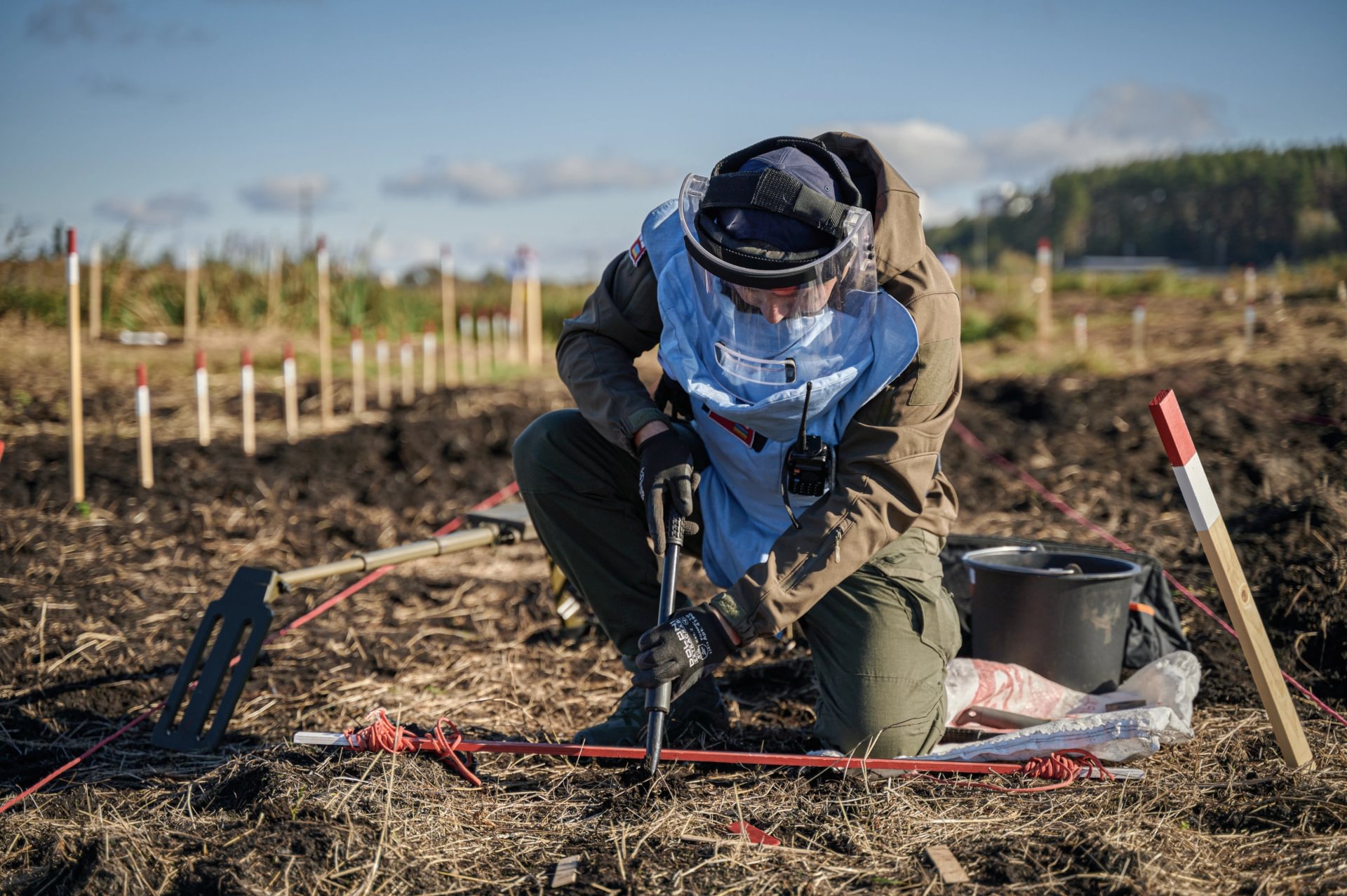
Manual Mine Clearance

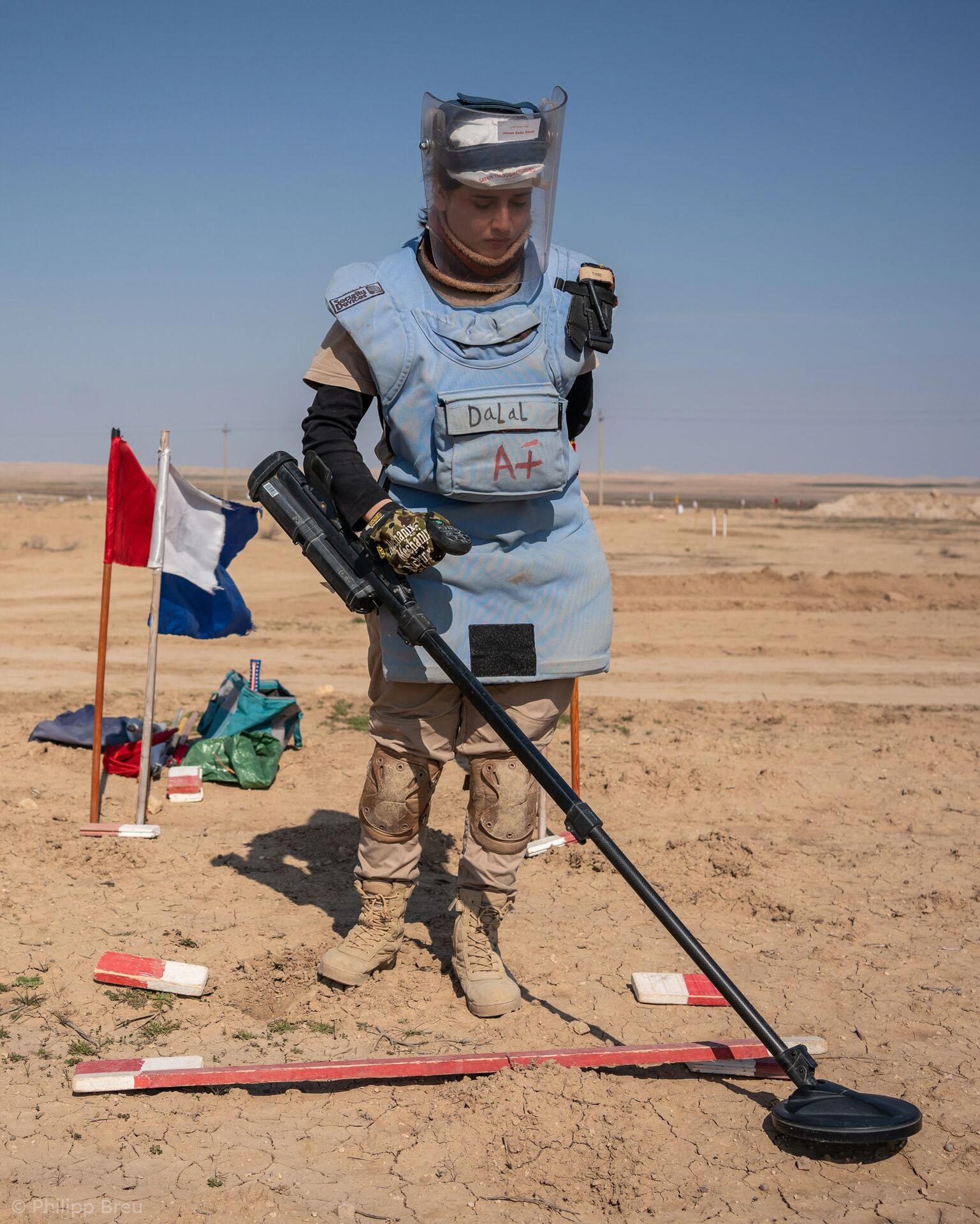
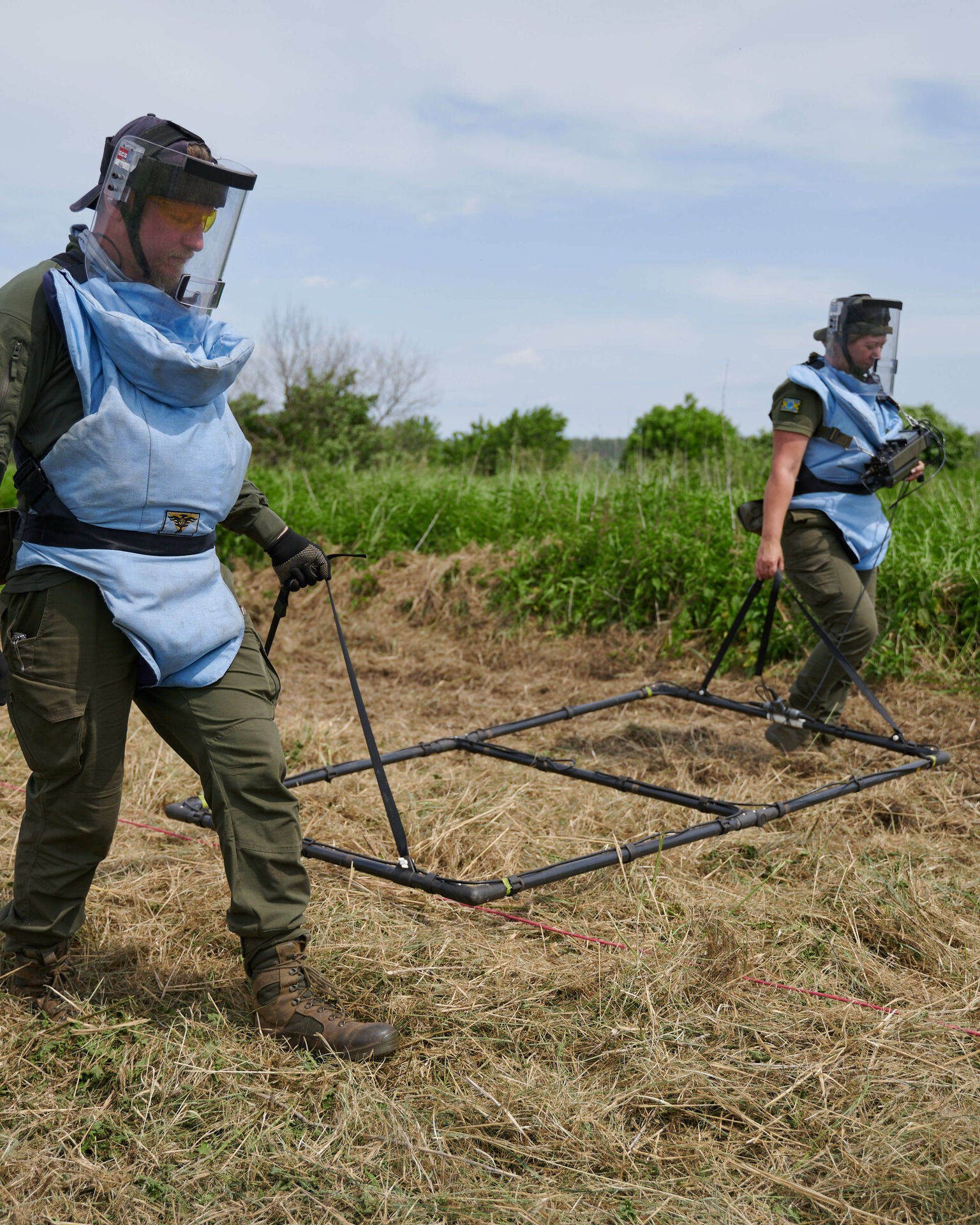
Manual mine clearance is a core clearance discipline carried out by trained deminers using detectors, hand tools and strict safety procedures. It’s used to systematically locate, expose and remove mines and other explosive hazards where precision and close, controlled investigation are required.

Manual clearance can include:

  • Systematic lane-based investigation using detectors and hand excavation

  • Marking, recording and documentation of cleared areas

  • Quality assurance and quality control prior to land release

  • Integration with EOD for the disposal of located items


Manual methods are often used in combination with mechanical preparation or dog teams to improve efficiency and safety.
Animal Detection Systems

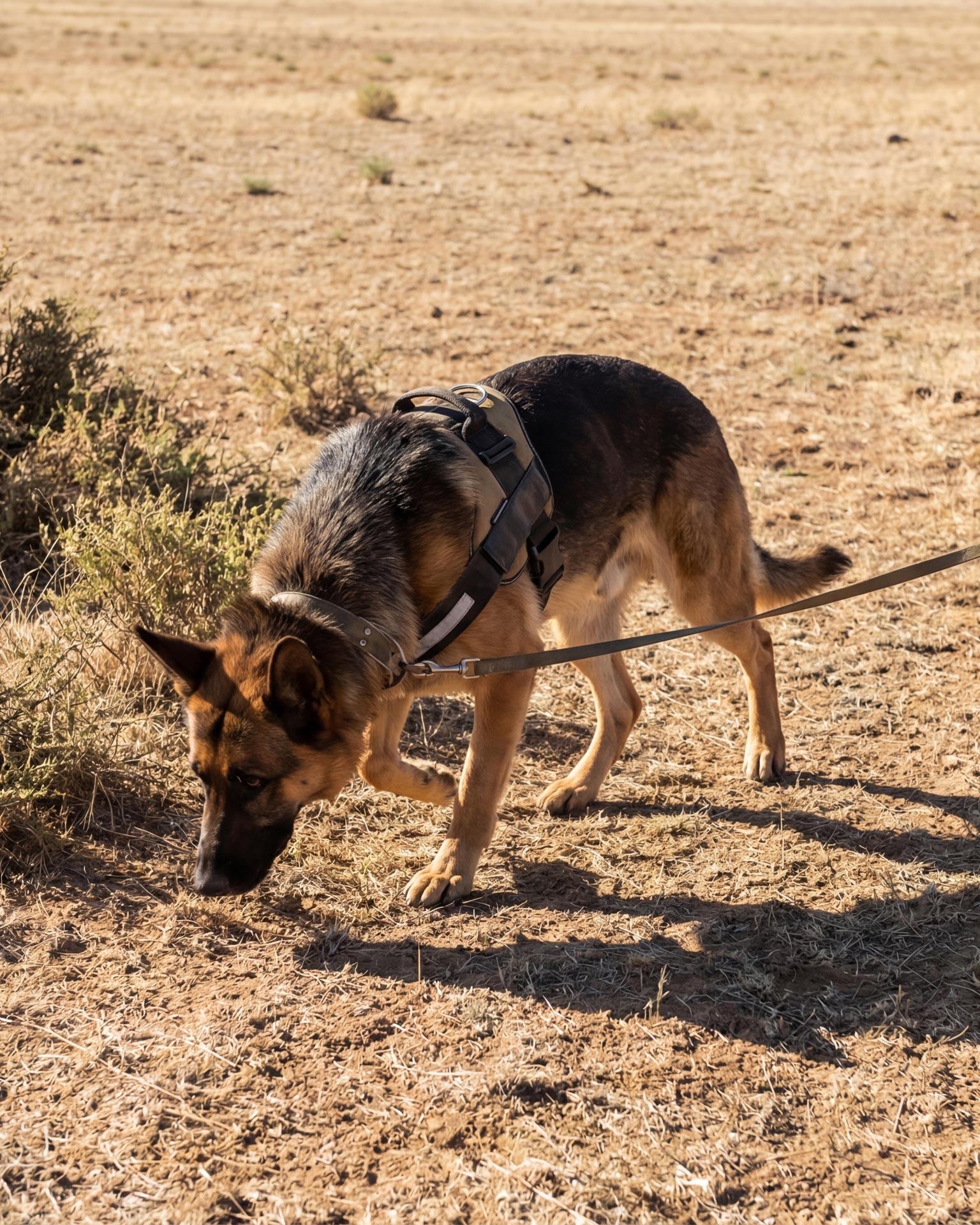
Mine and Explosive Detection Dogs, referred to as Animal Detection Systems, are deployed to detect explosive vapours and assist in identifying contaminated areas, particularly in low‑density or complex environments. Dogs are operated by trained handlers and integrated into wider clearance workflows.

Typical applications include:

  • Intrusive survey and area reduction

  • Verification following mechanical or manual clearance

  • Detection support in roads, verges, rubble and open terrain

  • Quality assurance checks prior to handover


Dog teams are deployed in accordance with applicable international standards and are integrated with manual and mechanical assets to ensure consistent coverage and verification.
Mechanical Demining

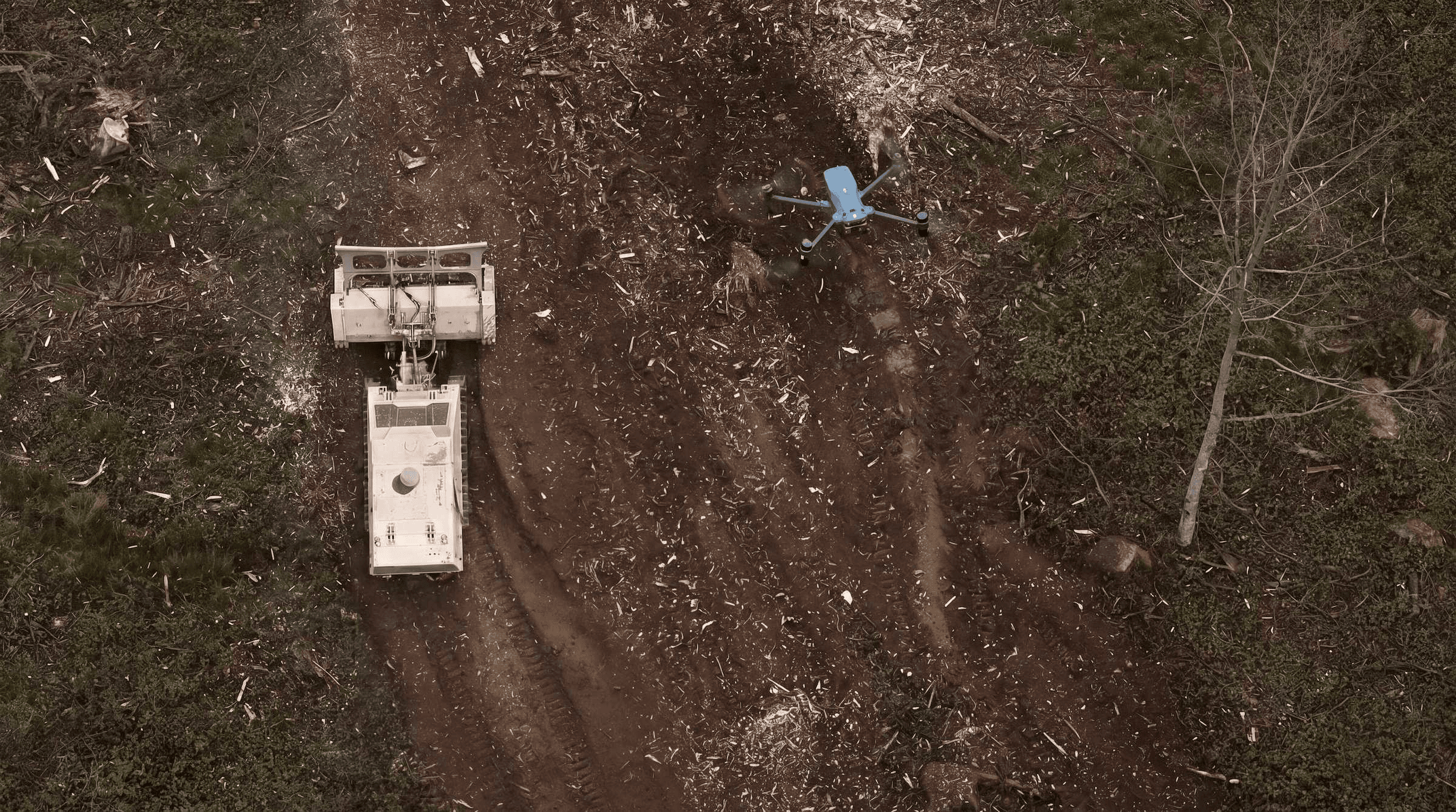
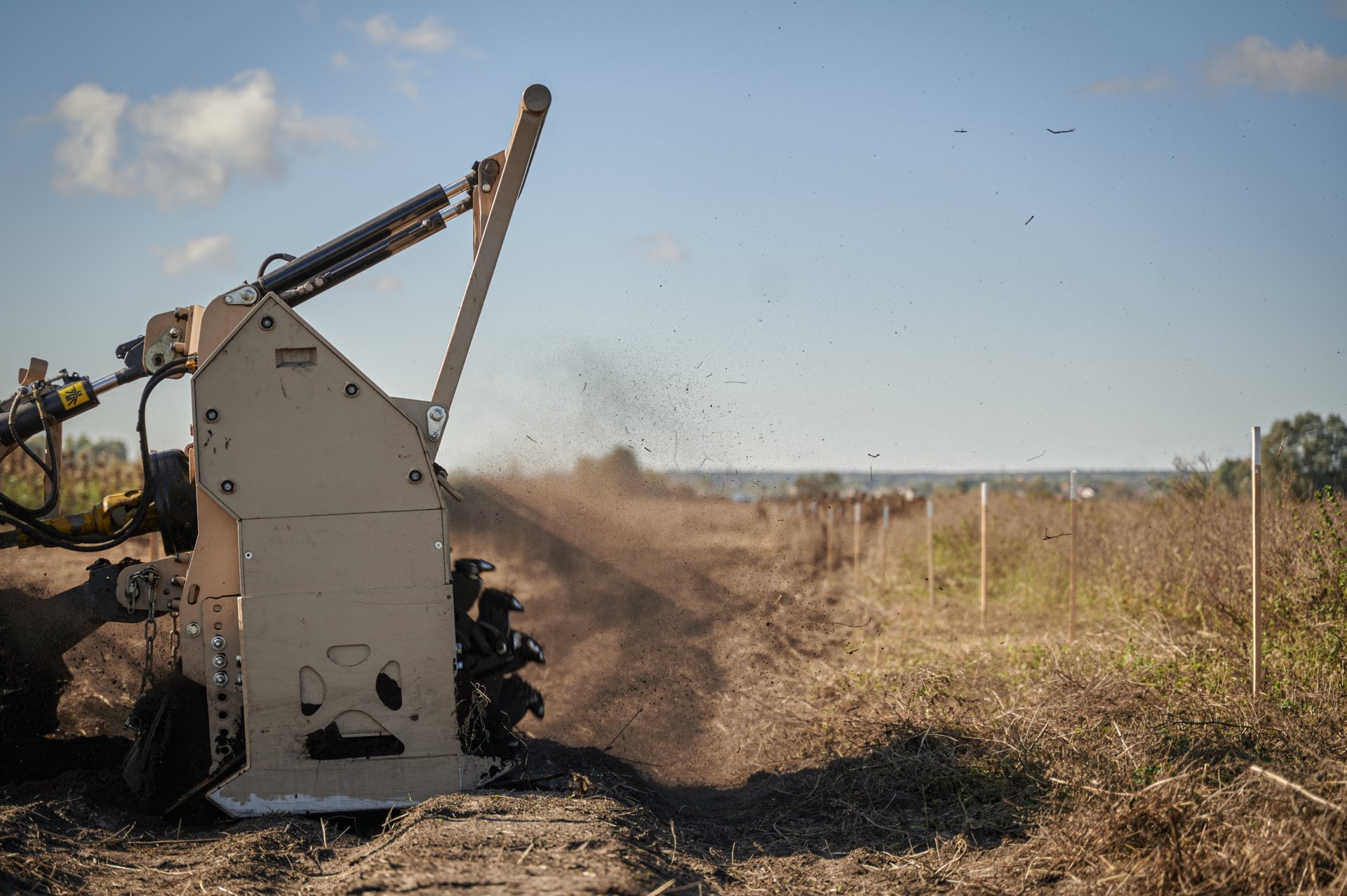
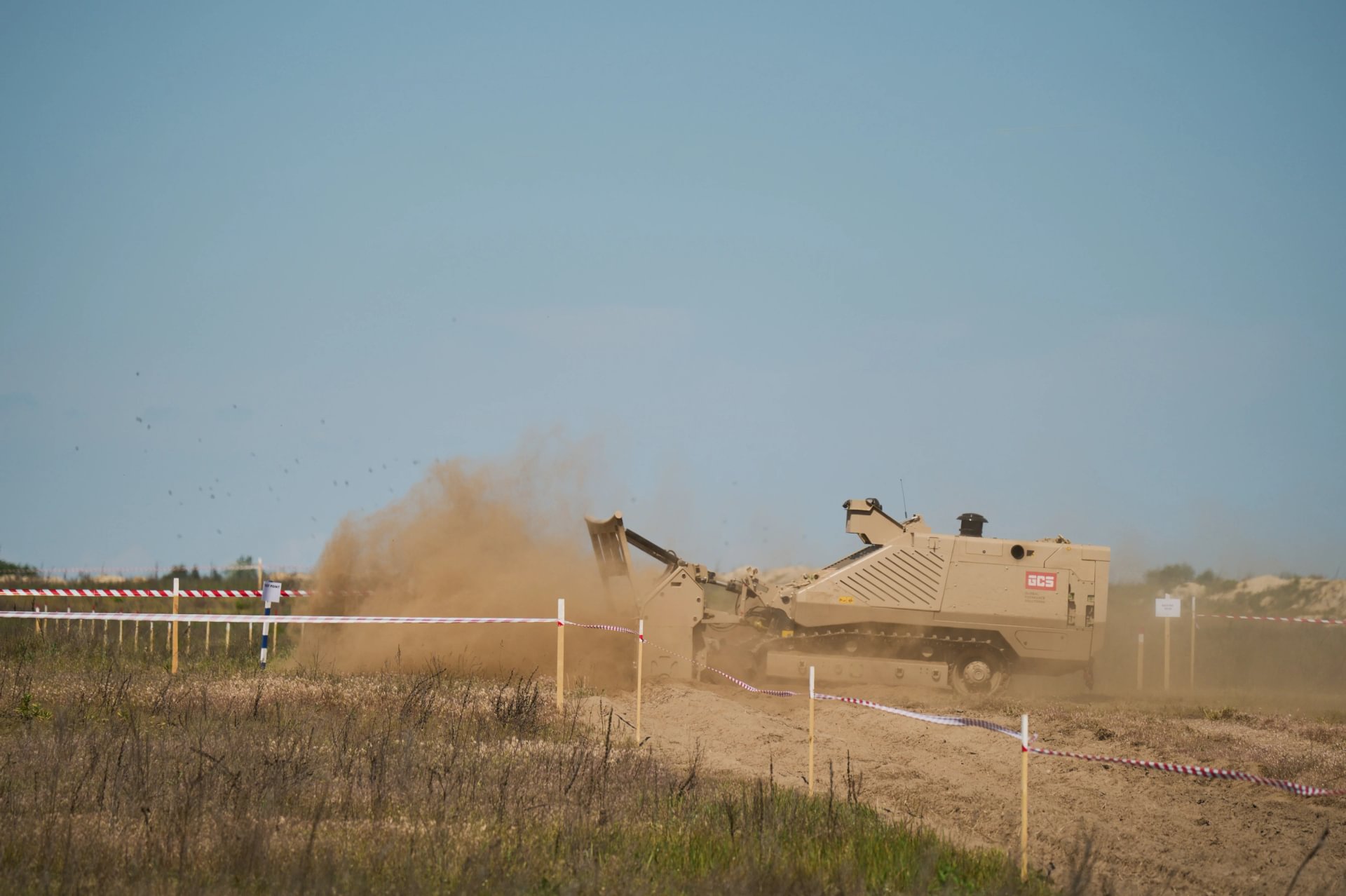
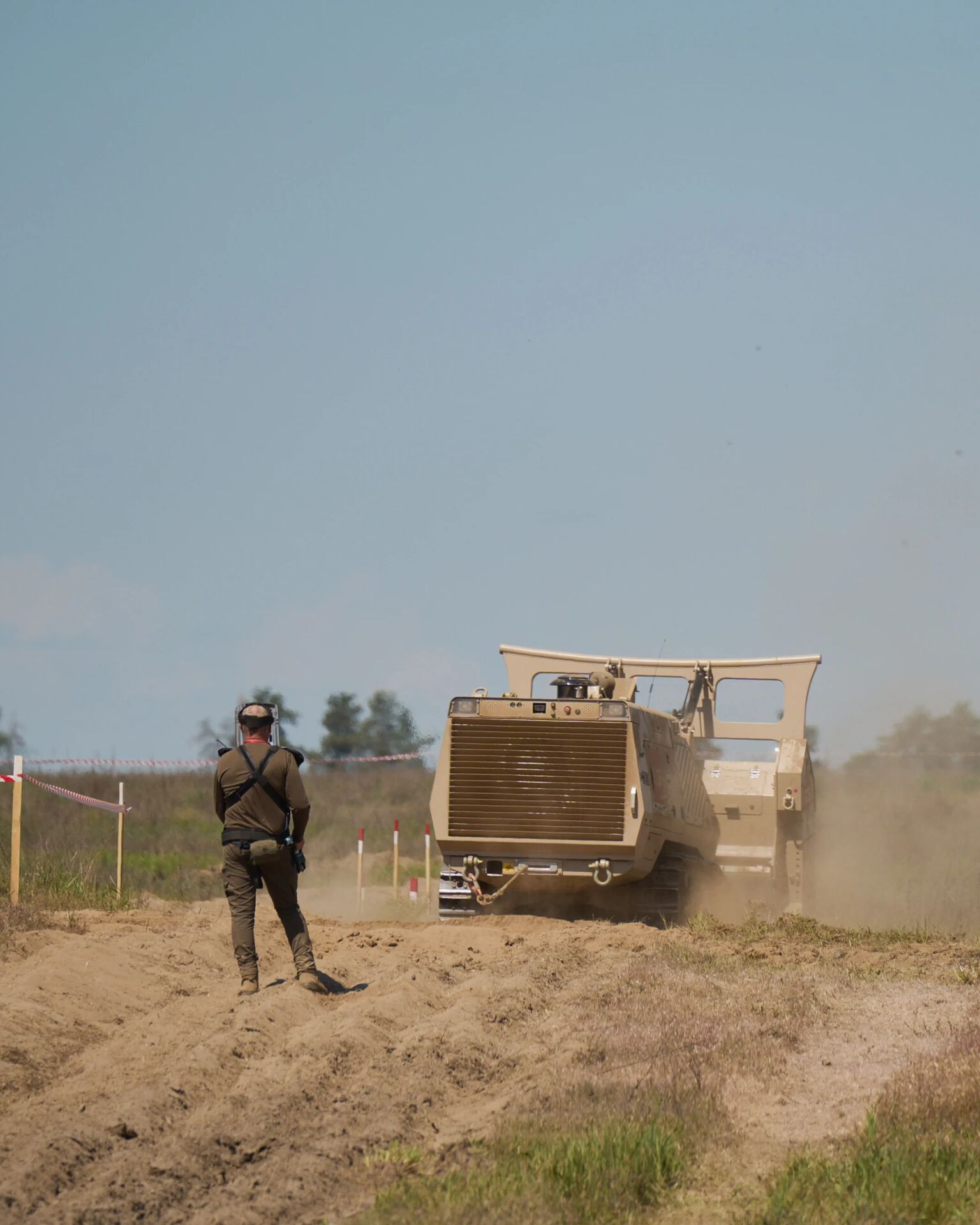
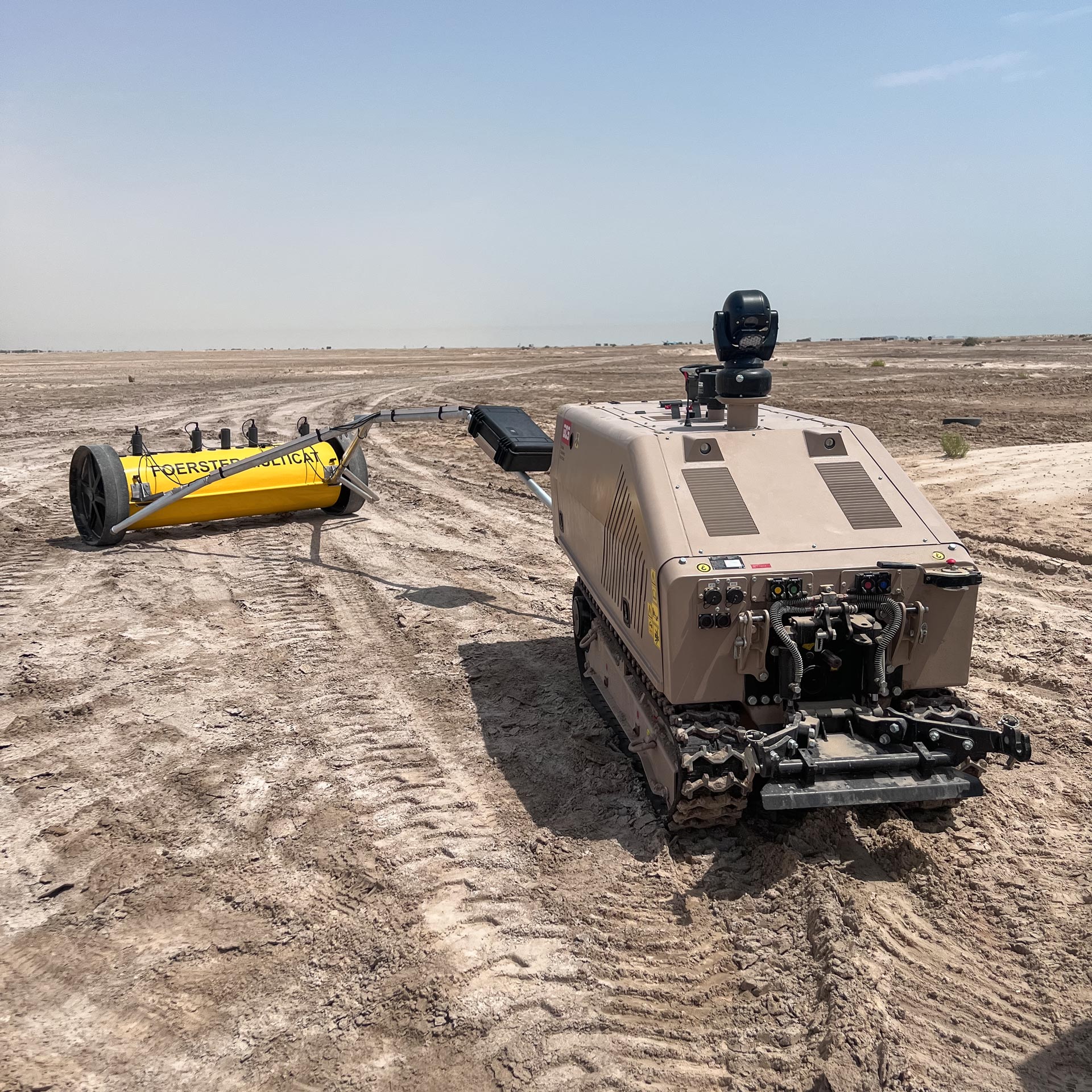
Mechanical demining is used to prepare ground, expose or neutralise explosive hazards and support follow‑on clearance activities. GCS deploys unmanned and protected platforms equipped with tools such as flails, tillers, rollers and manipulators.

Mechanical operations can support:

  • Vegetation removal and soil processing

  • Exposure or destruction of mines and ERW

  • Ground preparation for manual clearance or dog teams

  • Increased safety through operator stand‑off


Mechanical systems do not replace clearance teams. They are integrated as part of a broader land release methodology, supported by verification and quality management.
Battle Area Clearance (BAC)

Battle Area Clearance is applied in areas affected by bombardment or military activity where landmines are not expected to be present. The objective is to remove surface and sub‑surface UXO so that land can be safely accessed and reused.

BAC typically includes:

  • Evidence‑based survey and hazard classification

  • Surface and sub‑surface search using detectors and mechanical support

  • EOD response for located items

  • Documentation and certified land release
Range Clearance

Range clearance addresses high densities of UXO, practice munitions and fragments resulting from live‑fire training. Operations require specialist techniques due to scrap density, deep‑buried items and environmental considerations.

Activities can include:

  • Survey and risk assessment of impact zones

  • Mechanical processing and fragment removal

  • Manual and EOD clearance of UXO and blinds

  • Environmental and safety management

  • Certification for safe reuse of training areas
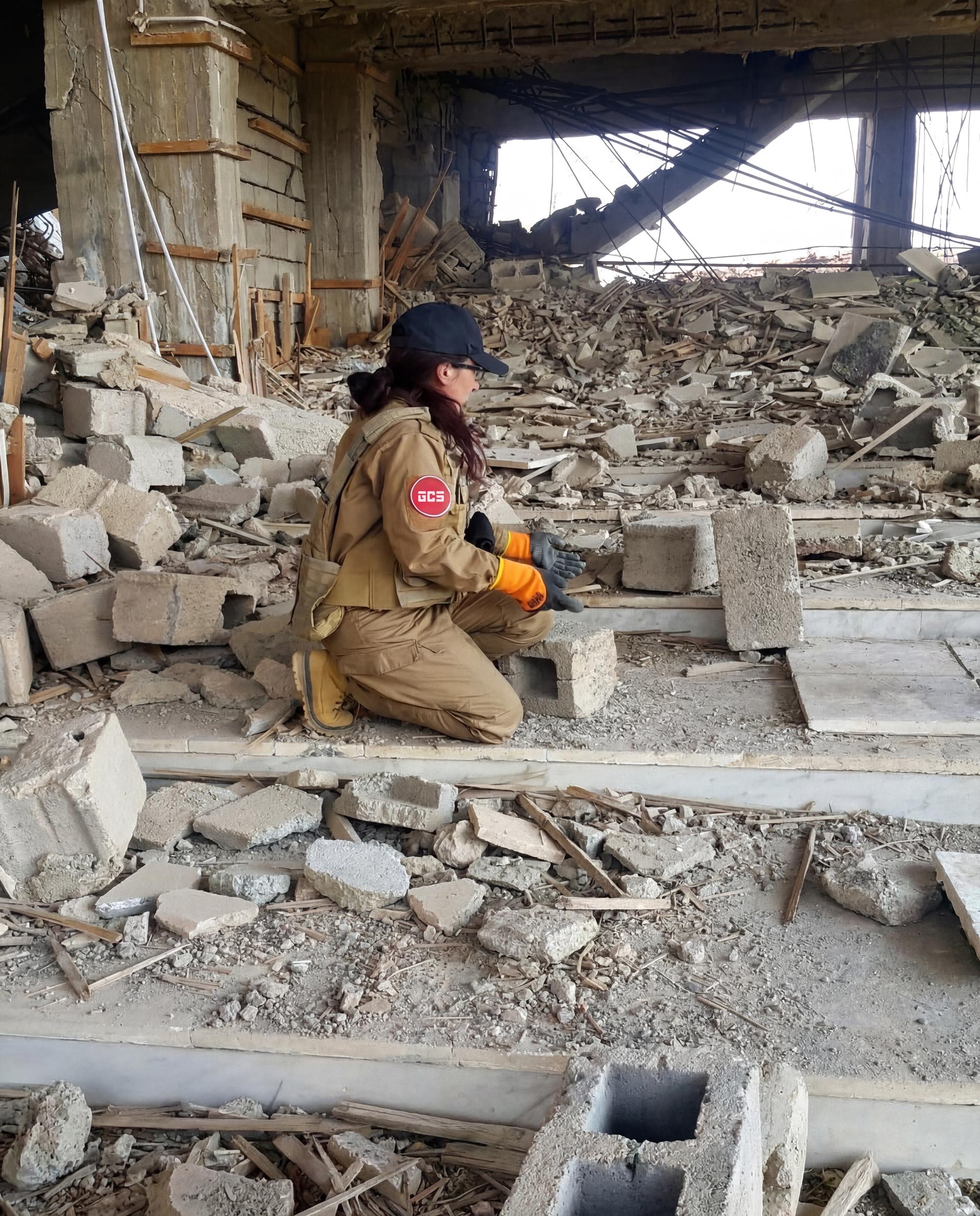
Urban and Debris Clearance

Urban clearance addresses explosive threats concealed within rubble, collapsed structures and damaged infrastructure. Operations are complex due to structural instability, secondary hazards and civilian presence.

Urban and debris clearance can involve:

  • Urban‑adapted survey and risk assessment

  • Manual, mechanical, canine and remote asset integration

  • Debris processing and controlled access creation

  • Coordination with municipal authorities and reconstruction teams

  • Quality management and documentation for safe handover
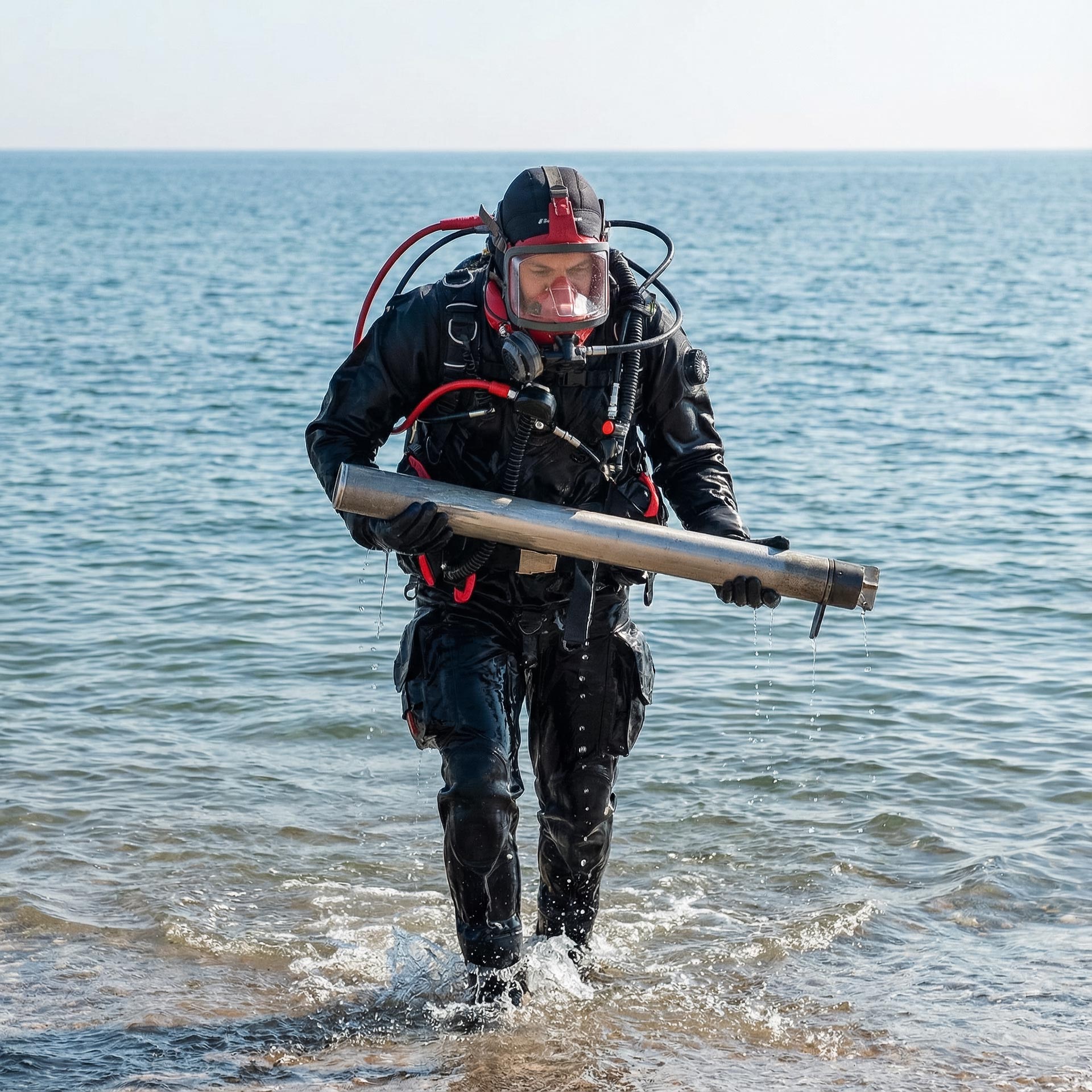
Underwater Explosive Ordnance Clearance

Underwater clearance addresses UXO and mines in rivers, ports, lakes and coastal environments that threaten navigation, infrastructure and human safety. Operations are conducted using diver‑based or remotely operated systems, supported by survey and environmental controls.

Typical tasks include:

  • Underwater survey and threat mapping

  • Detection and identification using sonar and magnetometry

  • Controlled disposal or recovery of explosive ordnance

  • Post‑clearance verification and reporting

Availability depends on operational context, national requirements and agreed scope of work.
Key Features

Built for operational deployment

01

Survey‑led clearance methodology

Clearance activities are based on structured survey, threat classification and land release principles, ensuring proportional and defensible operations.

02

Integrated asset use

Manual teams, mechanical platforms, detection dogs and sensor systems are combined to match terrain, threat type and operational context.

03

Context‑specific delivery

Clearance approaches are adapted to humanitarian, governmental or security environments without mixing operational contexts or mandates.

04

Operational safety & risk reduction

Use of remote systems, stand‑off tools and disciplined procedures reduces exposure for operators and affected communities.

05

International standards & quality management

Operations are aligned with applicable international and national standards, with embedded QA/QC processes and documentation throughout the clearance lifecycle.

Key Features

Built for operational deployment

01

Survey‑led clearance methodology

Clearance activities are based on structured survey, threat classification and land release principles, ensuring proportional and defensible operations.

02

Integrated asset use

Manual teams, mechanical platforms, detection dogs and sensor systems are combined to match terrain, threat type and operational context.

03

Context‑specific delivery

Clearance approaches are adapted to humanitarian, governmental or security environments without mixing operational contexts or mandates.

04

Operational safety & risk reduction

Use of remote systems, stand‑off tools and disciplined procedures reduces exposure for operators and affected communities.

05

International standards & quality management

Operations are aligned with applicable international and national standards, with embedded QA/QC processes and documentation throughout the clearance lifecycle.

Key Features

Built for operational deployment

01

Survey‑led clearance methodology

Clearance activities are based on structured survey, threat classification and land release principles, ensuring proportional and defensible operations.

02

Integrated asset use

Manual teams, mechanical platforms, detection dogs and sensor systems are combined to match terrain, threat type and operational context.

03

Context‑specific delivery

Clearance approaches are adapted to humanitarian, governmental or security environments without mixing operational contexts or mandates.

04

Operational safety & risk reduction

Use of remote systems, stand‑off tools and disciplined procedures reduces exposure for operators and affected communities.

05

International standards & quality management

Operations are aligned with applicable international and national standards, with embedded QA/QC processes and documentation throughout the clearance lifecycle.

Key Features

Built for operational deployment

01

Survey‑led clearance methodology

Clearance activities are based on structured survey, threat classification and land release principles, ensuring proportional and defensible operations.

02

Integrated asset use

Manual teams, mechanical platforms, detection dogs and sensor systems are combined to match terrain, threat type and operational context.

03

Context‑specific delivery

Clearance approaches are adapted to humanitarian, governmental or security environments without mixing operational contexts or mandates.

04

Operational safety & risk reduction

Use of remote systems, stand‑off tools and disciplined procedures reduces exposure for operators and affected communities.

05

International standards & quality management

Operations are aligned with applicable international and national standards, with embedded QA/QC processes and documentation throughout the clearance lifecycle.

Related Services

How this fits in Operations & Field Service

Operations & Field Service brings together the activities required to reduce explosive risk in the field. Survey, Clearance, Disposal and Training are delivered as integrated services, rather than as isolated tasks. Each supports the others to ensure that operations are safe, proportionate and aligned with the operational context. Together, they enable informed decision‑making, effective task execution and sustainable handover.

Related Services

How this fits in Operations & Field Service

Operations & Field Service brings together the activities required to reduce explosive risk in the field. Survey, Clearance, Disposal and Training are delivered as integrated services, rather than as isolated tasks. Each supports the others to ensure that operations are safe, proportionate and aligned with the operational context. Together, they enable informed decision‑making, effective task execution and sustainable handover.

Related Services

How this fits in Operations & Field Service

Operations & Field Service brings together the activities required to reduce explosive risk in the field. Survey, Clearance, Disposal and Training are delivered as integrated services, rather than as isolated tasks. Each supports the others to ensure that operations are safe, proportionate and aligned with the operational context. Together, they enable informed decision‑making, effective task execution and sustainable handover.

Related Services

How this fits in Operations & Field Service

Operations & Field Service brings together the activities required to reduce explosive risk in the field. Survey, Clearance, Disposal and Training are delivered as integrated services, rather than as isolated tasks. Each supports the others to ensure that operations are safe, proportionate and aligned with the operational context. Together, they enable informed decision‑making, effective task execution and sustainable handover.

recent stories

Operational experience from the field, across contexts and missions.

recent stories

Operational experience from the field, across contexts and missions.

recent stories

Operational experience from the field, across contexts and missions.

recent stories

Operational experience from the field, across contexts and missions.

Discuss operational support for your project

GCS supports operational planning, training and field execution with services adapted to the project scope and local requirements.

Discuss operational support for your project

GCS supports operational planning, training and field execution with services adapted to the project scope and local requirements.

Discuss operational support for your project

GCS supports operational planning, training and field execution with services adapted to the project scope and local requirements.

Discuss operational support for your project

GCS supports operational planning, training and field execution with services adapted to the project scope and local requirements.

Clearance

Professional clearance operations to remove explosive threats and restore safe access to land, infrastructure and communities