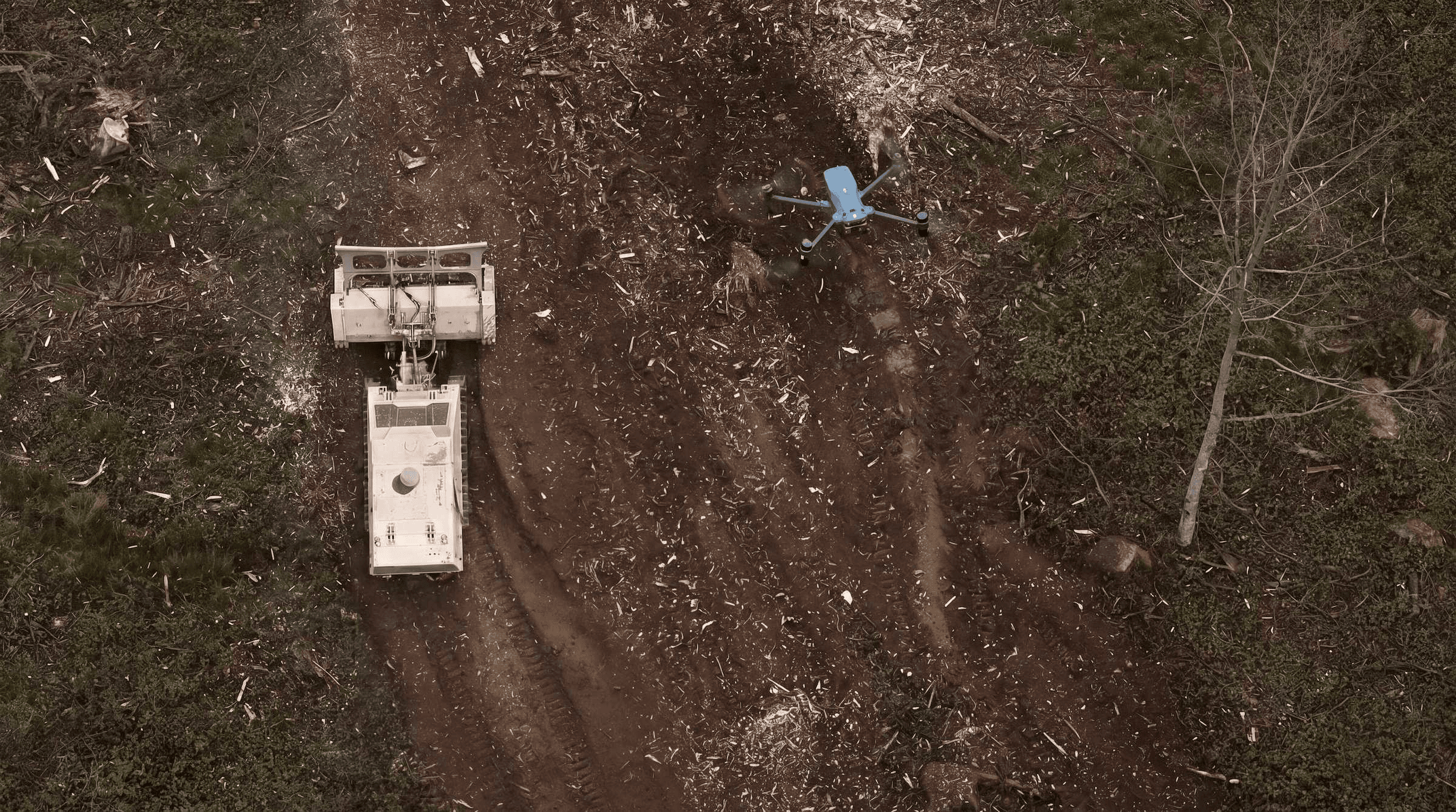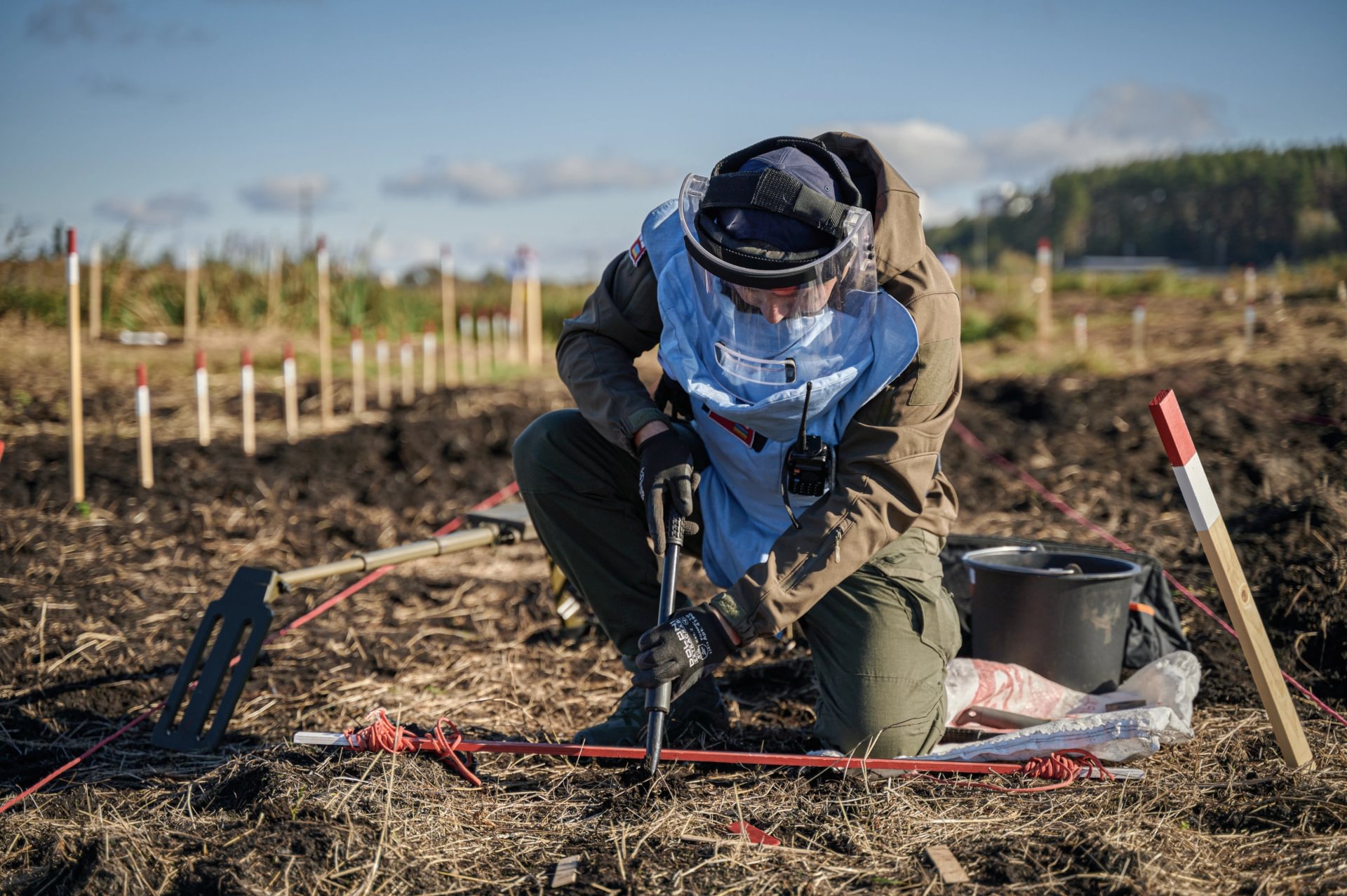
Armed conflict leaves behind more than physical destruction. Long after fighting stops, explosive hazards remain embedded in the ground, buildings, infrastructure and waterways. Landmines, Explosive Remnants of War (ERW) and Improvised Explosive Devices (IEDs) continue to kill and injure civilians, restrict movement and delay recovery for years or decades.
Explosive contamination is not a historical problem. It is an ongoing and expanding challenge driven by contemporary conflicts, the widespread use of explosive weapons and the long lifespan of unexploded ordnance. In many affected regions, the presence of explosive hazards defines what can and cannot be done long after hostilities have ceased.
Clearing these threats is a prerequisite for safety, recovery and stability.
Mines
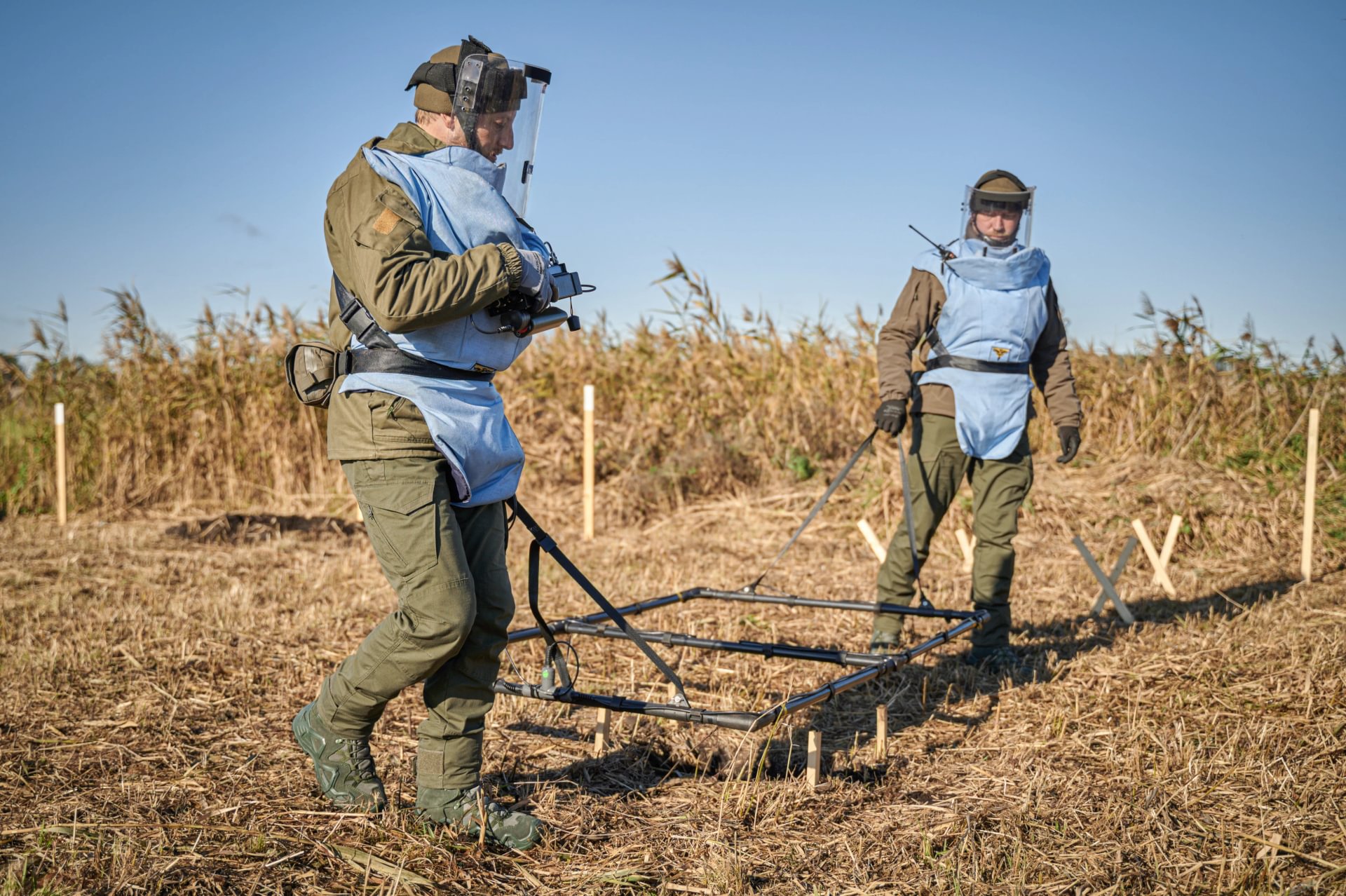
Landmines are victim-activated explosive devices designed to detonate through the presence, proximity or contact of a person or vehicle.
Anti-Personnel (AP) mines are designed to injure or kill individuals
Anti-Vehicle (AV) or Anti-Tank (AT) mines are designed to disable or destroy vehicles
Sea mines pose risks to ports, waterways and coastal access
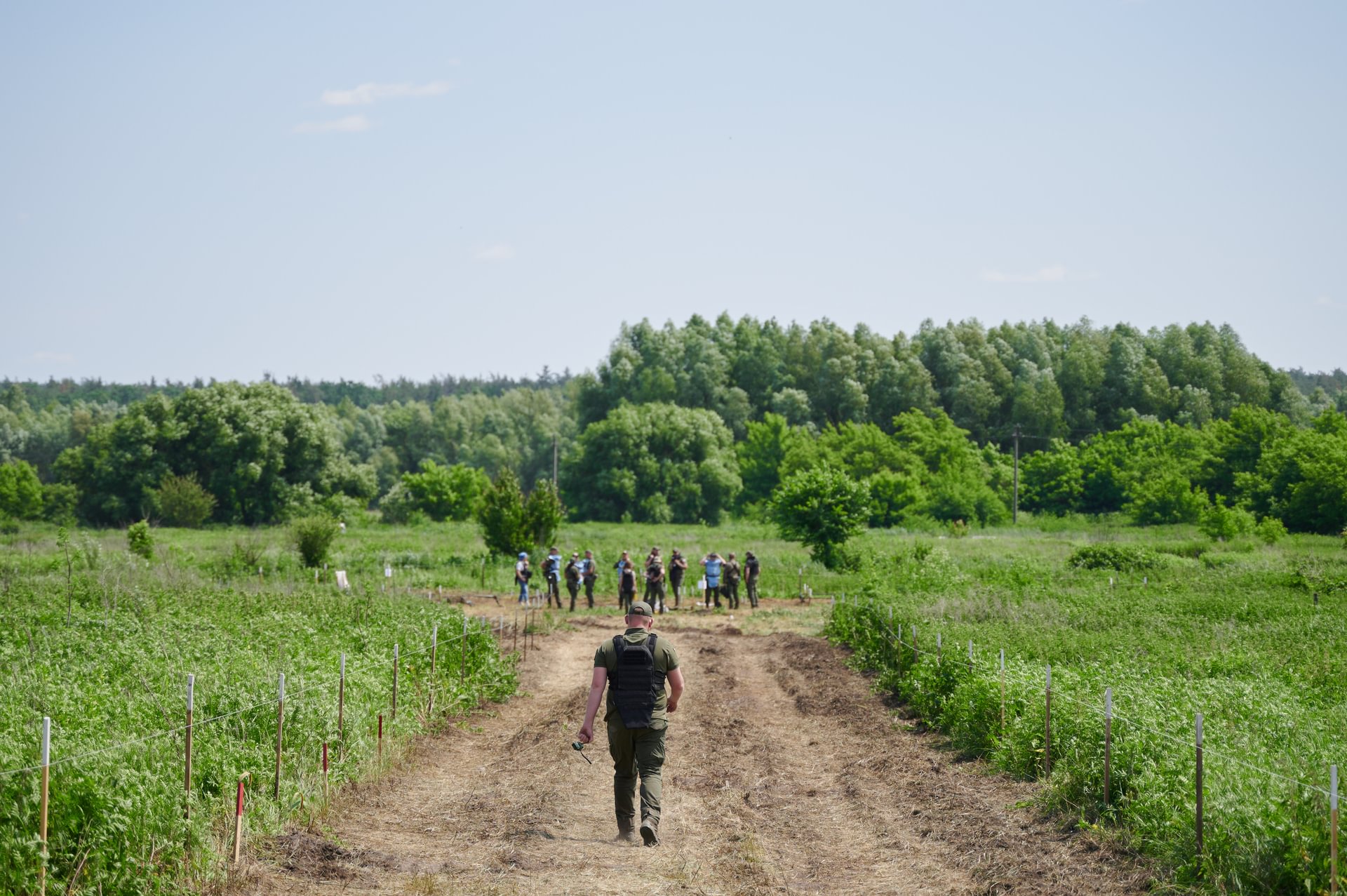
An estimated 100 million landmines remain in more than 78 countries. Many of them remain active for decades. In addition to causing casualties, mines contaminate land and infrastructure. This prevents agricultural use, blocks transport routes, and delays the return of displaced populations. Their presence directly impacts food security, livelihoods, and long-term stability.
Explosive Remnants of War (ERW)
ERW are explosive ordnance left behind after the end of hostilities. They pose risks similar to landmines and are often less visible or predictable.
ERW are typically categorised as:
Unexploded Ordnance (UXO) includes ammunition such as artillery shells, grenades, mortar rounds, cluster munitions, missiles, bombs, and fuses that failed to function as intended.
Abandoned Explosive Ordnance (AXO) includes arms caches, weapon depots, storage sites and stockpiles left unsecured or unmanaged.
ERW contamination is widespread in former battle areas and urban environments. Clearance is often the first step before reconstruction, infrastructure repair or the return of displaced populations can begin.
Improvised Explosive Devices (IEDs)
IEDs are improvised weapons designed to cause damage, casualties and disruption. Their use has increased significantly over the past decades and remains a defining feature of many modern conflicts.
IEDs are used by non-state armed groups and other actors to target civilians, security forces and infrastructure. They are often deliberately concealed and designed to be unpredictable.
IEDs can be categorised by their initiation method:
Timed IEDs, initiated by a fuse or timer
Command-initiated IEDs, triggered remotely by wire or radio control
Victim-operated IEDs, activated by an unknowing action such as pressure or tripwires
The detection, neutralisation and disposal of IEDs requires specialised expertise and equipment. This activity, referred to as IEDD, is a subset of Explosive Ordnance Disposal (EOD).
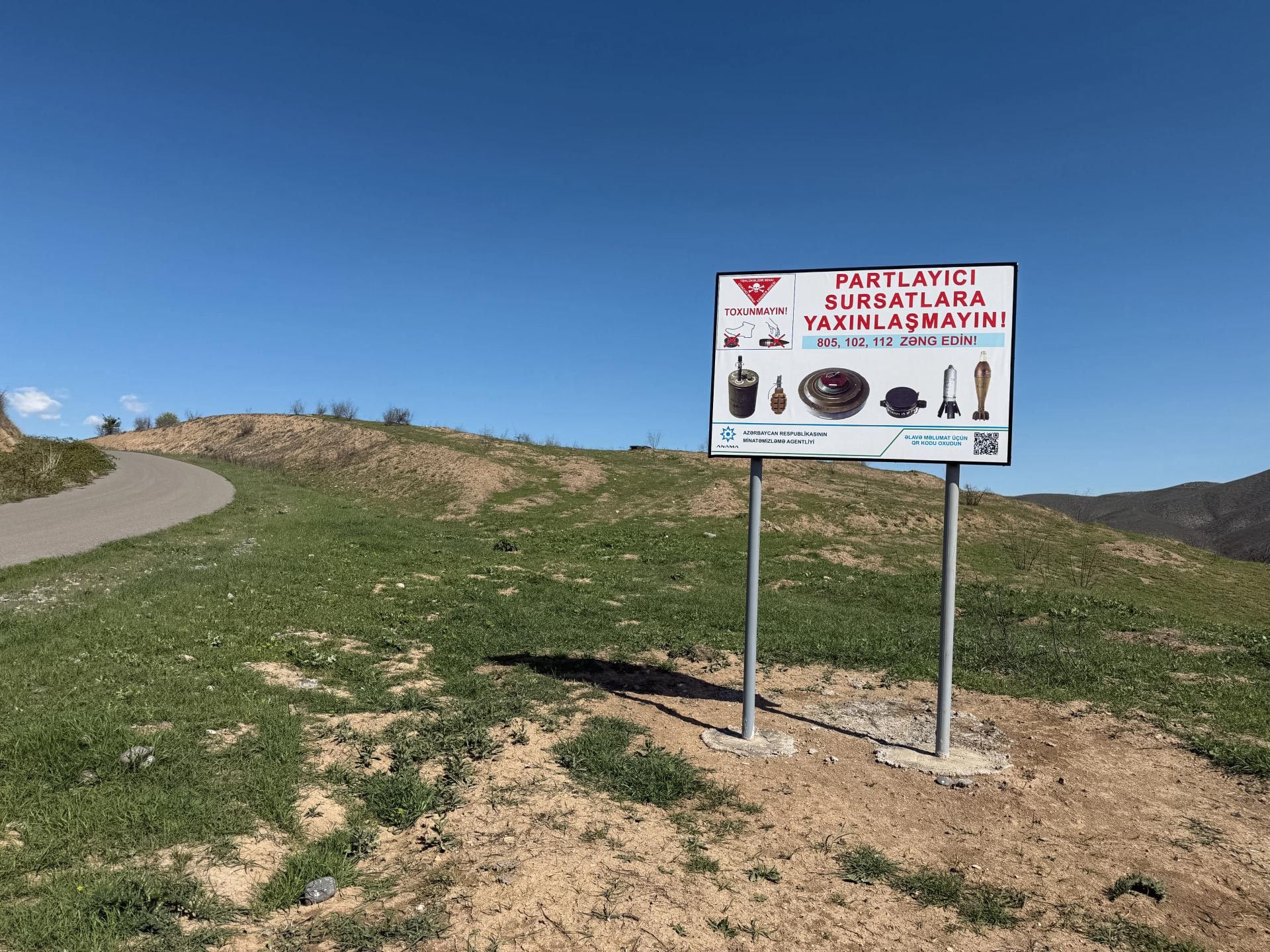
No Access
Block access to homes, farmland and workplaces
No Assistance
Halt humanitarian assistance and reconstruction
No freedom
Restrict freedom of movement for civilians and security forces
No Economic recovery
Prevent economic recovery and long-term development
No Infrastructure
Undermine trust in public space and infrastructure
Before land can be rebuilt, used or protected, it must be made safe.
In humanitarian contexts, clearance enables displaced populations to return, agriculture to resume and infrastructure to be repaired. In governmental and commercial contexts, it allows projects, transport and services to move forward. In military and security contexts, it restores freedom of movement and operational effectiveness.
Across all contexts, explosive threat mitigation requires more than individual tools. It demands integrated systems, trained personnel and sustained operational support.
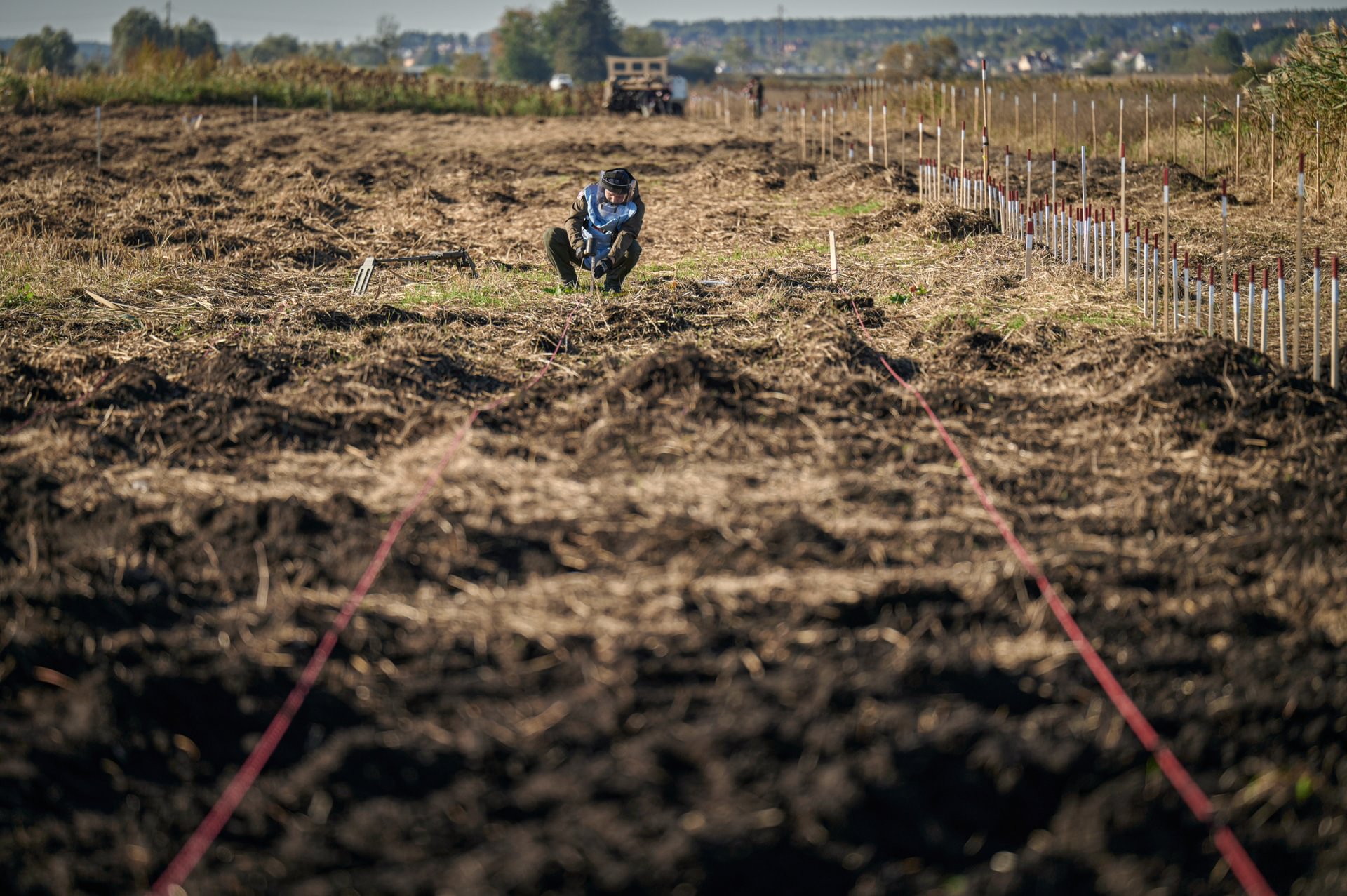
What effective clearance requires
A precise understanding of the threat environment
The right combination of mechanical, manual and technical methods
Detection, neutralisation and disposal expertise
Trained operators and robust safety management
Long-term support, maintenance and adaptation
Why specialised organisations like GCS exist
We combine technology, operational expertise and field experience into solutions that reduce risk and restore access safely and reliably.
The purpose of explosive threat mitigation is about outcomes:
Safe land, secure movement, restored operations and recovered communities.
Together, we create safe environments.