Disposal
Safe and controlled destruction of explosive hazards to remove immediate risk and enable land release and recovery.
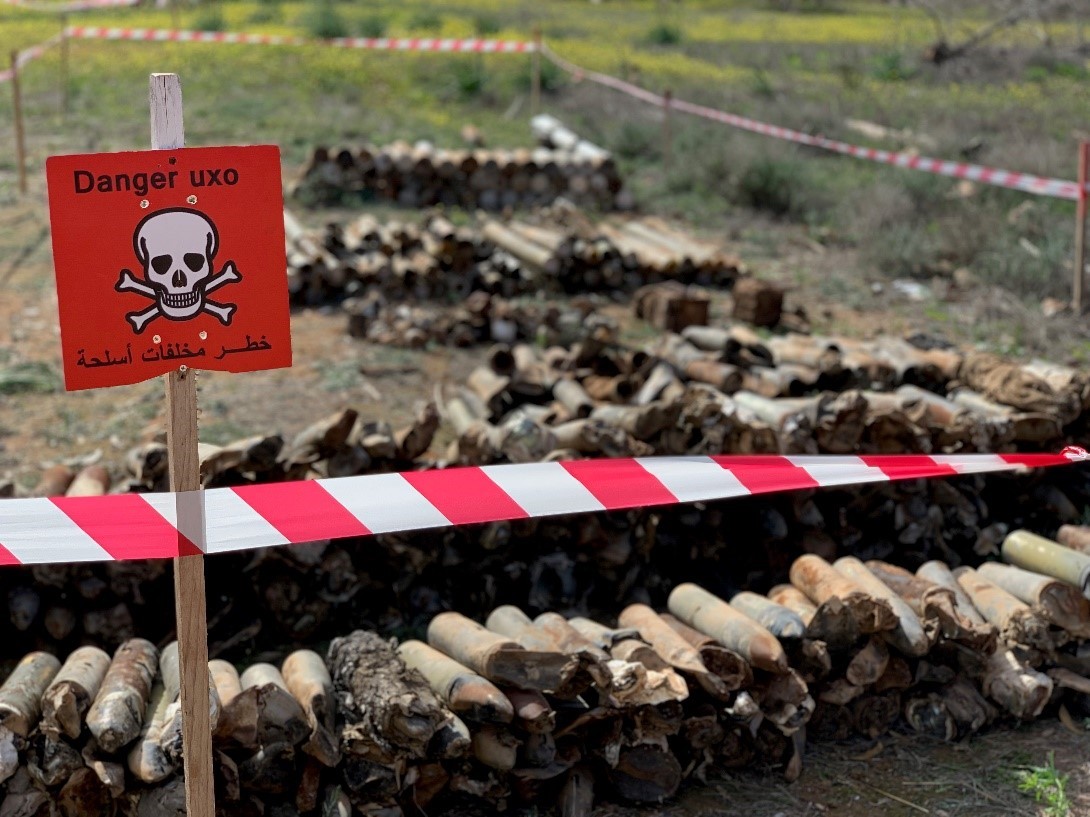
Disposal is the final risk‑removal step in explosive threat mitigation. Once mines, ERW or IEDs have been located through survey and clearance activities, they must be rendered safe or destroyed in a controlled manner to eliminate the remaining risk permanently.
Disposal is the point at which identified explosive hazards are permanently neutralised. It is carried out by qualified EOD and IEDD teams operating under defined procedures, national authority requirements and applicable international standards. The objective is to reduce immediate danger to civilians, infrastructure and responders, while ensuring that land, facilities and routes can be safely released for their intended use.
GCS delivers disposal as part of integrated clearance operations or as a standalone response to spot tasks, unsafe stockpiles and legacy contamination. Disposal methods are selected based on the threat type, environment and operational constraints, ensuring risks are reduced in a controlled, accountable and context‑appropriate manner across humanitarian, governmental and security settings.
Disposal is the final risk‑removal step in explosive threat mitigation. Once mines, ERW or IEDs have been located through survey and clearance activities, they must be rendered safe or destroyed in a controlled manner to eliminate the remaining risk permanently.
Disposal is the point at which identified explosive hazards are permanently neutralised. It is carried out by qualified EOD and IEDD teams operating under defined procedures, national authority requirements and applicable international standards. The objective is to reduce immediate danger to civilians, infrastructure and responders, while ensuring that land, facilities and routes can be safely released for their intended use.
GCS delivers disposal as part of integrated clearance operations or as a standalone response to spot tasks, unsafe stockpiles and legacy contamination. Disposal methods are selected based on the threat type, environment and operational constraints, ensuring risks are reduced in a controlled, accountable and context‑appropriate manner across humanitarian, governmental and security settings.
Disposal is the final risk‑removal step in explosive threat mitigation. Once mines, ERW or IEDs have been located through survey and clearance activities, they must be rendered safe or destroyed in a controlled manner to eliminate the remaining risk permanently.
Disposal is the point at which identified explosive hazards are permanently neutralised. It is carried out by qualified EOD and IEDD teams operating under defined procedures, national authority requirements and applicable international standards. The objective is to reduce immediate danger to civilians, infrastructure and responders, while ensuring that land, facilities and routes can be safely released for their intended use.
GCS delivers disposal as part of integrated clearance operations or as a standalone response to spot tasks, unsafe stockpiles and legacy contamination. Disposal methods are selected based on the threat type, environment and operational constraints, ensuring risks are reduced in a controlled, accountable and context‑appropriate manner across humanitarian, governmental and security settings.
Disposal is the final risk‑removal step in explosive threat mitigation. Once mines, ERW or IEDs have been located through survey and clearance activities, they must be rendered safe or destroyed in a controlled manner to eliminate the remaining risk permanently.
Disposal is the point at which identified explosive hazards are permanently neutralised. It is carried out by qualified EOD and IEDD teams operating under defined procedures, national authority requirements and applicable international standards. The objective is to reduce immediate danger to civilians, infrastructure and responders, while ensuring that land, facilities and routes can be safely released for their intended use.
GCS delivers disposal as part of integrated clearance operations or as a standalone response to spot tasks, unsafe stockpiles and legacy contamination. Disposal methods are selected based on the threat type, environment and operational constraints, ensuring risks are reduced in a controlled, accountable and context‑appropriate manner across humanitarian, governmental and security settings.
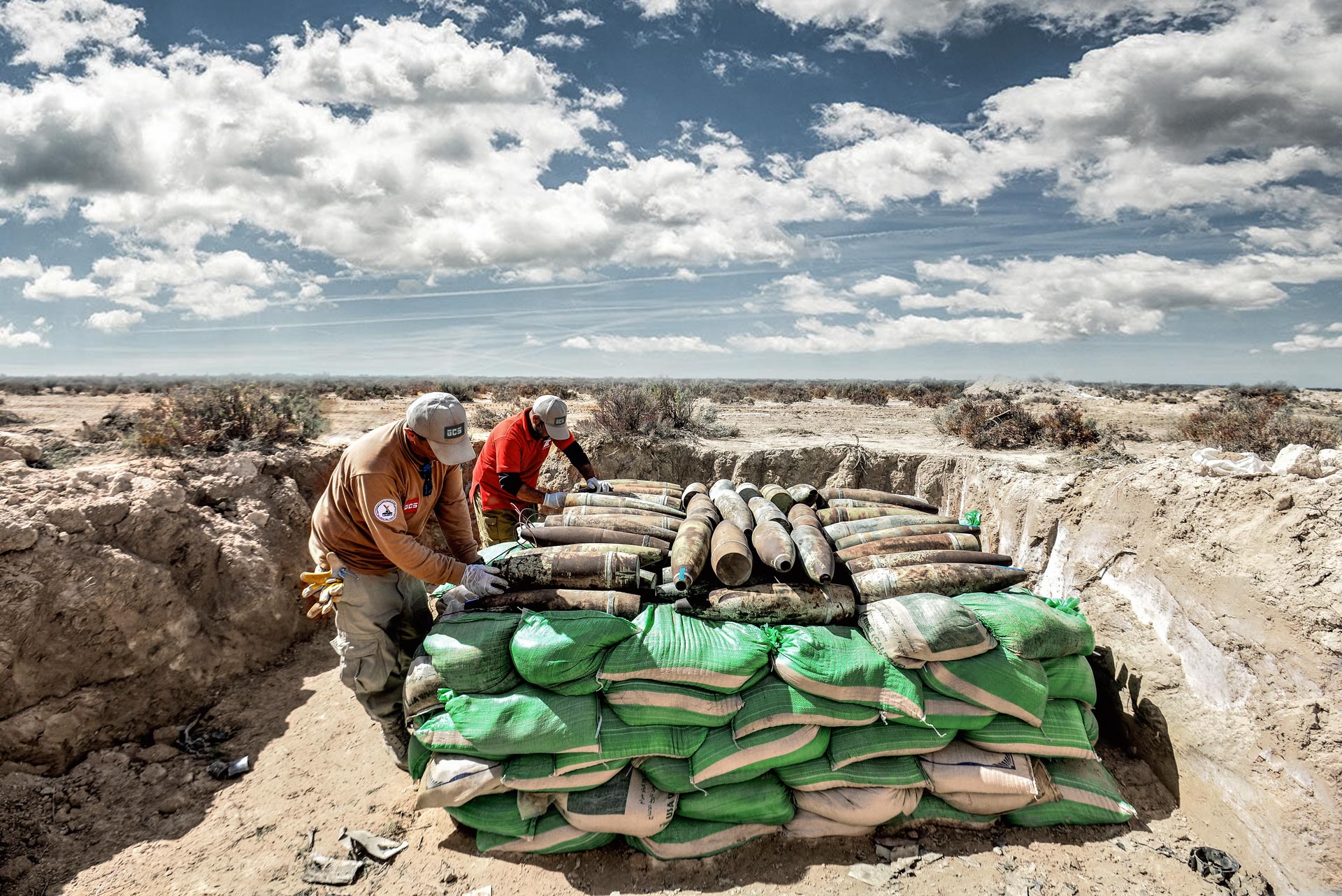
Disposal services
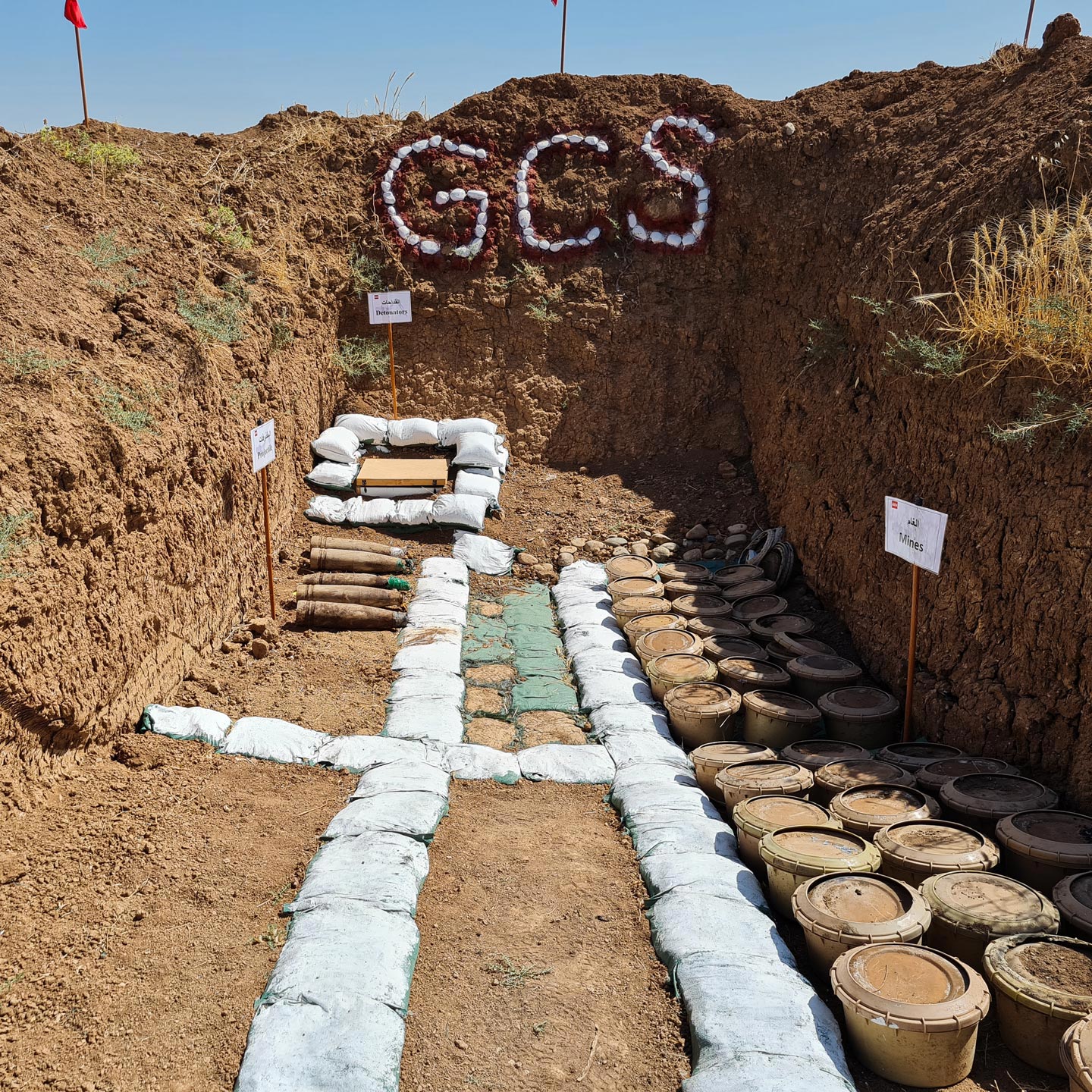
Explosive Ordnance Disposal (EOD)
Identification, assessment and safe destruction of conventional explosive ordnance, including UXO, ERW and abandoned munitions. EOD activities are embedded within clearance operations or conducted as independent spot tasks, depending on the operational requirement.
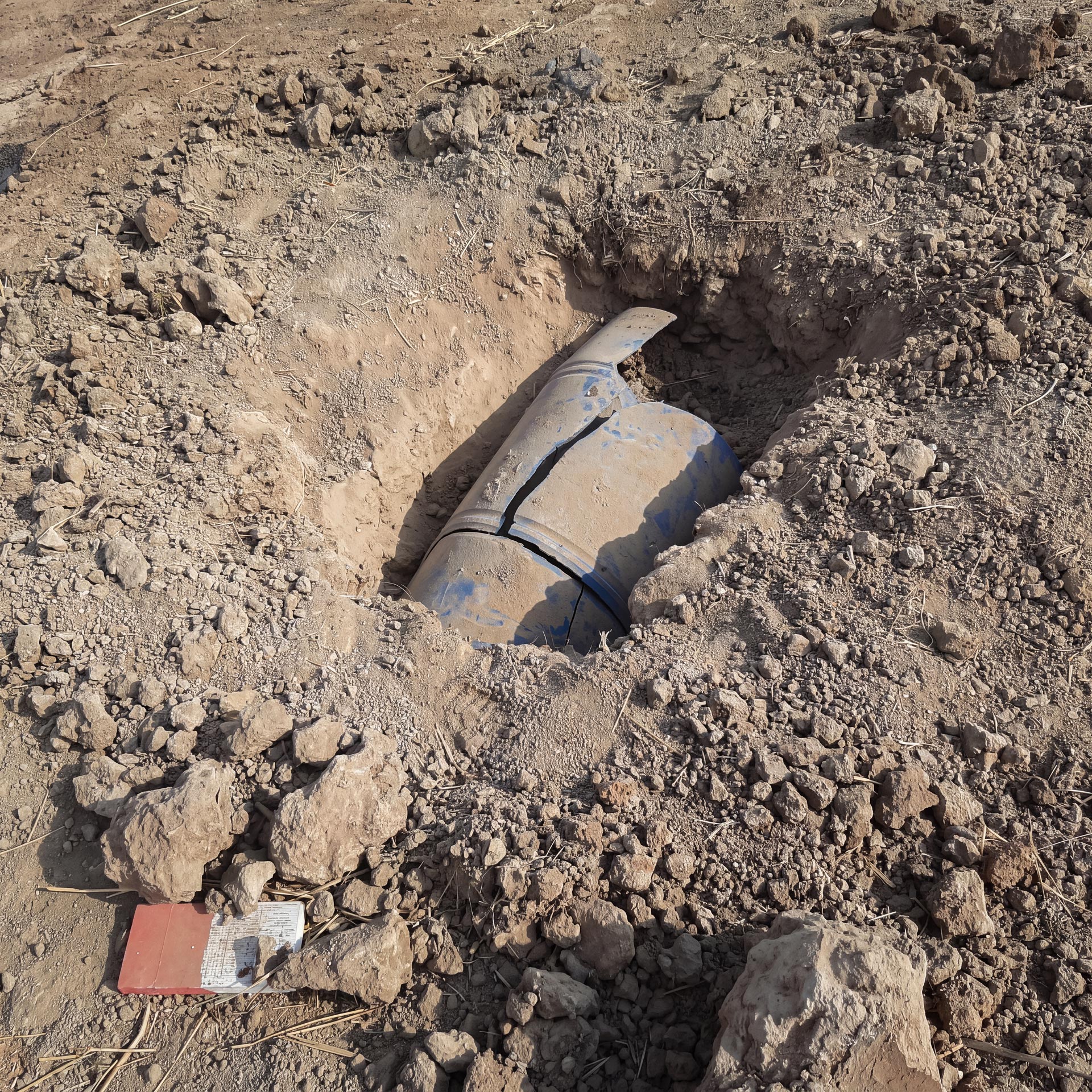
Improvised Explosive Device Disposal (IEDD)
Specialist disposal of improvised explosive devices in residential, urban and infrastructure environments. IEDD tasks are conducted by appropriately qualified teams, using context‑specific procedures that reflect the threat type, environment and acceptance of risk.
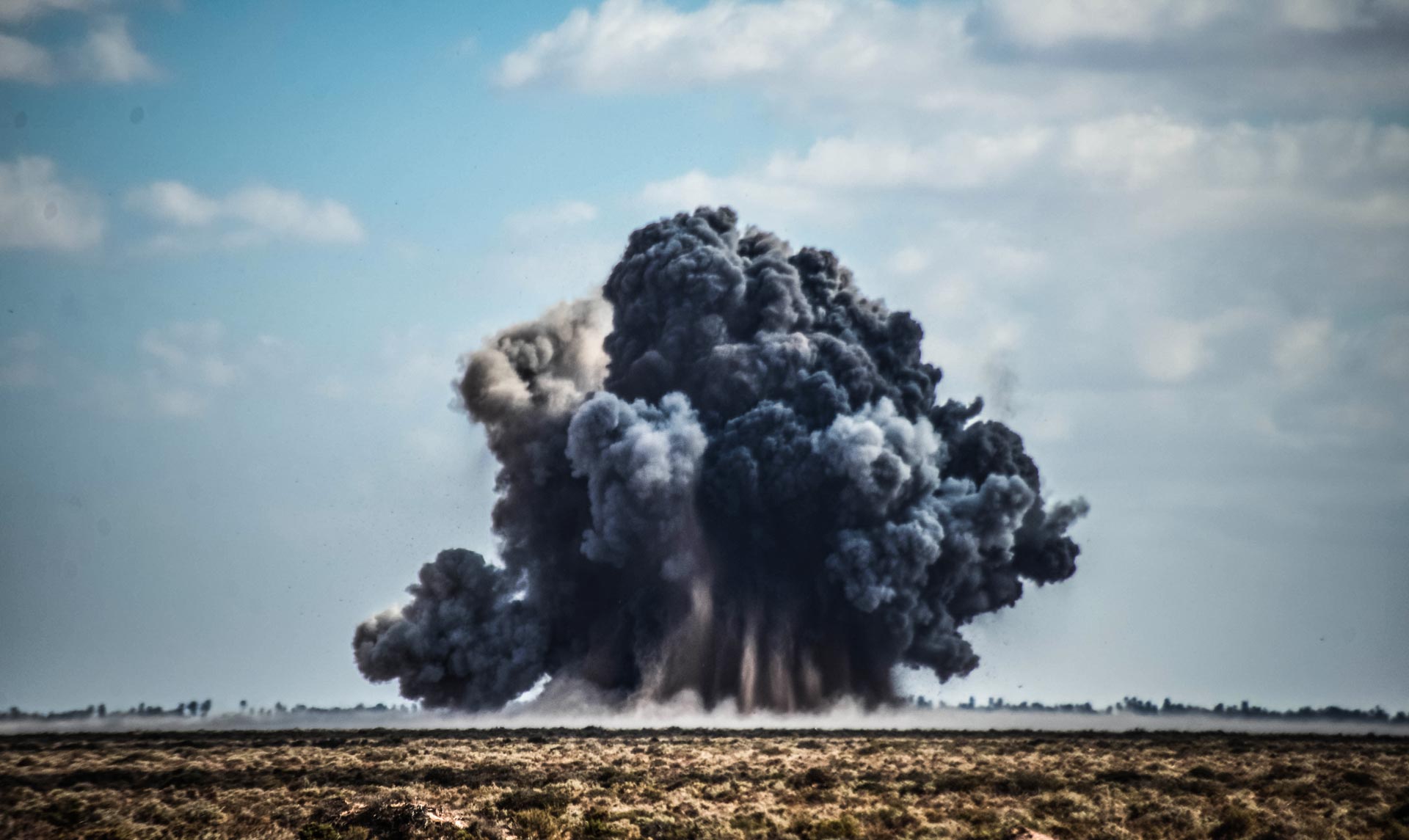
Stockpile destruction and ammunition disposal
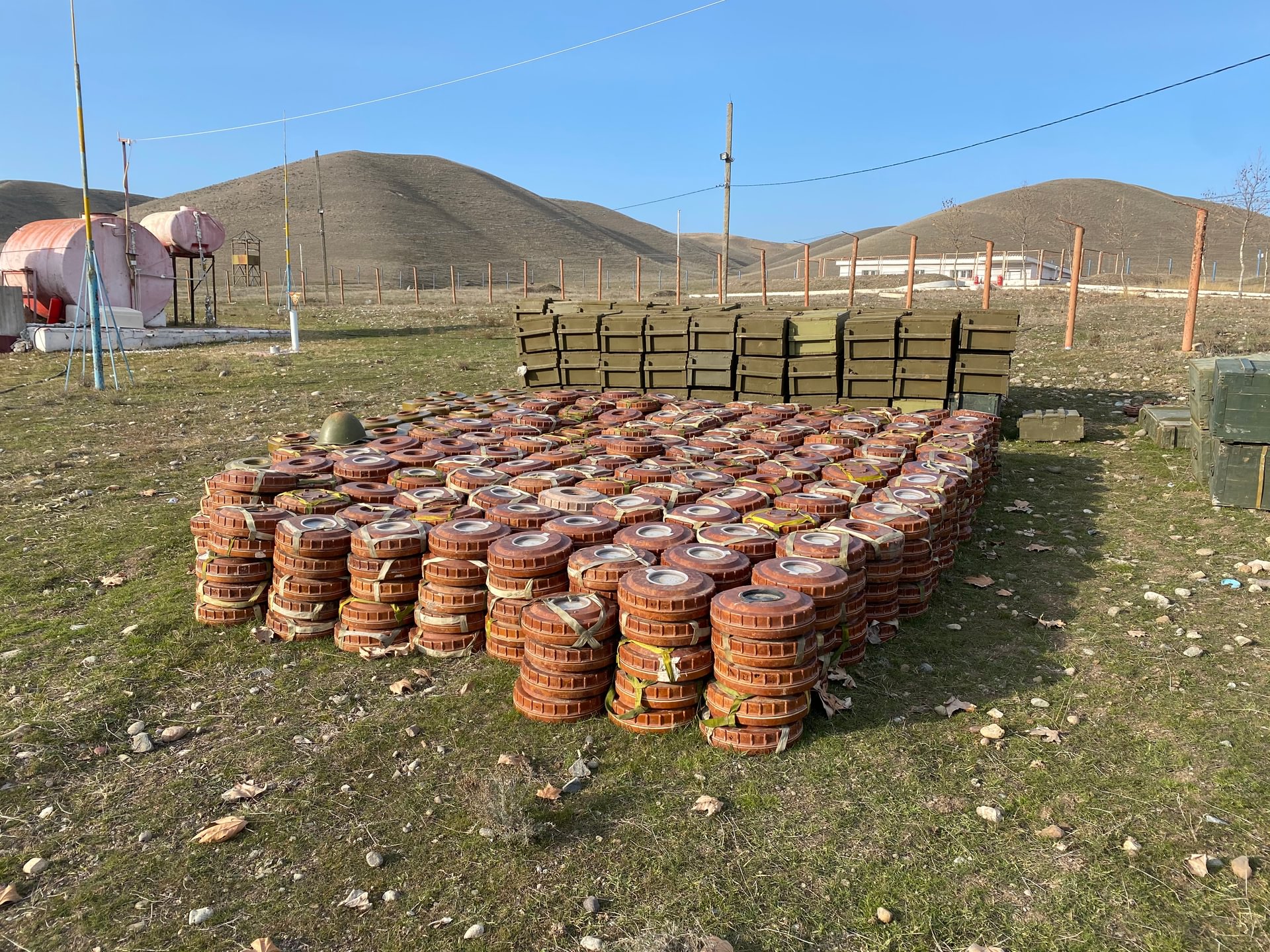
Assessment and disposal of abandoned, damaged or unsafe ammunition stockpiles and weapon storage sites. Activities include recovery, safe handling, transport preparation and controlled destruction, coordinated with national authorities and security stakeholders.

Disposal in support of clearance operations
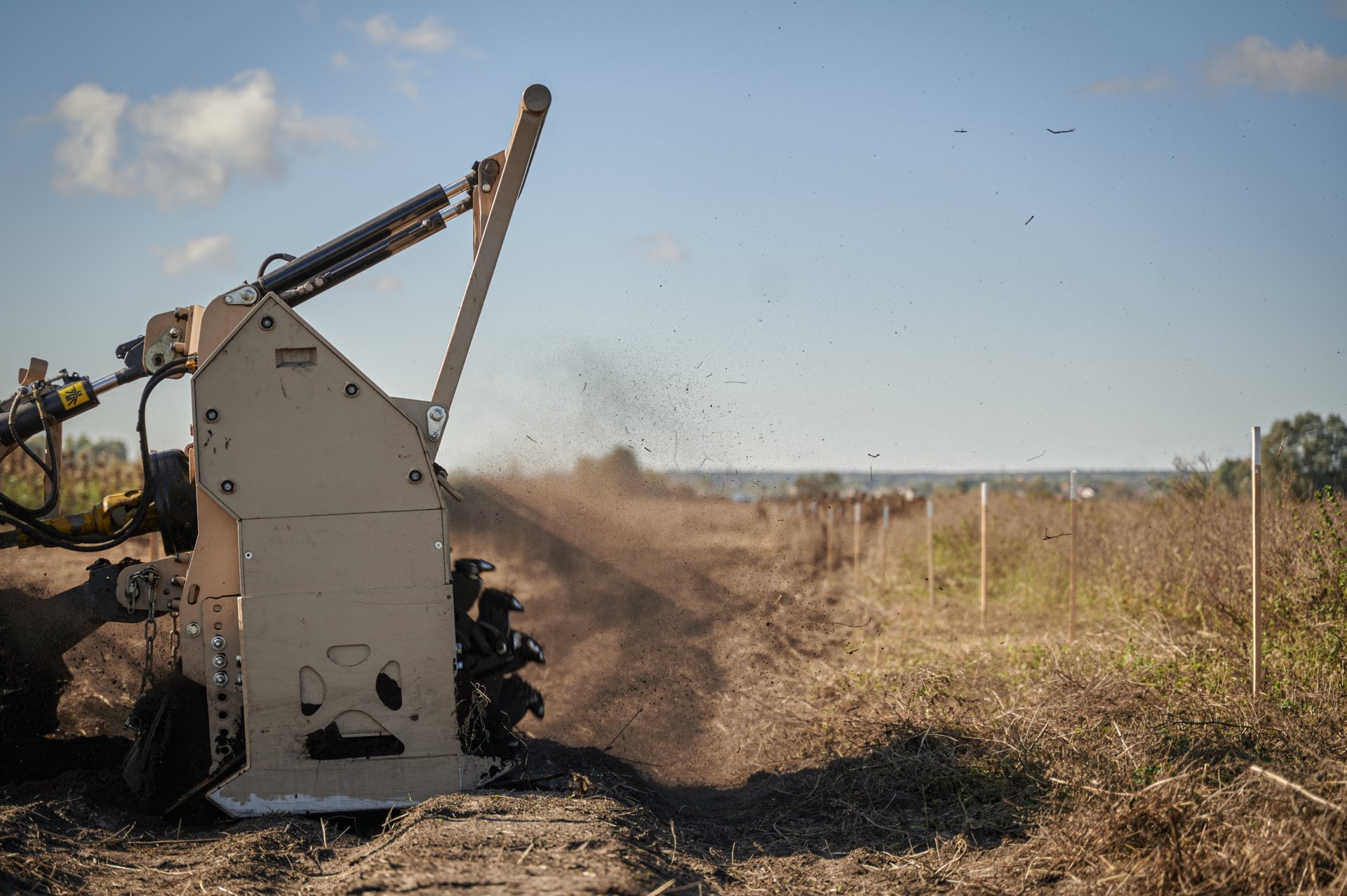
Disposal is integrated into manual, mechanical and battle area clearance tasks. Located items are destroyed in situ or removed for demolition, based on safety distances, environmental constraints and operational approvals.
Availability depends on operational context, national requirements and agreed scope of work.
Built for operational deployment
01
Context‑specific execution
Disposal methods are adapted to the operational environment, whether humanitarian post‑conflict settings, governmental infrastructure projects or security‑related operations, without mixing contexts or risk tolerances.
02
Qualified teams & controlled procedures
Activities are carried out by trained EOD and IEDD personnel operating under defined SOPs, national mine action authority requirements and recognised international frameworks such as IMAS, where applicable.
03
Integrated within land‑release operations
Disposal is planned as part of the overall survey, clearance and quality‑management process, ensuring that risk reduction and land release are aligned.
04
Standalone & responsive capability
In addition to programme‑based operations, GCS provides disposal as a rapid response to spot tasks, emergency call‑outs and unexpected discoveries.
05
Safety & risk management focus
Exclusion zones, demolition planning, environmental considerations and emergency procedures are embedded into disposal tasks to protect communities, personnel and assets.
Built for operational deployment
01
Context‑specific execution
Disposal methods are adapted to the operational environment, whether humanitarian post‑conflict settings, governmental infrastructure projects or security‑related operations, without mixing contexts or risk tolerances.
02
Qualified teams & controlled procedures
Activities are carried out by trained EOD and IEDD personnel operating under defined SOPs, national mine action authority requirements and recognised international frameworks such as IMAS, where applicable.
03
Integrated within land‑release operations
Disposal is planned as part of the overall survey, clearance and quality‑management process, ensuring that risk reduction and land release are aligned.
04
Standalone & responsive capability
In addition to programme‑based operations, GCS provides disposal as a rapid response to spot tasks, emergency call‑outs and unexpected discoveries.
05
Safety & risk management focus
Exclusion zones, demolition planning, environmental considerations and emergency procedures are embedded into disposal tasks to protect communities, personnel and assets.
Built for operational deployment
01
Context‑specific execution
Disposal methods are adapted to the operational environment, whether humanitarian post‑conflict settings, governmental infrastructure projects or security‑related operations, without mixing contexts or risk tolerances.
02
Qualified teams & controlled procedures
Activities are carried out by trained EOD and IEDD personnel operating under defined SOPs, national mine action authority requirements and recognised international frameworks such as IMAS, where applicable.
03
Integrated within land‑release operations
Disposal is planned as part of the overall survey, clearance and quality‑management process, ensuring that risk reduction and land release are aligned.
04
Standalone & responsive capability
In addition to programme‑based operations, GCS provides disposal as a rapid response to spot tasks, emergency call‑outs and unexpected discoveries.
05
Safety & risk management focus
Exclusion zones, demolition planning, environmental considerations and emergency procedures are embedded into disposal tasks to protect communities, personnel and assets.
Built for operational deployment
01
Context‑specific execution
Disposal methods are adapted to the operational environment, whether humanitarian post‑conflict settings, governmental infrastructure projects or security‑related operations, without mixing contexts or risk tolerances.
02
Qualified teams & controlled procedures
Activities are carried out by trained EOD and IEDD personnel operating under defined SOPs, national mine action authority requirements and recognised international frameworks such as IMAS, where applicable.
03
Integrated within land‑release operations
Disposal is planned as part of the overall survey, clearance and quality‑management process, ensuring that risk reduction and land release are aligned.
04
Standalone & responsive capability
In addition to programme‑based operations, GCS provides disposal as a rapid response to spot tasks, emergency call‑outs and unexpected discoveries.
05
Safety & risk management focus
Exclusion zones, demolition planning, environmental considerations and emergency procedures are embedded into disposal tasks to protect communities, personnel and assets.
How this fits in Operations & Field Service
Operations & Field Service brings together the activities required to reduce explosive risk in the field. Survey, Clearance, Disposal and Training are delivered as integrated services, rather than as isolated tasks. Each supports the others to ensure that operations are safe, proportionate and aligned with the operational context. Together, they enable informed decision‑making, effective task execution and sustainable handover.
How this fits in Operations & Field Service
Operations & Field Service brings together the activities required to reduce explosive risk in the field. Survey, Clearance, Disposal and Training are delivered as integrated services, rather than as isolated tasks. Each supports the others to ensure that operations are safe, proportionate and aligned with the operational context. Together, they enable informed decision‑making, effective task execution and sustainable handover.
How this fits in Operations & Field Service
Operations & Field Service brings together the activities required to reduce explosive risk in the field. Survey, Clearance, Disposal and Training are delivered as integrated services, rather than as isolated tasks. Each supports the others to ensure that operations are safe, proportionate and aligned with the operational context. Together, they enable informed decision‑making, effective task execution and sustainable handover.
How this fits in Operations & Field Service
Operations & Field Service brings together the activities required to reduce explosive risk in the field. Survey, Clearance, Disposal and Training are delivered as integrated services, rather than as isolated tasks. Each supports the others to ensure that operations are safe, proportionate and aligned with the operational context. Together, they enable informed decision‑making, effective task execution and sustainable handover.
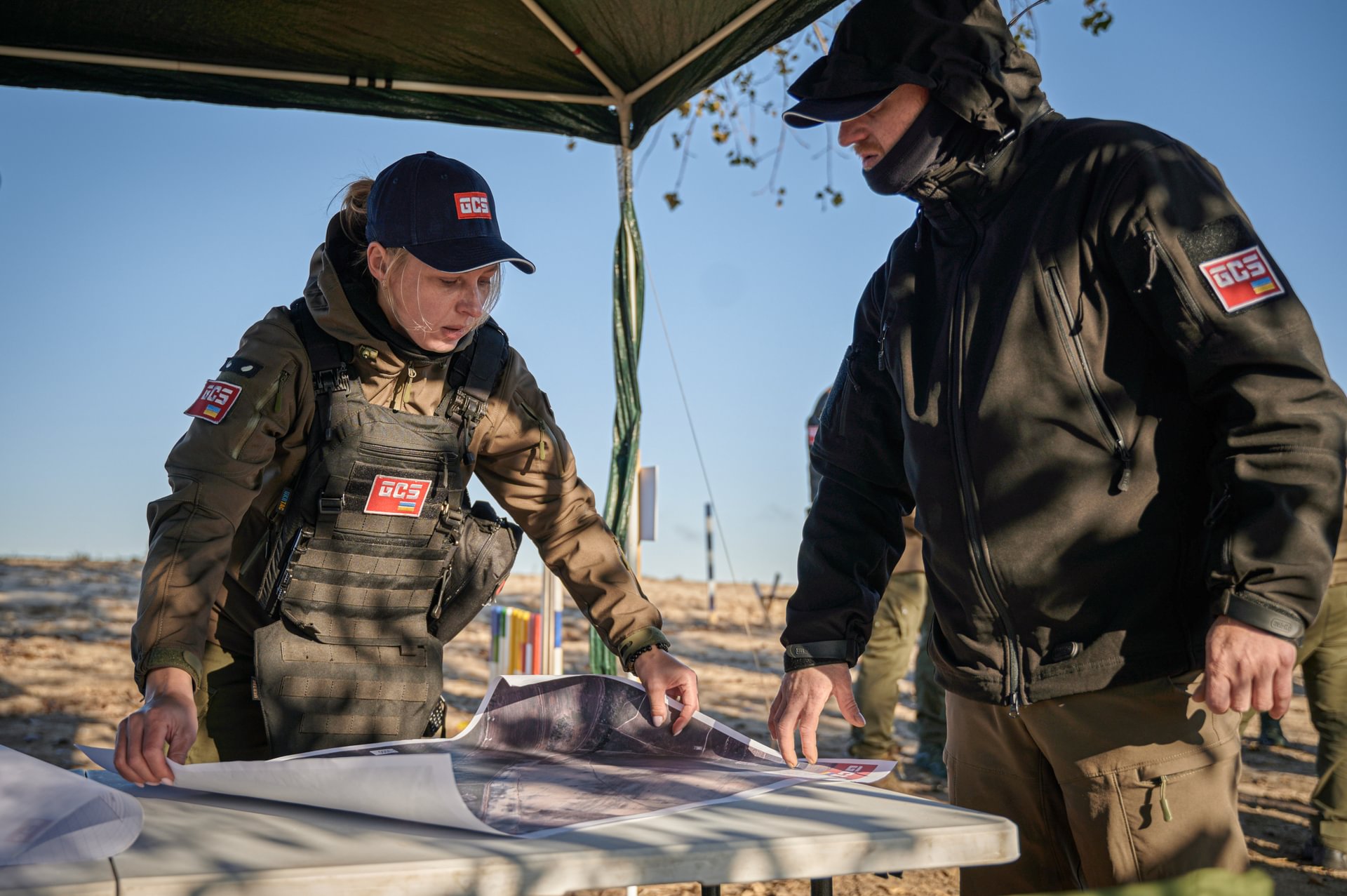
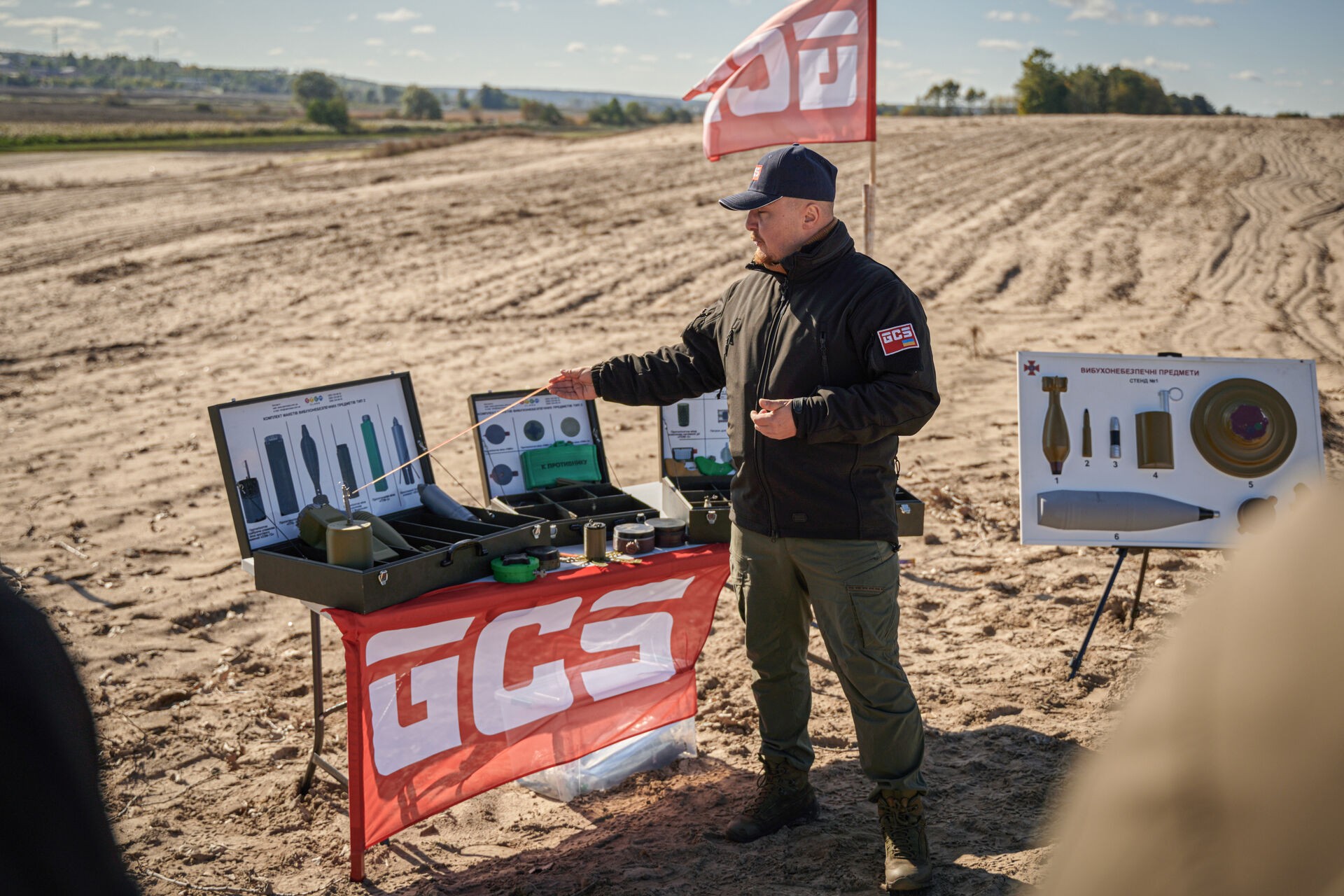
Operational experience from the field, across contexts and missions.
Operational experience from the field, across contexts and missions.
Operational experience from the field, across contexts and missions.
Operational experience from the field, across contexts and missions.
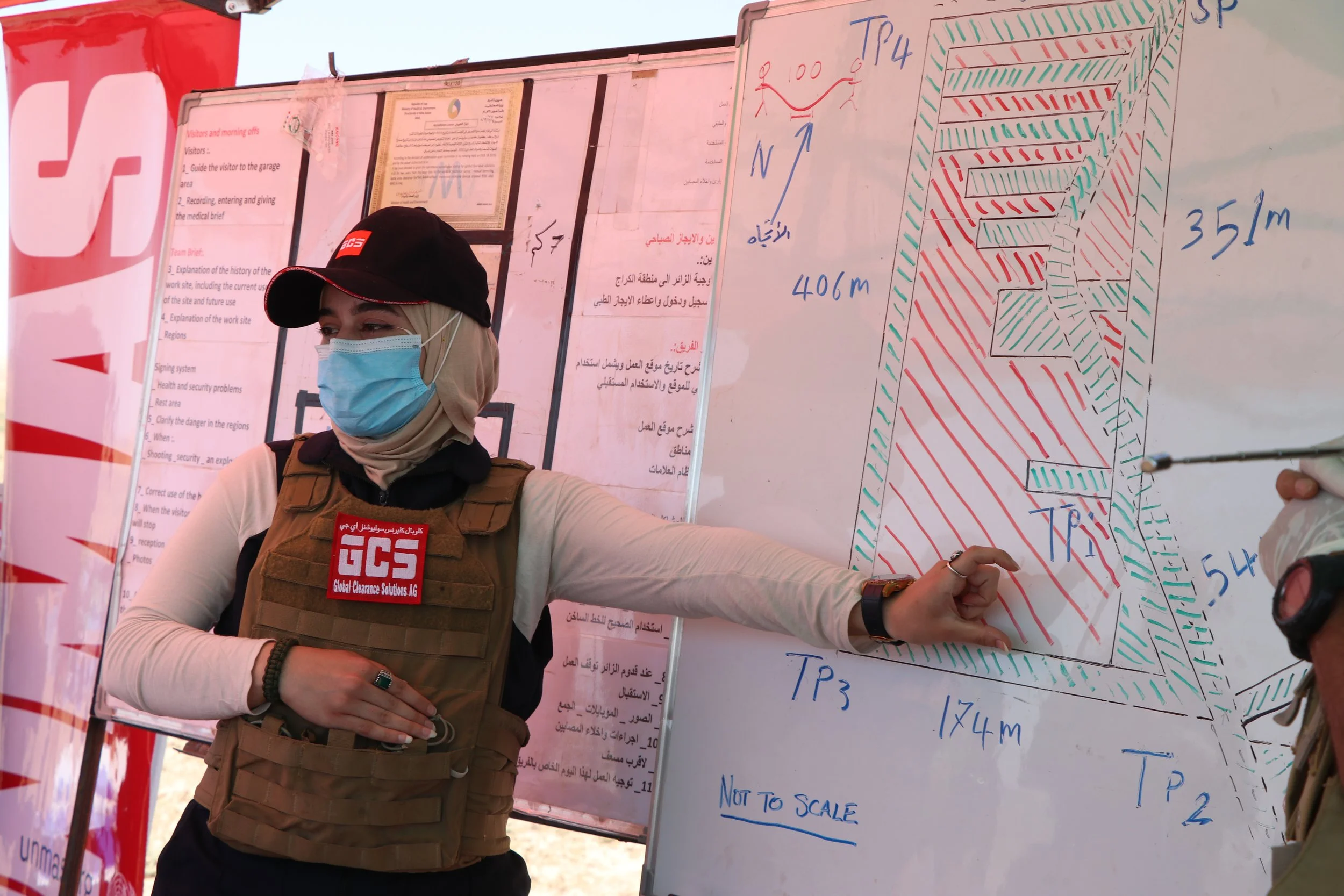
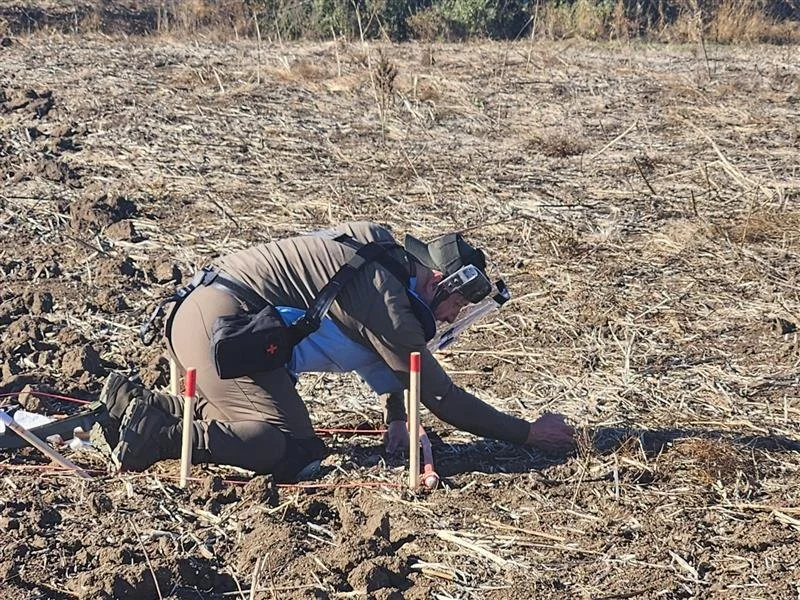
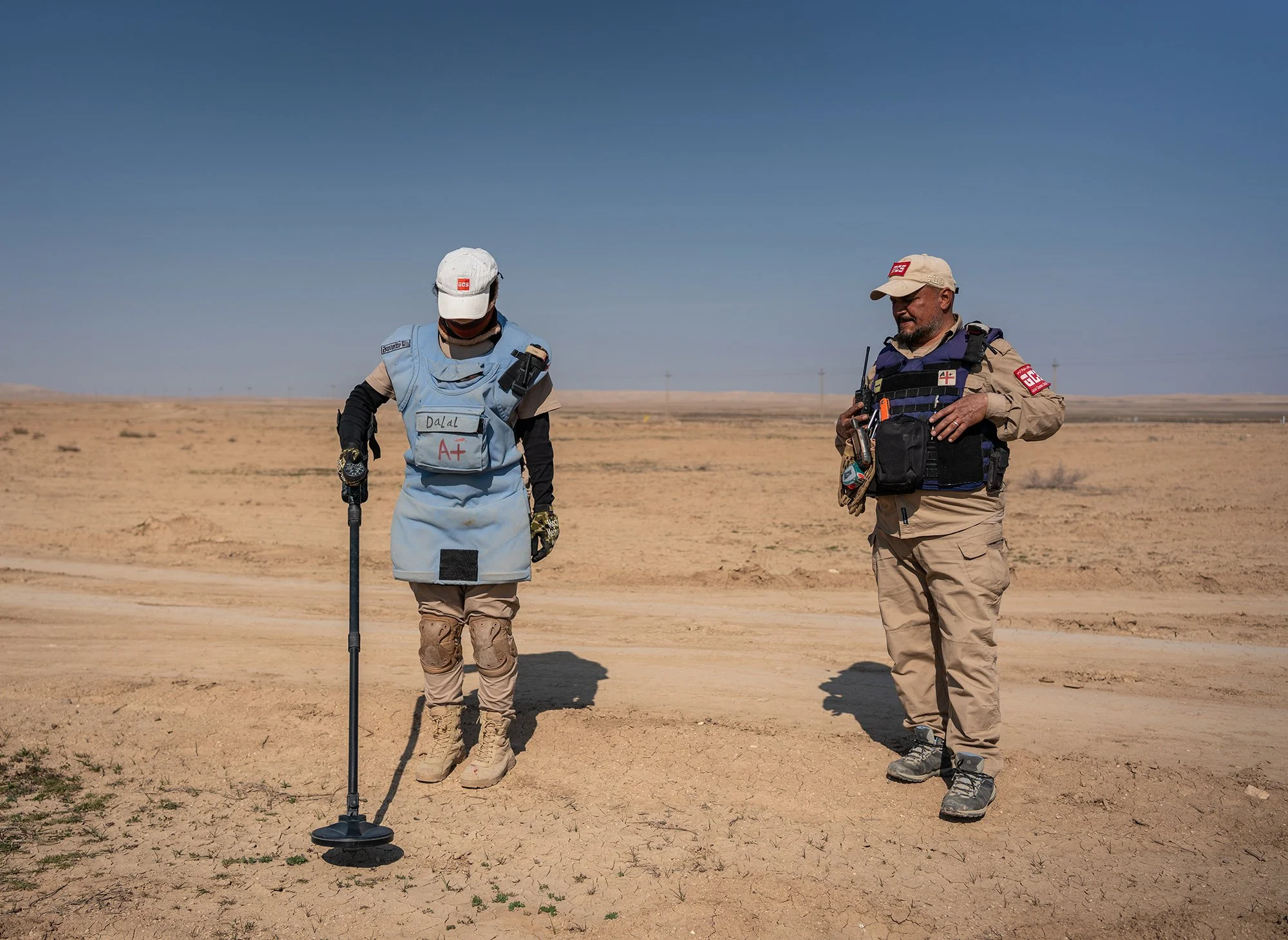
Discuss operational support for your project
GCS supports operational planning, training and field execution with services adapted to the project scope and local requirements.
Discuss operational support for your project
GCS supports operational planning, training and field execution with services adapted to the project scope and local requirements.
Discuss operational support for your project
GCS supports operational planning, training and field execution with services adapted to the project scope and local requirements.
Discuss operational support for your project
GCS supports operational planning, training and field execution with services adapted to the project scope and local requirements.
Disposal
Disposal
Disposal
Disposal
Safe and controlled destruction of explosive hazards to remove immediate risk and enable land release and recovery.