Training
Professional training and mentoring to build effective, sustainable explosive ordnance risk mitigation capability and capacity.
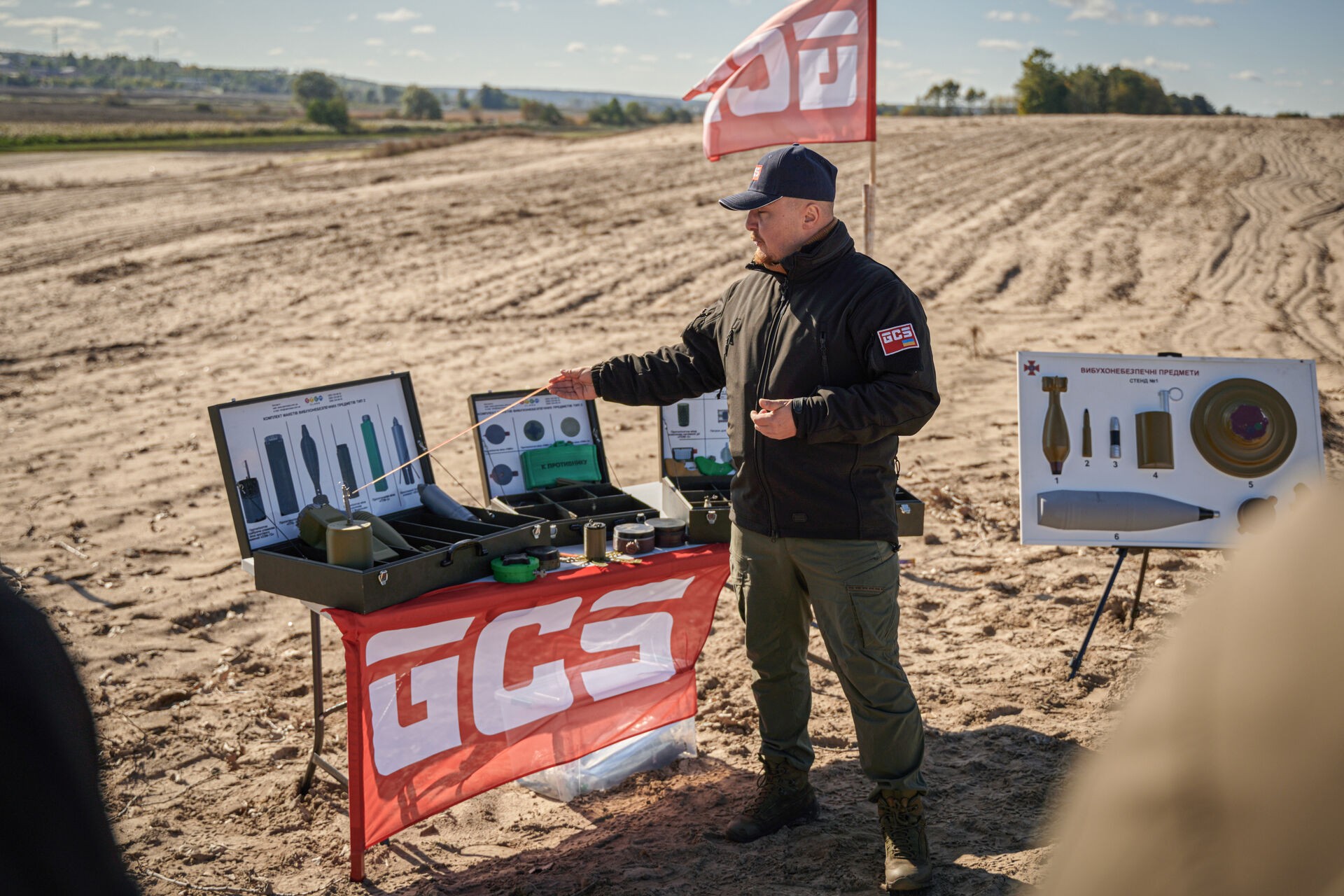
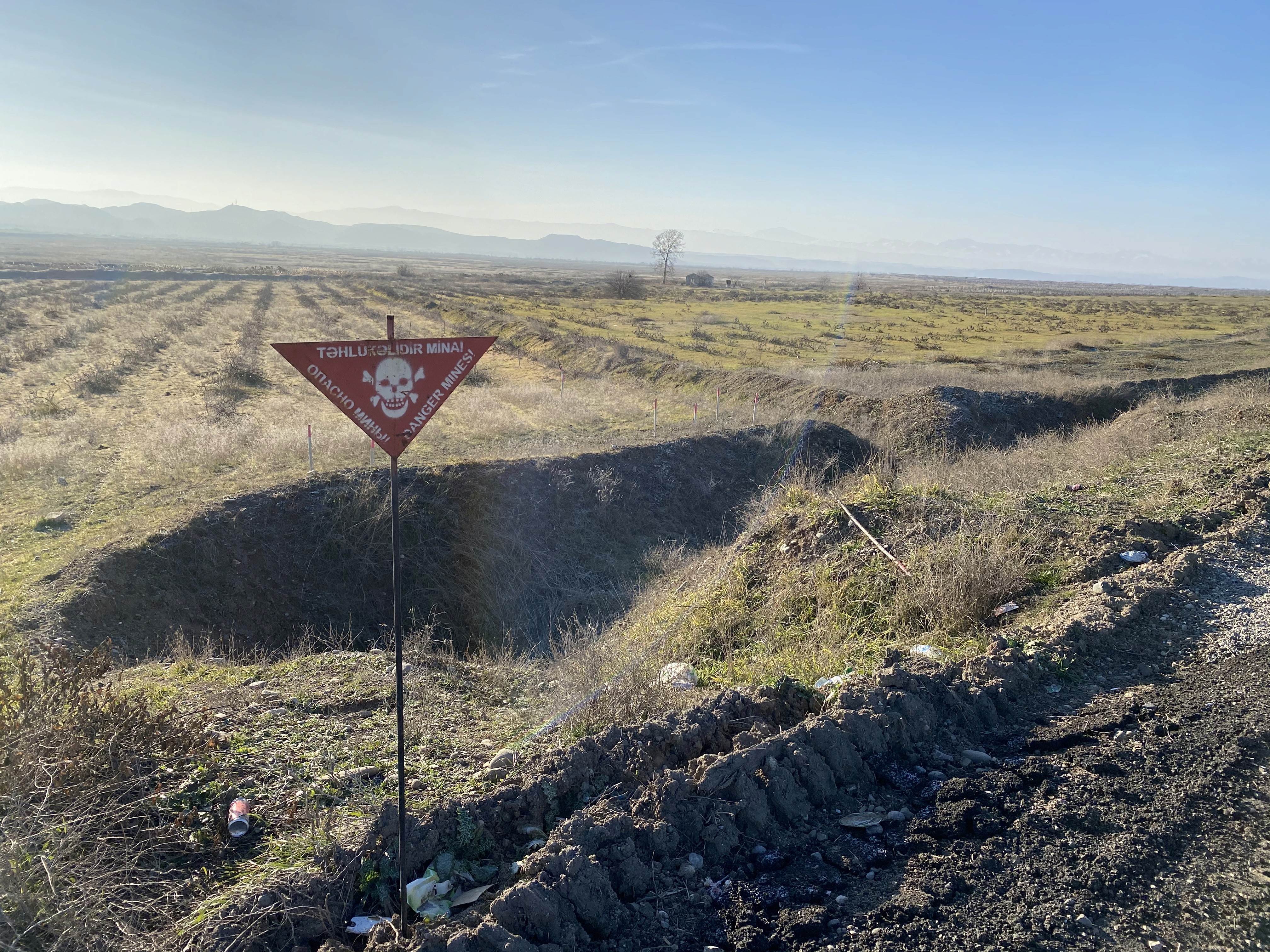
Operating in explosive contaminated environments requires more than equipment. It requires trained people, robust procedures and the ability to apply skills under operational pressure. Training prepares people to operate in environments affected by landmines and other EO hazards, supporting reliable performance under real operational conditions.
GCS provides structured training and mentoring programmes that prepare individuals and organisations for real-world survey, clearance, EOD-support and related operational tasks. Training is delivered by experienced international teams, aligned with recognised international standards and, where required, supported by operational mentoring to help translate training into effective field performance. The objective is to reduce operational risk, improve performance and support teams to operate independently under recognised standards and approved procedures.
Operating in explosive contaminated environments requires more than equipment. It requires trained people, robust procedures and the ability to apply skills under operational pressure. Training prepares people to operate in environments affected by landmines and other EO hazards, supporting reliable performance under real operational conditions.
GCS provides structured training and mentoring programmes that prepare individuals and organisations for real-world survey, clearance, EOD-support and related operational tasks. Training is delivered by experienced international teams, aligned with recognised international standards and, where required, supported by operational mentoring to help translate training into effective field performance. The objective is to reduce operational risk, improve performance and support teams to operate independently under recognised standards and approved procedures.
Operating in explosive contaminated environments requires more than equipment. It requires trained people, robust procedures and the ability to apply skills under operational pressure. Training prepares people to operate in environments affected by landmines and other EO hazards, supporting reliable performance under real operational conditions.
GCS provides structured training and mentoring programmes that prepare individuals and organisations for real-world survey, clearance, EOD-support and related operational tasks. Training is delivered by experienced international teams, aligned with recognised international standards and, where required, supported by operational mentoring to help translate training into effective field performance. The objective is to reduce operational risk, improve performance and support teams to operate independently under recognised standards and approved procedures.
Operating in explosive contaminated environments requires more than equipment. It requires trained people, robust procedures and the ability to apply skills under operational pressure. Training prepares people to operate in environments affected by landmines and other EO hazards, supporting reliable performance under real operational conditions.
GCS provides structured training and mentoring programmes that prepare individuals and organisations for real-world survey, clearance, EOD-support and related operational tasks. Training is delivered by experienced international teams, aligned with recognised international standards and, where required, supported by operational mentoring to help translate training into effective field performance. The objective is to reduce operational risk, improve performance and support teams to operate independently under recognised standards and approved procedures.
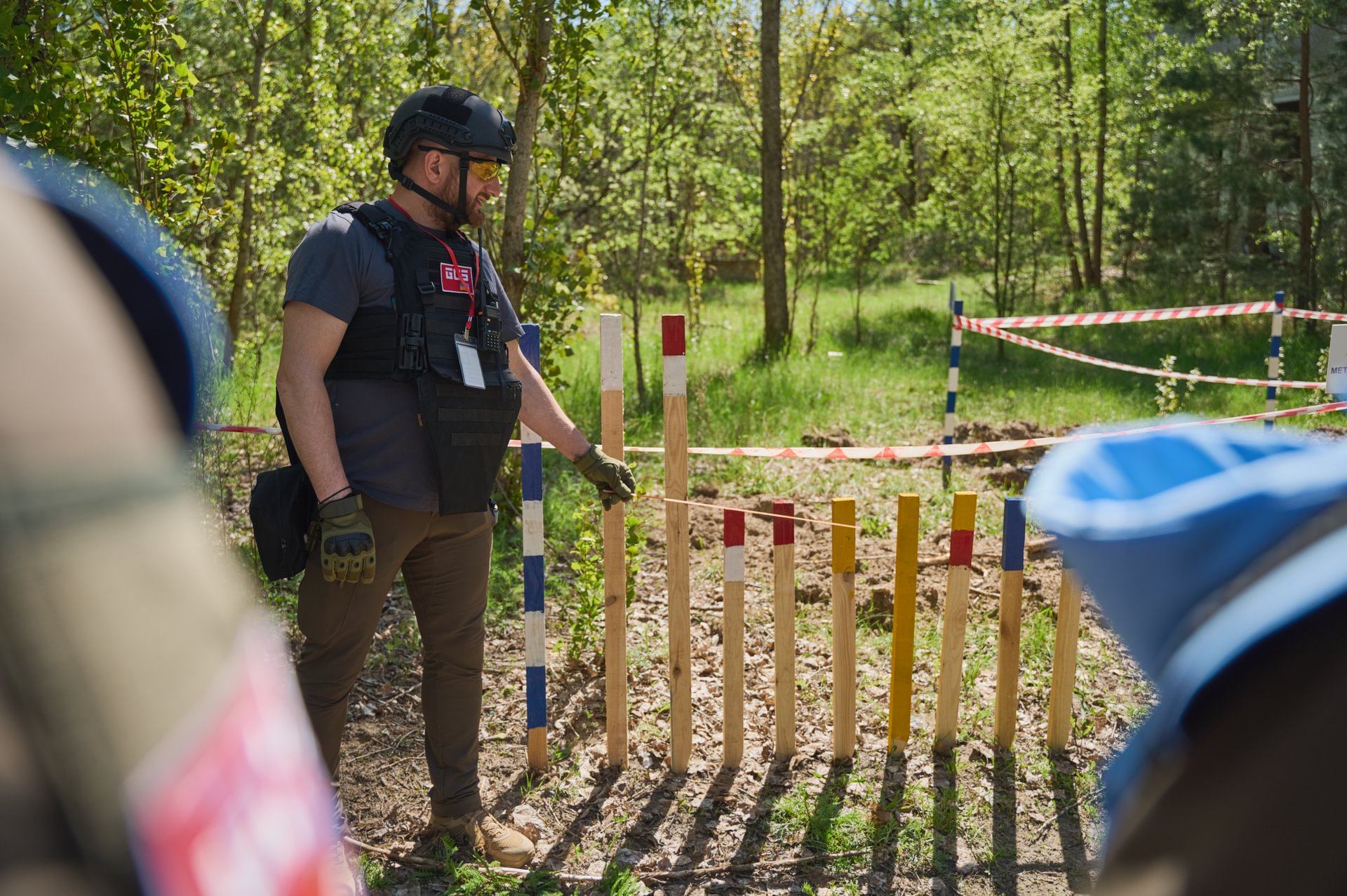
Training types
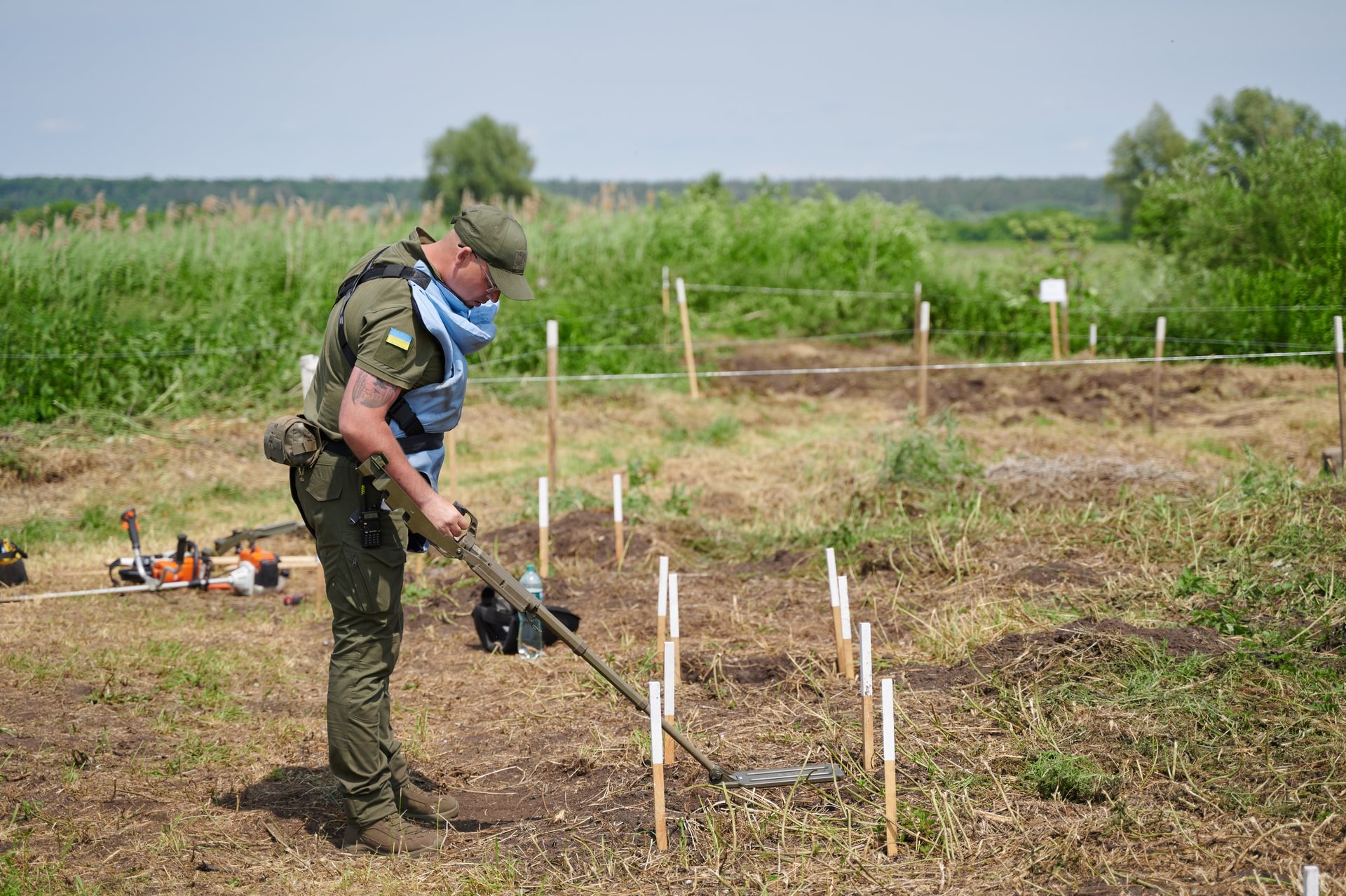
Explosive Ordnance Risk Mitigation Training
Training to build professional capability for the detection, clearance and disposal of explosive hazards across humanitarian, governmental and security contexts.
GCS Explosive Ordnance Risk Mitigation Training focuses on preparing teams to operate effectively in EO-contaminated environments. Training supports the development of technical skills, procedures and operational discipline required for survey, clearance, EOD-support, mechanical operations and related field activities. This training is designed to prepare teams not only for assessment and certification, but also for supervised transition into live operations where this forms part of the agreed scope.
Depending on programme scope and context, training can cover:
Non-intrusive survey
Land release principles, community liaison, data collection, hazard mapping and reporting to support evidence-based decision-making.Manual mine clearance
Use of detectors and PPE, marking and lane discipline, operational control, quality management and documentation.Explosive Ordnance Disposal (EOD)
Identification of explosive ordnance, risk assessment, render‑safe procedures, demolition techniques and incident response, aligned with International Mine Action Standards (IMAS) EOD levels.Mechanical operations
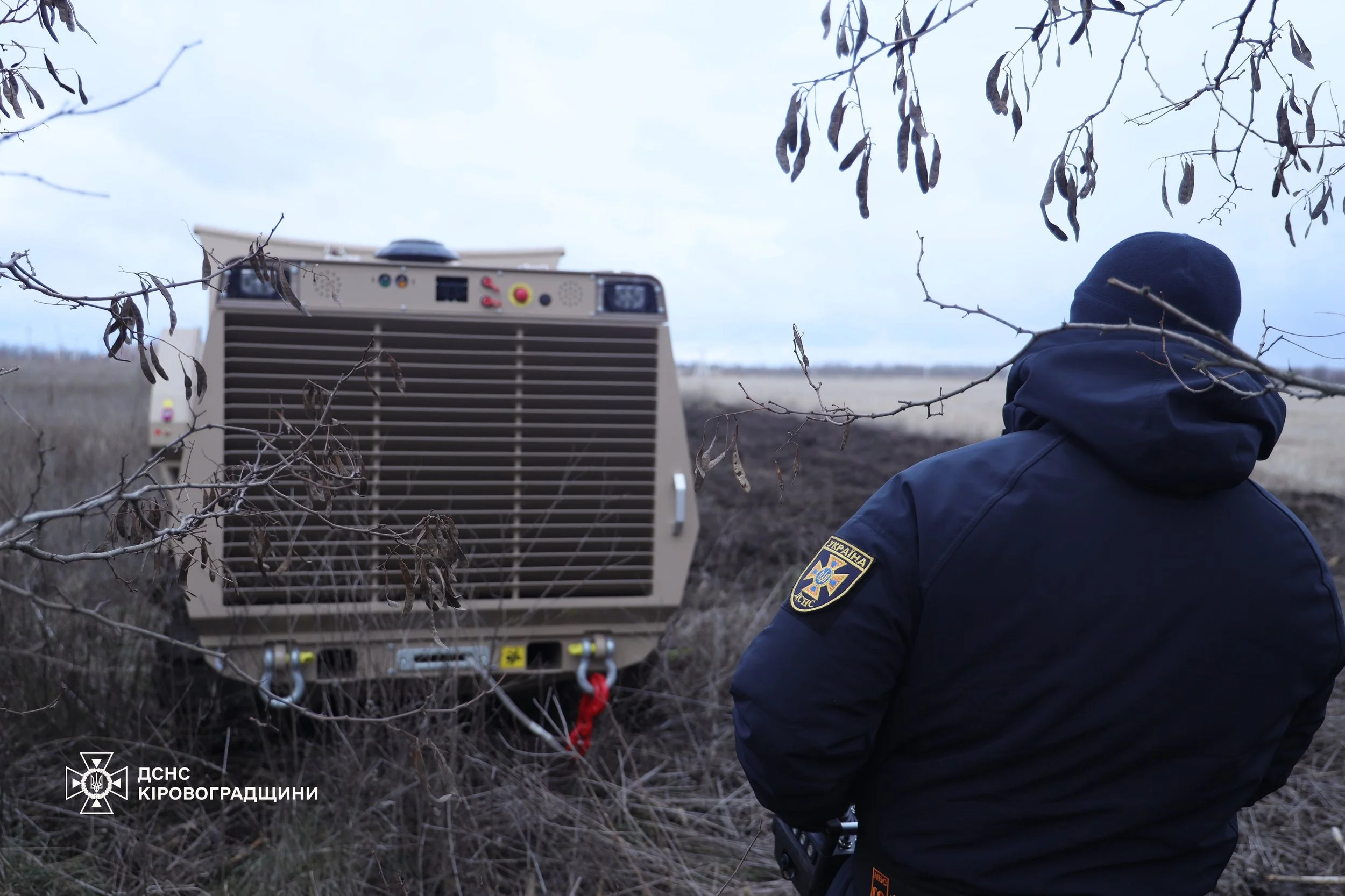
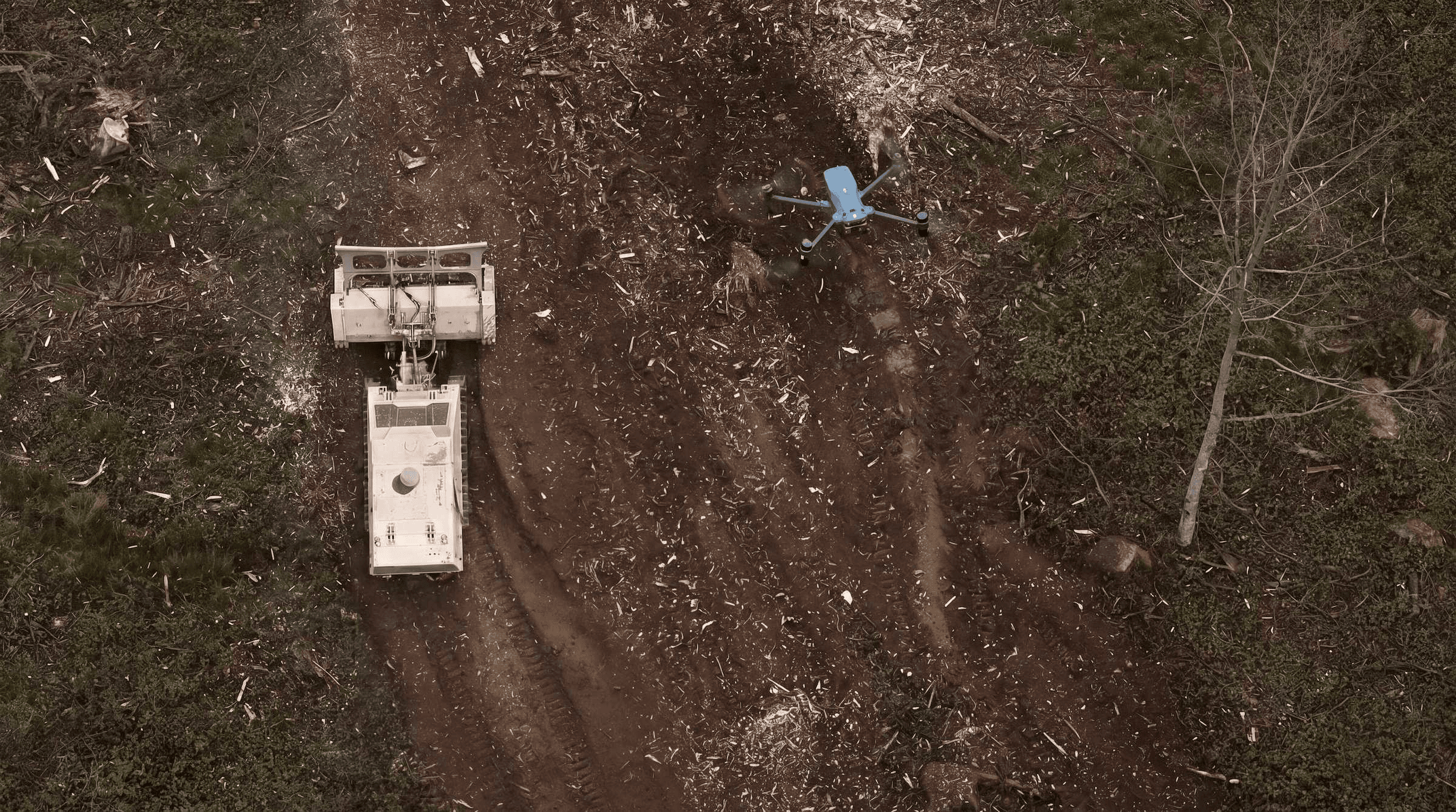
Specialised training is provided for the operation, maintenance and integration of mechanical assets within land release and clearance-support operations. This includes operator training for remote-controlled platforms and attachments such as flails and tillers, integrated with approved clearance workflows.Operational safety, quality management and task-site management.
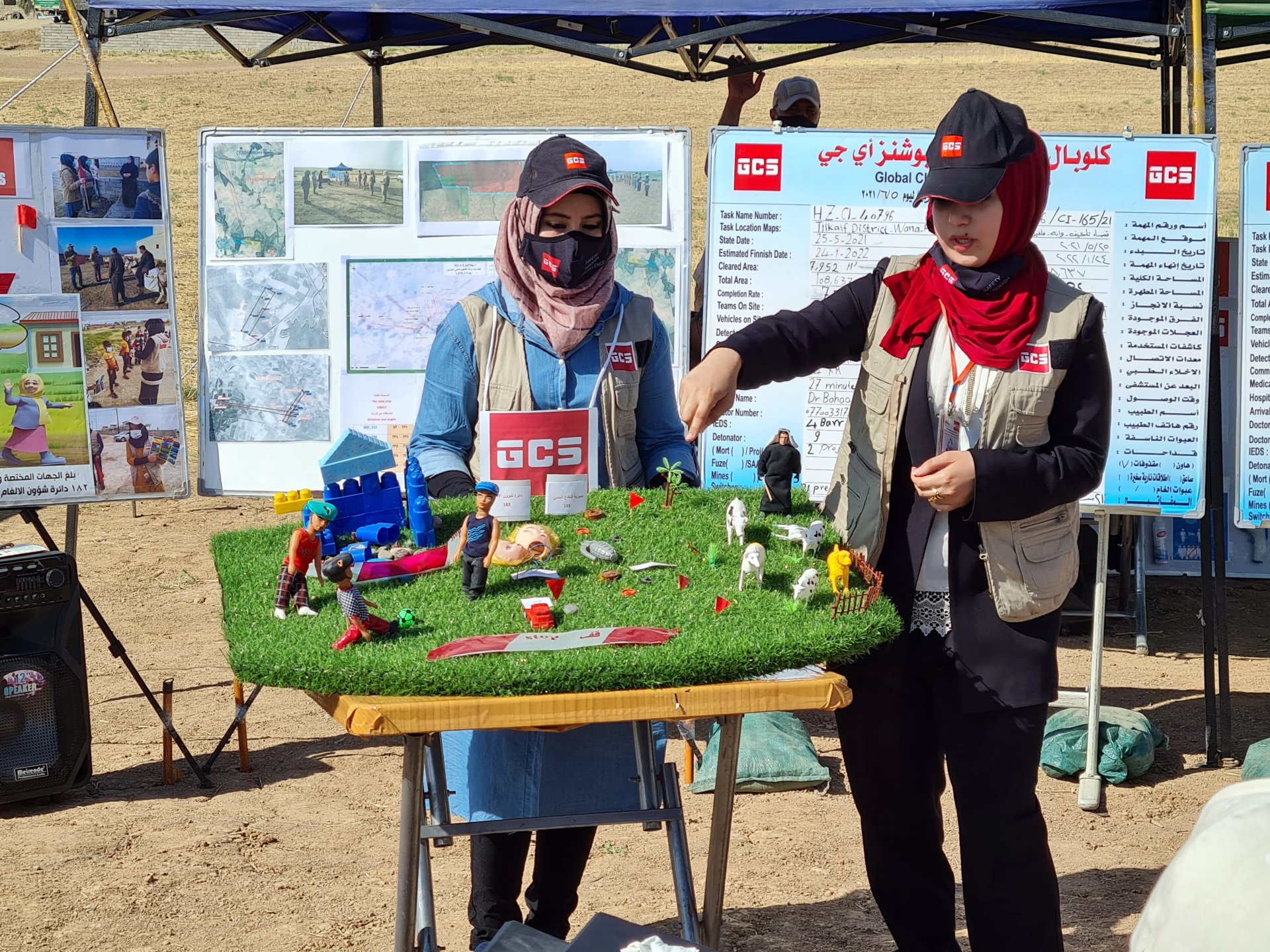
Explosive Ordnance Risk Education (EORE) Training
Training to reduce civilian harm through awareness, reporting and risk‑informed behaviour.
EORE Training is focused on preventing accidents and reducing exposure to explosive hazards in affected communities. It complements survey and clearance activities by addressing risk at the civilian and institutional level.
EORE Training can cover:
Community awareness sessions Risk education tailored to local threats, daily activities and living conditions.
PEAR (Provincial Explosive Awareness & Reporting) Training for municipal leaders, first responders and local authorities to improve reporting and coordination.
Context‑specific materials Adaptation to language, culture and threat environment to ensure relevance and understanding.
Integration with local institutions Support for community‑led risk management through civil and municipal structures.
Availability depends on operational context, national requirements and agreed scope of work.
Built for operational deployment
01
Capability‑driven training design
Training is organised around operational capability rather than theory alone. Programmes are structured to support task execution, decision-making and teamwork in realistic clearance environments.
02
Blended learning approach
Training combines classroom instruction with practical field exercises. Scenario-based workshops and task-site mentoring help ensure that theory is applied under realistic conditions.
03
International standards & quality focus
Training is aligned with applicable international standards such as IMAS, supported by GCS SOPs, Training Management Plans (TMPs) and embedded quality management processes.
04
Assessment & certification
Training programmes include structured assessment and certification processes. Certification is based on demonstrated competence and supported by quality management throughout training. Where included, mentoring supports gradual handover to national leadership.
05
Mentoring beyond the classroom
Training does not stop at certification where follow‑on mentoring is part of the agreed scope. GCS can integrate experienced mentors into early operational phases to support teams transitioning to live survey, clearance, EOD support and related field tasks. This approach reinforces controlled working practices.
06
Context‑specific & adaptable delivery
Training content, materials and delivery methods are adapted to the local threat environment, operational context, language and organisational structure. This includes adaptation for humanitarian mine action, governmental clearance programmes and security‑related operations, without mixing contexts.
Built for operational deployment
01
Capability‑driven training design
Training is organised around operational capability rather than theory alone. Programmes are structured to support task execution, decision-making and teamwork in realistic clearance environments.
02
Blended learning approach
Training combines classroom instruction with practical field exercises. Scenario-based workshops and task-site mentoring help ensure that theory is applied under realistic conditions.
03
International standards & quality focus
Training is aligned with applicable international standards such as IMAS, supported by GCS SOPs, Training Management Plans (TMPs) and embedded quality management processes.
04
Assessment & certification
Training programmes include structured assessment and certification processes. Certification is based on demonstrated competence and supported by quality management throughout training. Where included, mentoring supports gradual handover to national leadership.
05
Mentoring beyond the classroom
Training does not stop at certification where follow‑on mentoring is part of the agreed scope. GCS can integrate experienced mentors into early operational phases to support teams transitioning to live survey, clearance, EOD support and related field tasks. This approach reinforces controlled working practices.
06
Context‑specific & adaptable delivery
Training content, materials and delivery methods are adapted to the local threat environment, operational context, language and organisational structure. This includes adaptation for humanitarian mine action, governmental clearance programmes and security‑related operations, without mixing contexts.
Built for operational deployment
01
Capability‑driven training design
Training is organised around operational capability rather than theory alone. Programmes are structured to support task execution, decision-making and teamwork in realistic clearance environments.
02
Blended learning approach
Training combines classroom instruction with practical field exercises. Scenario-based workshops and task-site mentoring help ensure that theory is applied under realistic conditions.
03
International standards & quality focus
Training is aligned with applicable international standards such as IMAS, supported by GCS SOPs, Training Management Plans (TMPs) and embedded quality management processes.
04
Assessment & certification
Training programmes include structured assessment and certification processes. Certification is based on demonstrated competence and supported by quality management throughout training. Where included, mentoring supports gradual handover to national leadership.
05
Mentoring beyond the classroom
Training does not stop at certification where follow‑on mentoring is part of the agreed scope. GCS can integrate experienced mentors into early operational phases to support teams transitioning to live survey, clearance, EOD support and related field tasks. This approach reinforces controlled working practices.
06
Context‑specific & adaptable delivery
Training content, materials and delivery methods are adapted to the local threat environment, operational context, language and organisational structure. This includes adaptation for humanitarian mine action, governmental clearance programmes and security‑related operations, without mixing contexts.
Built for operational deployment
01
Capability‑driven training design
Training is organised around operational capability rather than theory alone. Programmes are structured to support task execution, decision-making and teamwork in realistic clearance environments.
02
Blended learning approach
Training combines classroom instruction with practical field exercises. Scenario-based workshops and task-site mentoring help ensure that theory is applied under realistic conditions.
03
International standards & quality focus
Training is aligned with applicable international standards such as IMAS, supported by GCS SOPs, Training Management Plans (TMPs) and embedded quality management processes.
04
Assessment & certification
Training programmes include structured assessment and certification processes. Certification is based on demonstrated competence and supported by quality management throughout training. Where included, mentoring supports gradual handover to national leadership.
05
Mentoring beyond the classroom
Training does not stop at certification where follow‑on mentoring is part of the agreed scope. GCS can integrate experienced mentors into early operational phases to support teams transitioning to live survey, clearance, EOD support and related field tasks. This approach reinforces controlled working practices.
06
Context‑specific & adaptable delivery
Training content, materials and delivery methods are adapted to the local threat environment, operational context, language and organisational structure. This includes adaptation for humanitarian mine action, governmental clearance programmes and security‑related operations, without mixing contexts.
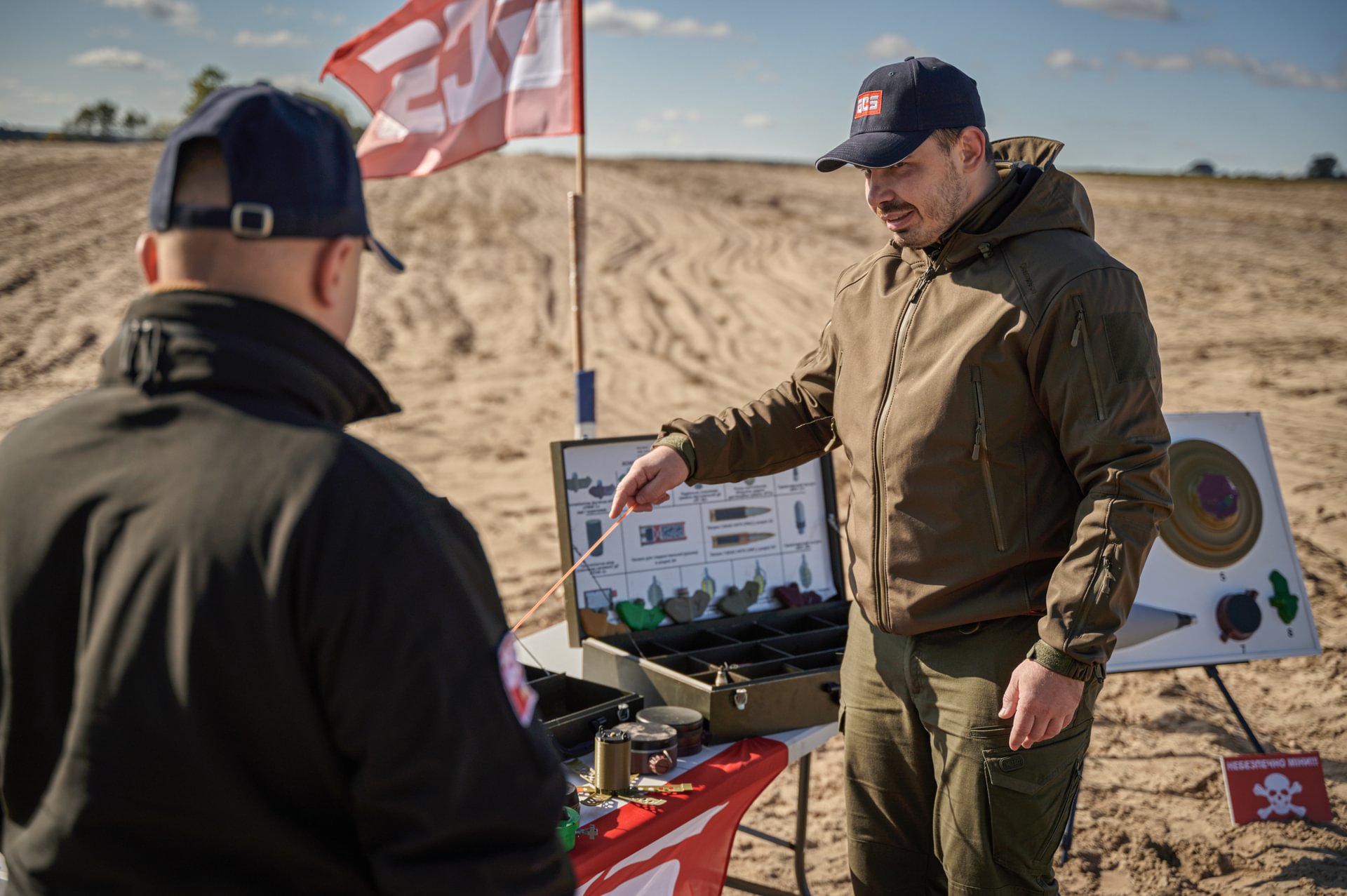
How this fits in Operations & Field Service
Operations & Field Service brings together the activities required to reduce explosive risk in the field. Survey, Clearance, Disposal and Training are delivered as integrated services, rather than as isolated tasks. Each supports the others to ensure that operations are safe, proportionate and aligned with the operational context. Together, they enable informed decision‑making, effective task execution and sustainable handover.
How this fits in Operations & Field Service
Operations & Field Service brings together the activities required to reduce explosive risk in the field. Survey, Clearance, Disposal and Training are delivered as integrated services, rather than as isolated tasks. Each supports the others to ensure that operations are safe, proportionate and aligned with the operational context. Together, they enable informed decision‑making, effective task execution and sustainable handover.
How this fits in Operations & Field Service
Operations & Field Service brings together the activities required to reduce explosive risk in the field. Survey, Clearance, Disposal and Training are delivered as integrated services, rather than as isolated tasks. Each supports the others to ensure that operations are safe, proportionate and aligned with the operational context. Together, they enable informed decision‑making, effective task execution and sustainable handover.
How this fits in Operations & Field Service
Operations & Field Service brings together the activities required to reduce explosive risk in the field. Survey, Clearance, Disposal and Training are delivered as integrated services, rather than as isolated tasks. Each supports the others to ensure that operations are safe, proportionate and aligned with the operational context. Together, they enable informed decision‑making, effective task execution and sustainable handover.
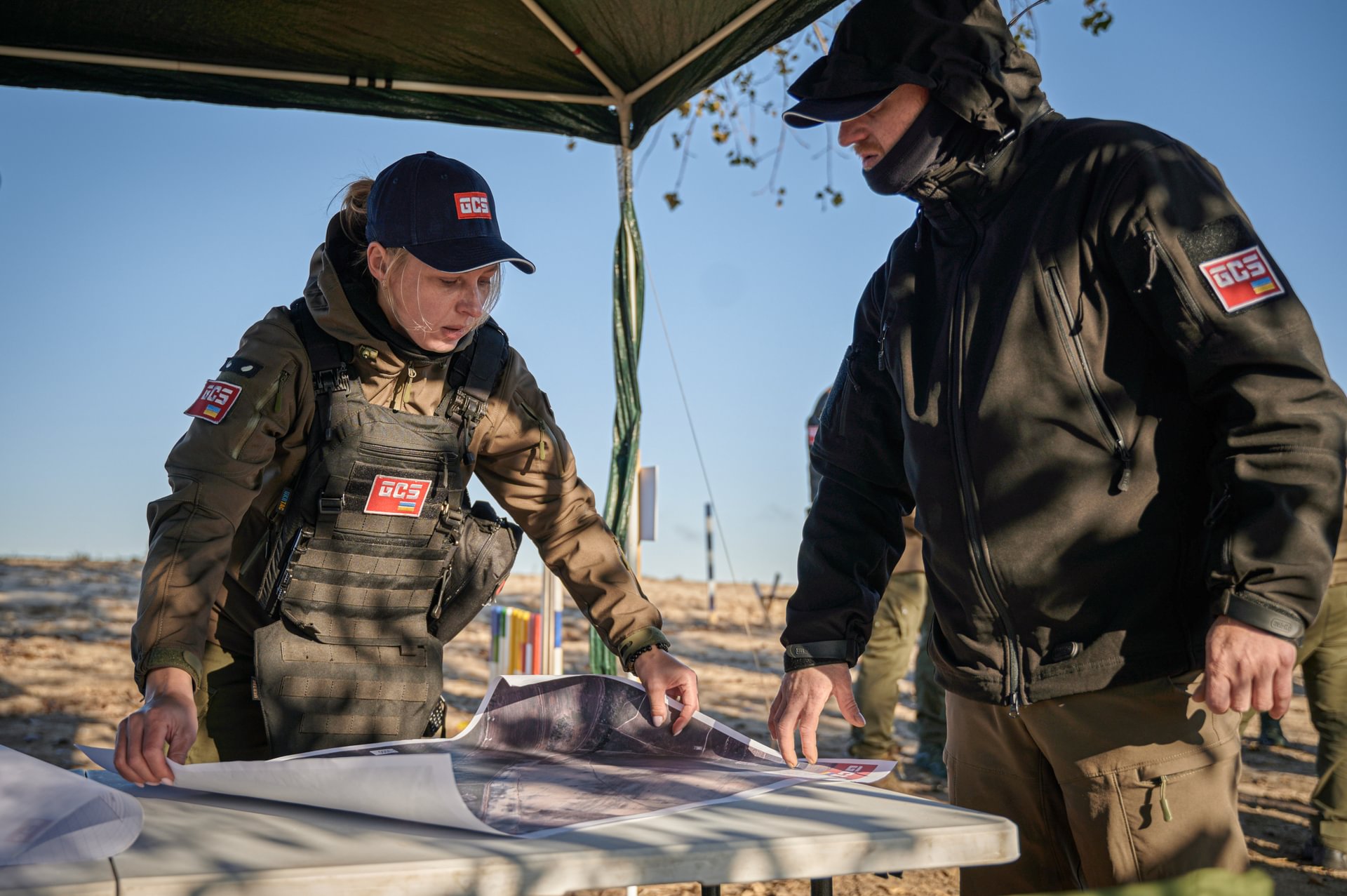
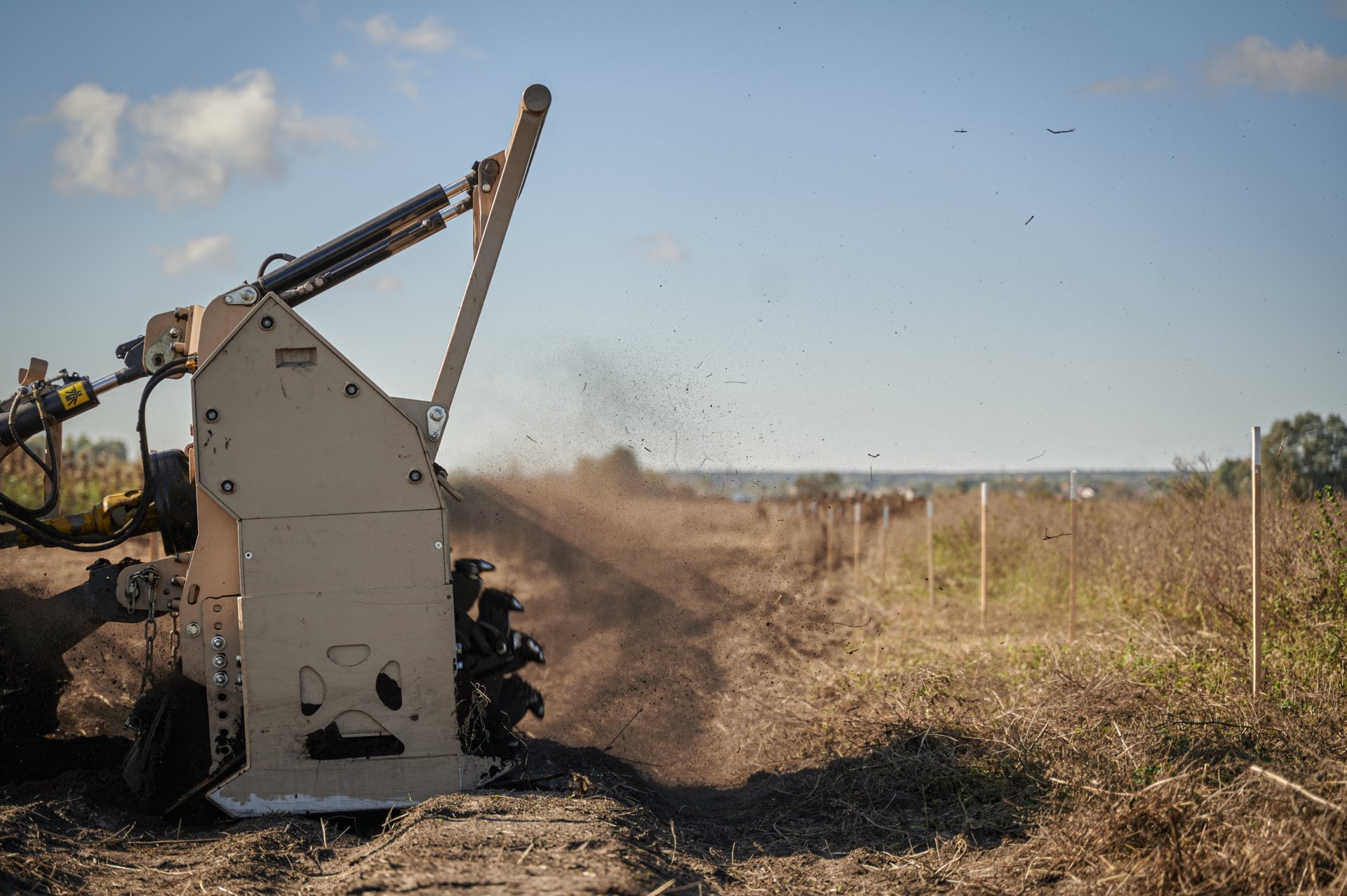
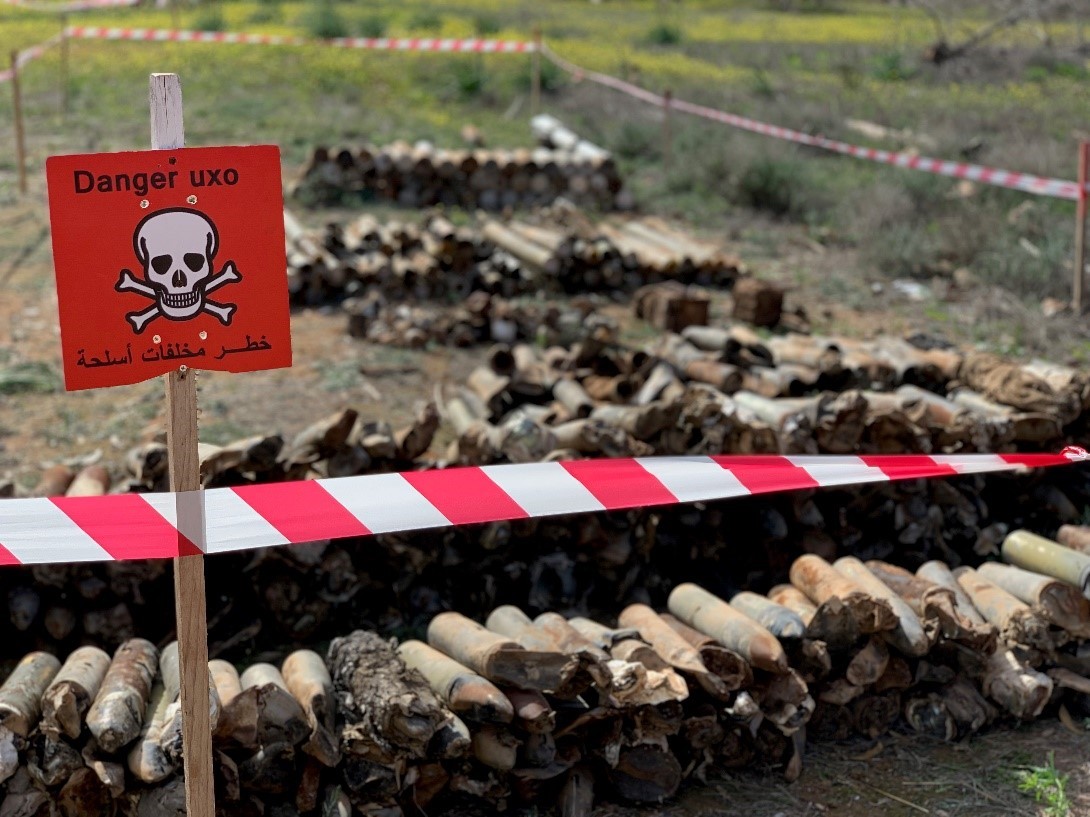
Operational experience from the field, across contexts and missions.
Operational experience from the field, across contexts and missions.
Operational experience from the field, across contexts and missions.
Operational experience from the field, across contexts and missions.

Discuss operational support for your project
GCS supports operational planning, training and field execution with services adapted to the project scope and local requirements.
Discuss operational support for your project
GCS supports operational planning, training and field execution with services adapted to the project scope and local requirements.
Discuss operational support for your project
GCS supports operational planning, training and field execution with services adapted to the project scope and local requirements.
Discuss operational support for your project
GCS supports operational planning, training and field execution with services adapted to the project scope and local requirements.
Training
Training
Training
Training
Professional training and mentoring to build effective, sustainable explosive ordnance risk mitigation capability and capacity.