Libya remains affected by widespread explosive remnants of war (ERW), unexploded ordnance (UXO) and other explosive hazards following successive conflicts since 2011. Contamination continues to pose a serious risk to civilians, restrict humanitarian access and impede the recovery of critical infrastructure, particularly around former military sites and urban areas.
GCS supports explosive‑threat mitigation in Libya through the deployment of EOD expertise, mechanical systems, training and sustained technical field support, adapted to a volatile and high‑risk operating environment and delivered in cooperation with national authorities and local partners.
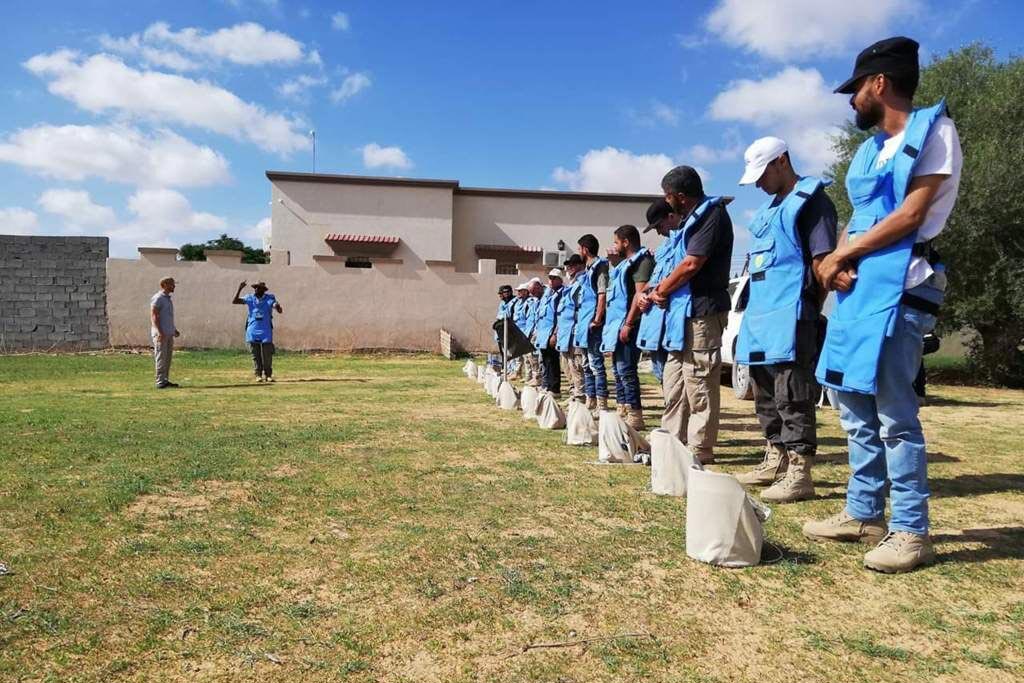
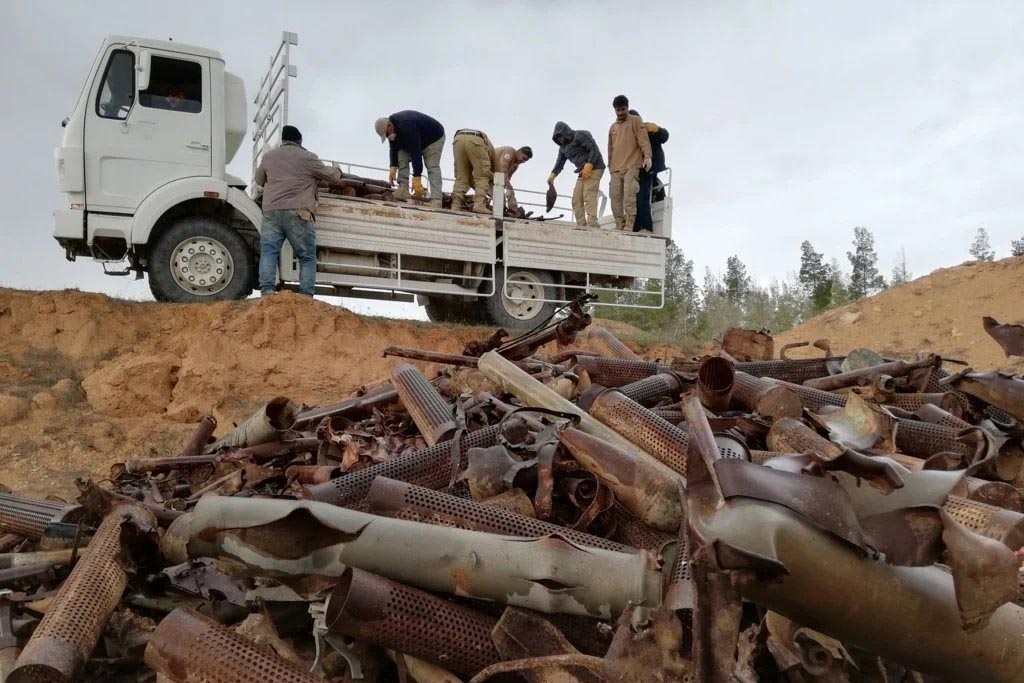
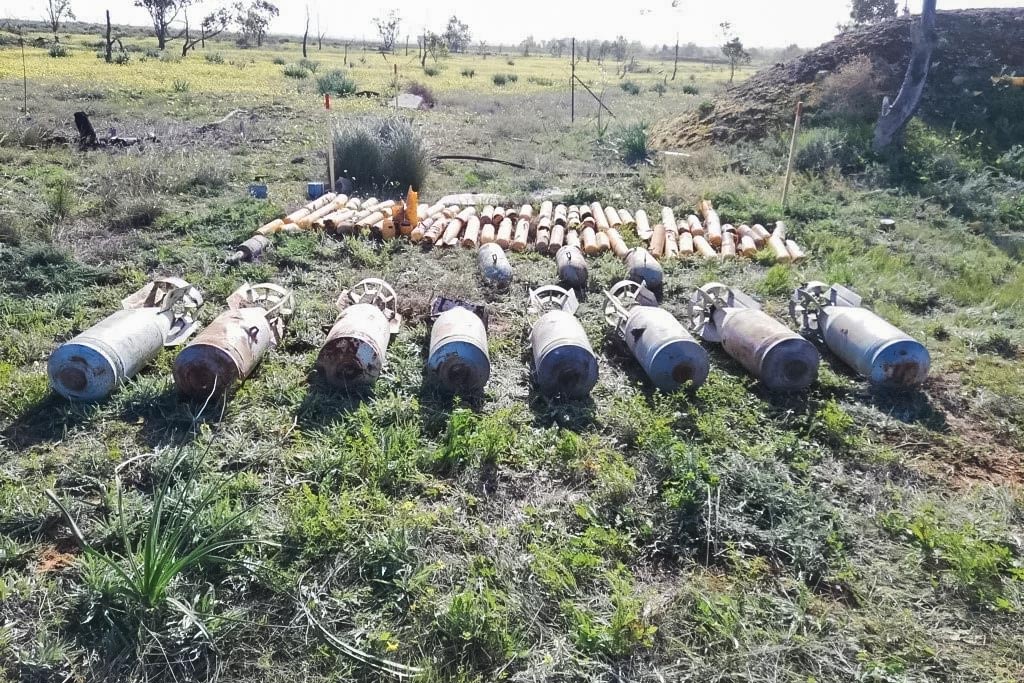
GCS has been operationally active in Libya in the past, supporting humanitarian and UN‑mandated explosive‑hazard clearance activities. Engagements have focused on the collection, processing and destruction of large volumes of ERW, combined with training and technical assistance for local teams.
Operations have been conducted in line with Libyan Mine Action Standards (LibMAS) and in coordination with the Libyan Mine Action Centre (LibMAC), ensuring compliance with national accreditation and safety requirements.
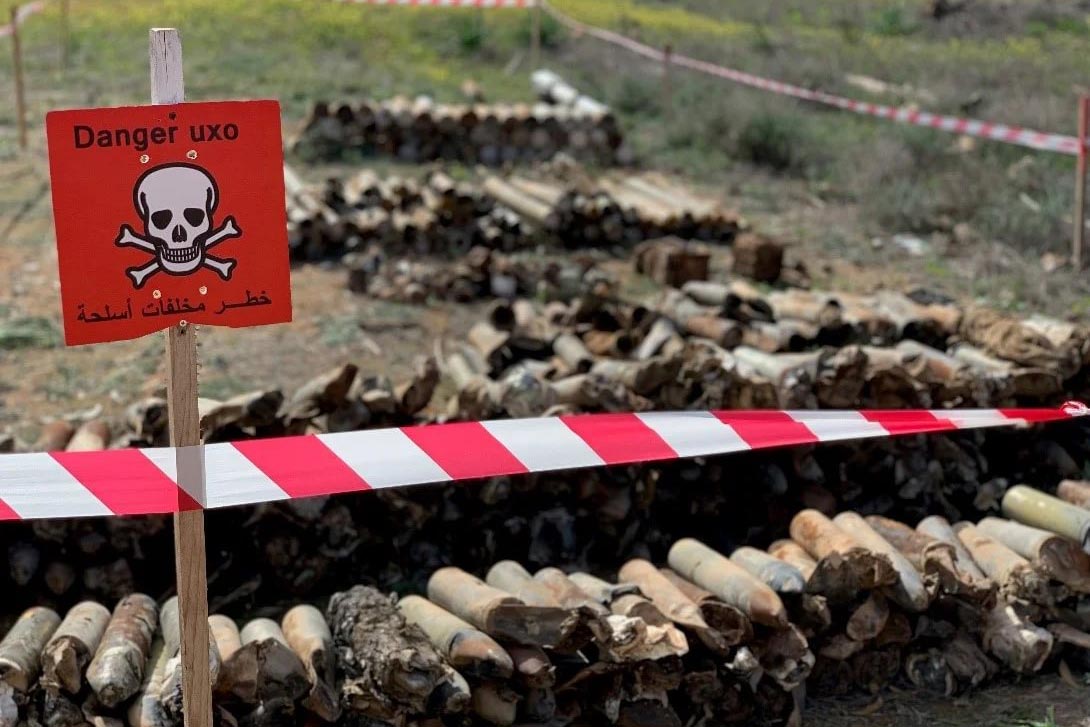
ERW clearance and bulk destruction in Misrata
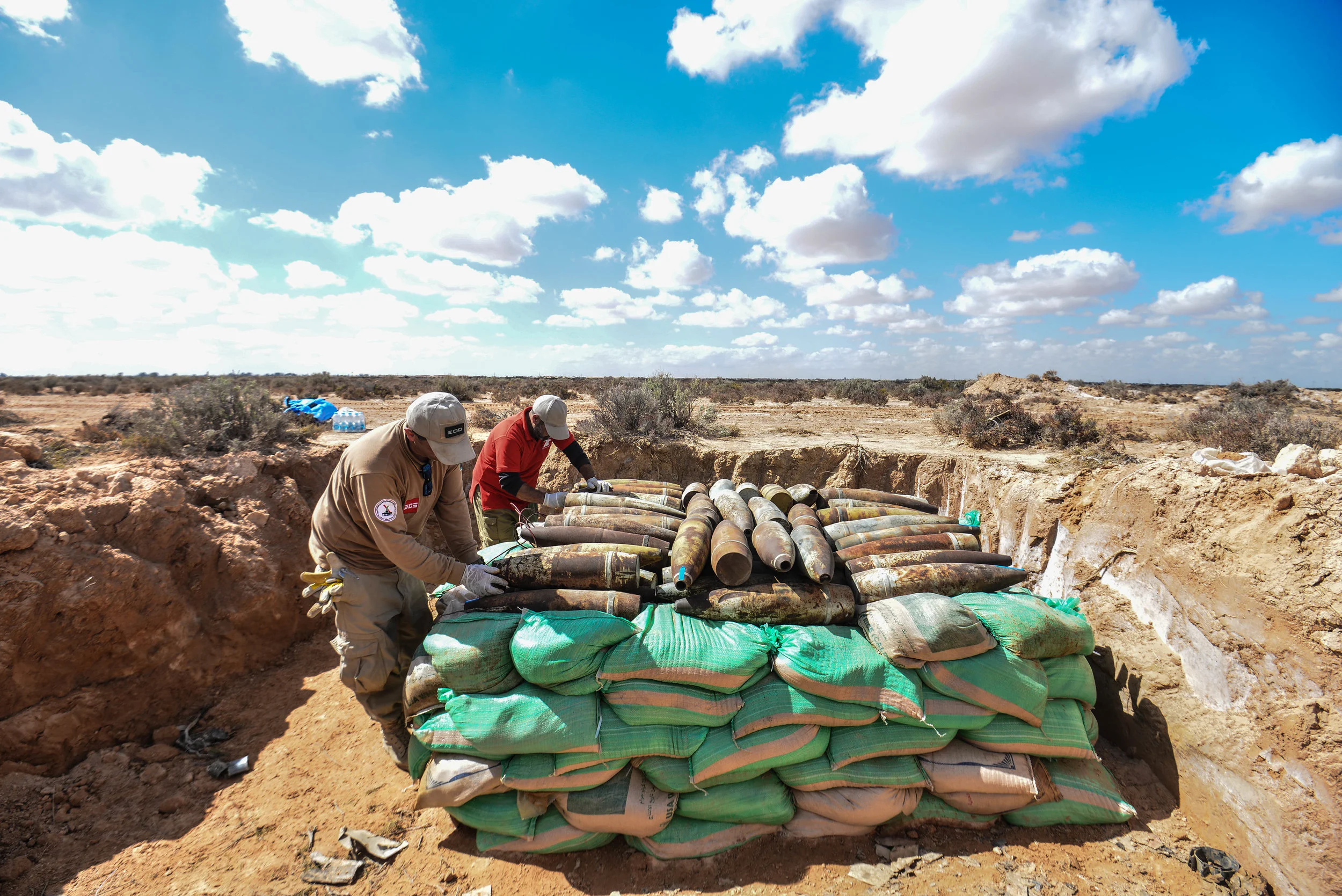
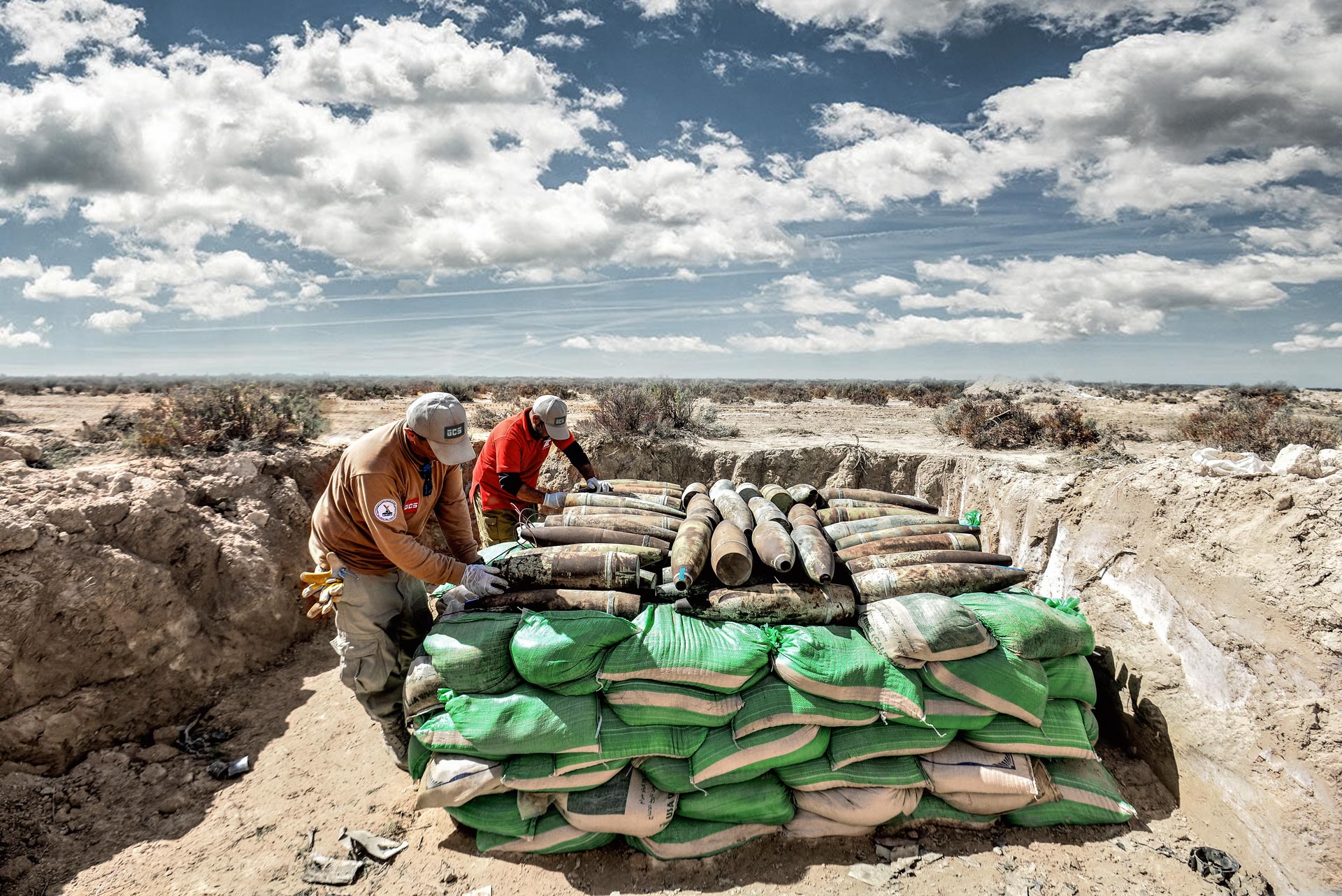
As part of the UNOPS project Explosive Remnant of War Destruction in Misrata, GCS supported the clearance of a heavily contaminated ammunition storage area on a military airbase, where multiple bunkers had been destroyed during airstrikes in 2011, resulting in dense and unstable contamination.
GCS supported the operation with EOD specialists and the deployment of the GCS‑100 remotely controlled platform, enabling safer handling and movement of unstable explosive items in hazardous conditions. By March 2019, more than 200 tonnes of ERW and scrap metal had been collected, with bulk demolitions conducted in close coordination with local authorities.
Integration of mechanical assets into EOD operations
The GCS‑100 was deployed as a risk‑reduction tool within EOD workflows rather than as a replacement for manual methods. Its remote operation reduced personnel exposure during ERW handling, sorting and preparation for demolition, particularly when working with large and damaged munitions.
Support included operator and mechanic training, system familiarisation and on‑site technical assistance, enabling local teams to safely integrate mechanical support into ongoing clearance tasks.
Capacity building and local partnership
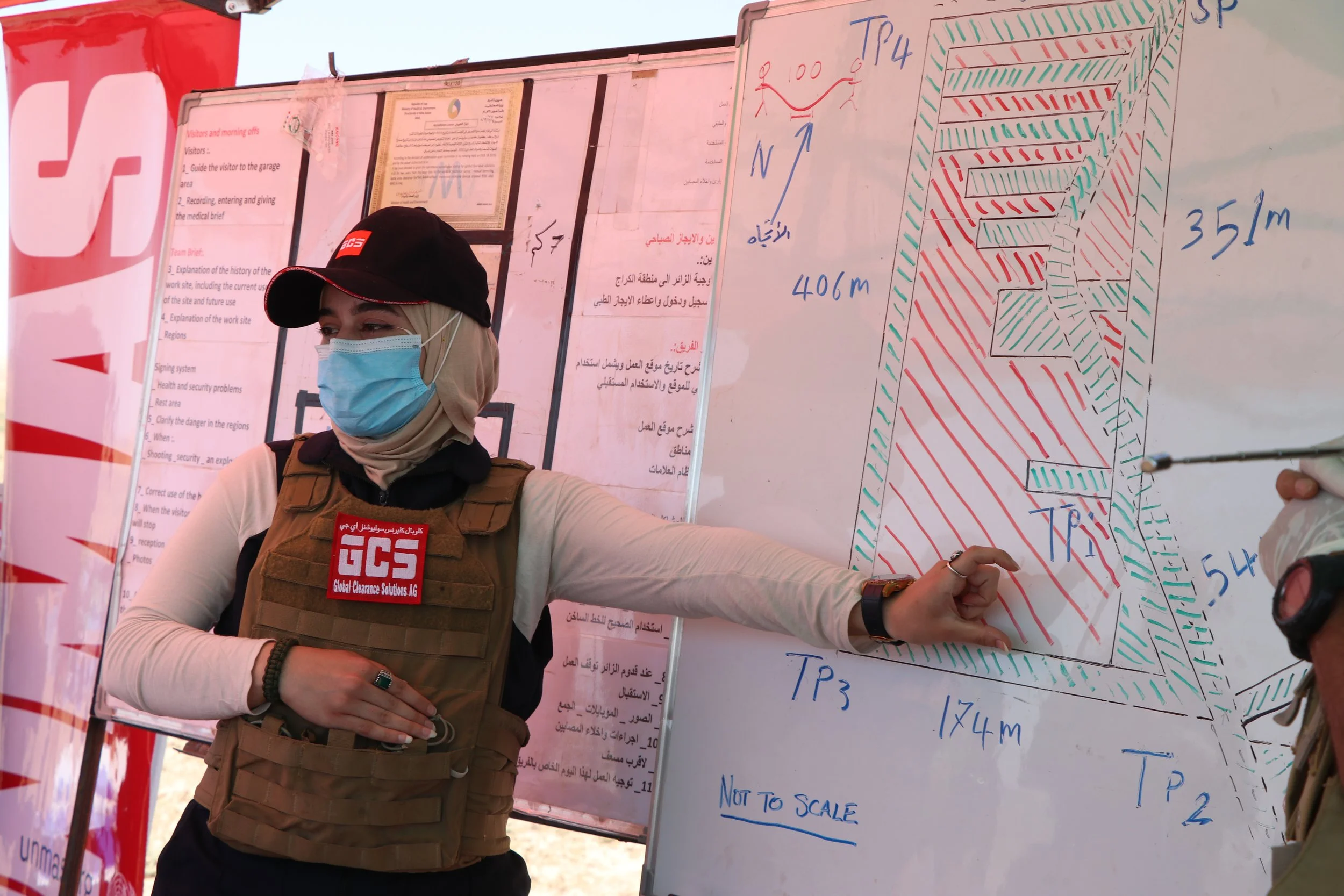
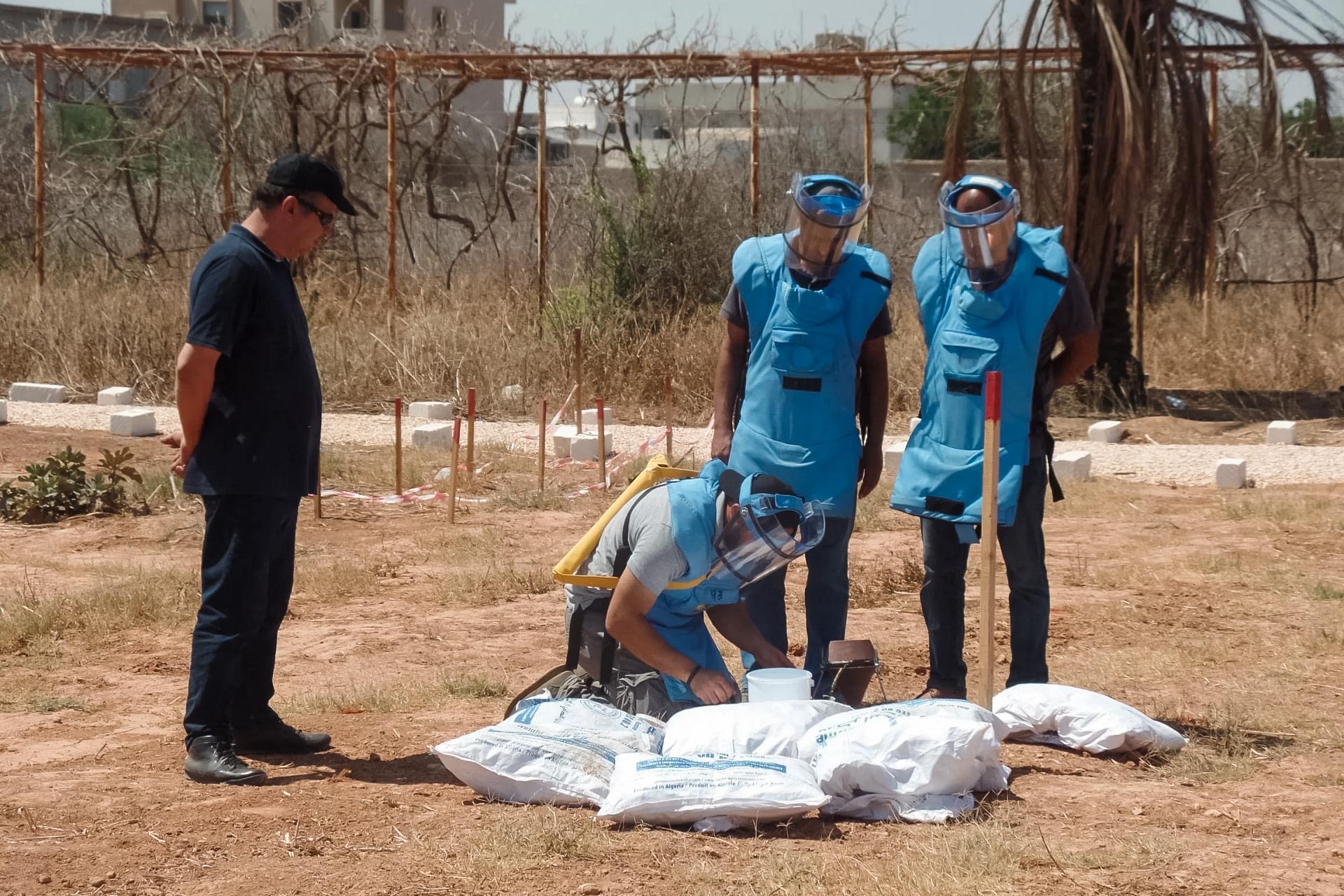
GCS worked in partnership with the Libyan NGO Free Fields Foundation, combining international EOD expertise with local operational knowledge and presence. Training covered Battle Area Clearance methodologies, ERW search, marking, site layout, ammunition recognition and basic life support, contributing to the accreditation of local EOD teams.
Beyond Misrata, GCS has also supported humanitarian mine action activities in Benghazi through training and advisory support, focused on improving safe movement for civilians and humanitarian actors in conflict‑affected areas.
Operational presence through project‑based deployments in cooperation with UN agencies, LibMAC and local humanitarian partners.