Explosive Ordnance Disposal (EOD)

Managing explosive ordnance hazards that block recovery, operations and access
Explosive Ordnance Disposal (EOD)

Explosive ordnance is often discovered as individual items, sometimes damaged, unstable or located where standard clearance methods cannot be applied. These items may be found during clearance operations, infrastructure work, military activity or post‑conflict recovery, frequently close to people, assets or critical services.

Managing individual explosive hazards

Explosive Ordnance Disposal (EOD) focuses on the specialist assessment and disposal of individual EO hazards wherever they are encountered.

GCS supports EOD as a dedicated capability and as a supporting function across multiple contexts, helping humanitarian, governmental and military activities continue when EO risks cannot be managed through area-based clearance alone.

Explosive Ordnance Disposal (EOD)

Explosive ordnance is often discovered as individual items, sometimes damaged, unstable or located where standard clearance methods cannot be applied. These items may be found during clearance operations, infrastructure work, military activity or post‑conflict recovery, frequently close to people, assets or critical services.

Managing individual explosive hazards

Explosive Ordnance Disposal (EOD) focuses on the specialist assessment and disposal of individual EO hazards wherever they are encountered.

GCS supports EOD as a dedicated capability and as a supporting function across multiple contexts, helping humanitarian, governmental and military activities continue when EO risks cannot be managed through area-based clearance alone.

Explosive Ordnance Disposal (EOD)

Explosive ordnance is often discovered as individual items, sometimes damaged, unstable or located where standard clearance methods cannot be applied. These items may be found during clearance operations, infrastructure work, military activity or post‑conflict recovery, frequently close to people, assets or critical services.

Managing individual explosive hazards

Explosive Ordnance Disposal (EOD) focuses on the specialist assessment and disposal of individual EO hazards wherever they are encountered.

GCS supports EOD as a dedicated capability and as a supporting function across multiple contexts, helping humanitarian, governmental and military activities continue when EO risks cannot be managed through area-based clearance alone.

Explosive Ordnance Disposal (EOD)

Explosive ordnance is often discovered as individual items, sometimes damaged, unstable or located where standard clearance methods cannot be applied. These items may be found during clearance operations, infrastructure work, military activity or post‑conflict recovery, frequently close to people, assets or critical services.

Managing individual explosive hazards

Explosive Ordnance Disposal (EOD) focuses on the specialist assessment and disposal of individual EO hazards wherever they are encountered.

GCS supports EOD as a dedicated capability and as a supporting function across multiple contexts, helping humanitarian, governmental and military activities continue when EO risks cannot be managed through area-based clearance alone.

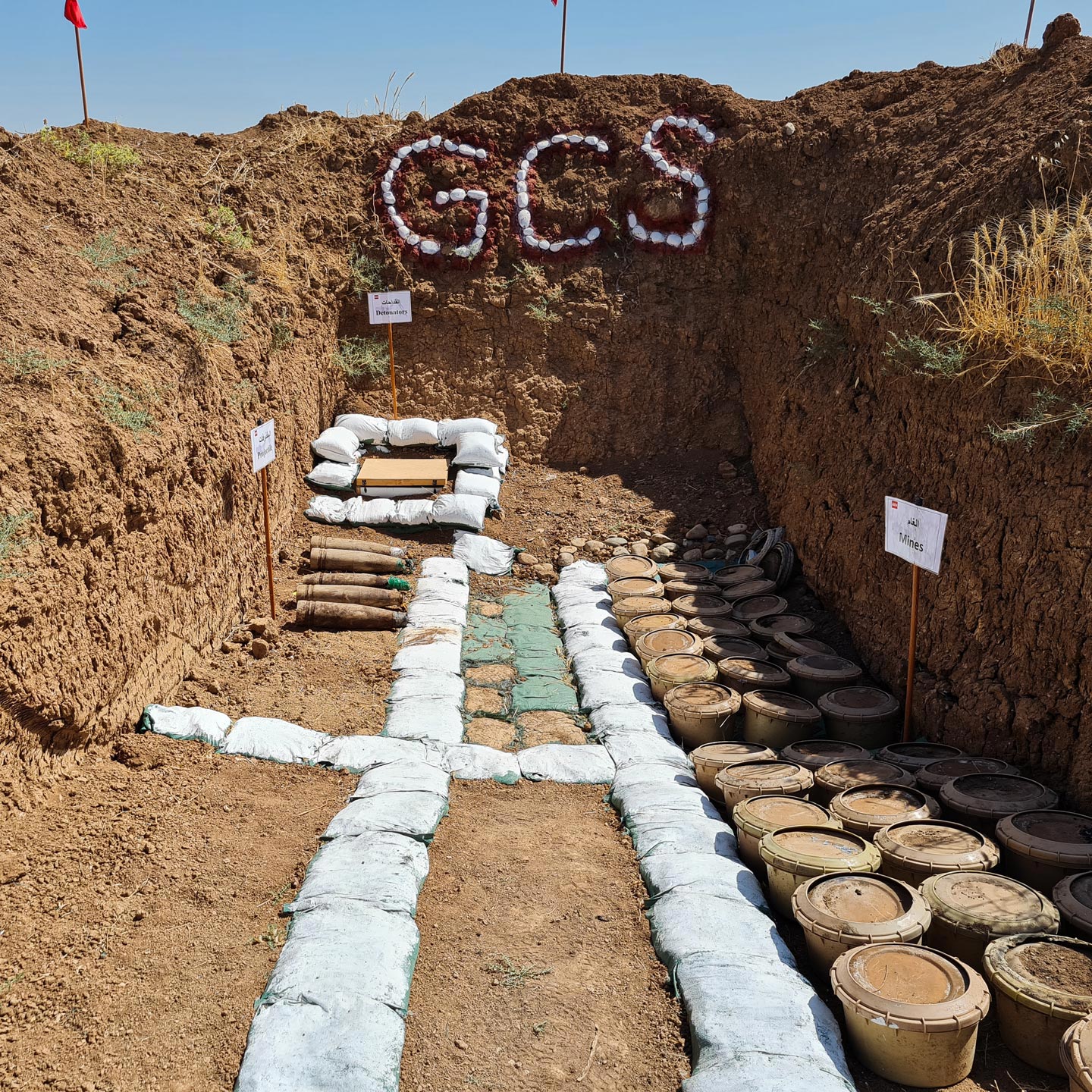
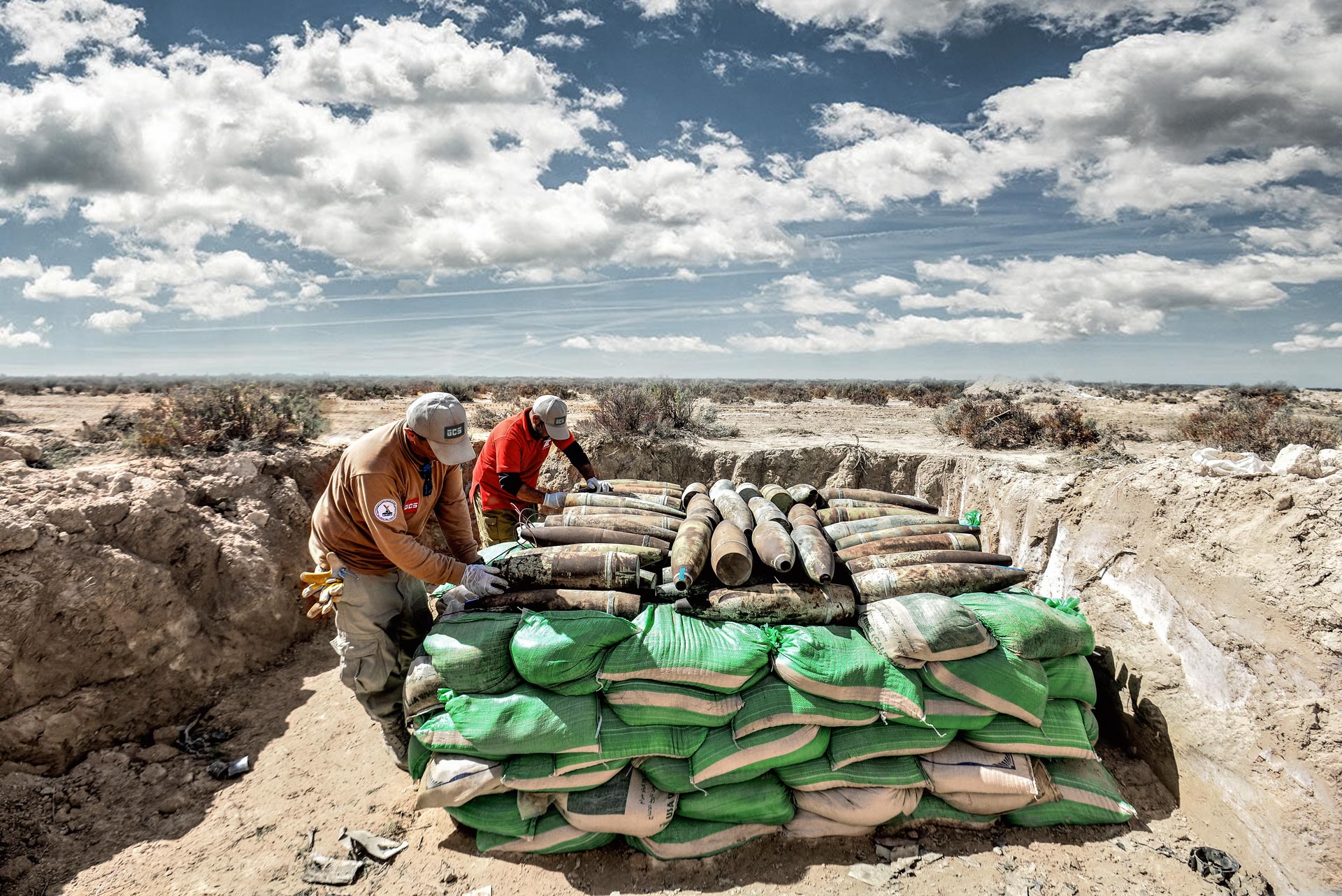
GCS EOD operators preparing collected artillery shells and UXO for controlled demolition in Libya.
The challenge

Explosive ordnance is unpredictable by nature. Items may be damaged, unstable, partially functioning or affected by age, corrosion or environmental exposure, and are often found in locations where movement, infrastructure or civilian activity cannot be halted for extended clearance. The risk lies in the condition of the item itself, the limited options for movement or access control, and the consequences of intervention near people, assets or critical services. Each situation requires controlled technical judgement rather than standardised clearance methods.

The GCS Approach

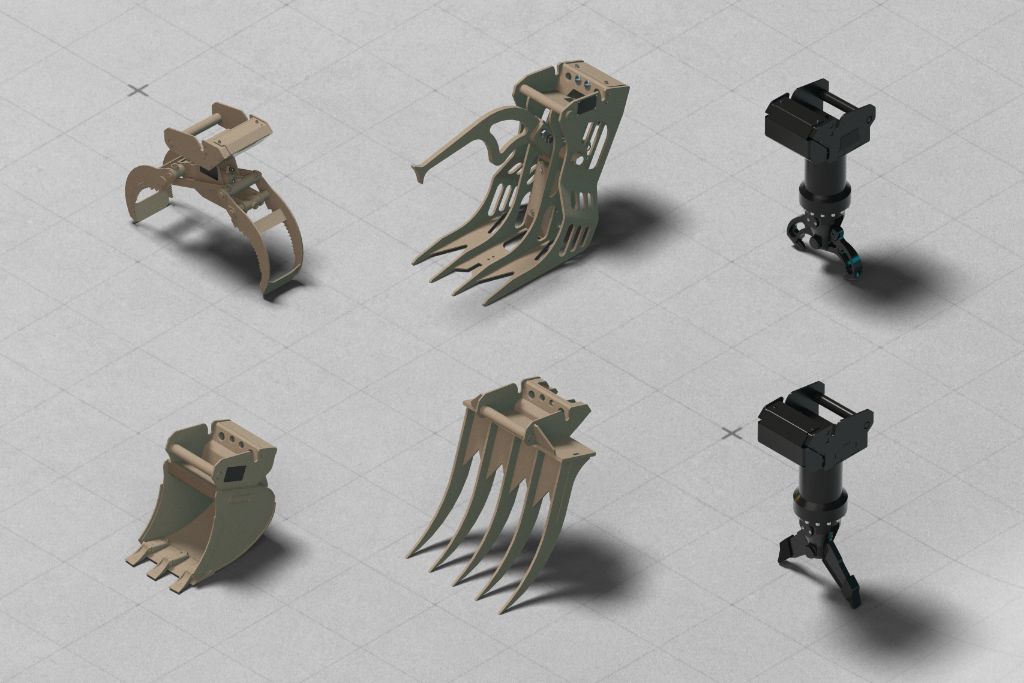
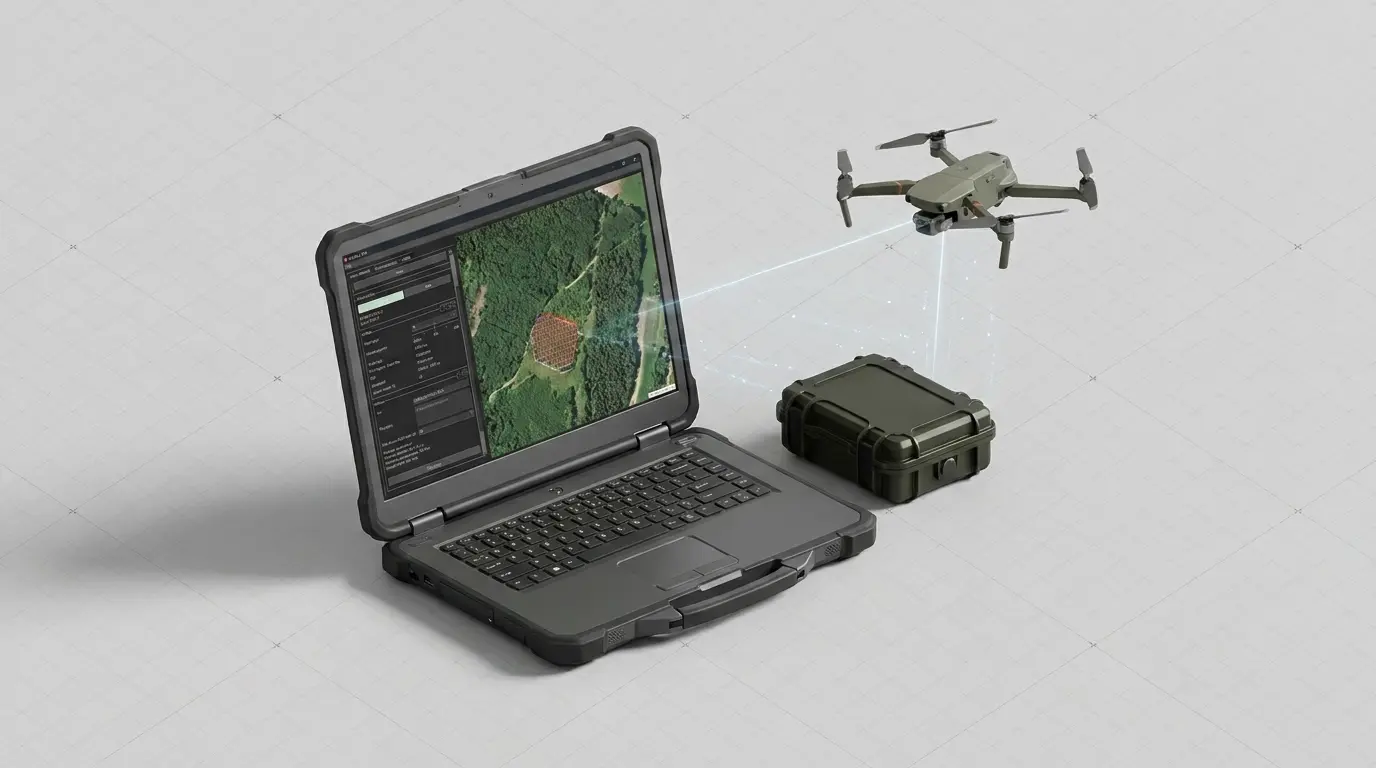
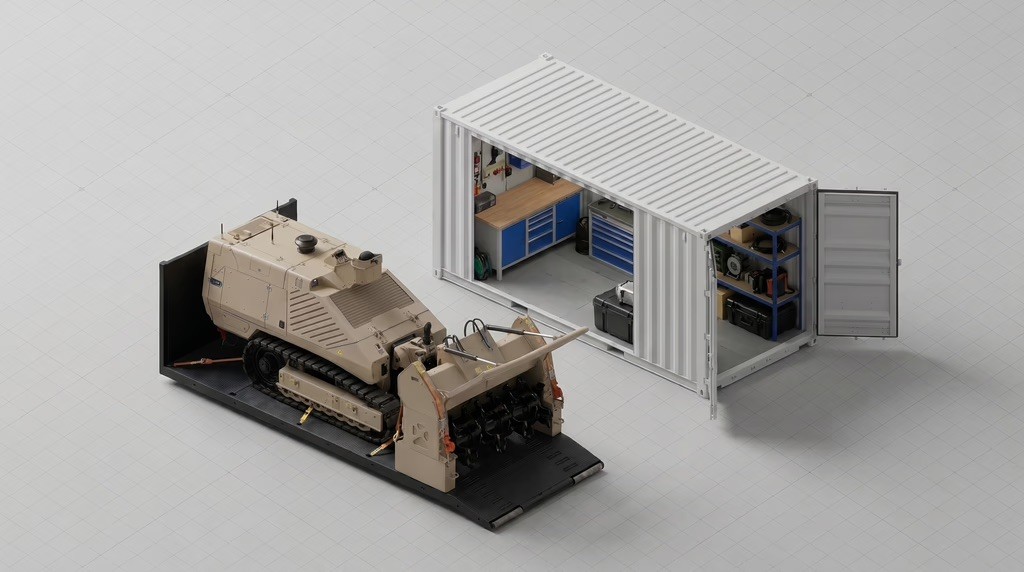
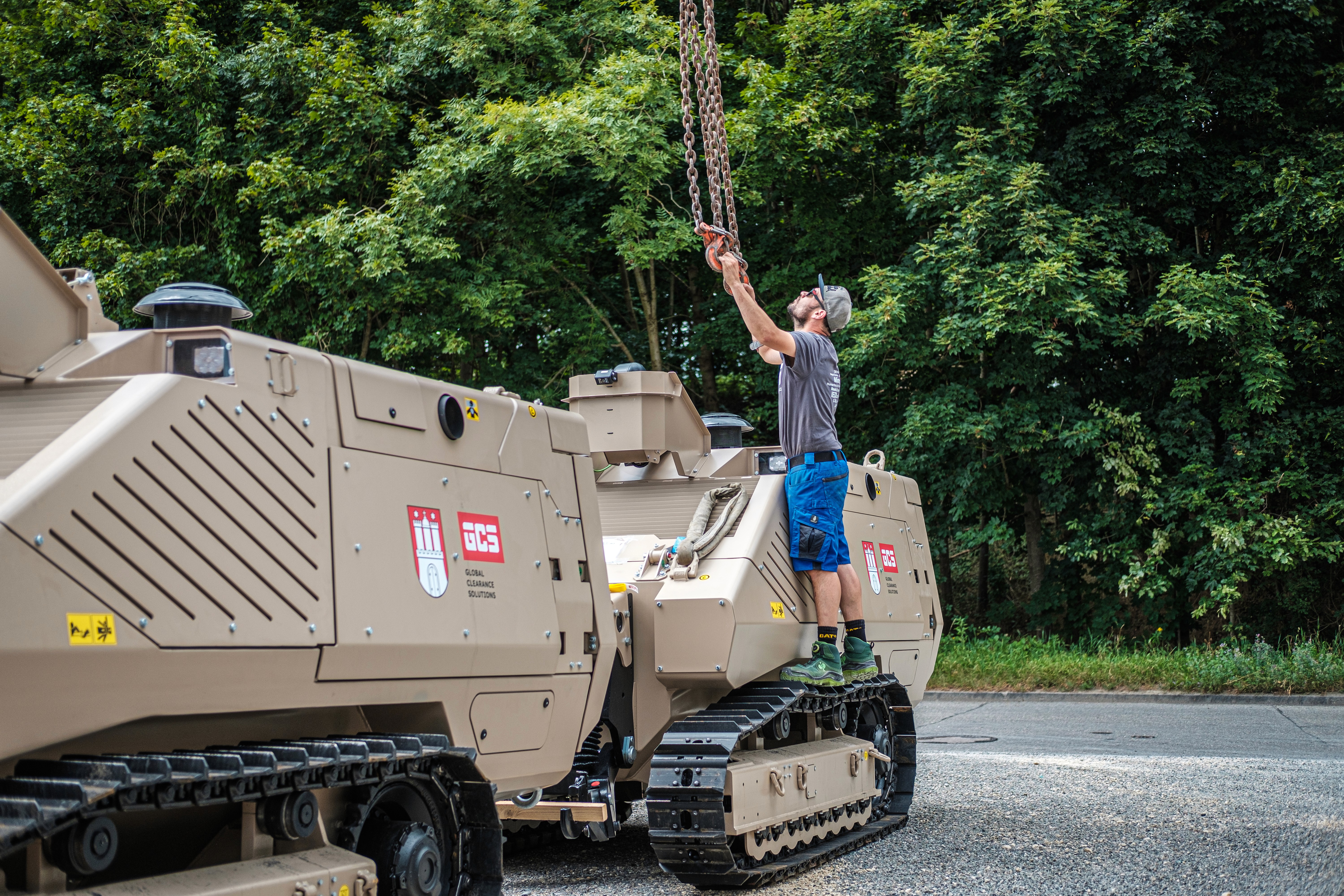
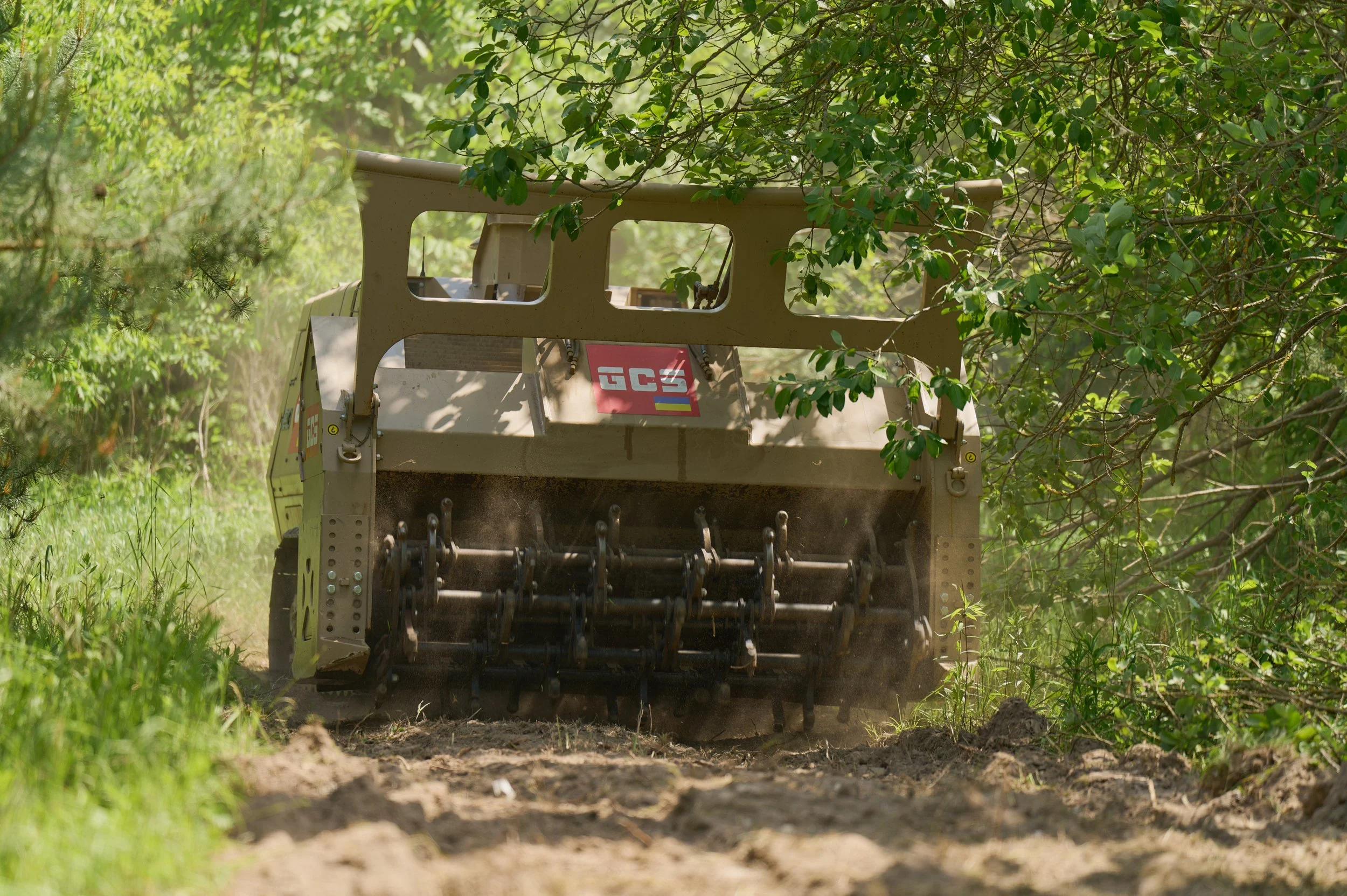
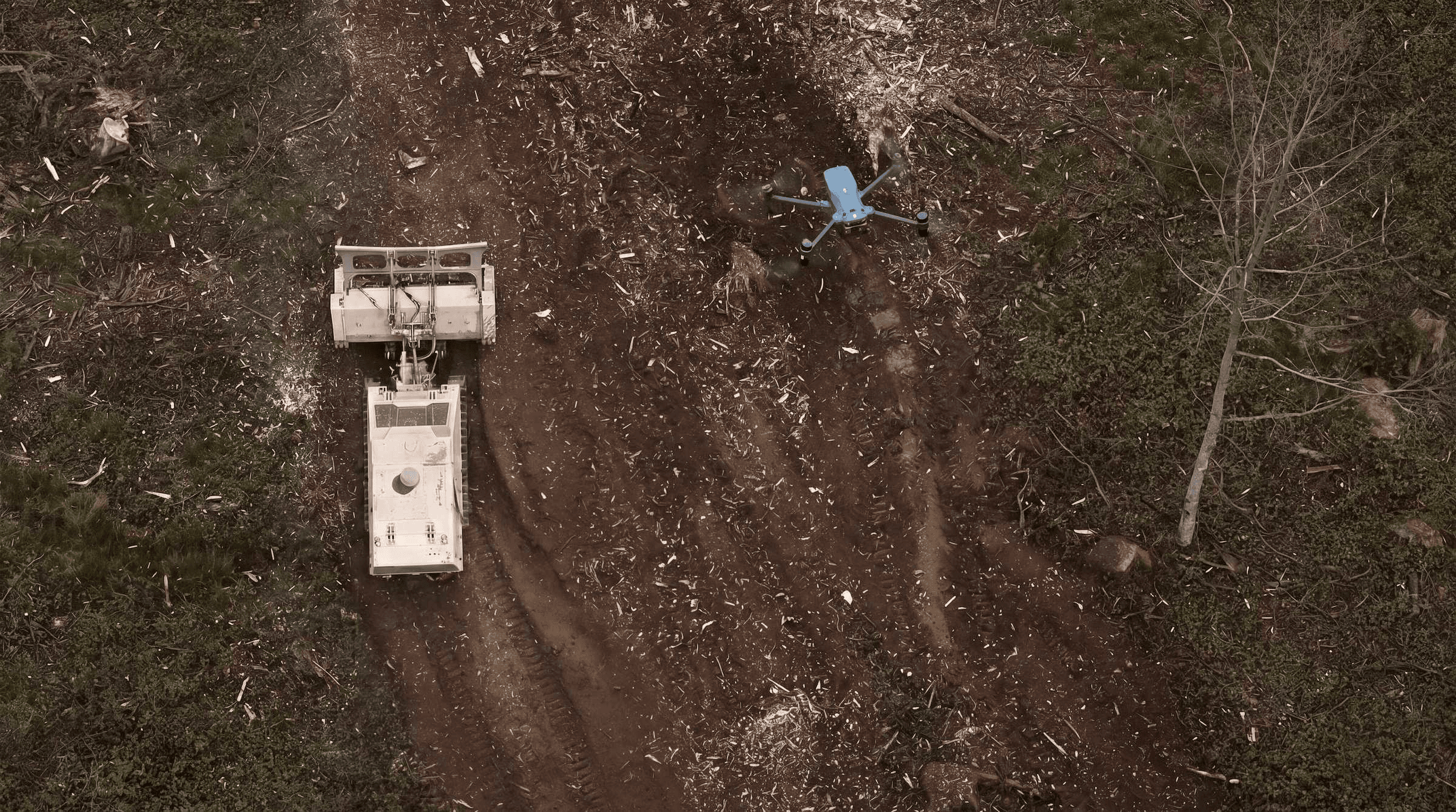
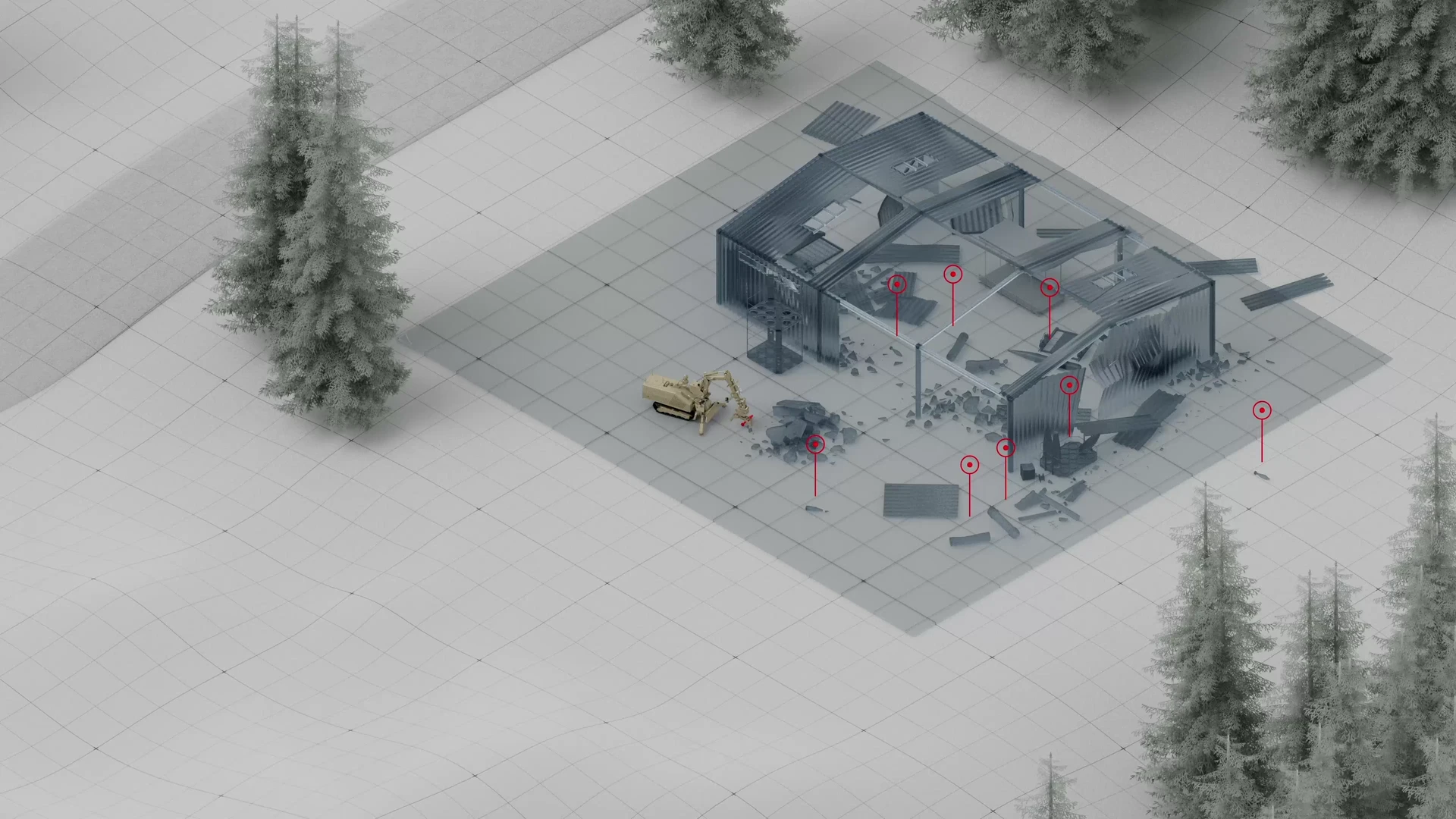
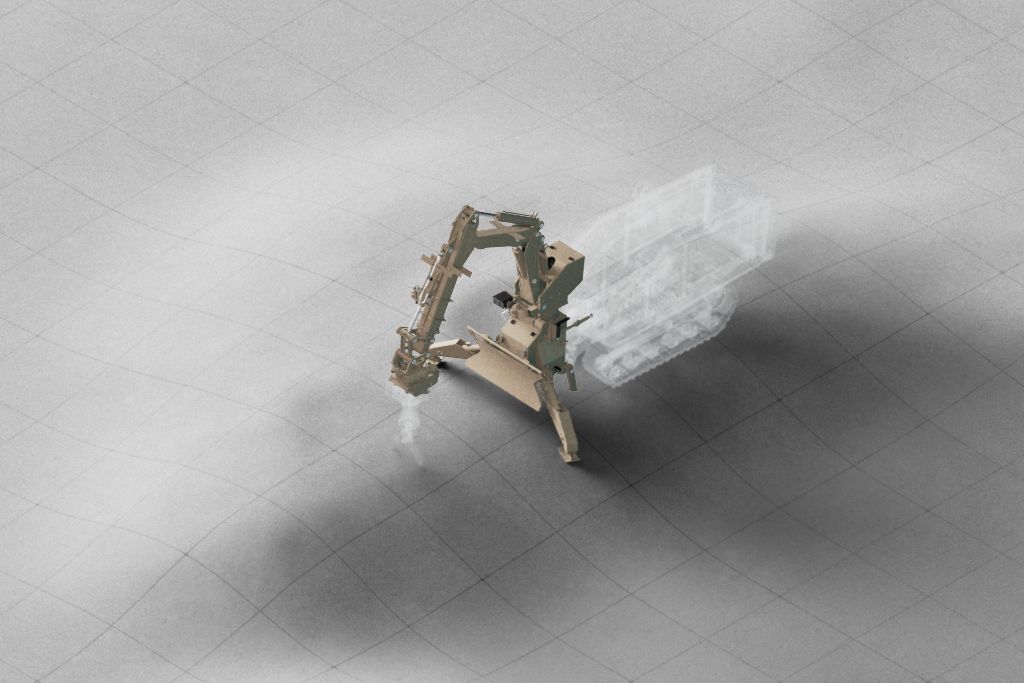
GCS approaches EOD as a controlled, evidence-based technical process, supported by trained professionals, appropriate systems, tools and procedures. EOD tasks are supported through structured technical assessment, controlled disposal or recovery, and full documentation. Where required, EOD can be supported by mechanical assets, remote platforms, sensors and protective measures to reduce exposure and maintain standoff. This approach supports controlled EO risk reduction while enabling wider clearance, access restoration or operational objectives with reduced disturbance and risk escalation.

Where Explosive Ordnance Disposal (EOD) fits

Explosive Ordnance Disposal is a cross‑cutting specialist capability. In humanitarian and recovery contexts, EOD supports demining, battle area clearance and urban clearance by dealing with specific hazardous items encountered during survey or clearance. In governmental and commercial contexts, EOD supports infrastructure repair, land access and compliance with safety requirements. In military contexts, EOD supports technical disposal, recovery and specialist EO risk-management functions distinct from combat breaching or IEDD operations. EOD is distinct from IEDD & Search, which focuses specifically on improvised explosive devices, and from area-based clearance capabilities that support evidence-based land release or area handover.

The Solution

GCS EOD solutions support the controlled assessment and management of individual EO hazards encountered across operational environments. At capability level, EOD brings together specialist methods, technical judgement, enabling tools and operational support required to manage EO risks when standard clearance approaches cannot be applied.
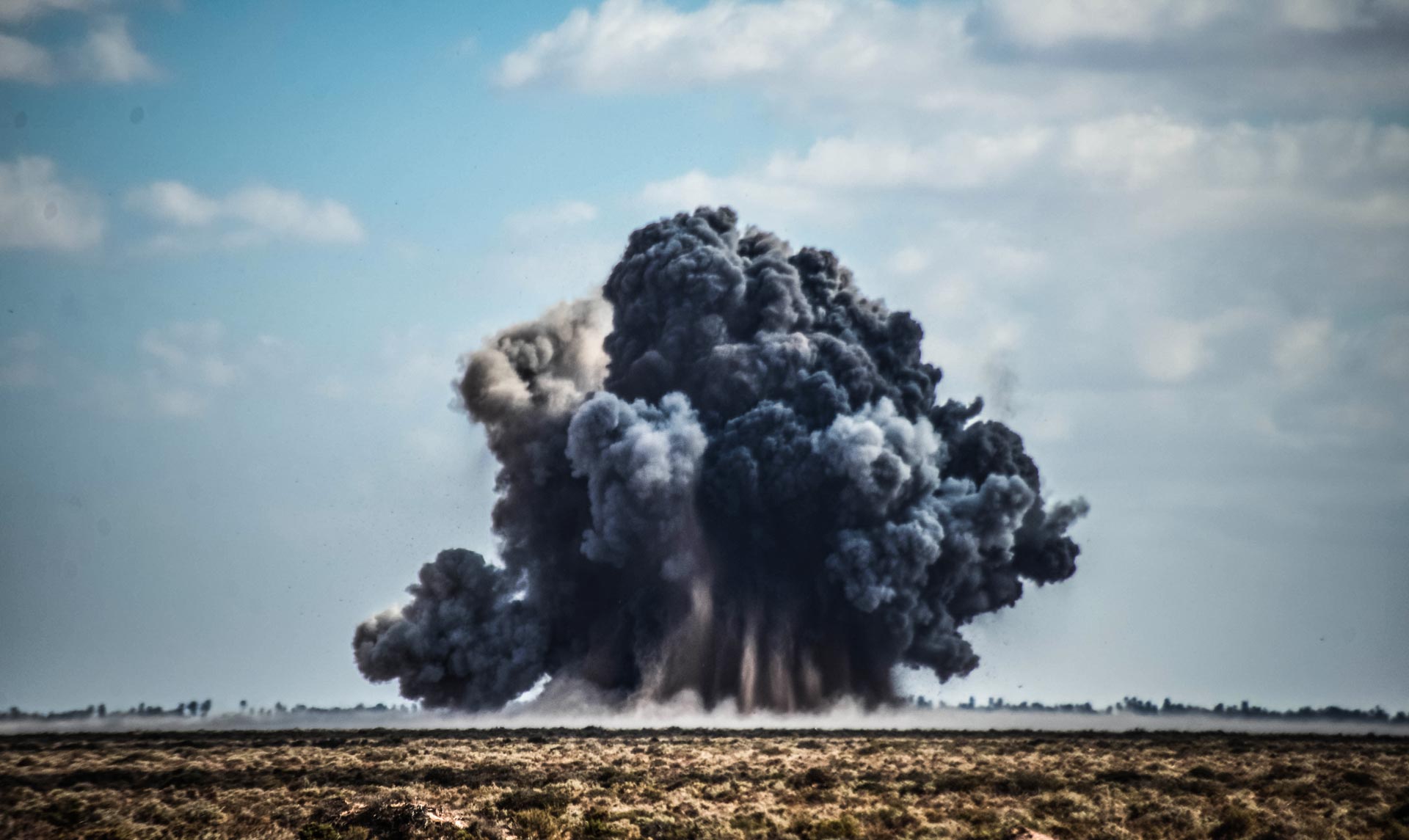
Controlled demolition explosion during GCS EOD operations in Libya, destroying recovered explosive ordnance.

Assessment & control

Technical threat assessment and decision‑making

Disposal and risk reduction

Controlled disposal, recovery and risk-reduction actions

Recovery and transport

Recovery, movement and transport support where appropriate

Operational integration

Integration with clearance, engineering and access‑proving activities

Documentation & quality assurance

IMAS-aligned documentation and quality management
recent stories

Operational experience from the field, across contexts and missions.

recent stories

Operational experience from the field, across contexts and missions.

recent stories

Operational experience from the field, across contexts and missions.

recent stories

Operational experience from the field, across contexts and missions.

Plan your clearance capability with GCS

GCS helps define the right clearance approach, system configuration and support model for each operational environment.

Plan your clearance capability with GCS

GCS helps define the right clearance approach, system configuration and support model for each operational environment.

Plan your clearance capability with GCS

GCS helps define the right clearance approach, system configuration and support model for each operational environment.

Plan your clearance capability with GCS

GCS helps define the right clearance approach, system configuration and support model for each operational environment.