Battle Area Clearance
Restoring controlled land use across former battle areas contaminated by explosive ordnance
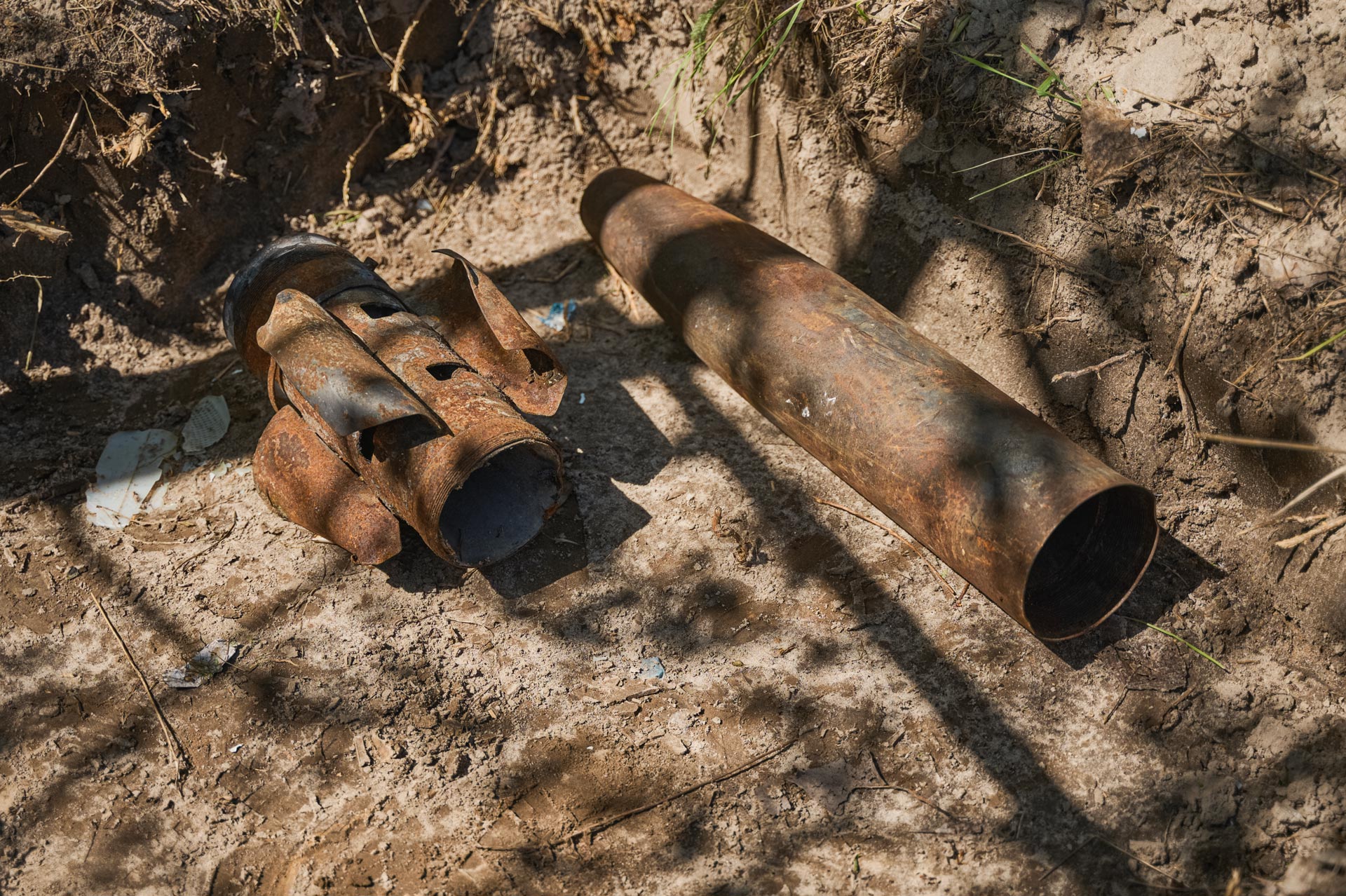
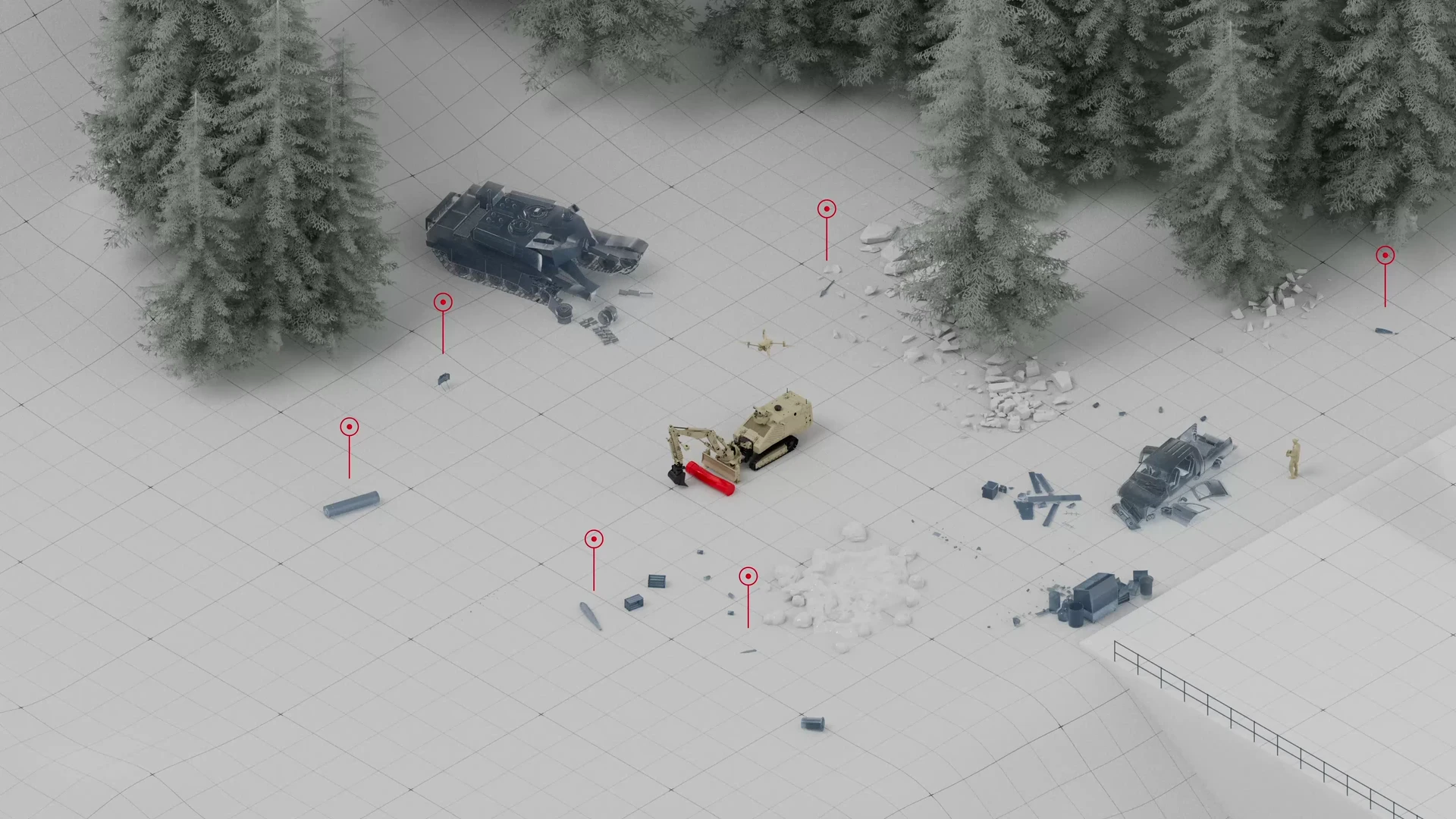
Unlike minefields, battle area contamination is rarely predictable. A mix of explosive hazards may be scattered without pattern, buried at varying depths or mixed with scrap, debris and environmental clutter. Former battle areas may cover large areas, while only a small proportion of the ground may contain actual EO items, increasing the effort required to find and confirm hazards. BAC is therefore not rapid item collection. It is the management of uncertainty through disciplined search, control and verification to support land use with confidence.
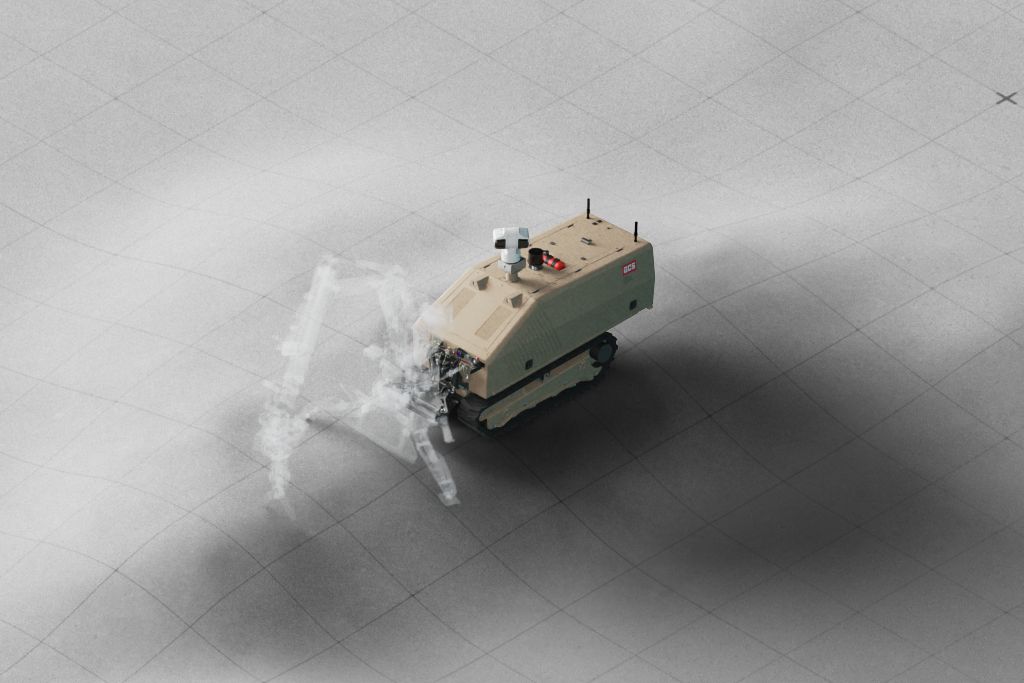
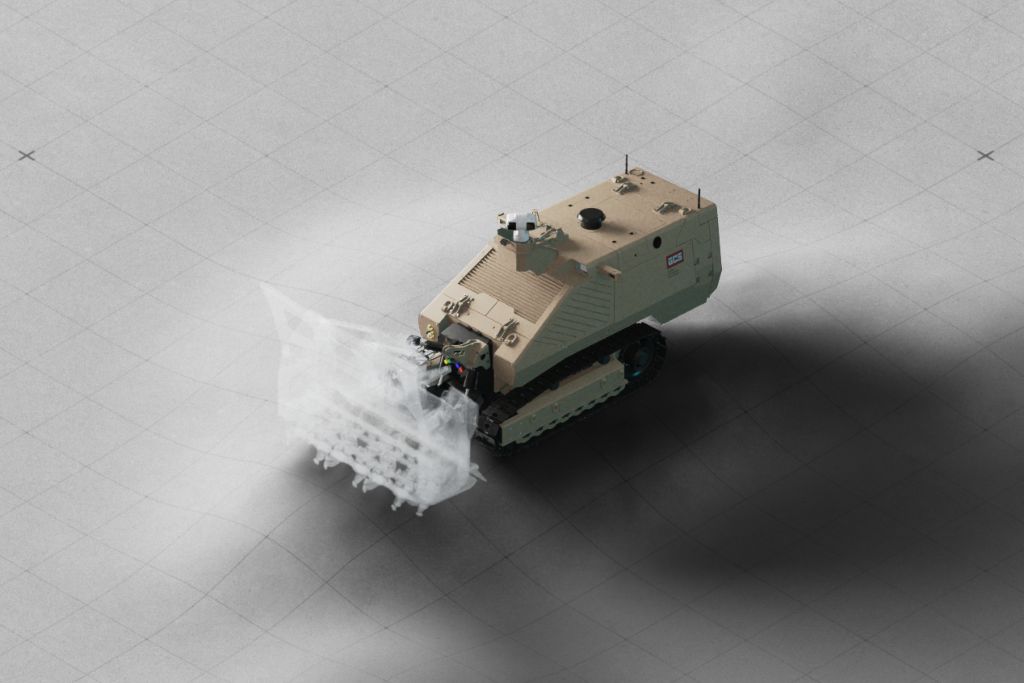
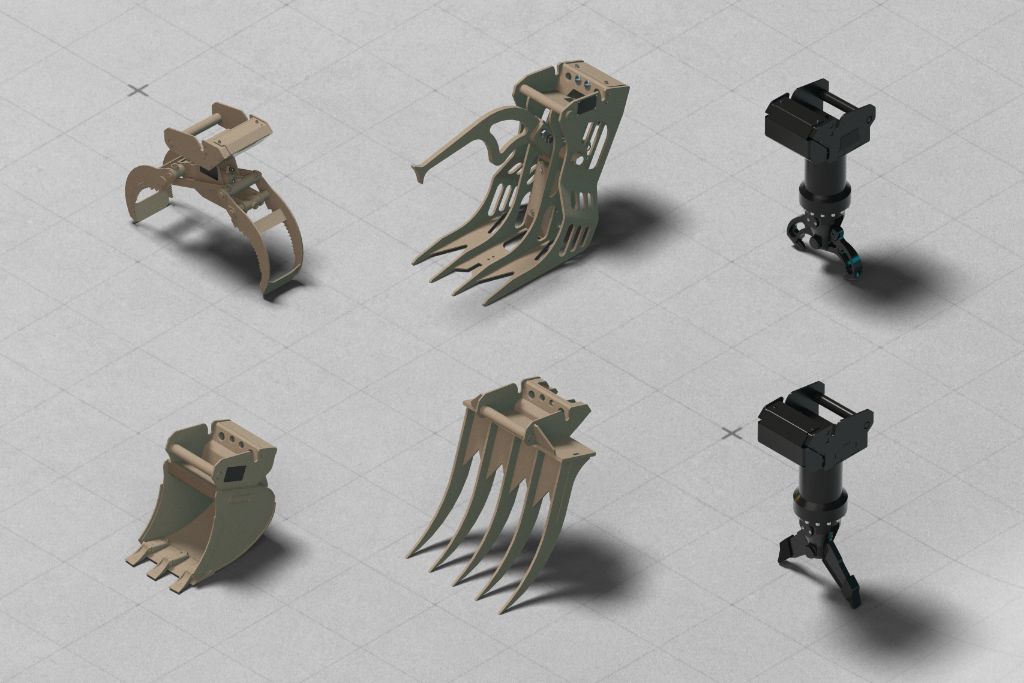
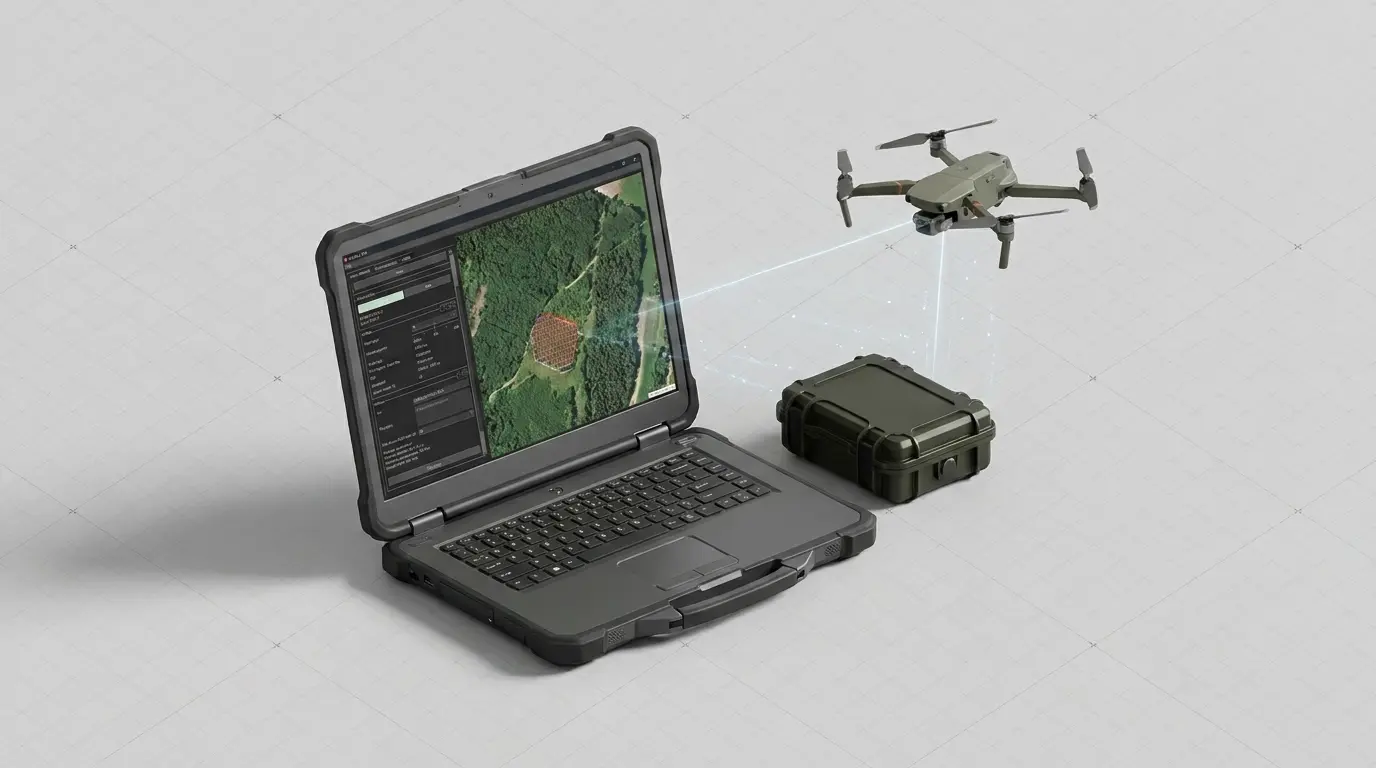
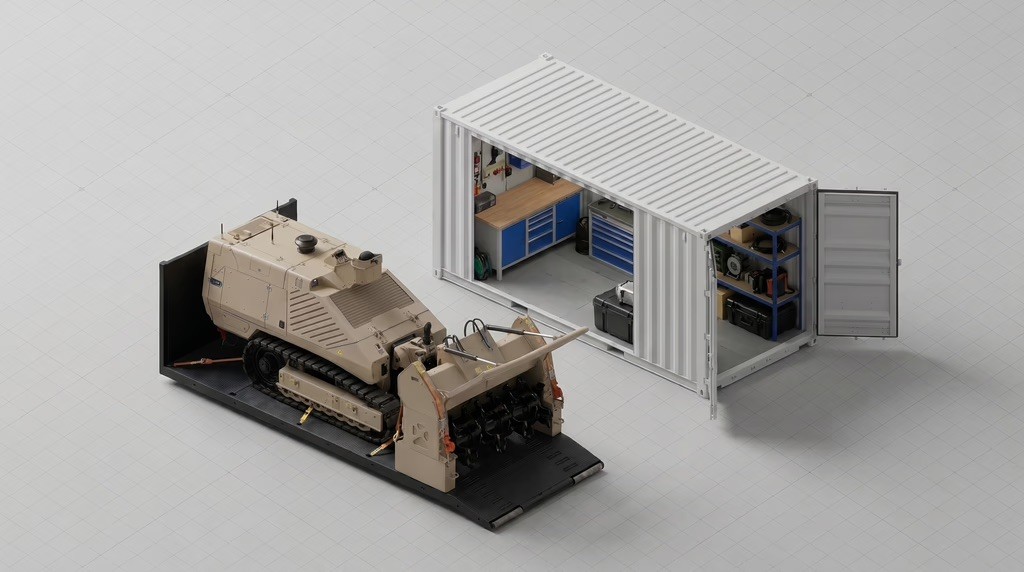
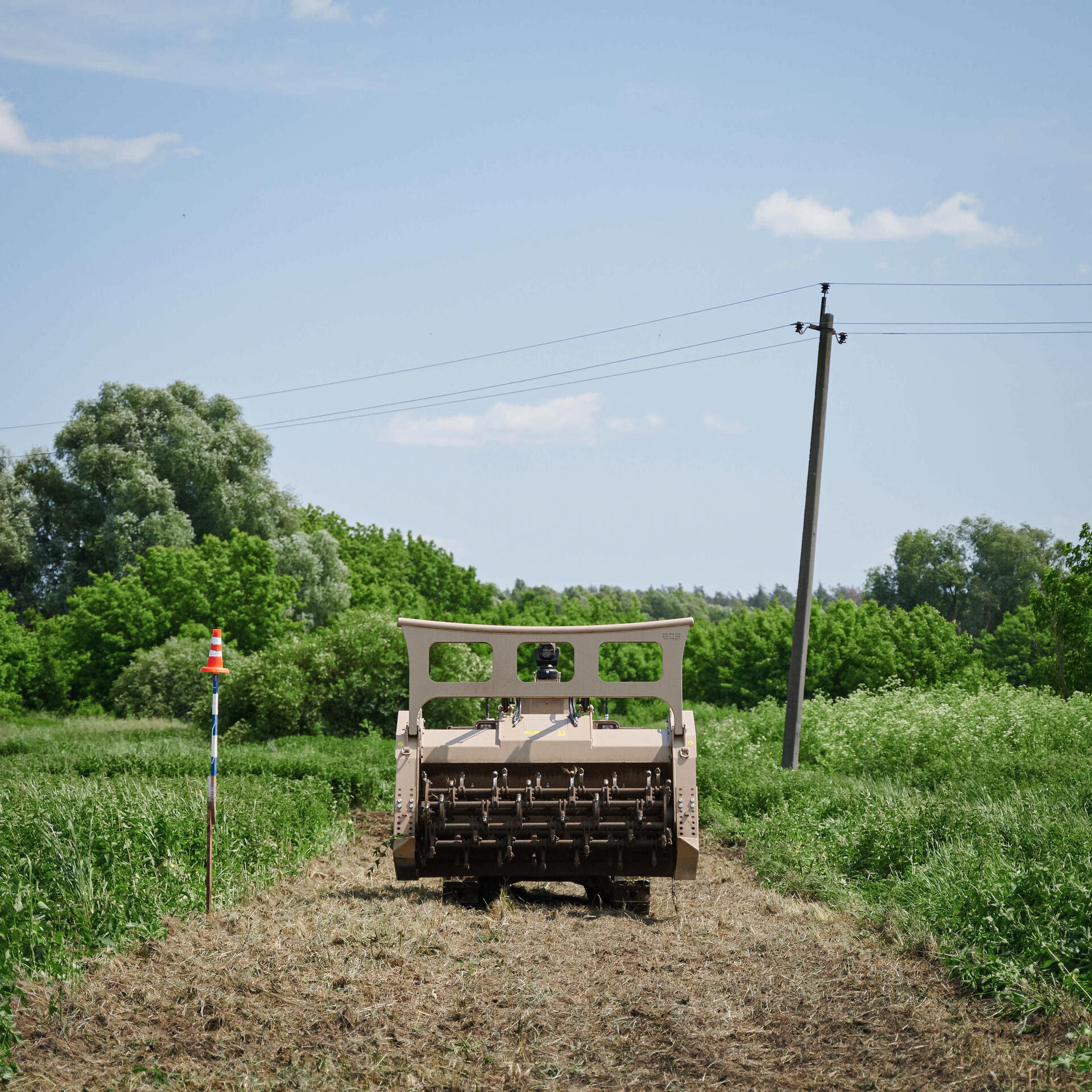
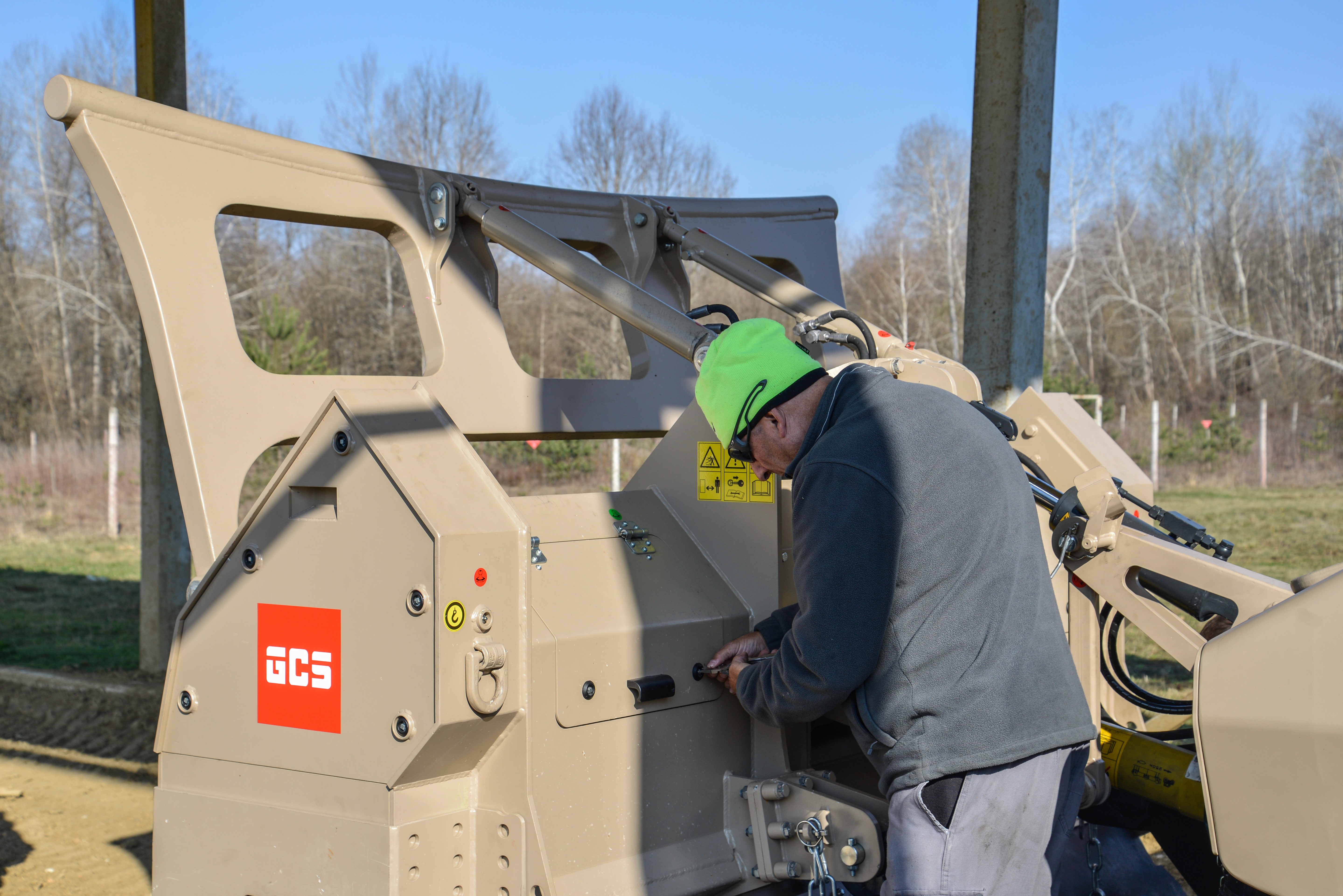
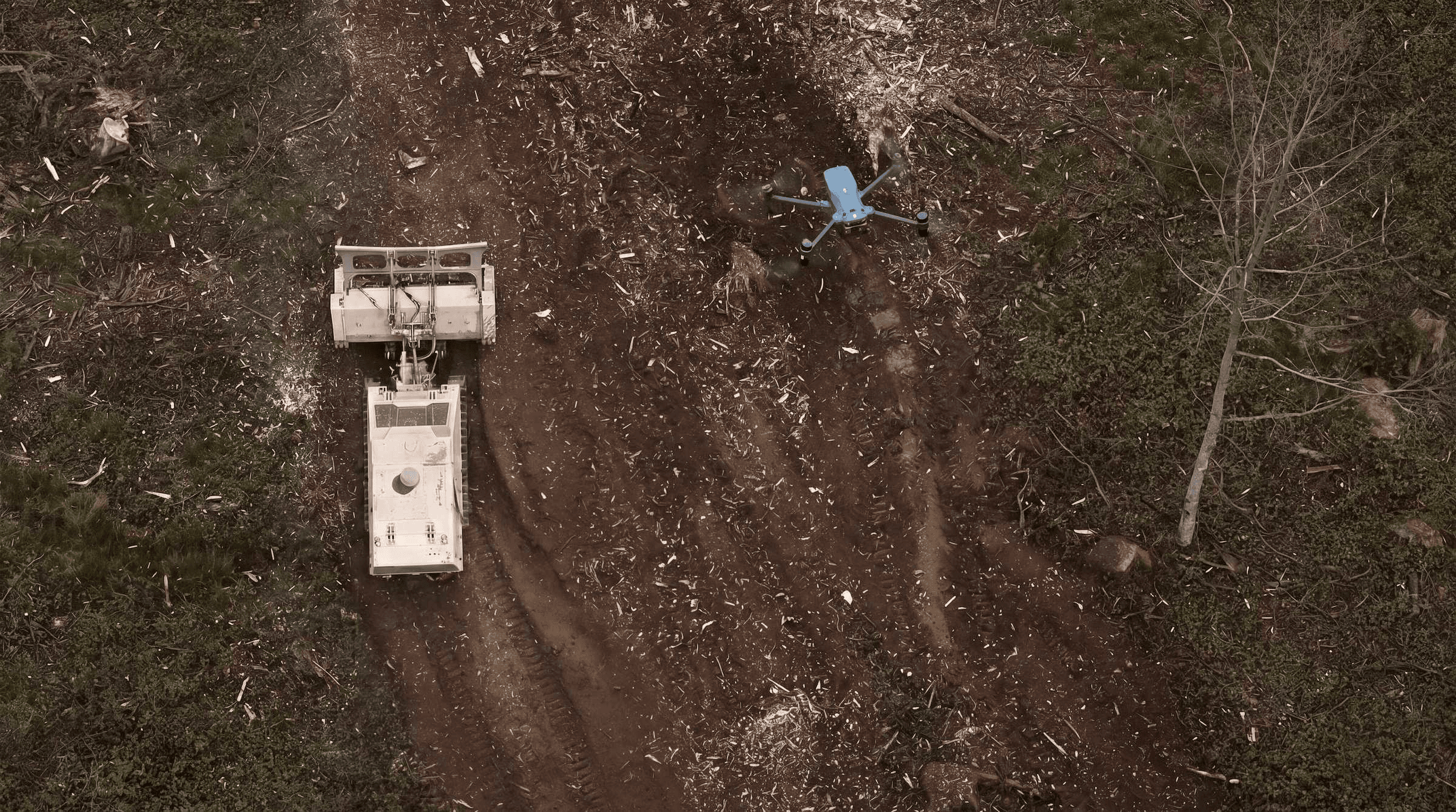
GCS approaches Battle Area Clearance as a controlled, search-based area clearance capability. It is supported through a structured process that combines survey, systematic search, investigation, clearance and verification, adapted to wide areas with irregular and unpredictable EO contamination. The approach integrates visual and detector‑aided search, manual investigation and EOD procedures, supported where appropriate by mechanical systems, sensors and UAS. This supports efficient clearance of large areas while maintaining control, reducing exposure and building confidence before handover.
Where Battle Area Clearance fits
Battle Area Clearance focuses on area-based clearance of EO-contaminated land where mines are not expected. It supports humanitarian recovery, stabilisation and reconstruction activities by restoring confidence in land use. It is distinct from Demining (HMA), which focuses on evidence-based land release where landmine contamination is suspected or confirmed; Route Clearance, which focuses on defined movement corridors; and Minefield Breaching, which creates controlled lanes through known or expected mine and obstacle threats under military conditions.
GCS Battle Area Clearance solutions support the systematic detection, investigation and clearance of explosive ordnance across contaminated areas. At capability level, it brings together the methods, tools and operational support required to manage large, unpredictable post‑conflict environments and restore confidence in land use.
Layout & control
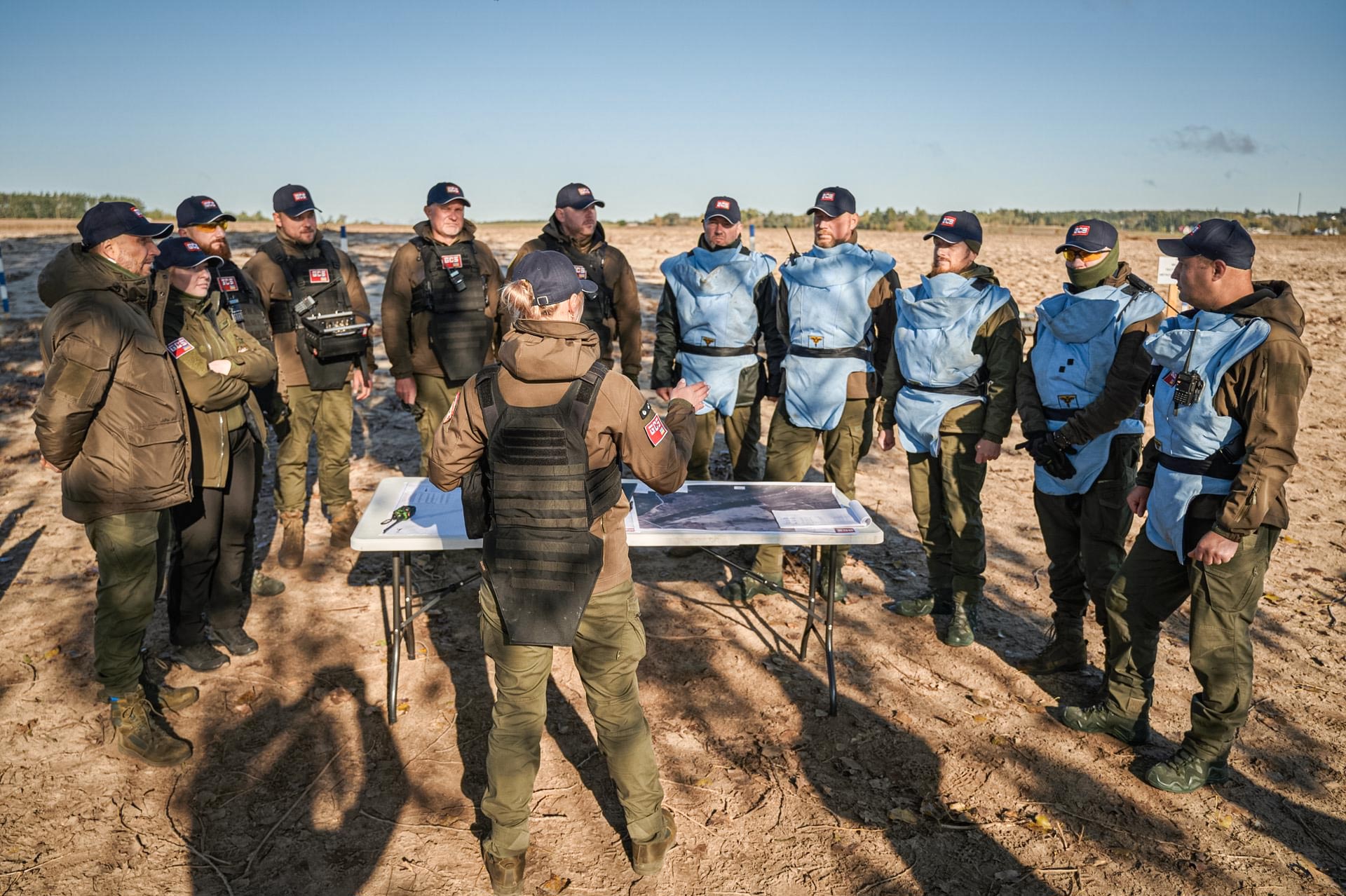
Defined task layout, search areas and control measures
Search & investigation
Integrated visual search, detector-aided search and manual investigation methods
Hazard neutralisation
Safe neutralisation or disposal of confirmed explosive items
Recording and quality assurance
Accurate recording, quality management and IMAS-aligned documentation
Handover and follow‑on use
Documented handover supporting reconstruction or follow-on activity