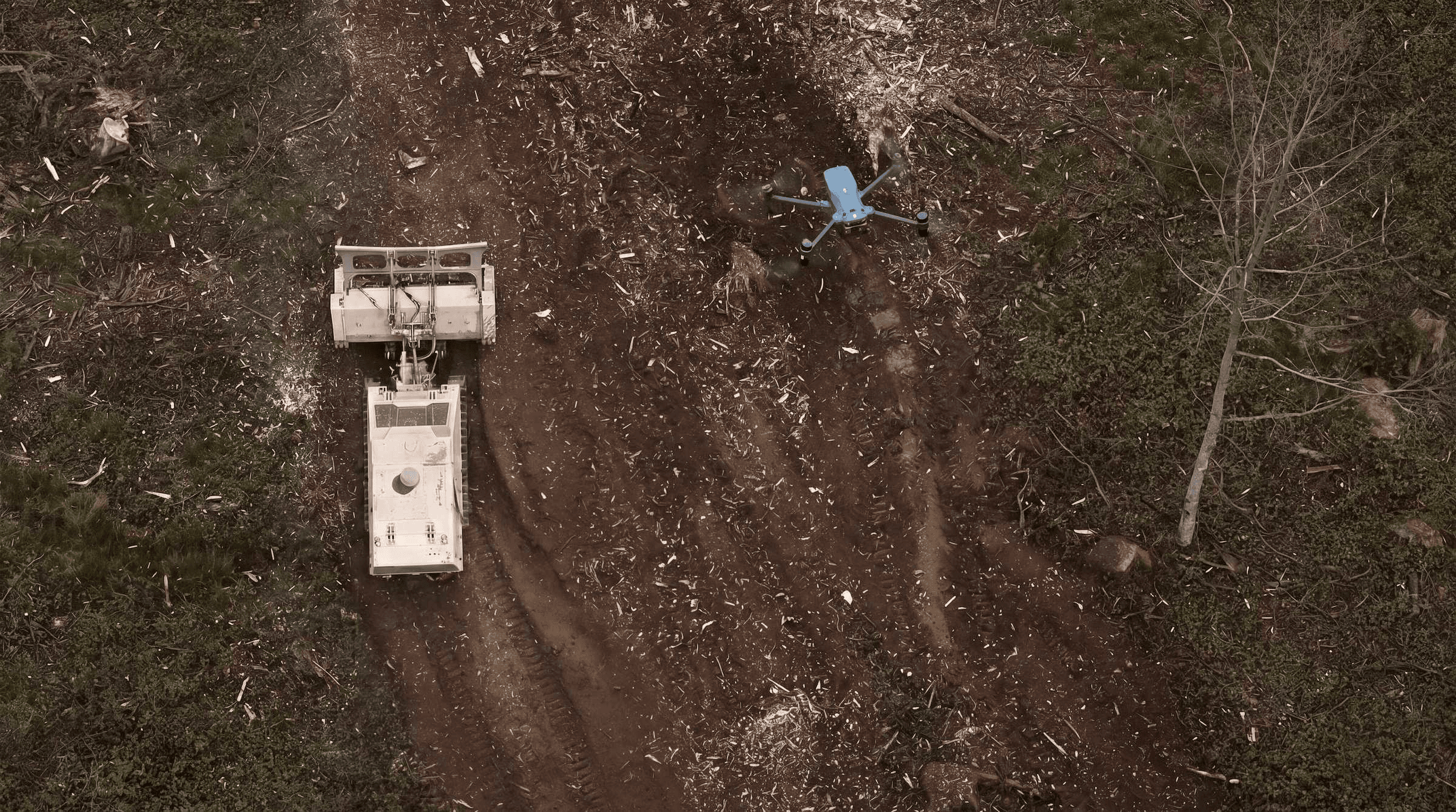
Route Clearance
Restoring controlled movement along critical routes affected by explosive threats
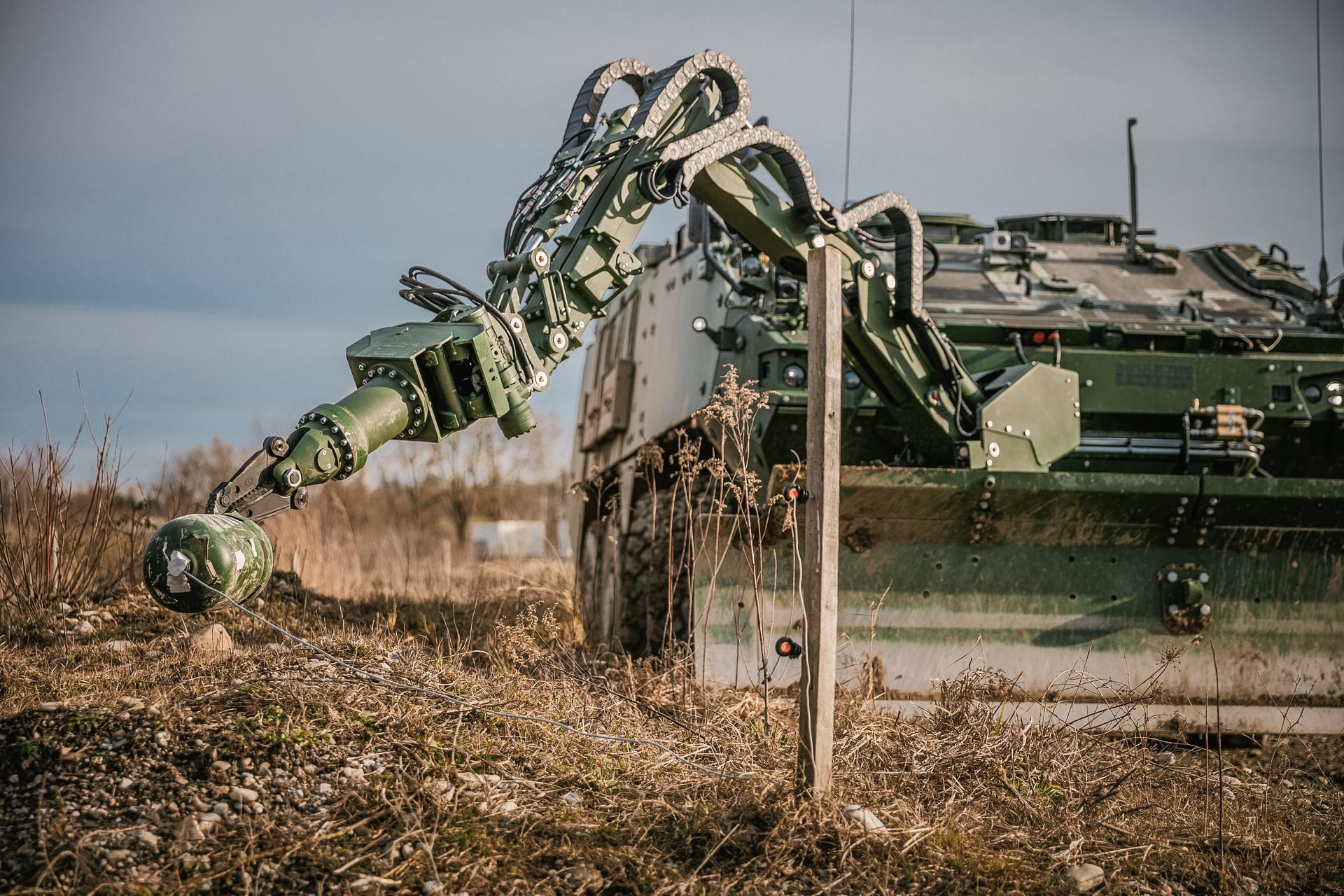
Unlike fixed areas, routes are exposed and predictable. They may be observed, exploited or deliberately targeted. Clearance is further complicated by limited visibility, time pressure to restore movement, and contamination that may consist of multiple explosive threat types, increasing risk during investigation and follow-on movement.
GCS approaches Route Clearance as a deliberate, corridor-based capability. It is supported through an integrated route-clearance process that combines reconnaissance, survey, detection, clearance and verification, drawing on mechanical systems, sensors, UAS, animal detection systems and manual expertise as required. This integrated approach allows hazards to be assessed and addressed ahead of movement while reducing exposure, maintaining standoff where possible and providing evidence-based confidence before route use resumes.
Where Route Clearance fits
Route Clearance focuses on defined corridors and freedom of movement, in military context supporting operational mobility and protection and in humanitarian context focused on restoring controlled access. It is distinct from Minefield Breaching, which creates lanes through known or expected obstacle and mine threats, and from Demining (HMA), which focuses on evidence-based land release in areas where landmine contamination is suspected or confirmed.
GCS Route Clearance solutions support systematic hazard detection, investigation and clearance along roads, tracks and access routes. At capability level, it brings together the methods, tools and operational support required to restore and sustain controlled access along affected routes.
Detection and search
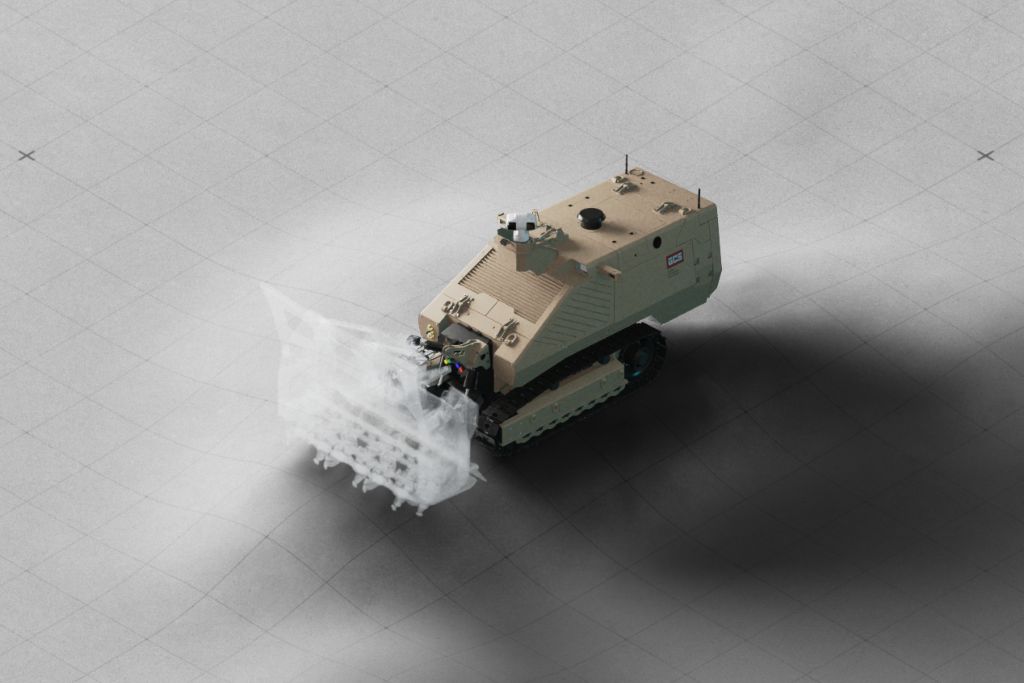
Detection and search systems suited to surface and subsurface hazards
Tools
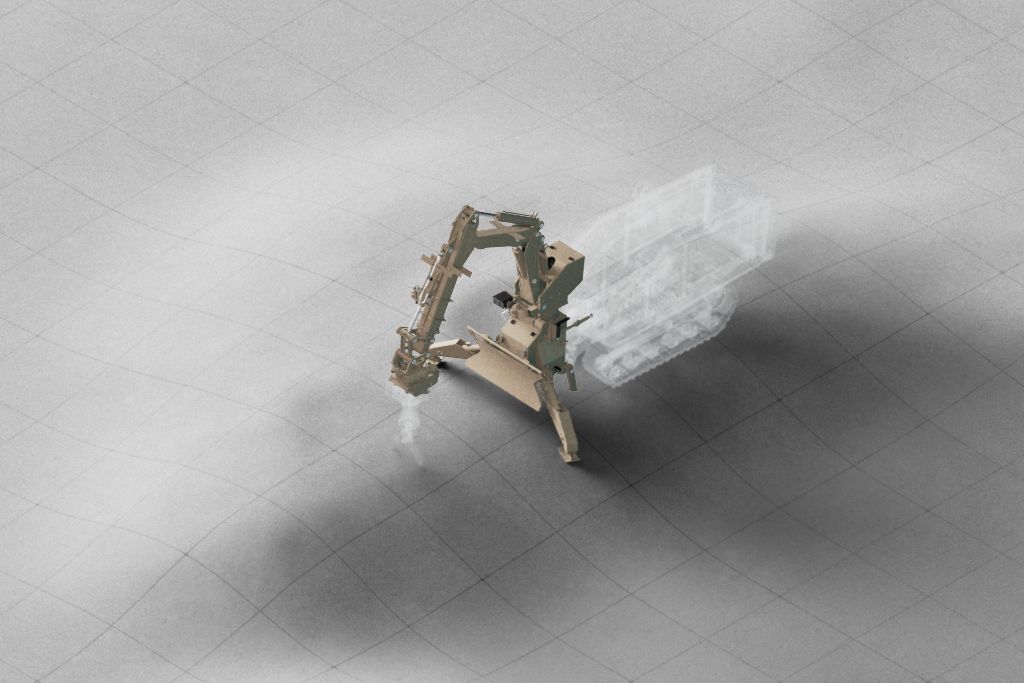
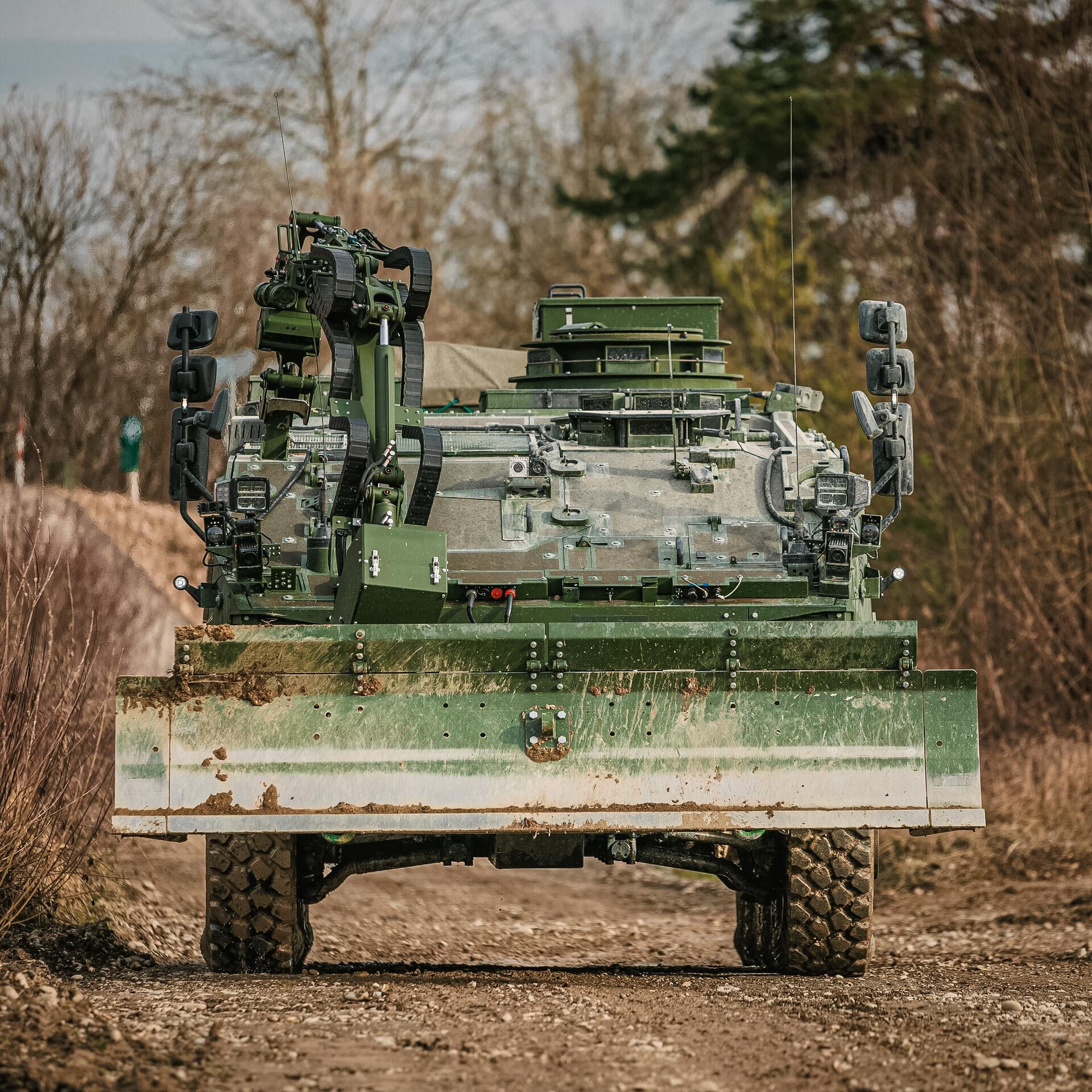
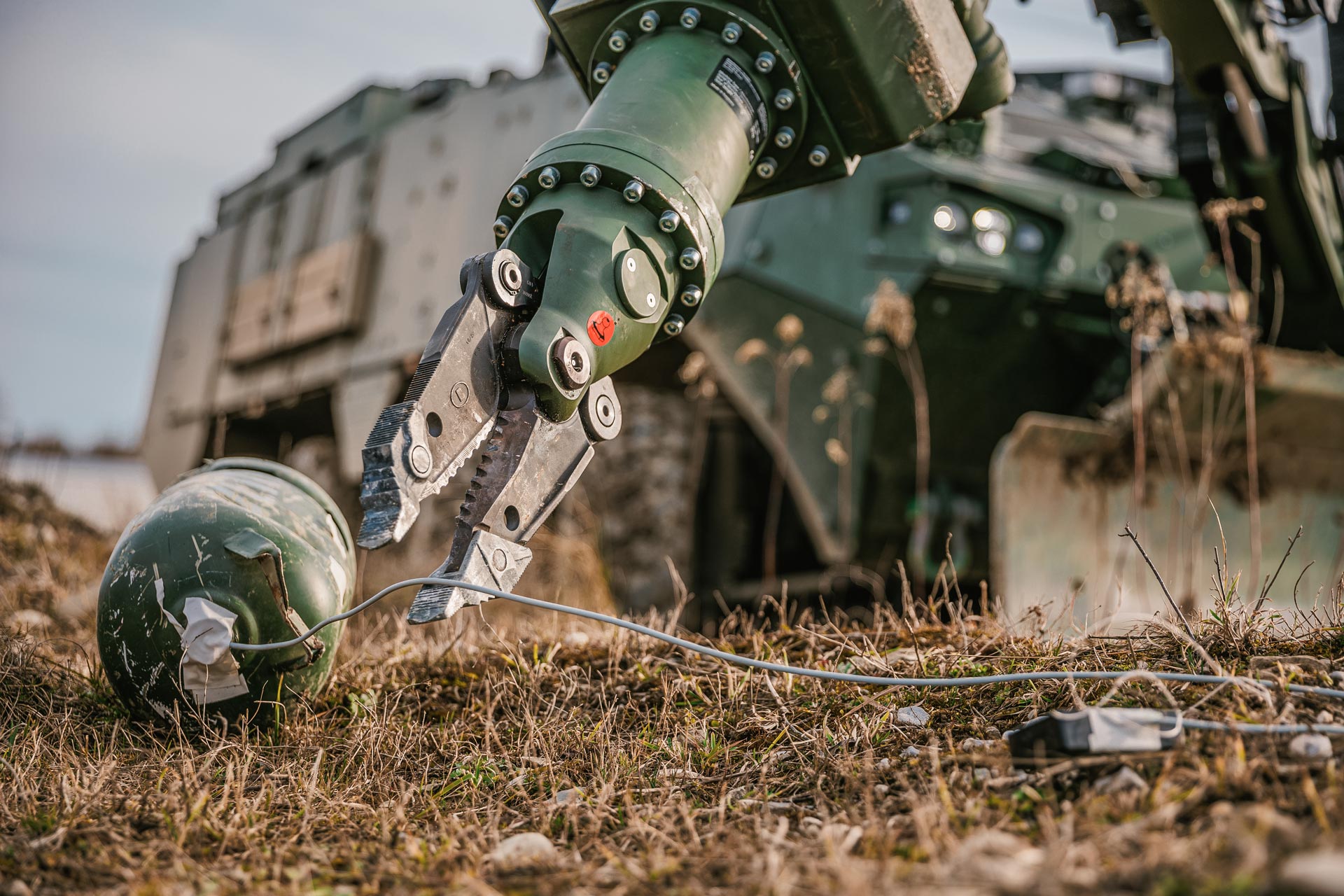
Manipulator‑based tools for controlled interrogation and neutralisation
Configurations
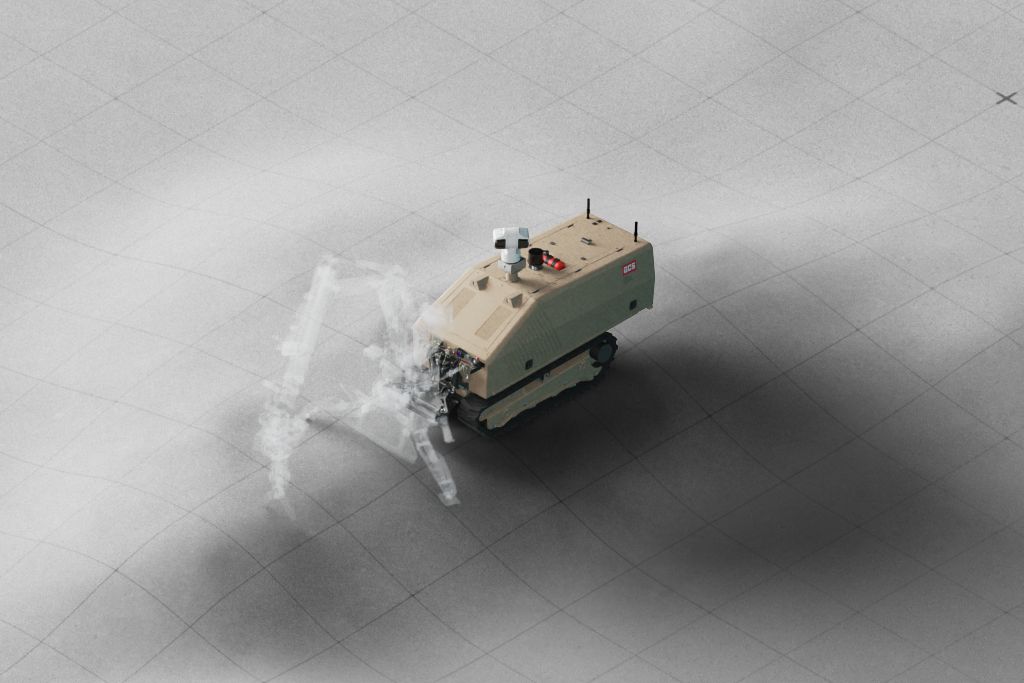
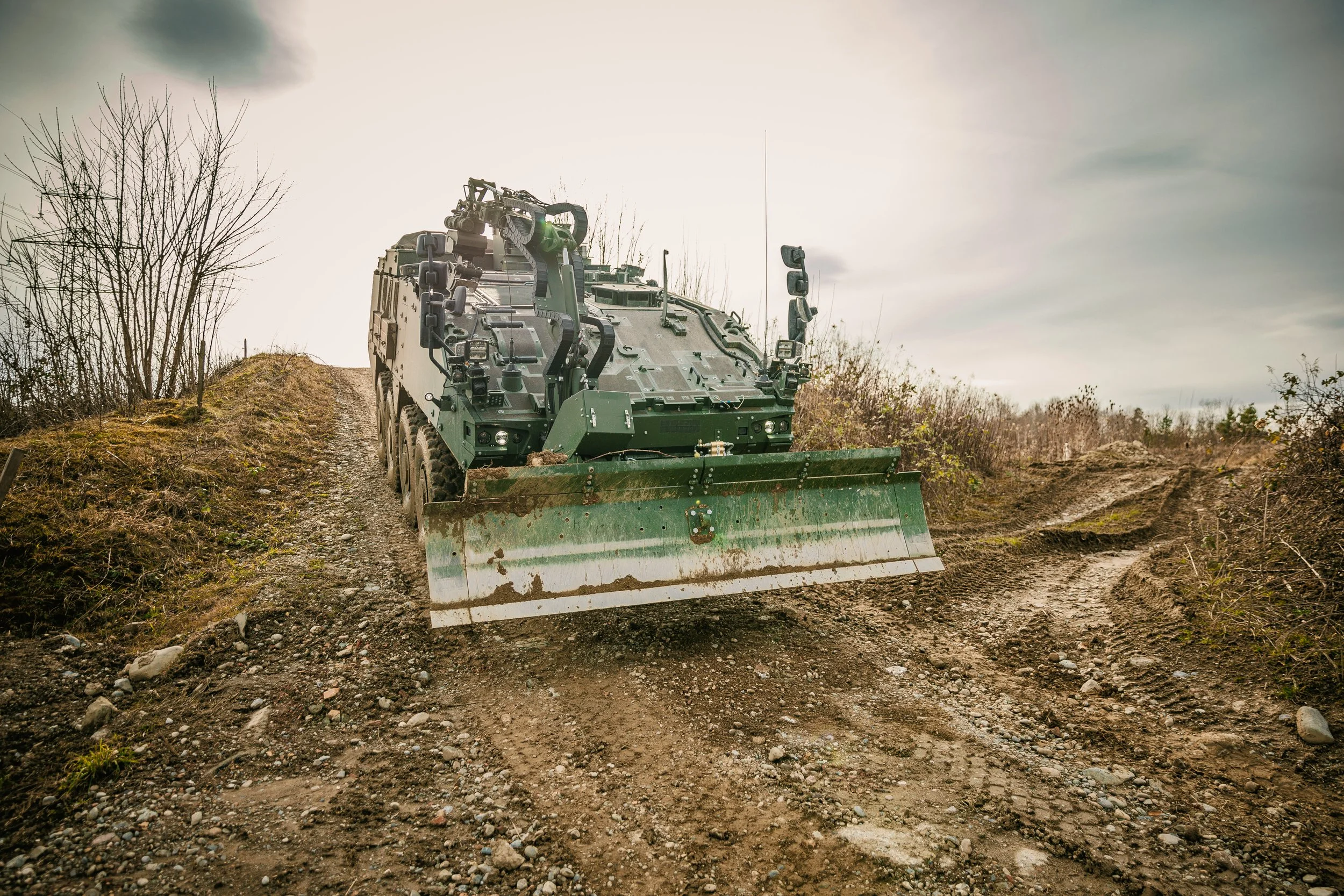
Platform configurations designed to support controlled progression along a corridor
Proofing & Confirmation
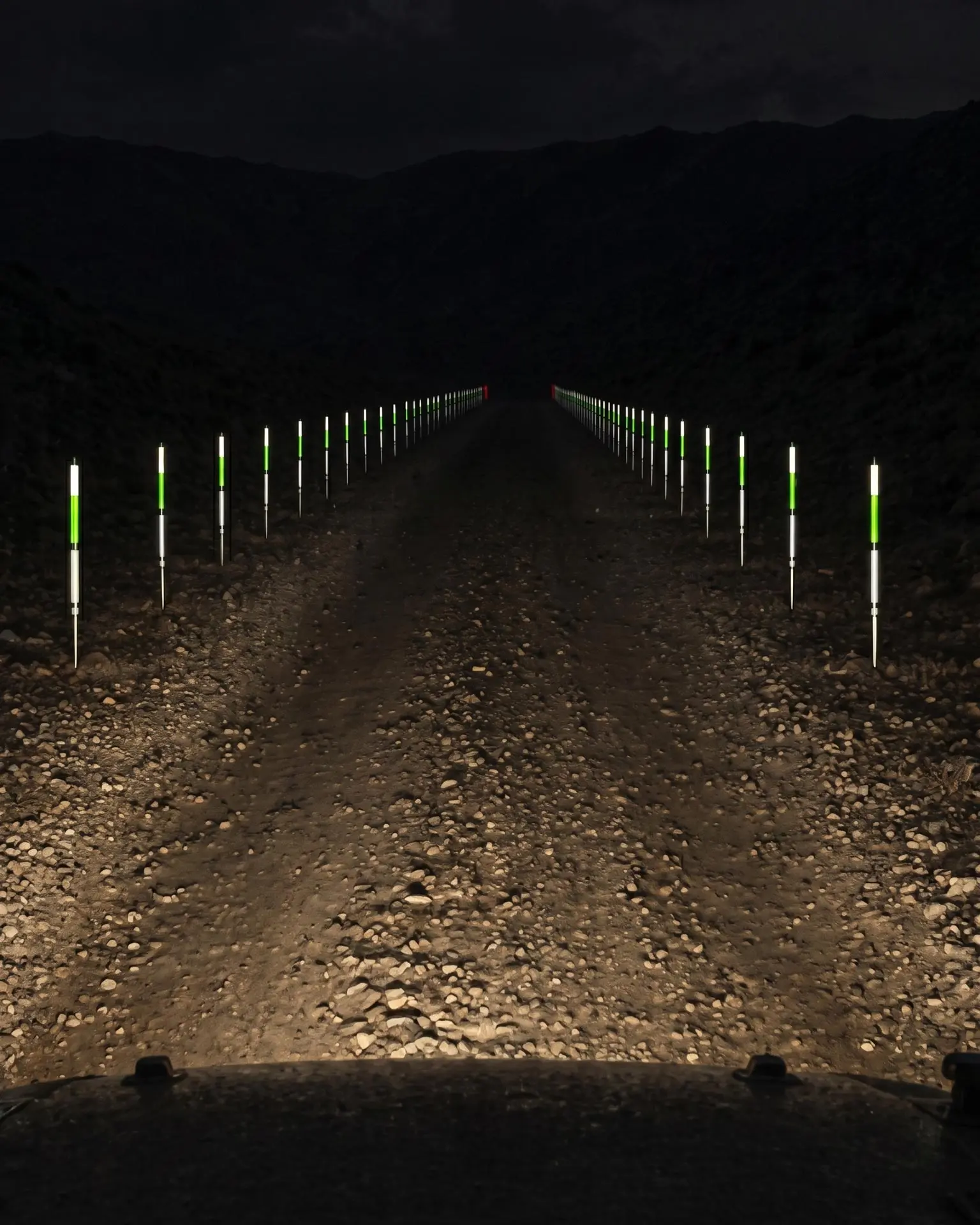
Processes for route confirmation and evidence-based confidence prior to movement