Protecting freedom of movement and critical assets against radio‑controlled threats
Protecting freedom of movement and critical assets against radio‑controlled threats
Protecting freedom of movement and critical assets against radio‑controlled threats
Protecting freedom of movement and critical assets against radio‑controlled threats
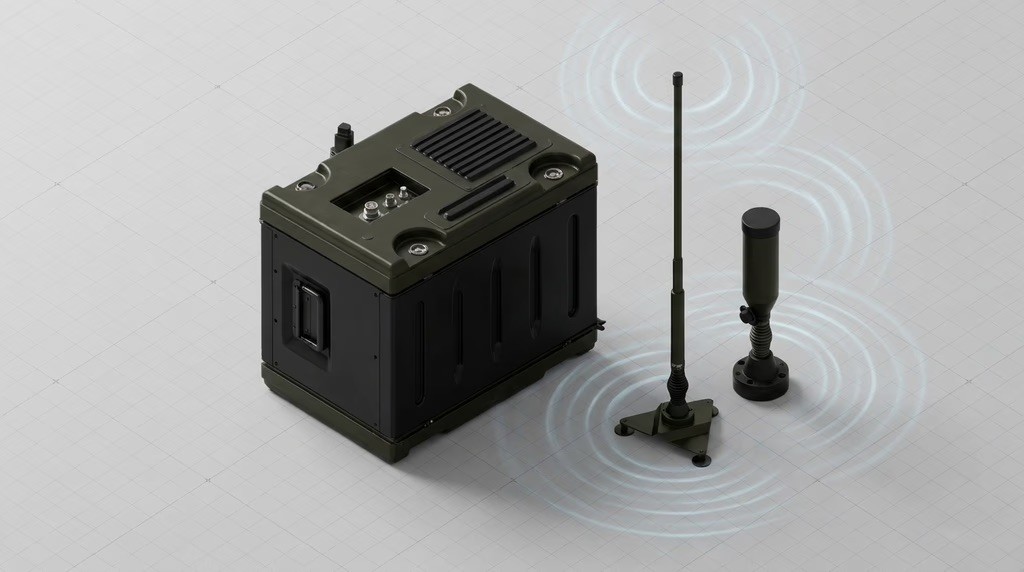
Radio‑controlled improvised explosive devices, hostile drones and unauthorised communication links remain a persistent threat across military and governmental environments. These threats are dynamic, adaptive and increasingly accessible, requiring protective measures that operate continuously and reliably under operational conditions.
Jamming systems are used to disrupt hostile radio links, deny remote activation of threats and reduce the effectiveness of adversary command, control and surveillance. When integrated correctly, they contribute directly to force protection, convoy survivability and the safeguarding of critical infrastructure.
Radio‑controlled improvised explosive devices, hostile drones and unauthorised communication links remain a persistent threat across military and governmental environments. These threats are dynamic, adaptive and increasingly accessible, requiring protective measures that operate continuously and reliably under operational conditions.
Jamming systems are used to disrupt hostile radio links, deny remote activation of threats and reduce the effectiveness of adversary command, control and surveillance. When integrated correctly, they contribute directly to force protection, convoy survivability and the safeguarding of critical infrastructure.
Radio‑controlled improvised explosive devices, hostile drones and unauthorised communication links remain a persistent threat across military and governmental environments. These threats are dynamic, adaptive and increasingly accessible, requiring protective measures that operate continuously and reliably under operational conditions.
Jamming systems are used to disrupt hostile radio links, deny remote activation of threats and reduce the effectiveness of adversary command, control and surveillance. When integrated correctly, they contribute directly to force protection, convoy survivability and the safeguarding of critical infrastructure.
Radio‑controlled improvised explosive devices, hostile drones and unauthorised communication links remain a persistent threat across military and governmental environments. These threats are dynamic, adaptive and increasingly accessible, requiring protective measures that operate continuously and reliably under operational conditions.
Jamming systems are used to disrupt hostile radio links, deny remote activation of threats and reduce the effectiveness of adversary command, control and surveillance. When integrated correctly, they contribute directly to force protection, convoy survivability and the safeguarding of critical infrastructure.
The jamming systems within the GCS portfolio are provided by Symlab AG, a Switzerland‑based company specialising in electronic warfare and counter‑UAS solutions.
Symlab is a 100% subsidiary of Global Clearance Solutions and operates as a dedicated competence centre for active and reactive jamming technologies within the group.

The effectiveness of jamming systems depends on how they are selected, configured, deployed and integrated with other operational measures.
GCS approaches jamming as part of a broader explosive‑threat mitigation framework. Systems are considered in relation to mission profile, operational context and the interaction with platforms, sensors, procedures and trained operators.
Applications typically include:
Protection of vehicles and convoys against radio‑controlled IEDs
Force protection during mounted and dismounted patrols
Defence against hostile drones in defined operational areas
Safeguarding of fixed installations and critical infrastructure
Support to EOD and IEDD tasks during high‑risk interventions
The jamming systems within the GCS portfolio are provided by Symlab AG, a Switzerland‑based company specialising in electronic warfare and counter‑UAS solutions.
Symlab is a 100% subsidiary of Global Clearance Solutions and operates as a dedicated competence centre for active and reactive jamming technologies within the group.
The effectiveness of jamming systems depends on how they are selected, configured, deployed and integrated with other operational measures.
GCS approaches jamming as part of a broader explosive‑threat mitigation framework. Systems are considered in relation to mission profile, operational context and the interaction with platforms, sensors, procedures and trained operators.
Applications typically include:
Protection of vehicles and convoys against radio‑controlled IEDs
Force protection during mounted and dismounted patrols
Defence against hostile drones in defined operational areas
Safeguarding of fixed installations and critical infrastructure
Support to EOD and IEDD tasks during high‑risk interventions
The jamming systems within the GCS portfolio are provided by Symlab AG, a Switzerland‑based company specialising in electronic warfare and counter‑UAS solutions.
Symlab is a 100% subsidiary of Global Clearance Solutions and operates as a dedicated competence centre for active and reactive jamming technologies within the group.
The effectiveness of jamming systems depends on how they are selected, configured, deployed and integrated with other operational measures.
GCS approaches jamming as part of a broader explosive‑threat mitigation framework. Systems are considered in relation to mission profile, operational context and the interaction with platforms, sensors, procedures and trained operators.
Applications typically include:
Protection of vehicles and convoys against radio‑controlled IEDs
Force protection during mounted and dismounted patrols
Defence against hostile drones in defined operational areas
Safeguarding of fixed installations and critical infrastructure
Support to EOD and IEDD tasks during high‑risk interventions
The jamming systems within the GCS portfolio are provided by Symlab AG, a Switzerland‑based company specialising in electronic warfare and counter‑UAS solutions.
Symlab is a 100% subsidiary of Global Clearance Solutions and operates as a dedicated competence centre for active and reactive jamming technologies within the group.
The effectiveness of jamming systems depends on how they are selected, configured, deployed and integrated with other operational measures.
GCS approaches jamming as part of a broader explosive‑threat mitigation framework. Systems are considered in relation to mission profile, operational context and the interaction with platforms, sensors, procedures and trained operators.
Applications typically include:
Protection of vehicles and convoys against radio‑controlled IEDs
Force protection during mounted and dismounted patrols
Defence against hostile drones in defined operational areas
Safeguarding of fixed installations and critical infrastructure
Support to EOD and IEDD tasks during high‑risk interventions
The Jamming systems portfolio
The Jamming systems portfolio
The Jamming systems portfolio
The Jamming systems portfolio

Portable and man‑portable systems
Portable jamming systems support operations where mobility, rapid deployment and flexible positioning are required.
They are typically used for:
Dismounted patrol protection
EOD and IEDD interventions
Temporary protection of exposed personnel or assets

Vehicle‑integrated jamming systems
Vehicle‑integrated jammers are used to protect tactical, logistic and support vehicles during movement and static operations.
Key operational features include:
Continuous protection during convoy operations
Coverage of multiple threat frequency ranges
Integration with vehicle power and control systems
Compatibility with other vehicle‑mounted protection and communication equipment
These systems are commonly deployed in military patrol, escort and route‑related missions.
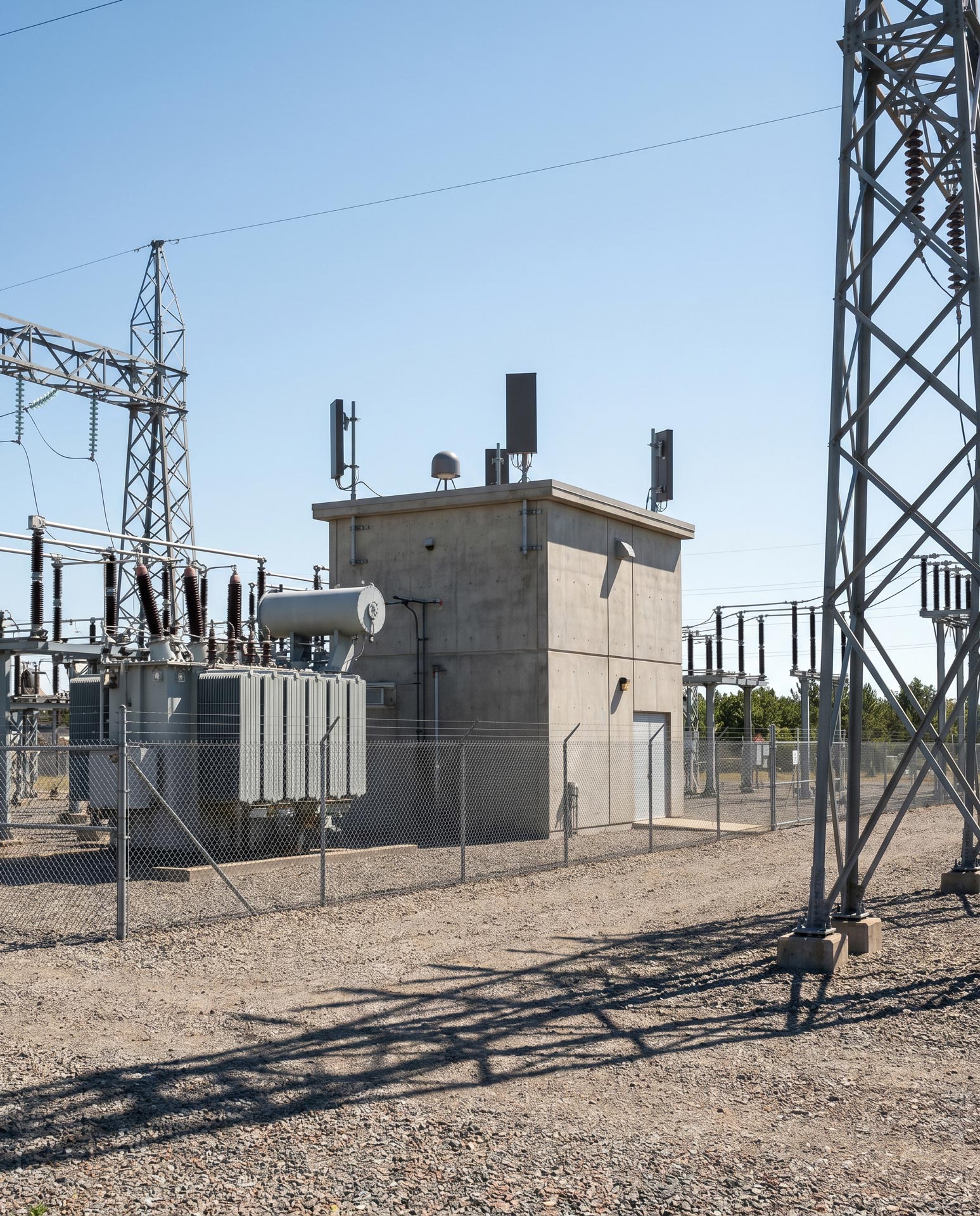
Fixed and semi‑fixed installations
Fixed jamming installations are used to protect defined areas, facilities or infrastructure where persistent coverage is required.
Typical applications include:
Protection of critical infrastructure
Securing sensitive government or military sites
Counter‑drone protection for fixed locations
Controlled environments such as prisons or secured facilities
System configuration depends on area size, threat profile and regulatory constraints.
System configuration depends on area size, threat profile and regulatory constraints.
Portable and man‑portable systems
Portable jamming systems support operations where mobility, rapid deployment and flexible positioning are required.
They are typically used for:
Dismounted patrol protection
EOD and IEDD interventions
Temporary protection of exposed personnel or assets
Vehicle‑integrated jamming systems
Vehicle‑integrated jammers are used to protect tactical, logistic and support vehicles during movement and static operations.
Key operational features include:
Continuous protection during convoy operations
Coverage of multiple threat frequency ranges
Integration with vehicle power and control systems
Compatibility with other vehicle‑mounted protection and communication equipment
These systems are commonly deployed in military patrol, escort and route‑related missions.
Fixed and semi‑fixed installations
Fixed jamming installations are used to protect defined areas, facilities or infrastructure where persistent coverage is required.
Typical applications include:
Protection of critical infrastructure
Securing sensitive government or military sites
Counter‑drone protection for fixed locations
Controlled environments such as prisons or secured facilities
System configuration depends on area size, threat profile and regulatory constraints.
System configuration depends on area size, threat profile and regulatory constraints.
Portable and man‑portable systems
Portable jamming systems support operations where mobility, rapid deployment and flexible positioning are required.
They are typically used for:
Dismounted patrol protection
EOD and IEDD interventions
Temporary protection of exposed personnel or assets
Vehicle‑integrated jamming systems
Vehicle‑integrated jammers are used to protect tactical, logistic and support vehicles during movement and static operations.
Key operational features include:
Continuous protection during convoy operations
Coverage of multiple threat frequency ranges
Integration with vehicle power and control systems
Compatibility with other vehicle‑mounted protection and communication equipment
These systems are commonly deployed in military patrol, escort and route‑related missions.
Fixed and semi‑fixed installations
Fixed jamming installations are used to protect defined areas, facilities or infrastructure where persistent coverage is required.
Typical applications include:
Protection of critical infrastructure
Securing sensitive government or military sites
Counter‑drone protection for fixed locations
Controlled environments such as prisons or secured facilities
System configuration depends on area size, threat profile and regulatory constraints.
System configuration depends on area size, threat profile and regulatory constraints.
Portable and man‑portable systems
Portable jamming systems support operations where mobility, rapid deployment and flexible positioning are required.
They are typically used for:
Dismounted patrol protection
EOD and IEDD interventions
Temporary protection of exposed personnel or assets
Vehicle‑integrated jamming systems
Vehicle‑integrated jammers are used to protect tactical, logistic and support vehicles during movement and static operations.
Key operational features include:
Continuous protection during convoy operations
Coverage of multiple threat frequency ranges
Integration with vehicle power and control systems
Compatibility with other vehicle‑mounted protection and communication equipment
These systems are commonly deployed in military patrol, escort and route‑related missions.
Fixed and semi‑fixed installations
Fixed jamming installations are used to protect defined areas, facilities or infrastructure where persistent coverage is required.
Typical applications include:
Protection of critical infrastructure
Securing sensitive government or military sites
Counter‑drone protection for fixed locations
Controlled environments such as prisons or secured facilities
System configuration depends on area size, threat profile and regulatory constraints.
System configuration depends on area size, threat profile and regulatory constraints.
Jamming systems are most effective when integrated with other protective and mitigation measures. This integrated use supports coherent protection concepts rather than isolated technical countermeasures.
Jamming Systems form one element of the broader GCS product and capability landscape. Depending on operational requirements, they are combined with:
Jamming systems are most effective when integrated with other protective and mitigation measures. This integrated use supports coherent protection concepts rather than isolated technical countermeasures.
Jamming Systems form one element of the broader GCS product and capability landscape. Depending on operational requirements, they are combined with:
Jamming systems are most effective when integrated with other protective and mitigation measures. This integrated use supports coherent protection concepts rather than isolated technical countermeasures.
Jamming Systems form one element of the broader GCS product and capability landscape. Depending on operational requirements, they are combined with:
Jamming systems are most effective when integrated with other protective and mitigation measures. This integrated use supports coherent protection concepts rather than isolated technical countermeasures.
Jamming Systems form one element of the broader GCS product and capability landscape. Depending on operational requirements, they are combined with:
Operational experience from the field, across contexts and missions.
Operational experience from the field, across contexts and missions.
Operational experience from the field, across contexts and missions.
Operational experience from the field, across contexts and missions.

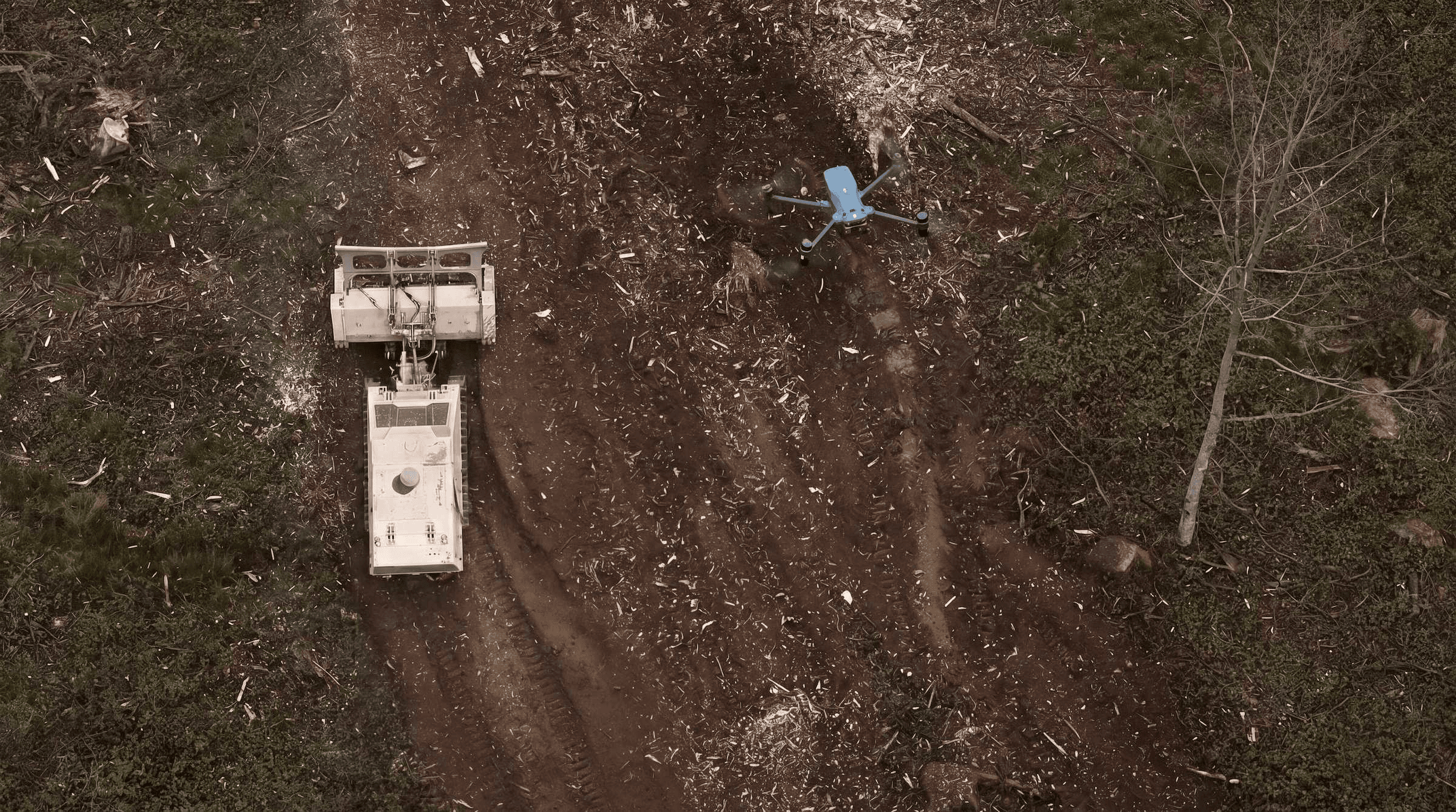
Configure the right system for your task
GCS helps define the right platform, attachments, sensors and support package based on threat type, terrain and mission requirements.
Configure the right system for your task
GCS helps define the right platform, attachments, sensors and support package based on threat type, terrain and mission requirements.
Configure the right system for your task
GCS helps define the right platform, attachments, sensors and support package based on threat type, terrain and mission requirements.
Configure the right system for your task
GCS helps define the right platform, attachments, sensors and support package based on threat type, terrain and mission requirements.