Minefield Breaching
Creating controlled lanes through mine and obstacle threats to support manoeuvre under operational pressure
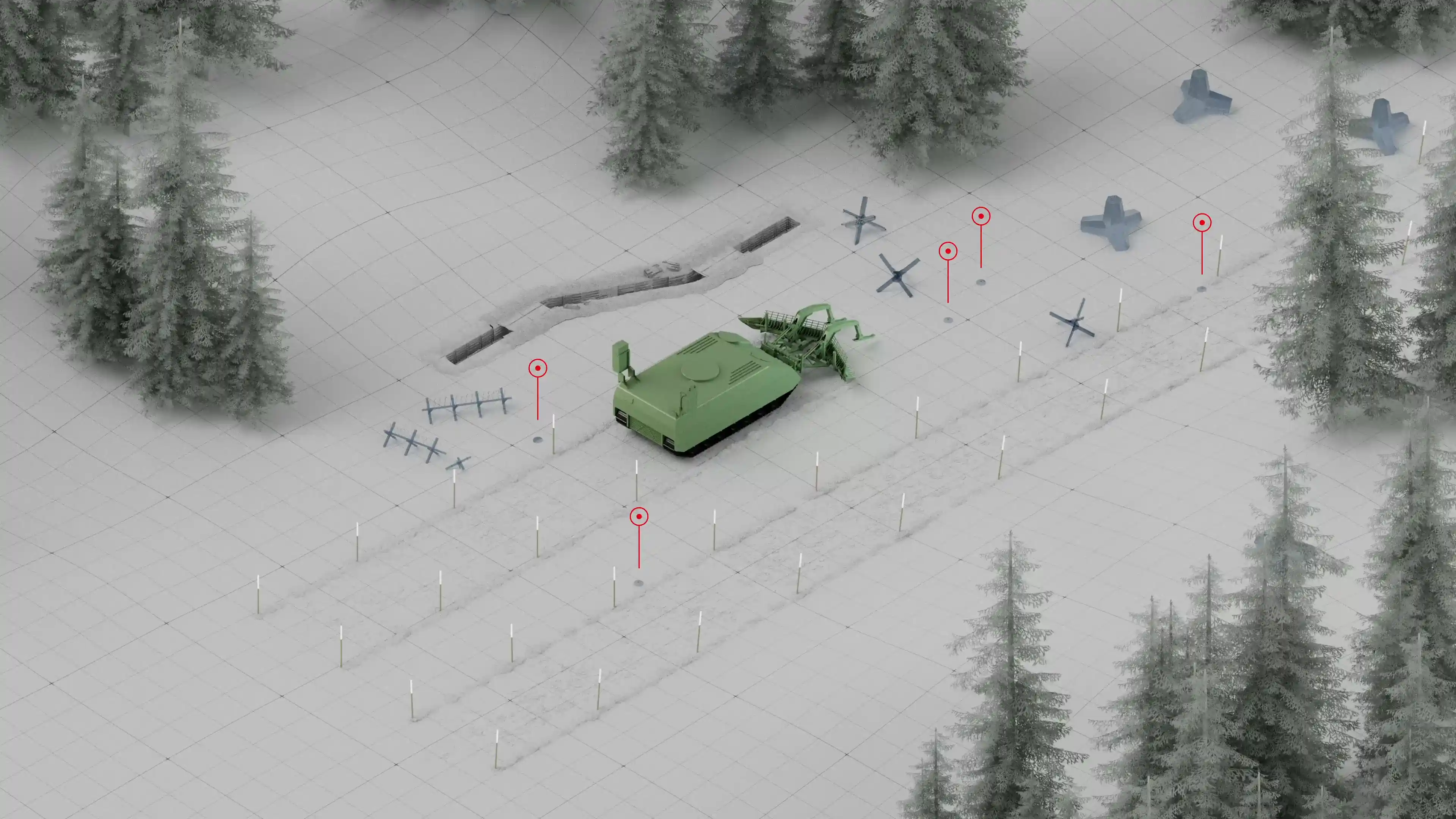
Minefield breaching is conducted under time pressure to restore mobility, support force protection and overcome denial measures, often under direct or indirect threat. Mine-laying patterns may be unclear, boundaries may be uncertain and threats may be mixed, including anti-personnel mines, anti-vehicle mines, anti-tank mines and obstacles integrated into defensive belts. The challenge is to create a controlled and marked lane that follow-on forces can use with confidence while maintaining tempo and reducing exposure.
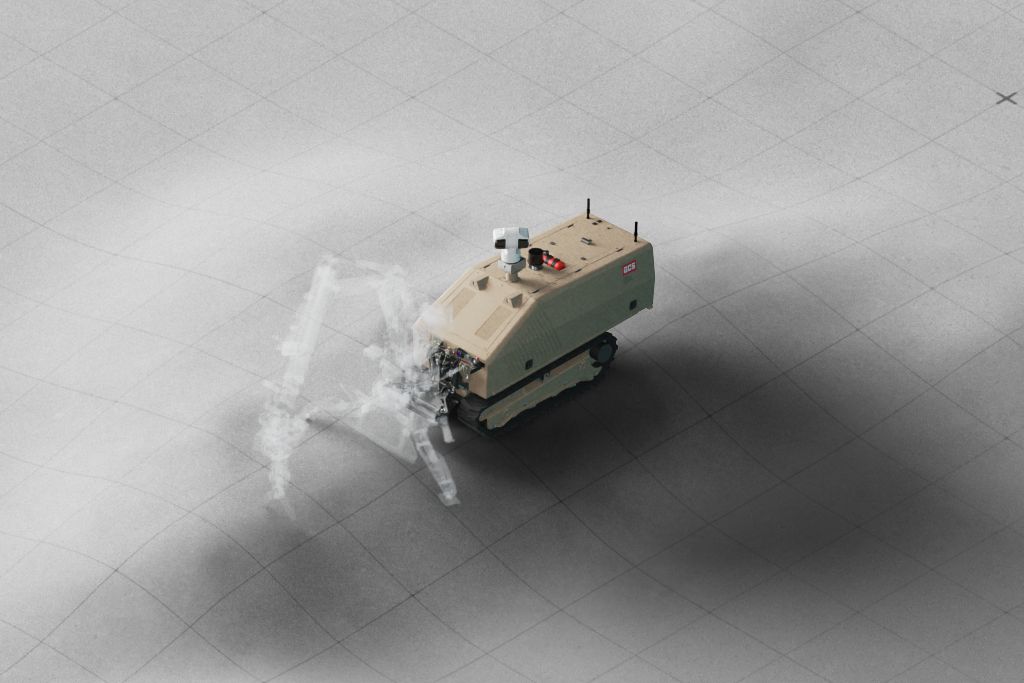
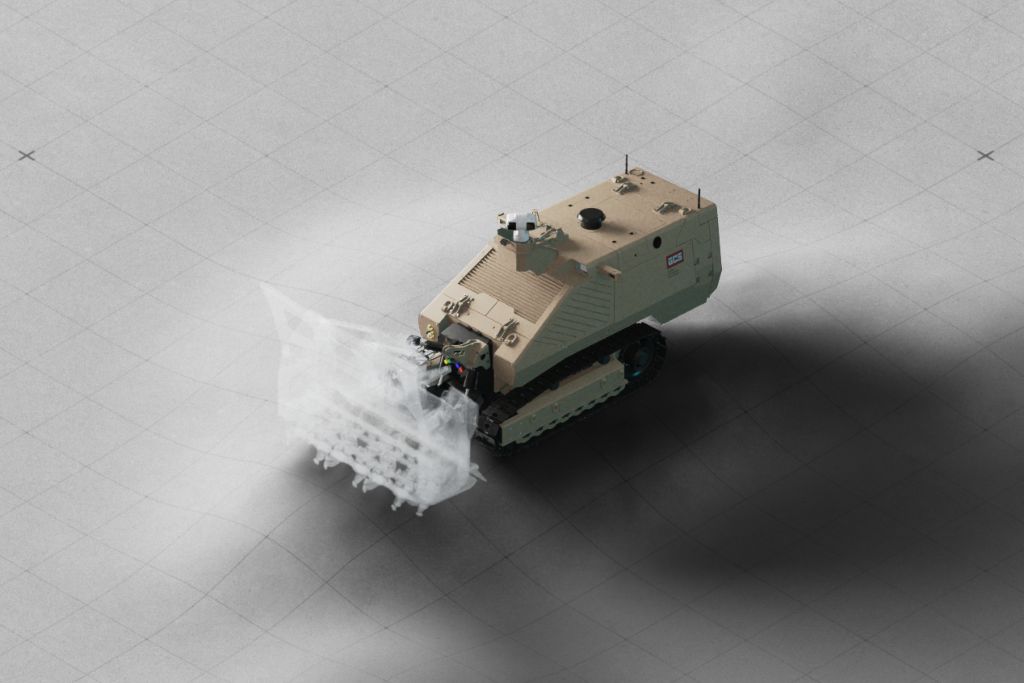
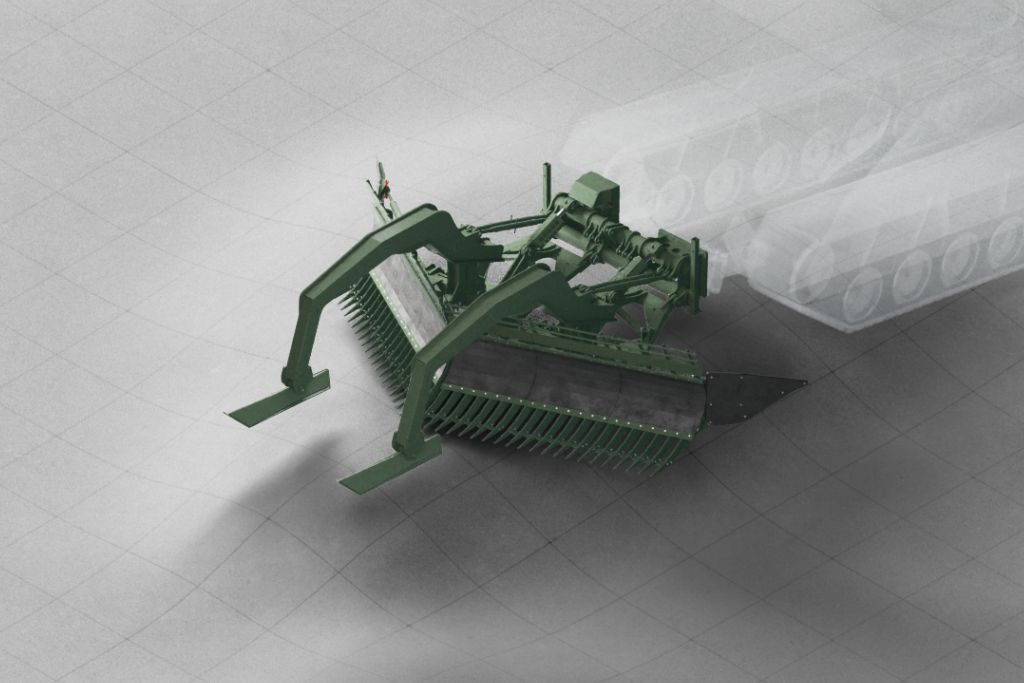
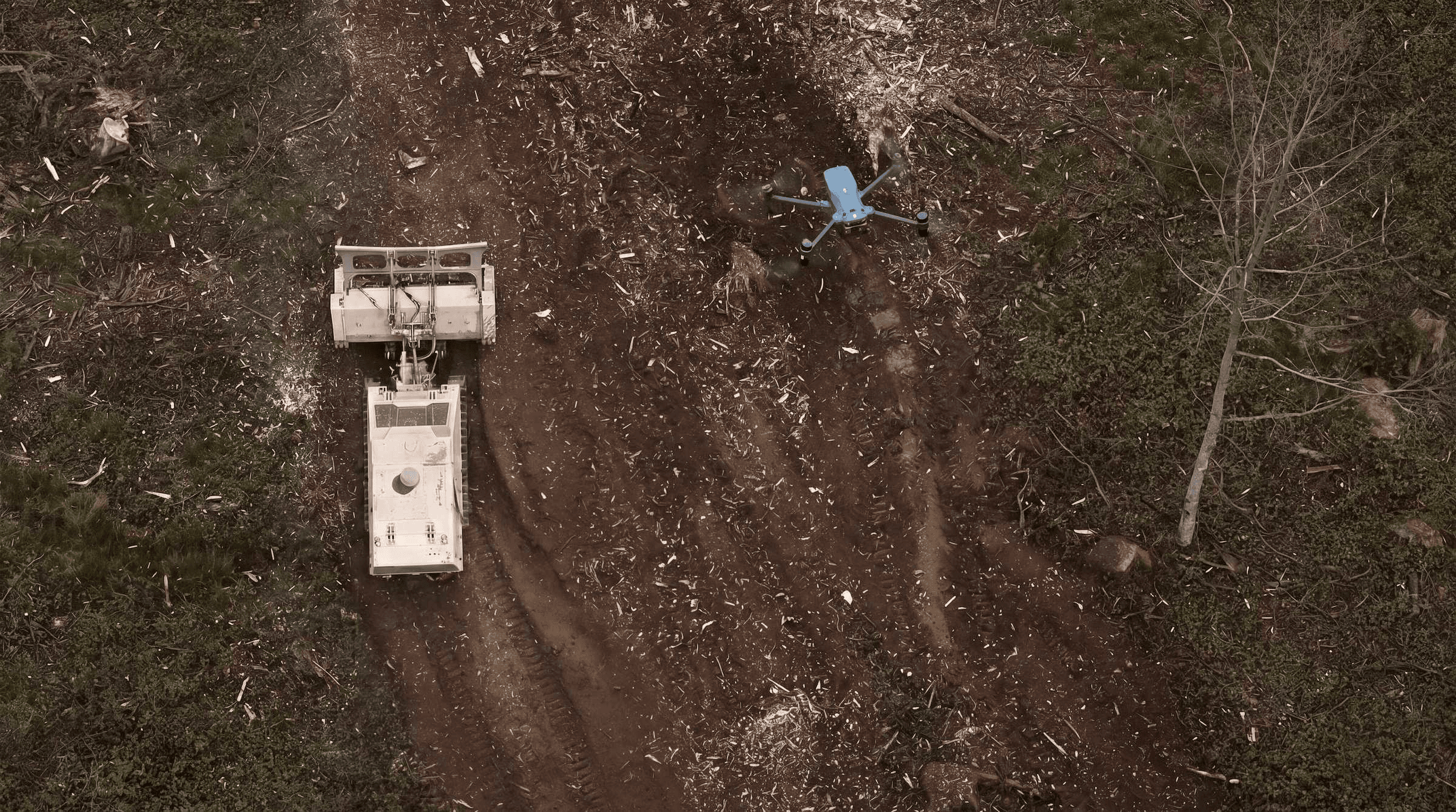
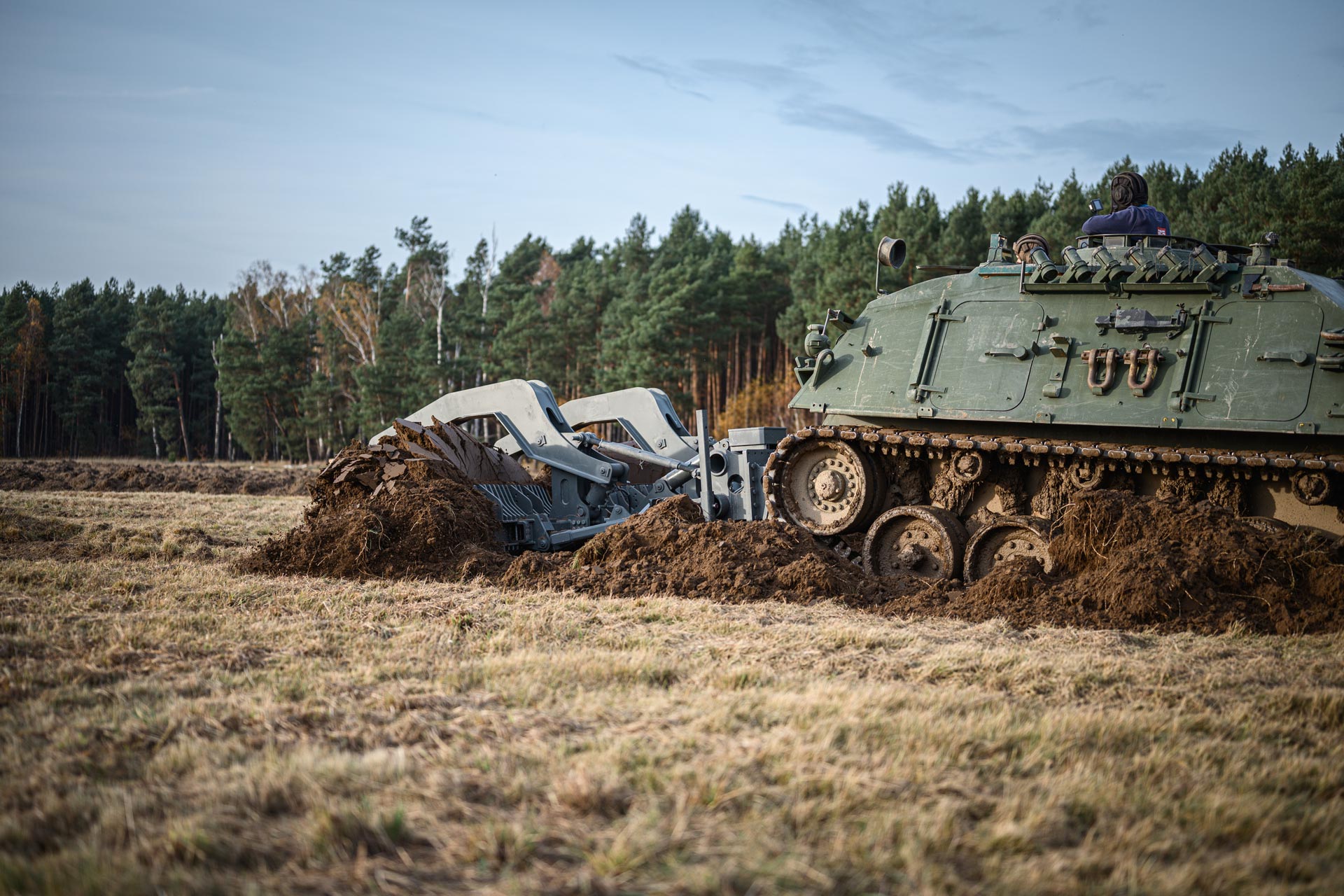
GCS approaches Minefield Breaching as a deliberate, system-based combat engineering capability. Breaching is supported through an integrated process combining reconnaissance, mechanical reduction, lane marking, confirmation and verification, using ploughs, rollers, flails, tillers and remote or protected platforms as required, supported by sensors, visual systems and digital tracking. This approach prioritises standoff, controlled progression and system feedback, supporting lane adjustment, verification and documentation for command decision-making and follow-on movement.
Where Minefield Breaching fits
Minefield Breaching is primarily a military and defence capability, supporting combat engineering, manoeuvre and force protection. It is distinct from Route Clearance, which focuses on controlled movement along defined corridors, and from Demining (HMA), which focuses on evidence-based land release where landmine contamination is suspected or confirmed.
GCS Minefield Breaching solutions support the creation of controlled, marked and verified lanes through mine and obstacle threats. At capability level, it brings together breaching methods, tools and operational support required to support manoeuvre through explosive obstacles under operational pressure.
Breaching tools
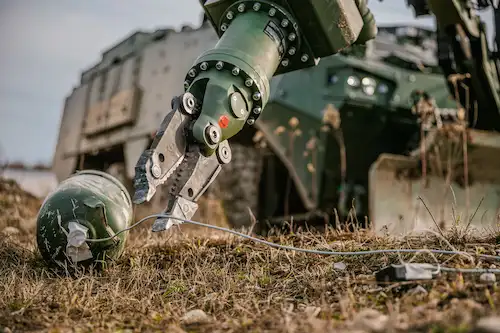
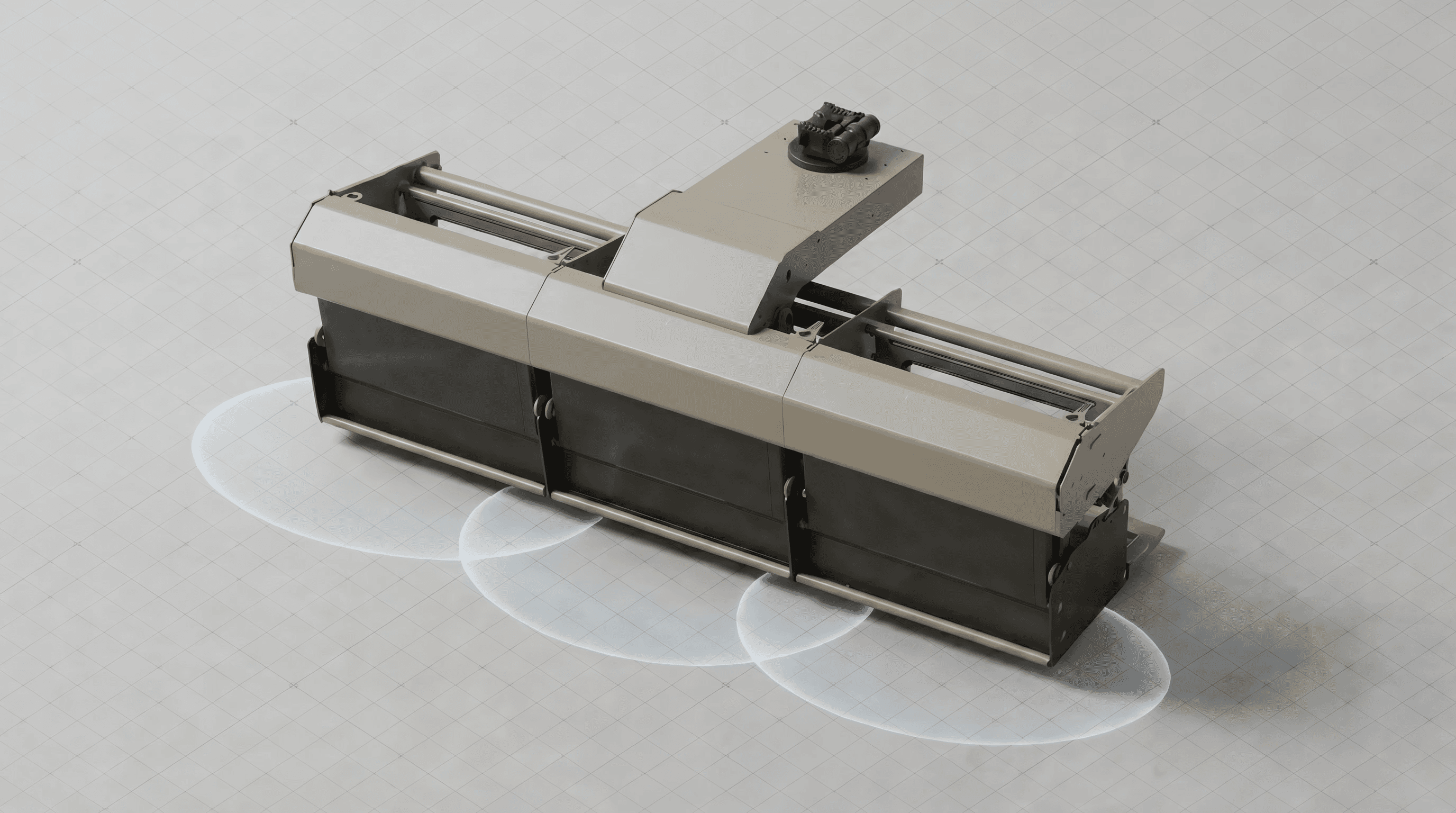
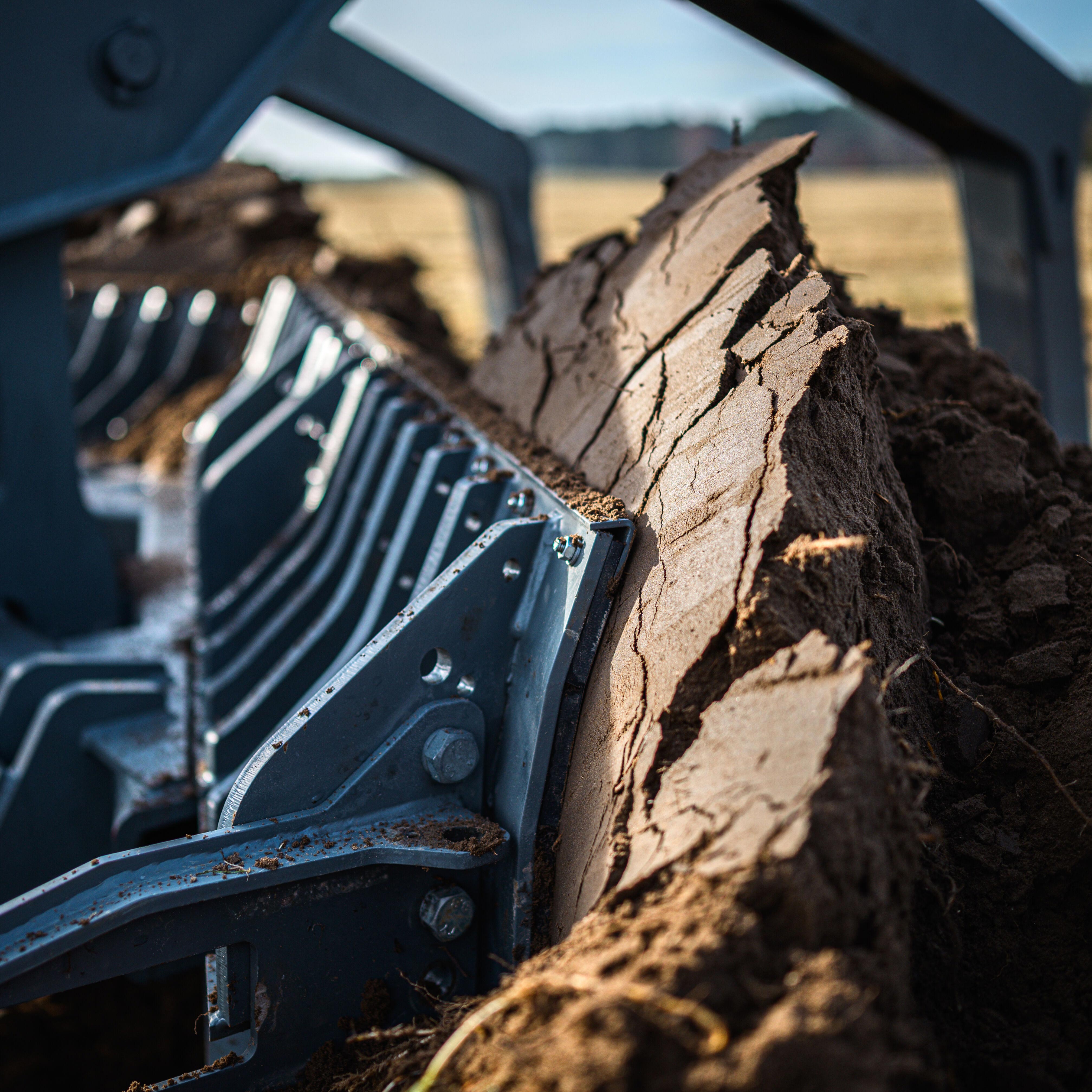
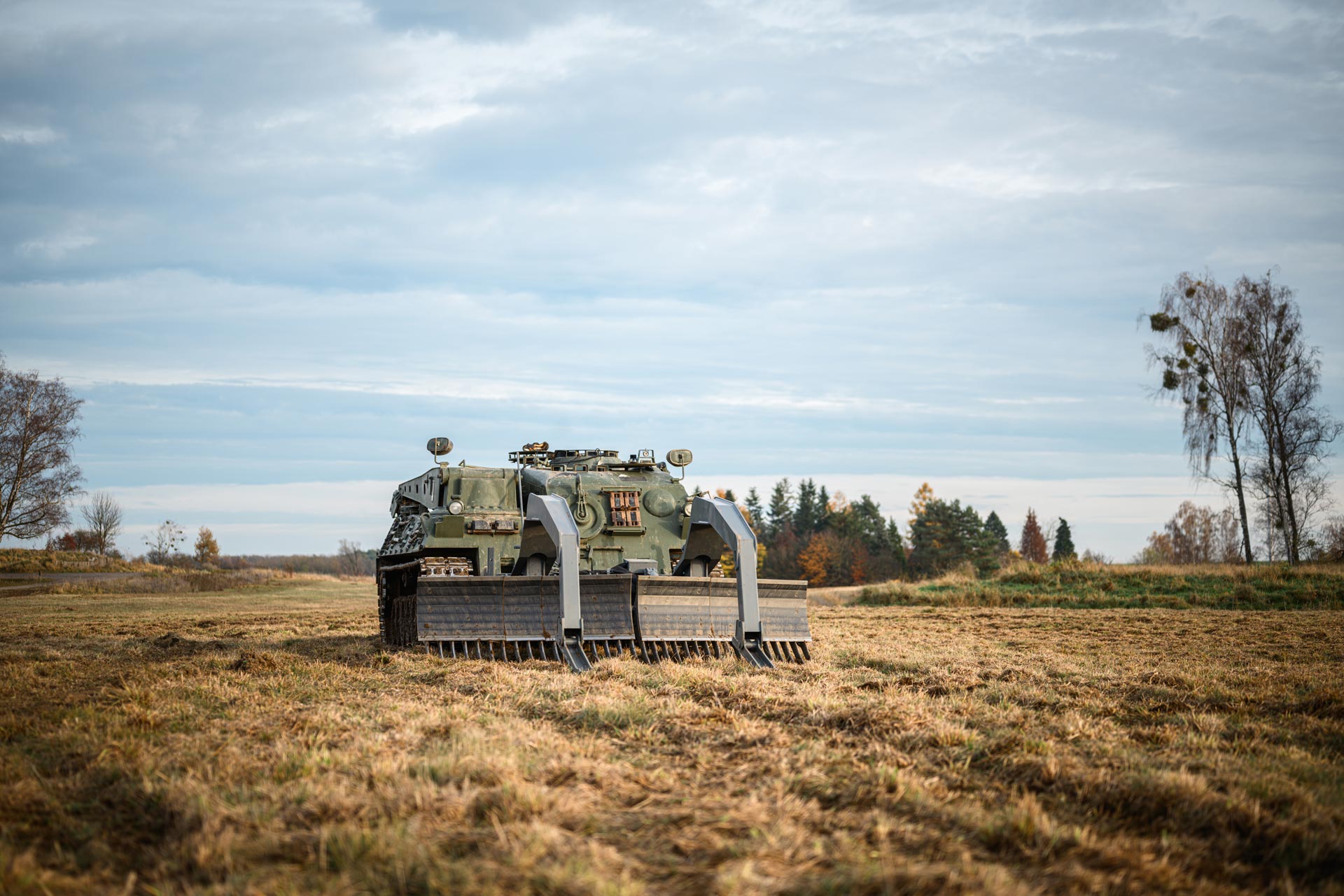
Mechanical breaching tools designed to displace, detonate or mechanically disrupt mine threats
Platform survivability
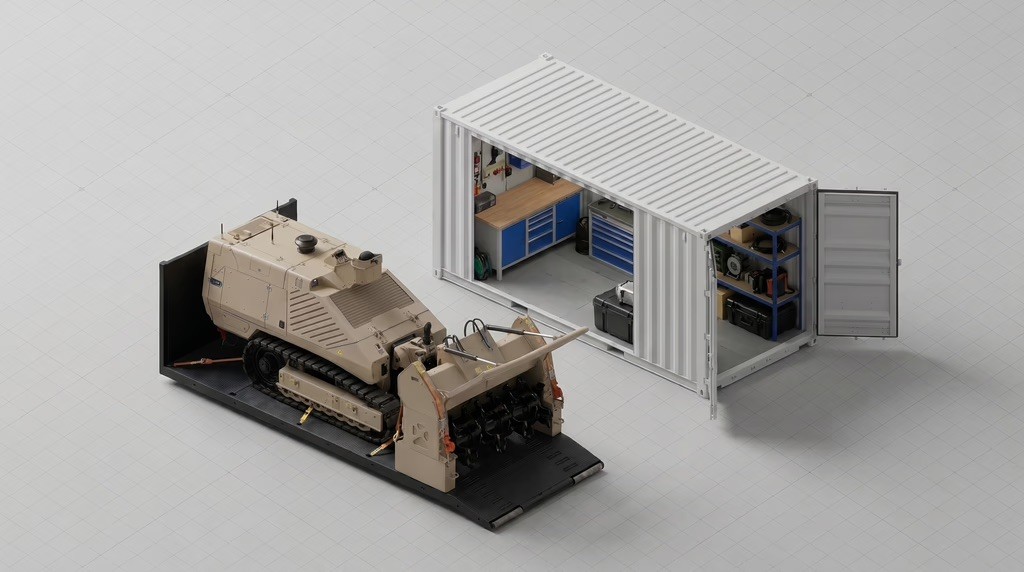
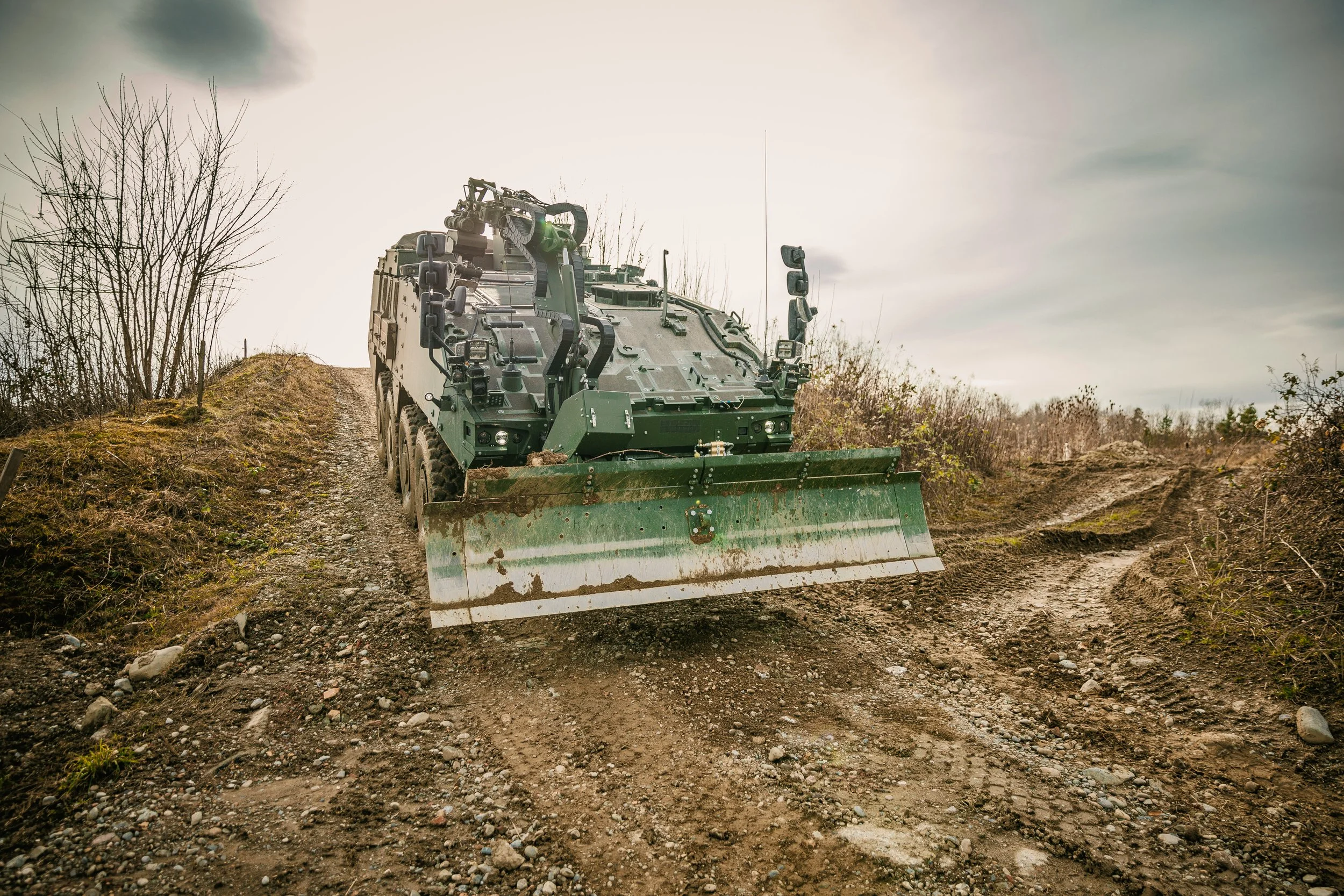
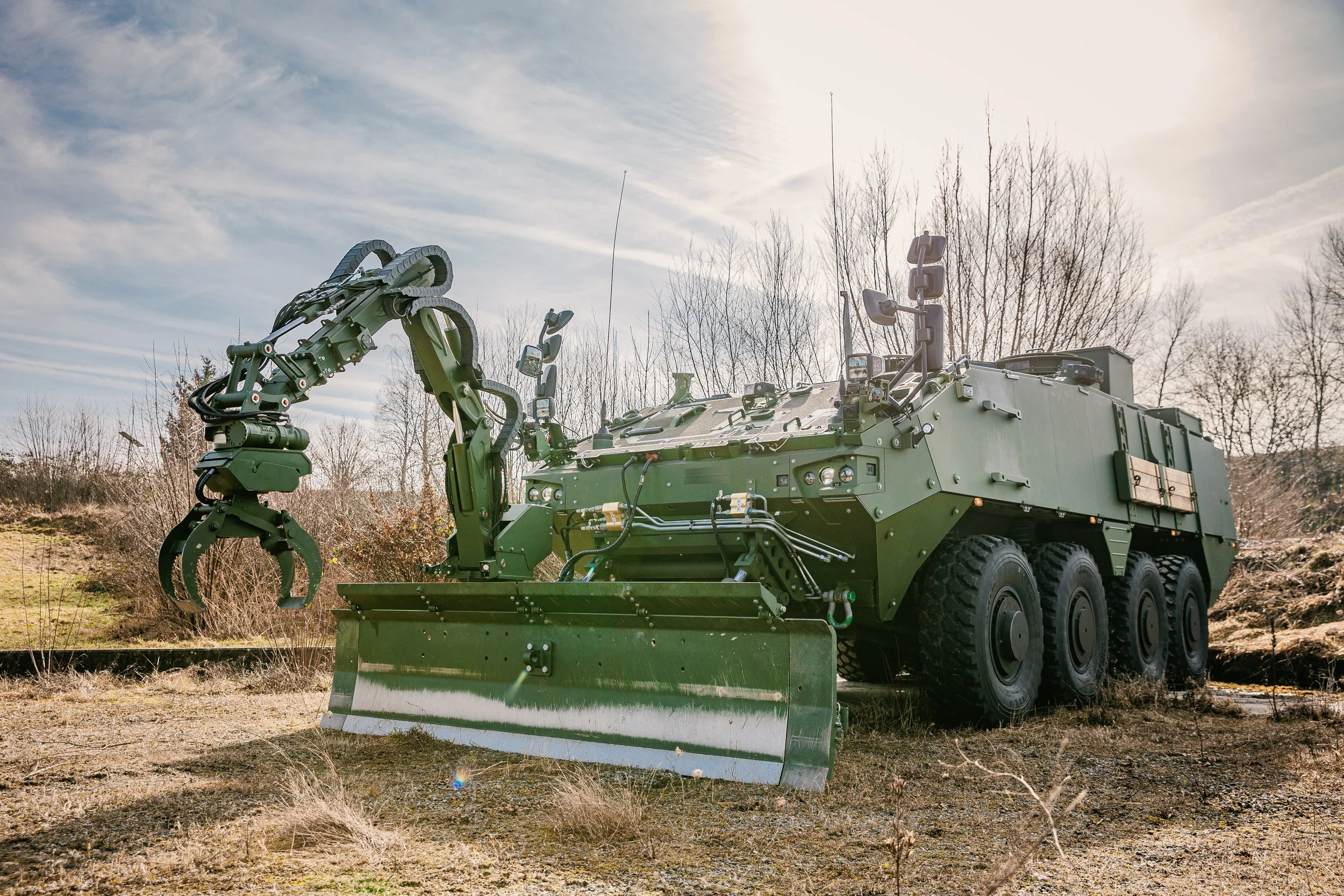
Platform configurations optimised for controlled progression and survivability
Lane marking
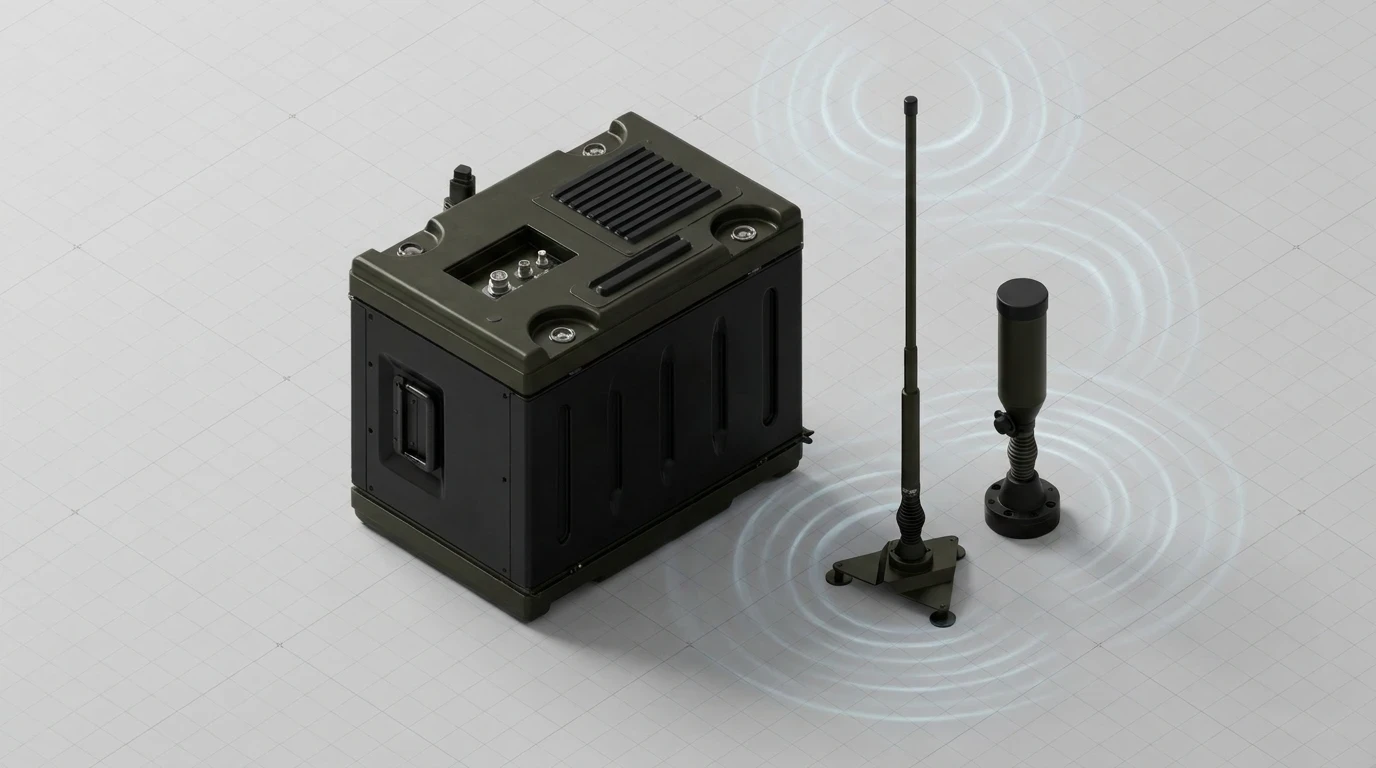
Lane marking and visual or digital guidance systems
Handover
Processes for lane confirmation, verification and handover
Data and reporting
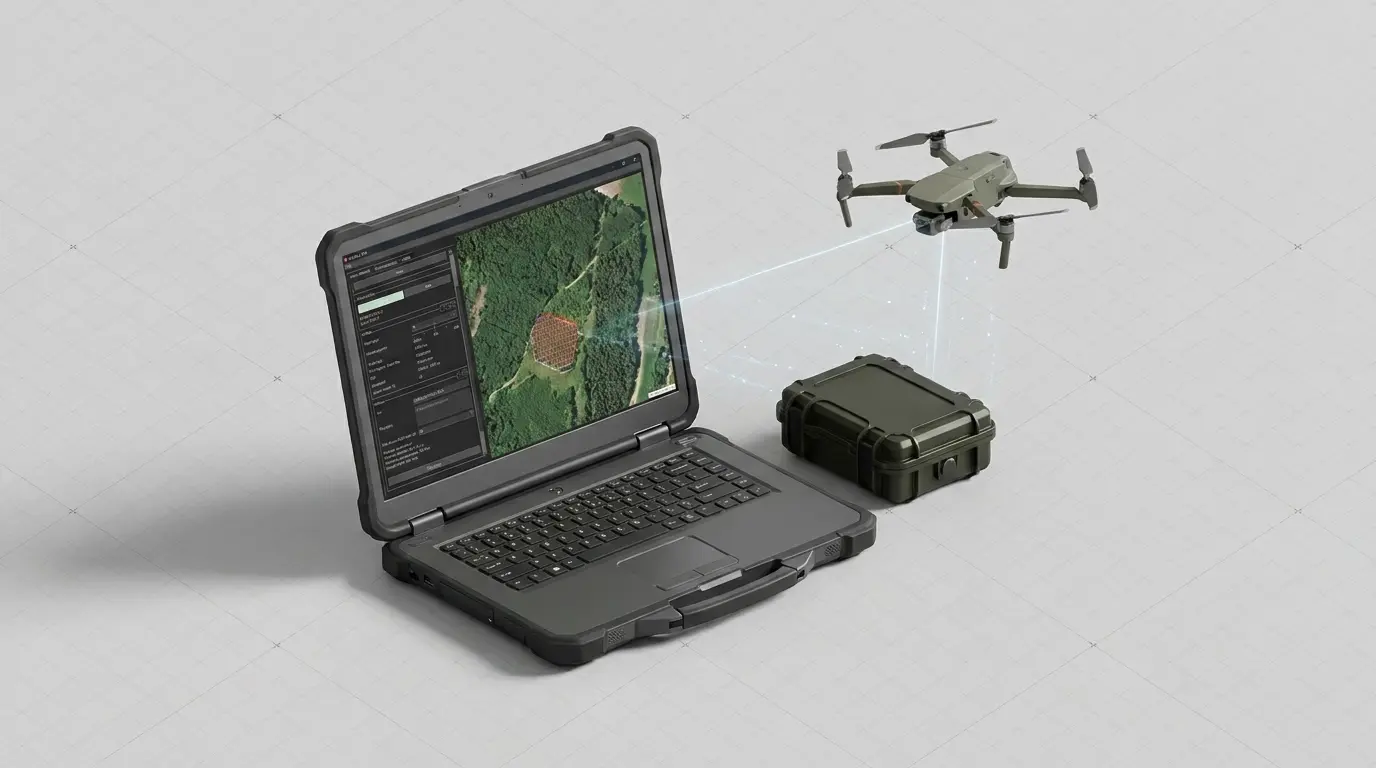
Data capture and reporting to support command awareness and post‑operation review