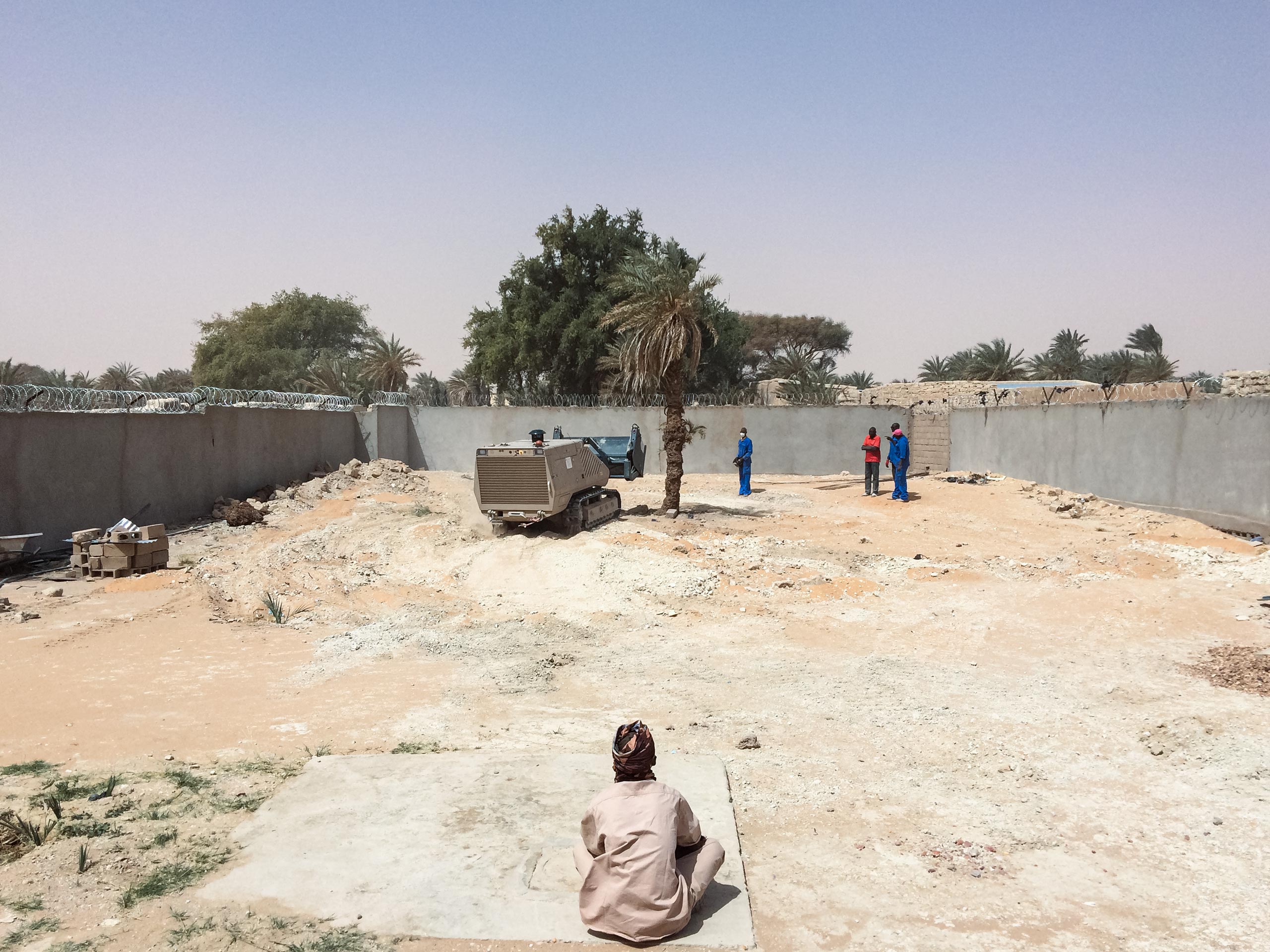
Northeastern Nigeria remains affected by improvised explosive devices and other explosive threats linked to prolonged insurgency activity, particularly in the states of Adamawa, Borno and Yobe. These threats continue to impact civilian movement, military operations and access to key transport routes, requiring structured and sustained counter‑IED and route‑clearance capabilities.
Mine action and explosive threat mitigation efforts in Nigeria are primarily led by national institutions, supported by international technical partners. In this context, the development of safe mobility along critical routes is a priority, particularly in areas where improvised devices are widely used in both urban and rural environments.
GCS supports national efforts through technical assistance and advisory input, focused on enabling safe movement and strengthening operational capacity. Engagement is centred on advisory services, concept development and targeted technical input.
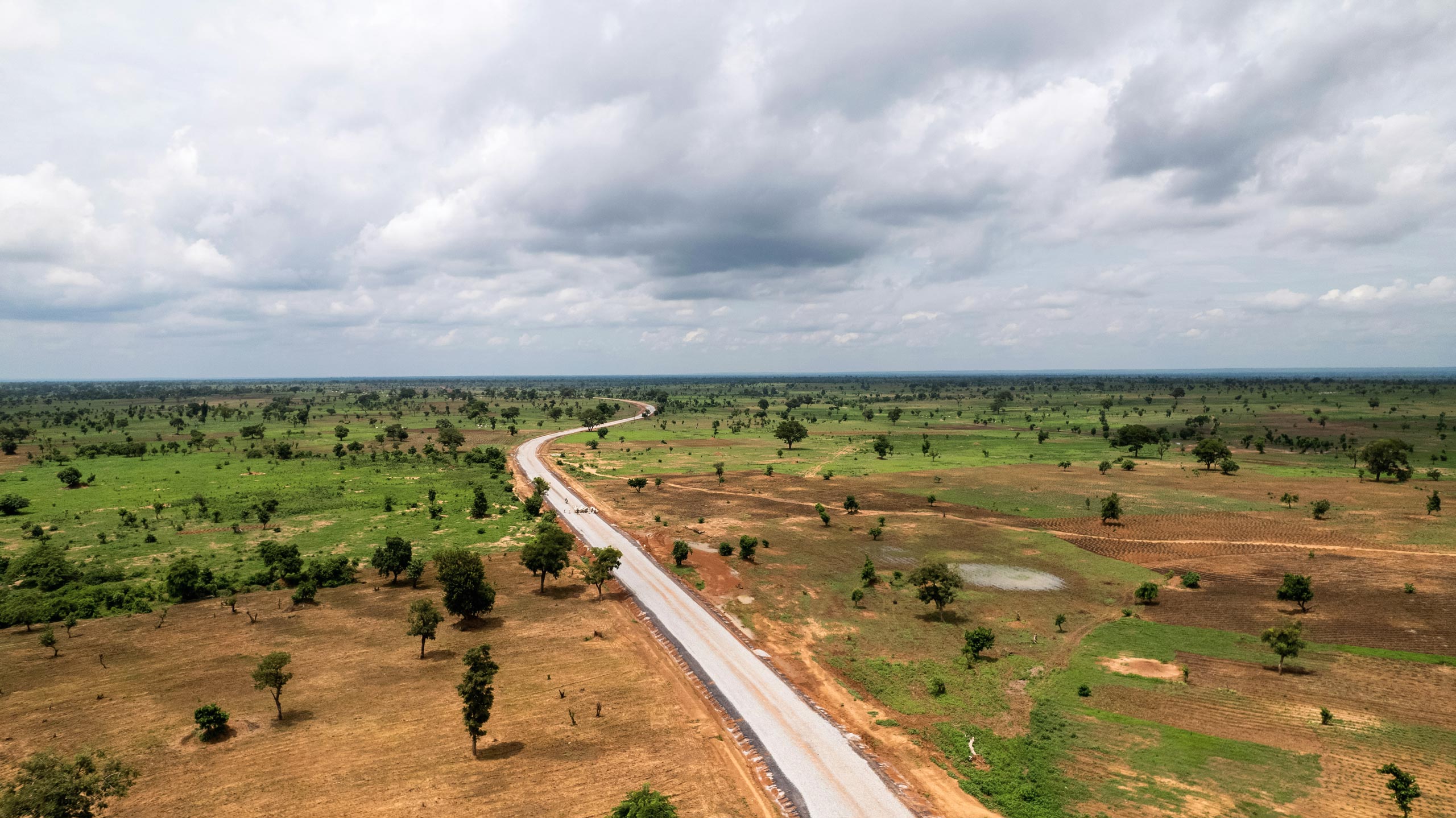
Route clearance and mobility support
Route clearance is a central requirement in the Nigerian context, particularly along main supply routes where a significant proportion of IED incidents occur. GCS supports the development of operational concepts and technical approaches for Route Clearance activities, including system integration, detection approaches and safe operational procedures.
Capacity development and technical advisory
GCS contributes to the development of institutional capability through advisory support related to planning, training and operational structuring in counter‑IED and explosive threat mitigation environments.
Technology integration
GCS supports the integration of appropriate technologies into operational concepts, including Detection solutions, Route Clearance configurations and supporting systems. The focus is on ensuring that technologies are aligned with operational requirements, terrain conditions and user capability.
Operational presence through project‑based deployments.
