IEDD & Search
Managing improvised explosive threats that block access, movement and recovery
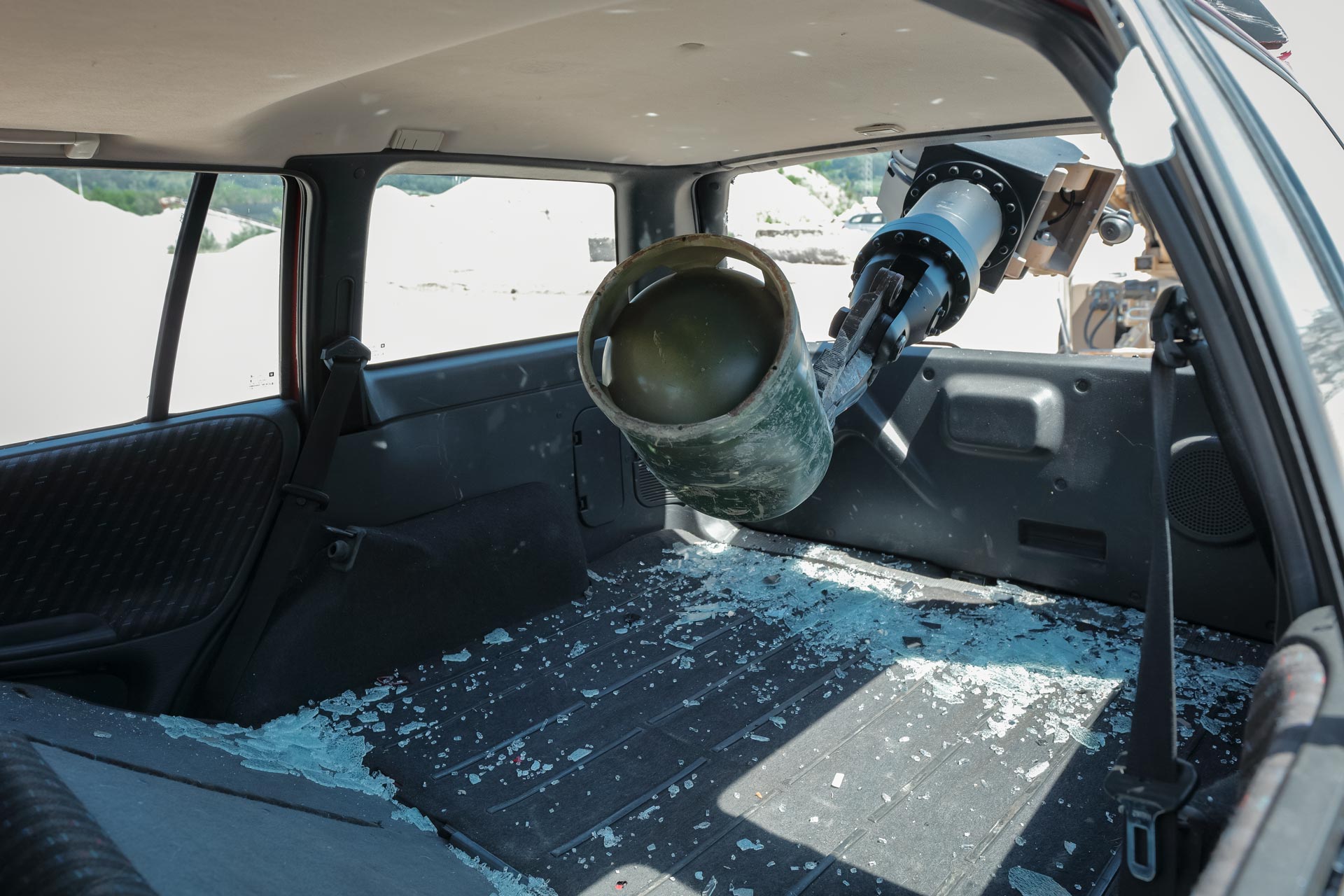
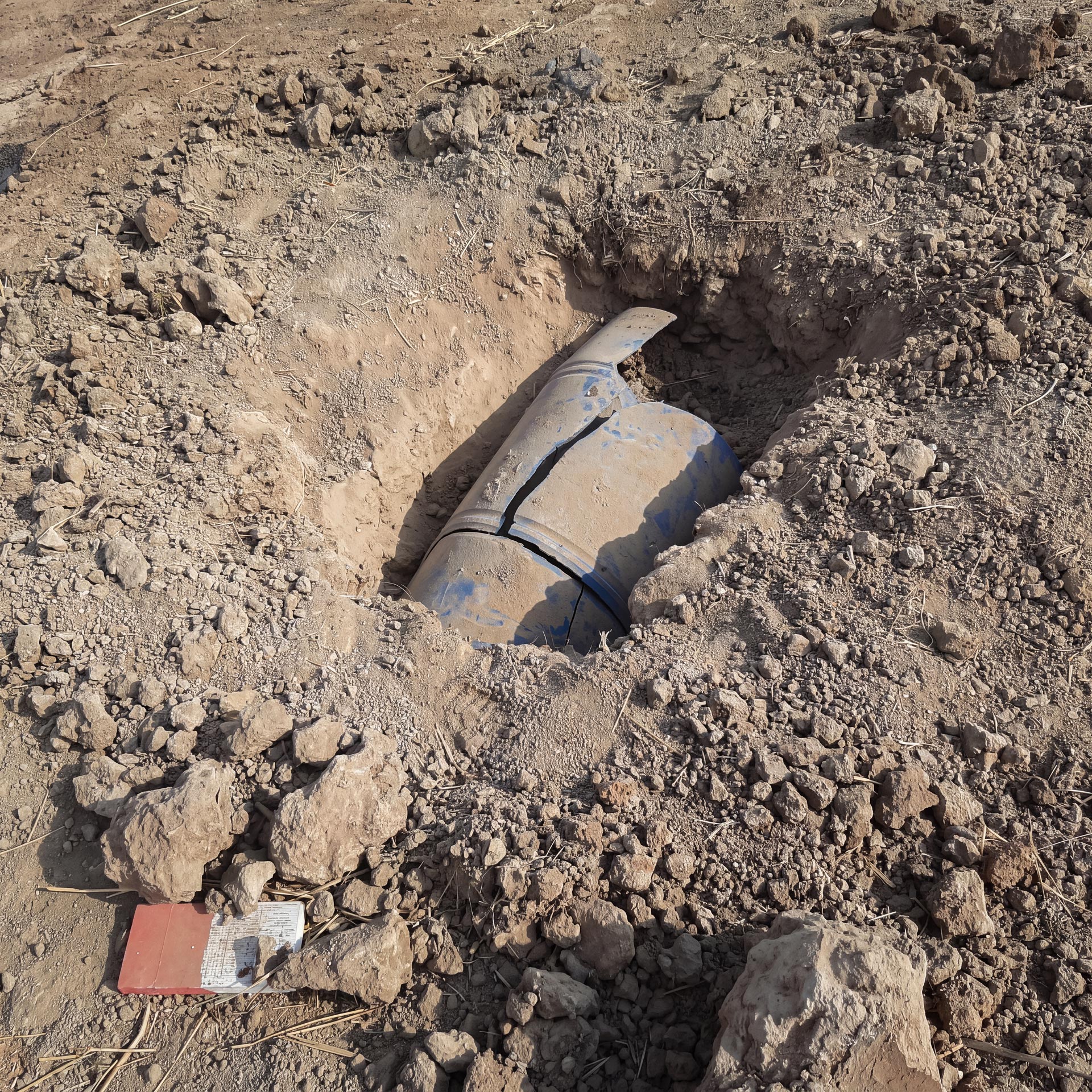
Improvised explosive threats are adaptive and unpredictable. Devices may be concealed, disguised or integrated into complex environments, and may be designed to target responders as well as intended victims. Unlike conventional explosive ordnance, IEDs do not follow standard design patterns, and their condition, initiation mechanisms and secondary hazards are often unknown. The challenge lies in managing uncertainty under operational pressure. Movement, humanitarian access or infrastructure work may need to continue, but the presence or suspicion of an improvised threat can prevent routine clearance. Each situation requires specialist judgement, control measures and disciplined procedures rather than area-based clearance methods alone.
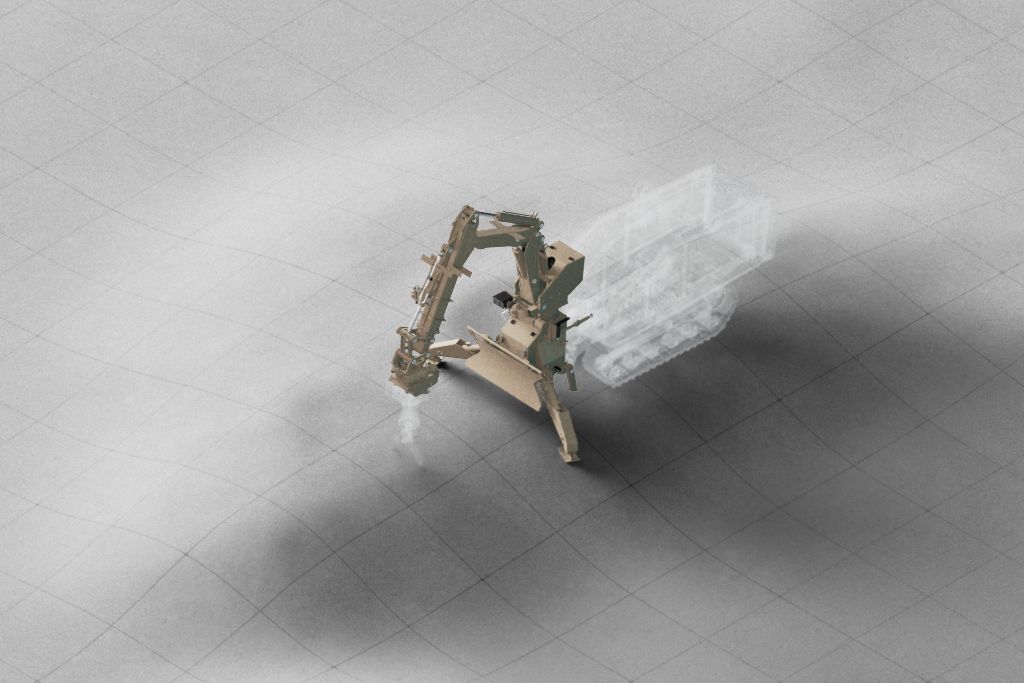
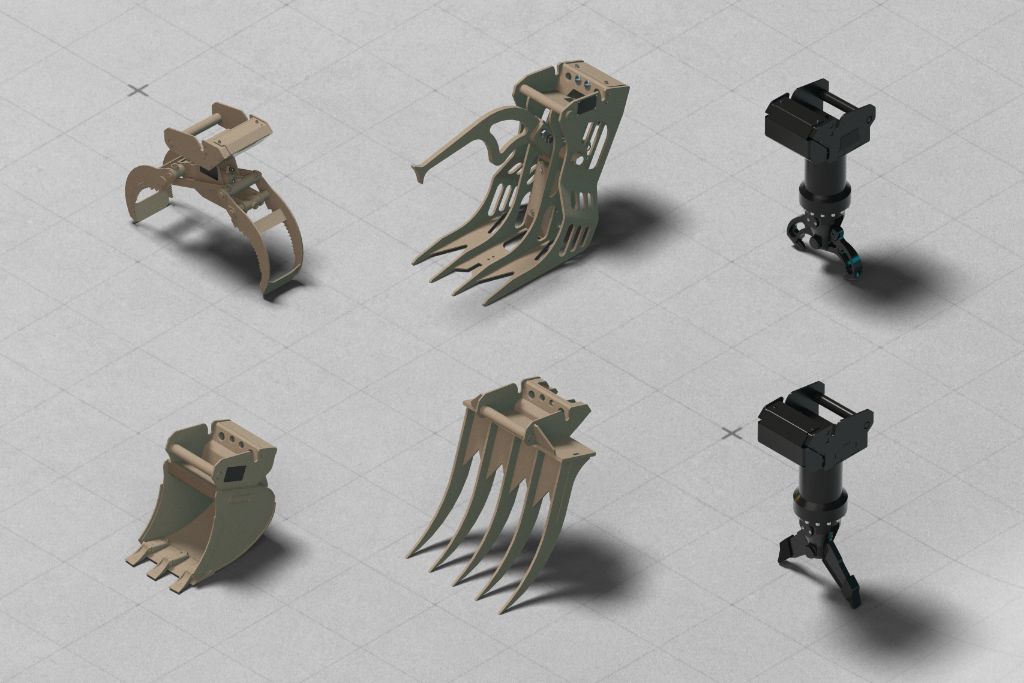
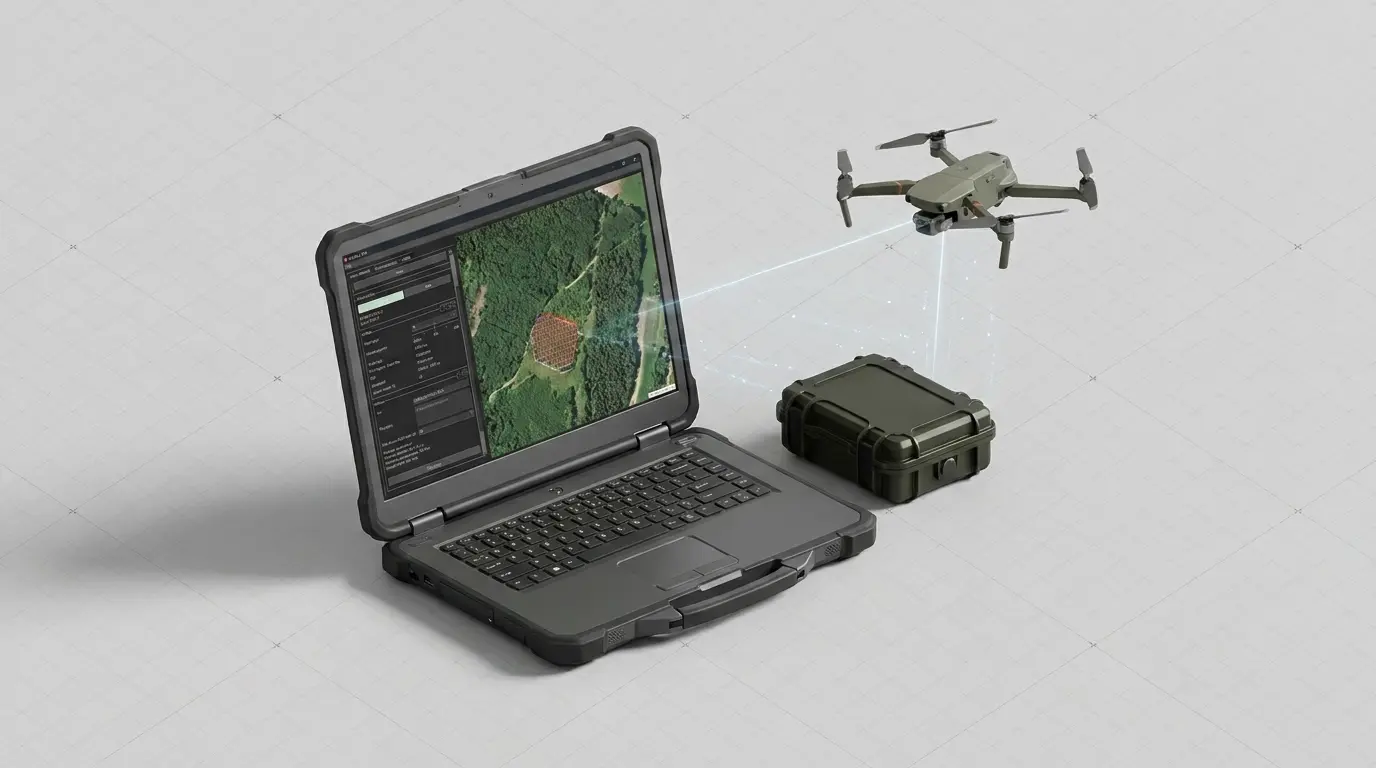
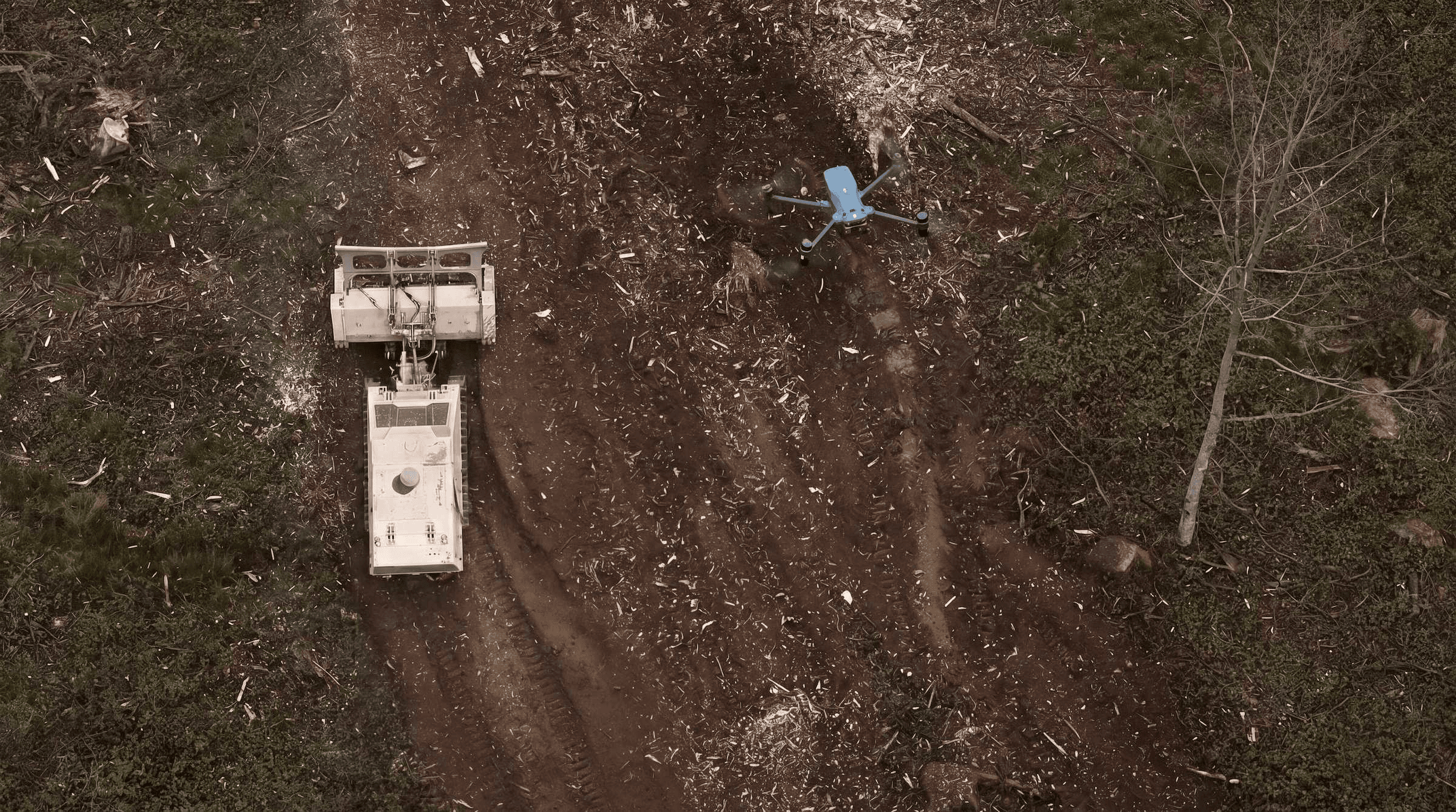
GCS approaches IEDD & Search as a controlled, specialist capability, built around evidence‑based assessment, procedural discipline and appropriate separation of roles. Search activities are used where there is a required to locate, indicate or help confirm suspected improvised threats in defined environments such as routes, buildings or compounds. Once a suspected or confirmed find is identified, responsibility transfers to the IEDD function for technical assessment and specialist follow-on action. The approach emphasises standoff, risk reduction and decision control. Where appropriate, mechanical assets, remote platforms, sensors and UAS-supported data collection are integrated to reduce exposure and support controlled intervention. Support models are designed to fit the operating context, authority framework and available resources, while maintaining consistent standards and control.
Where IEDD & Search fits
IEDD & Search is a cross‑cutting specialist capability that supports multiple operational contexts. In humanitarian and recovery environments, it supports the continuation of demining, battle area clearance and urban clearance when improvised threats are encountered or suspected during survey or clearance activities. In governmental and commercial contexts, it supports infrastructure repair, access restoration and compliance with safety obligations in IED-affected areas. IEDD & Search is distinct from Explosive Ordnance Disposal (EOD), which addresses conventional EO hazards, and from area-based clearance capabilities that support evidence-based land release or area handover.
GCS IEDD & Search solutions support the controlled identification and management of improvised explosive threats in complex environments. At capability level, it brings together the specialist methods, tools and operational support required to support controlled access, movement and continuity of operations where improvised hazards cannot be addressed through standard clearance alone.

Structured search
Structured search support for routes, buildings and defined task areas
Specialist assessment
Technical assessment and controlled specialist decision-making
Standoff‑based intervention
Integration with mechanical, remote and UAS-supported assets to maintain standoff
Handover and marking
Documented handover, marking, mapping and control measures
Documentation & quality assurance
IMAS-aligned documentation and quality management