Urban Clearance
Restoring controlled access and functionality in explosive‑contaminated urban environments
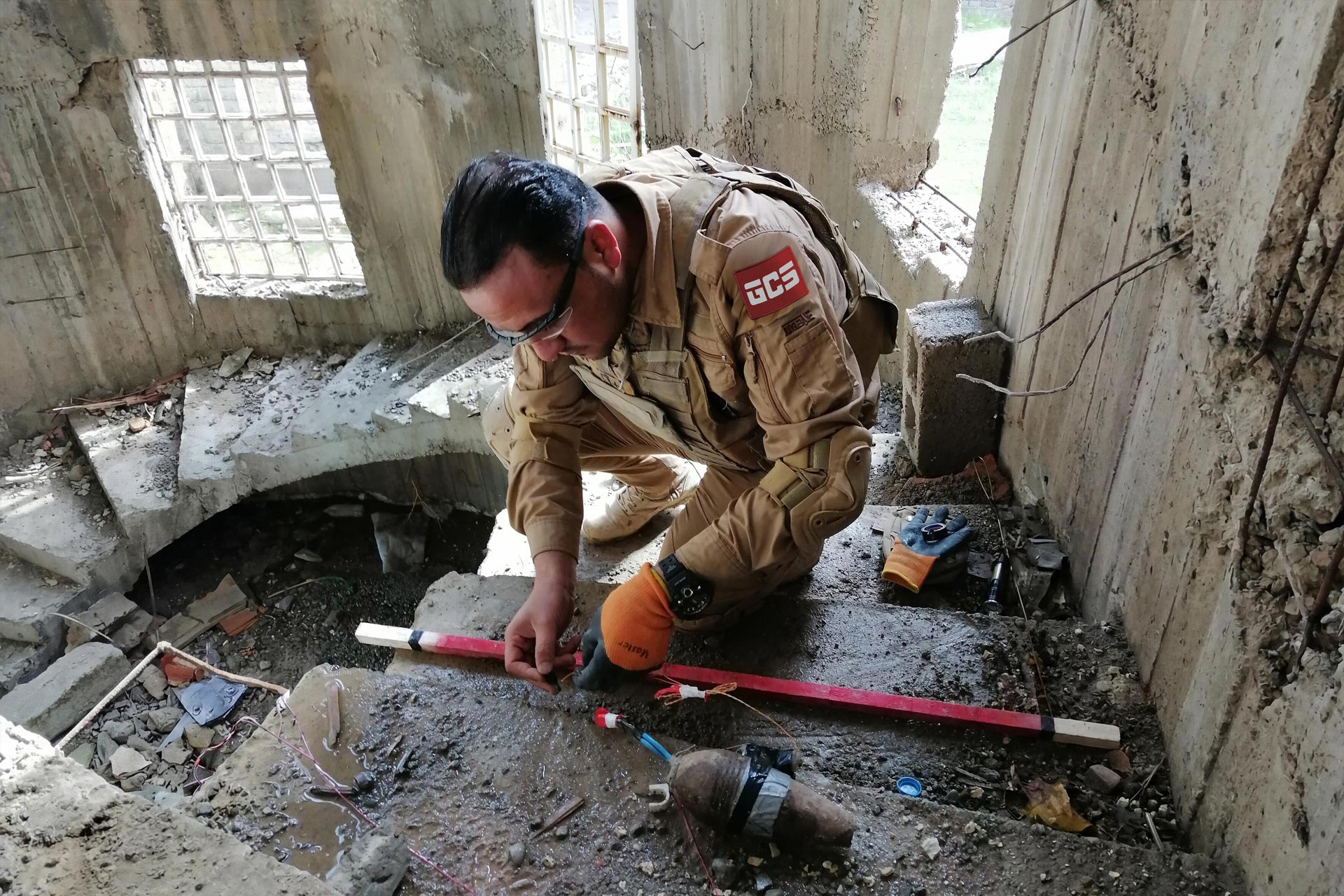
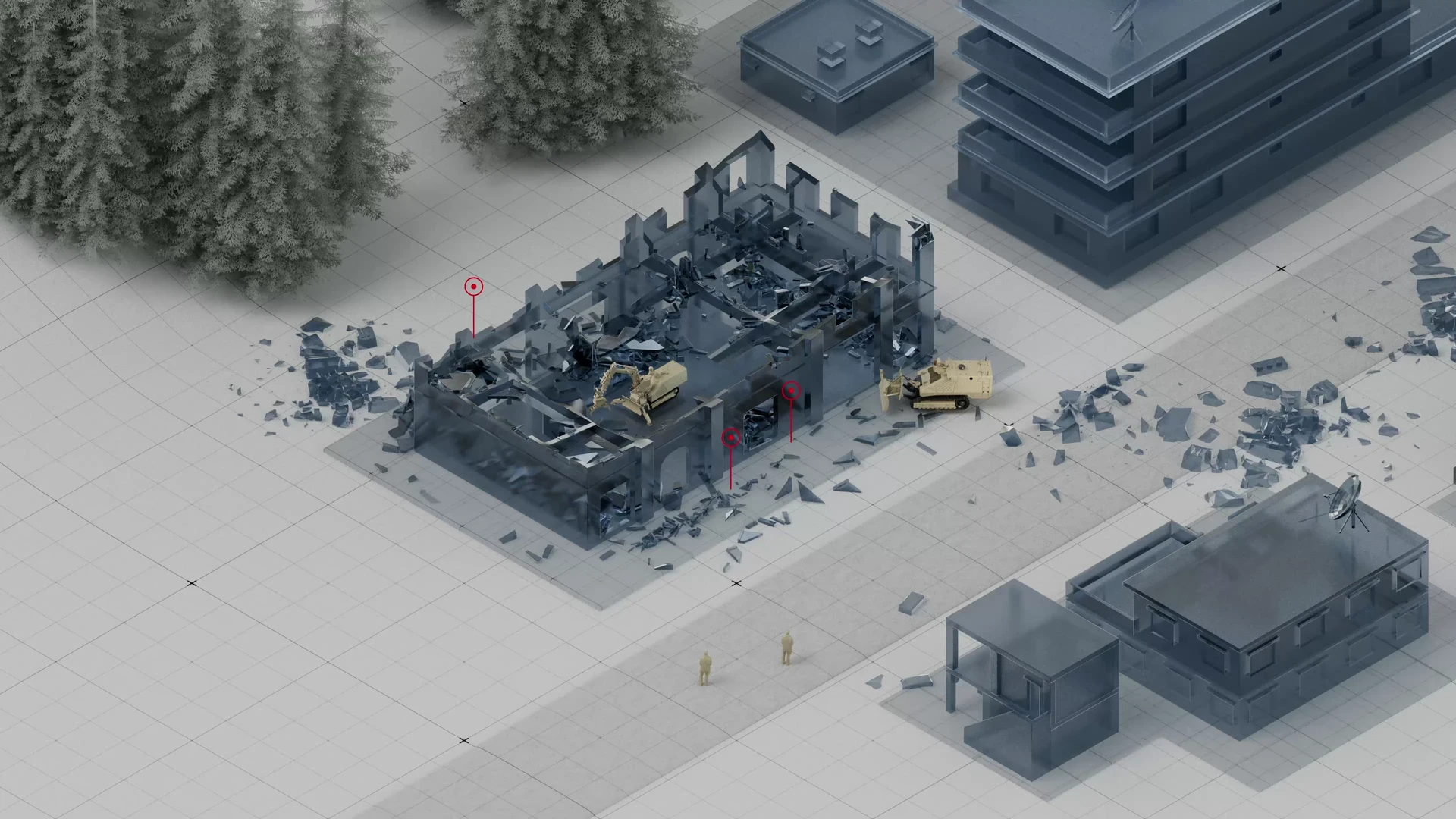
Urban environments present some of the most complex clearance conditions. Explosive hazards may be concealed within collapsed structures, voids, subterranean environments and debris piles. Contamination is rarely limited to one hazard type, while structural instability, restricted access and environmental hazards such as fuel residues or chemicals further complicate operations. At the same time, civilian presence, return pressure or public access requirements may be high. Access to housing, utilities, schools, healthcare facilities and public infrastructure can be urgently required, increasing pressure to complete any clearance in a short time line.
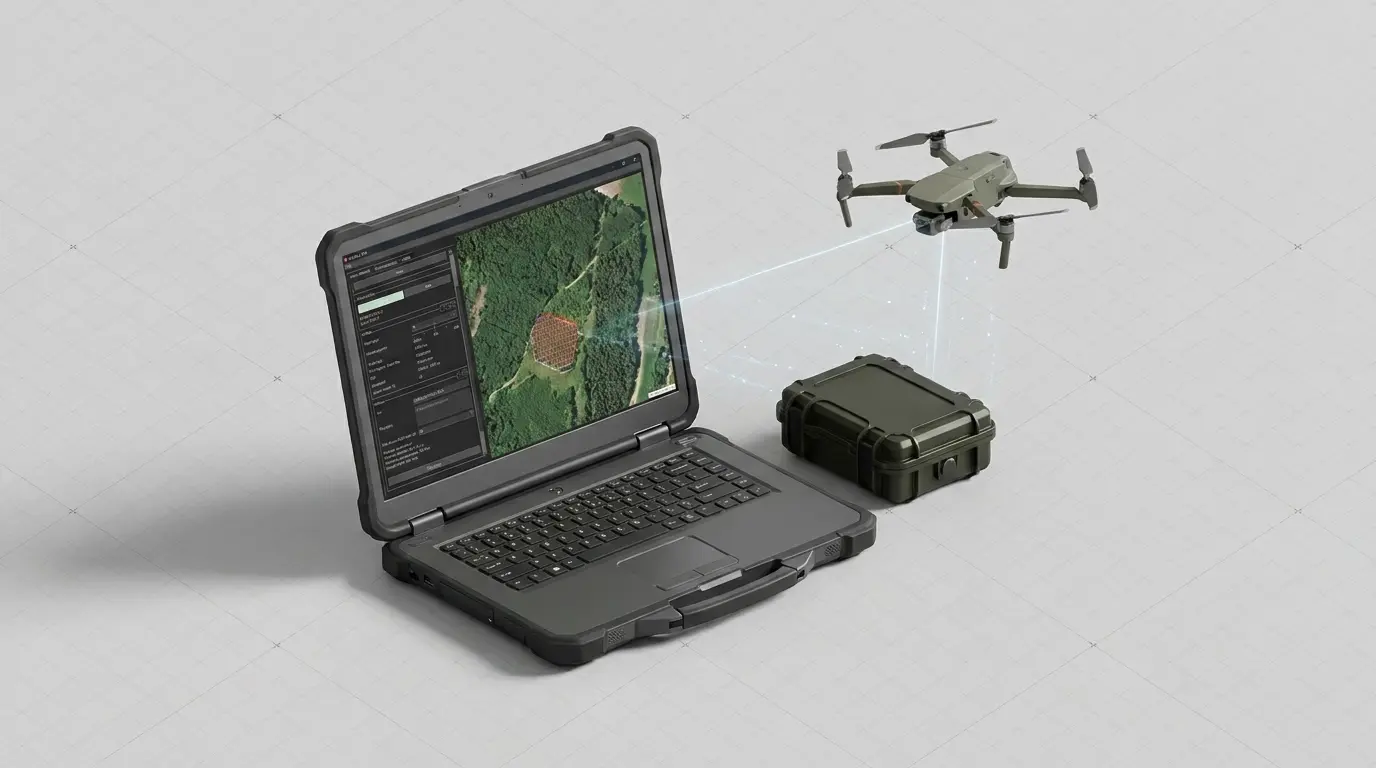
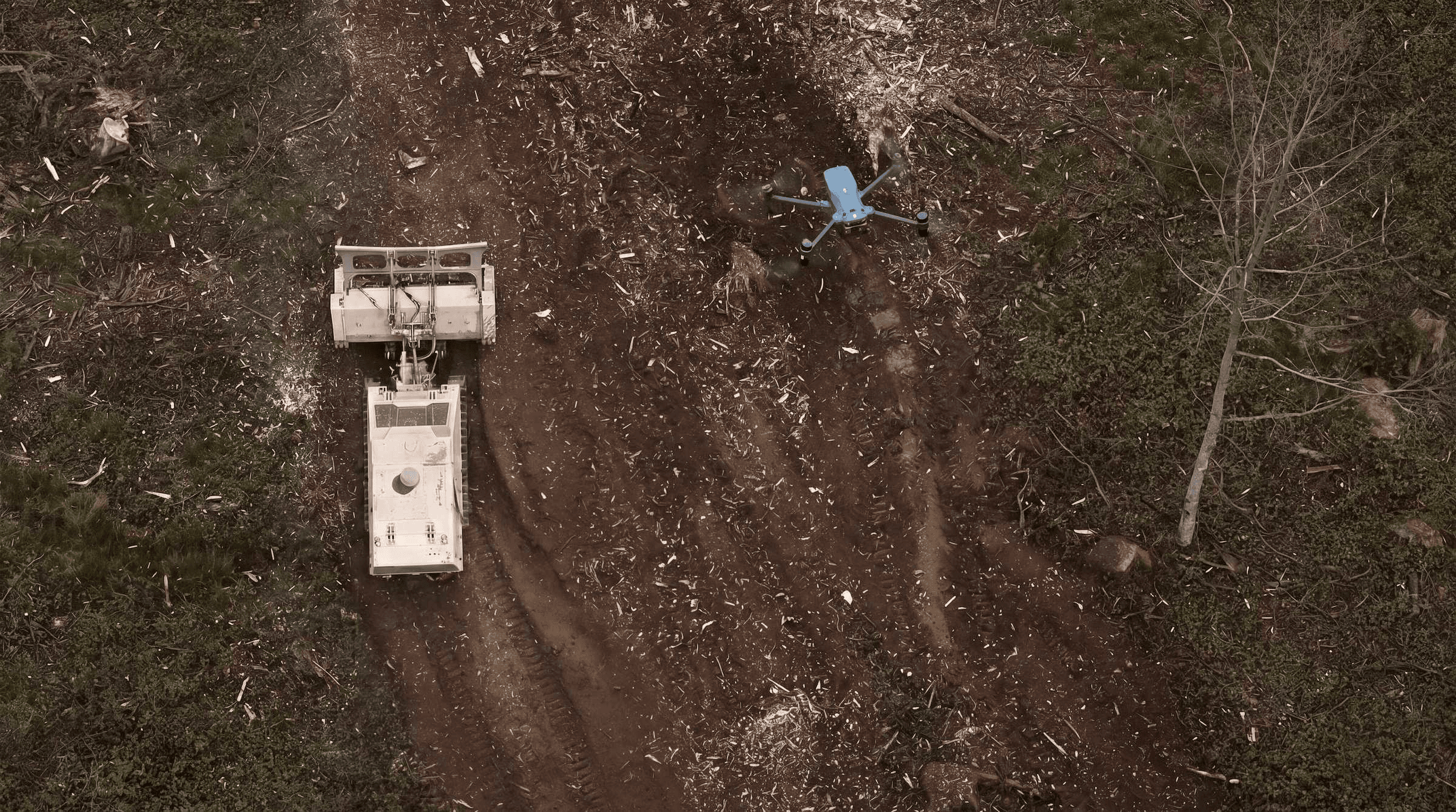
GCS supports Urban Clearance through a survey‑led approach. Risk is defined through urban-specific non-intrusive and intrusive survey, supported by targeted investigation and integrated clearance using manual teams, mechanical assets, animal detection systems and unmanned systems. Structural risk awareness, debris management and International Mine Action Standards (IMAS)-aligned quality management are embedded throughout to support controlled, verifiable handover.
Where Urban Clearance fits
Urban Clearance focuses on built-up and infrastructure-dense environments where explosive hazards may be concealed within structures, debris and access routes. It is most commonly applied in humanitarian, stabilisation and post‑conflict recovery contexts, as well as governmental and security‑led operations. It is distinct from Battle Area Clearance, which addresses EO-contaminated open or semi-open terrain where mines are not expected; Route Clearance, which focuses on defined movement corridors; and Demining (HMA), which focuses on evidence-based land release where landmine contamination is suspected or confirmed.
GCS urban clearance solutions enable the safe removal of explosive threats in cities, towns and industrial areas, supporting recovery and reconstruction. At capability level, the capability brings together clearance methods, engineering considerations and operational support required to restore safe access, manage debris and enable recovery in complex built environments.
Survey & assessment
Urban‑adapted survey and risk assessment methodologies
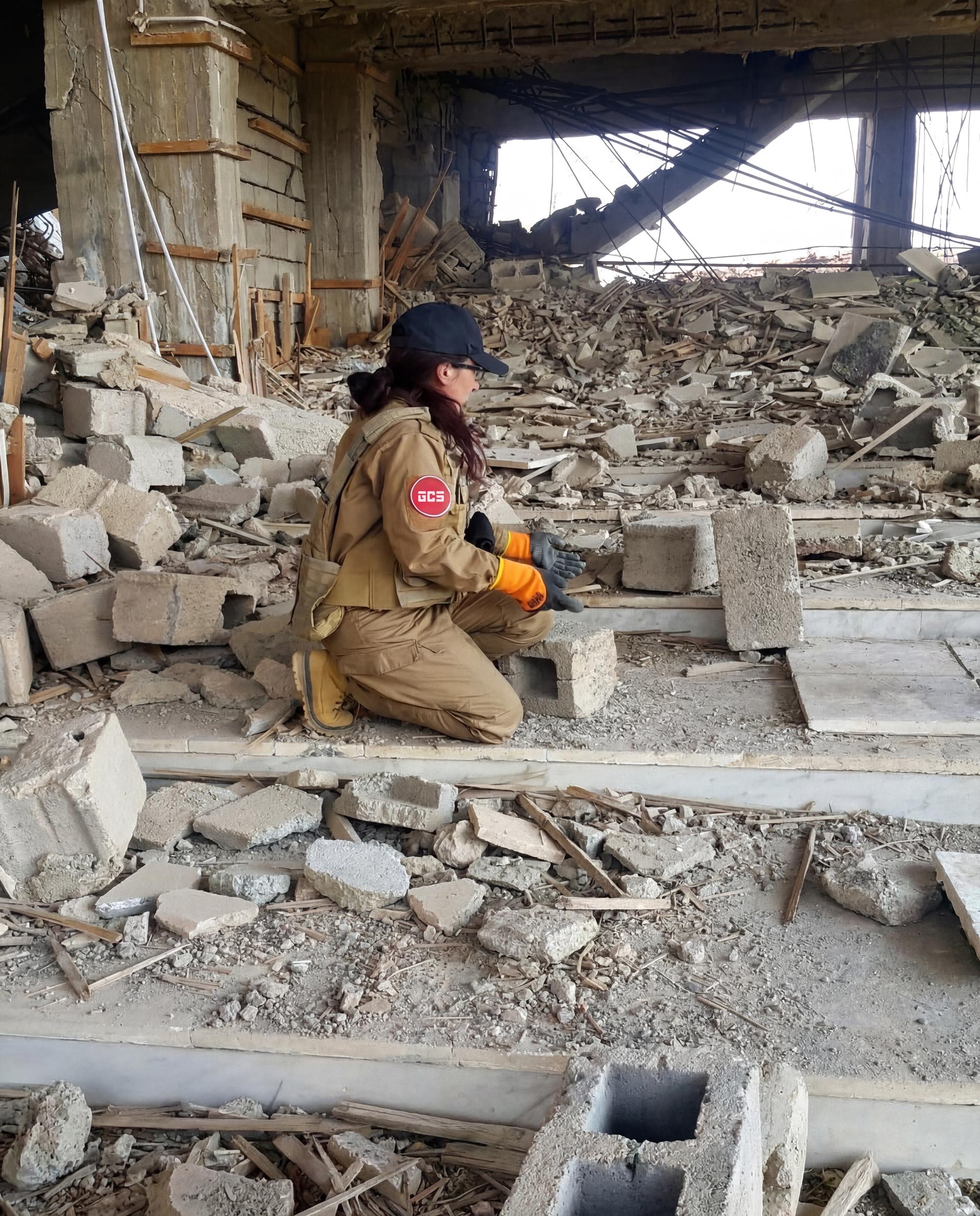
Manual clearance
Manual clearance and EOD expertise for confined and complex spaces
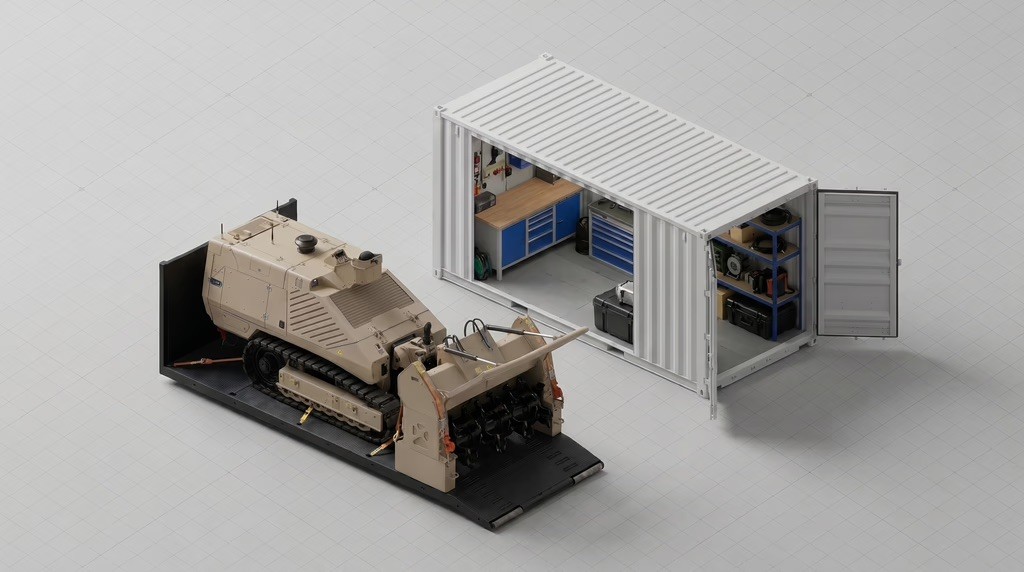
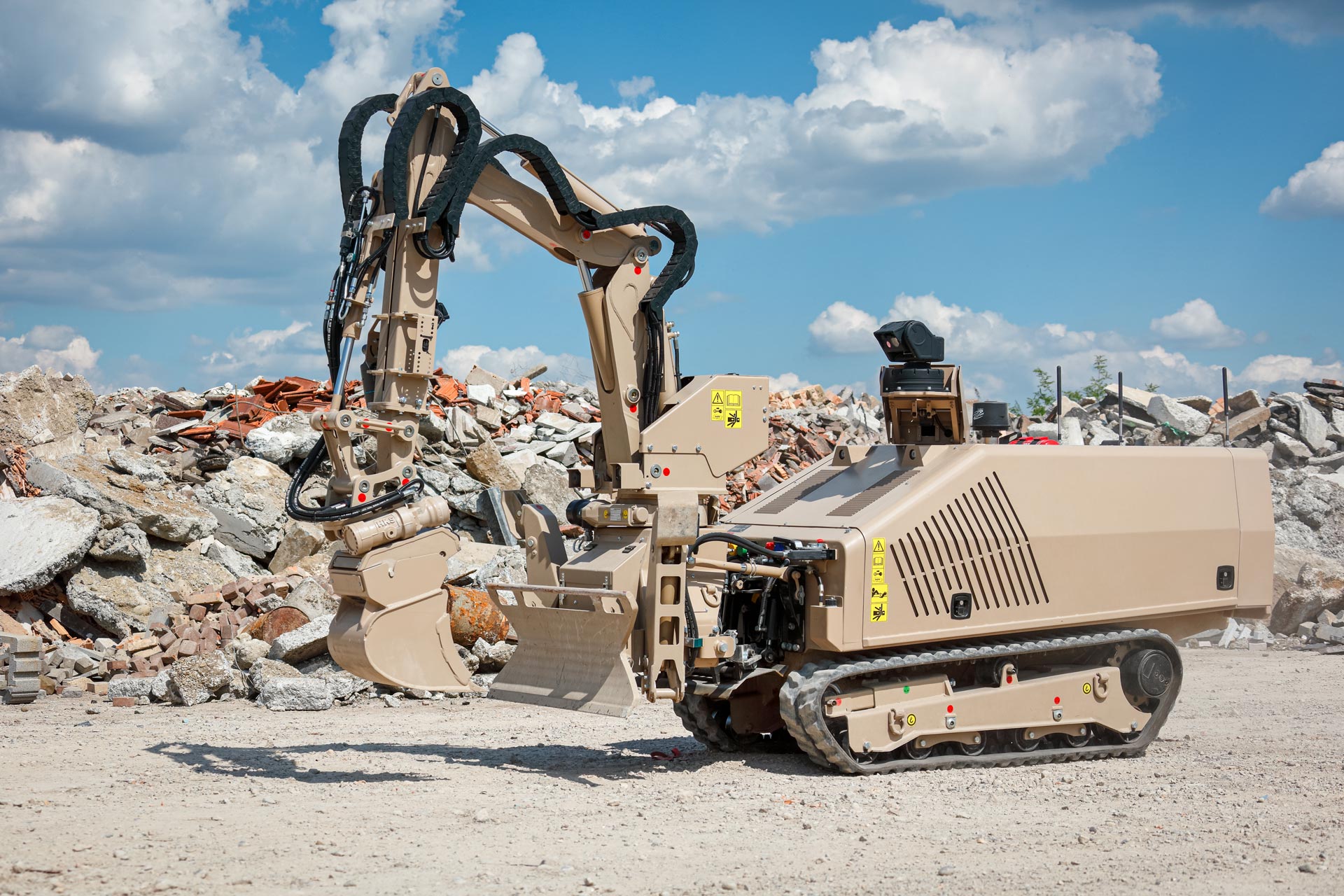
Mechanical clearance
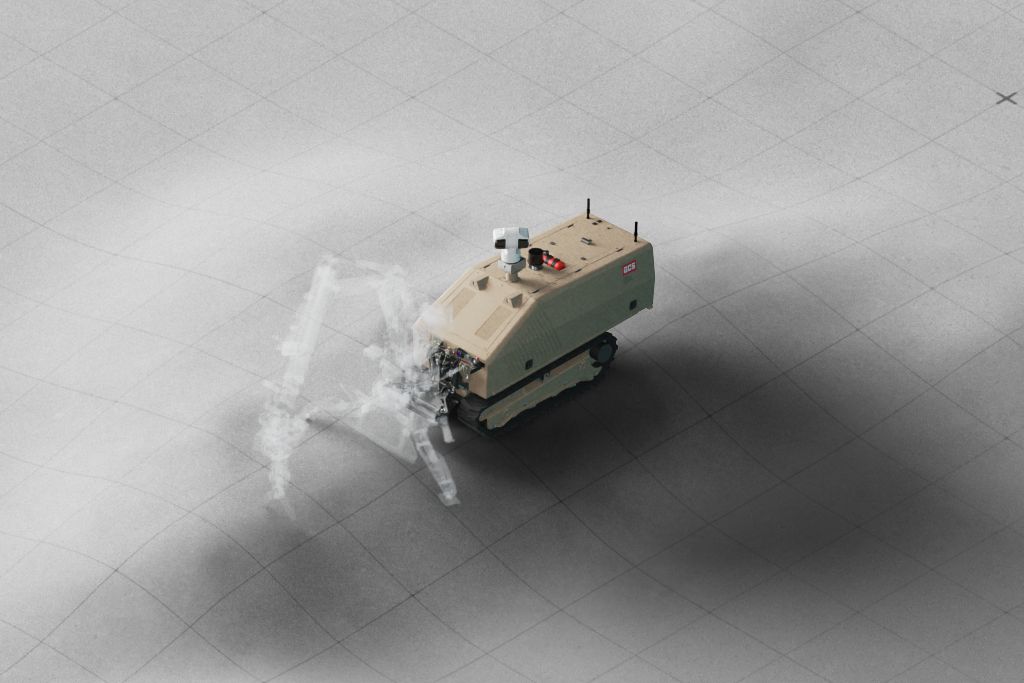
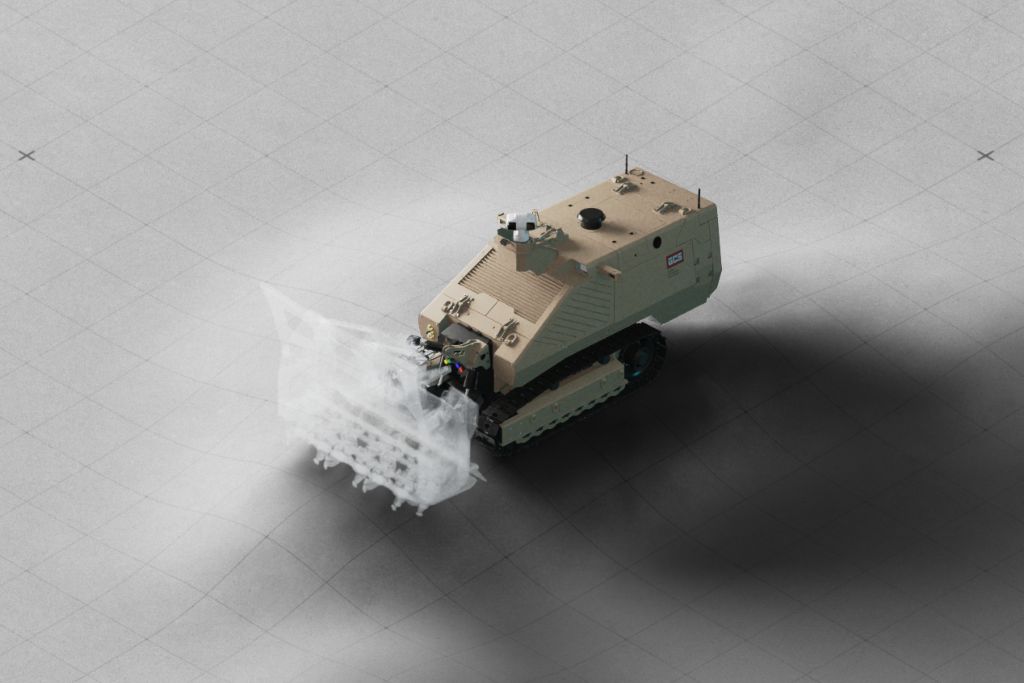
Mechanical platforms
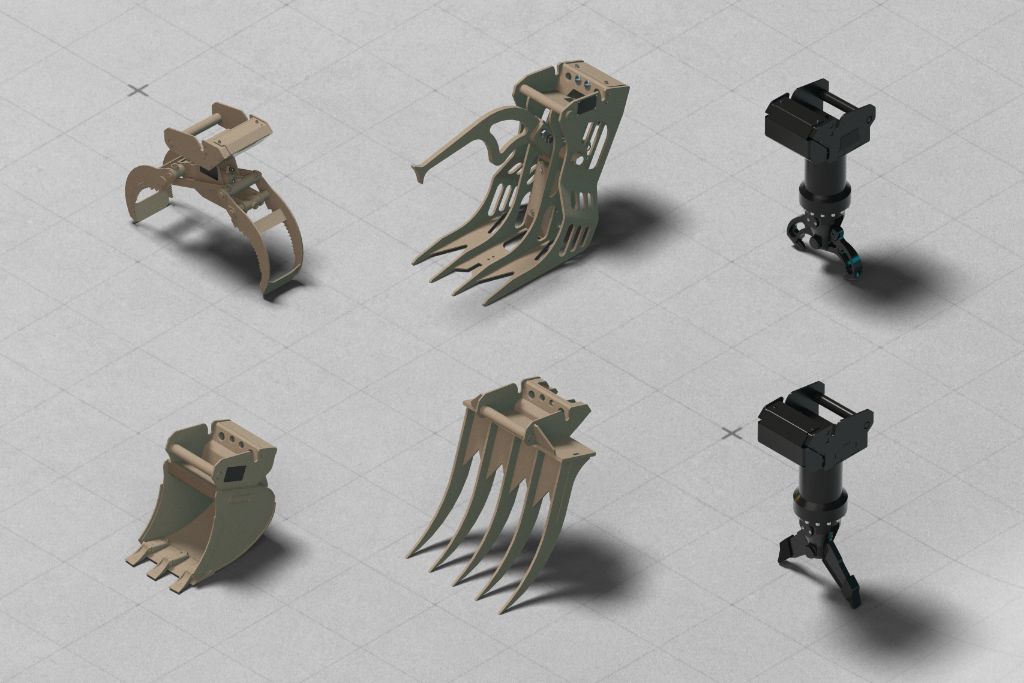
Rubble & debris tools
Attachments for rubble processing and debris reduction
Detection & sensors
Mine and Explosive detection dogs and sensor‑supported investigation
Safety controls
Structural and environmental risk controls
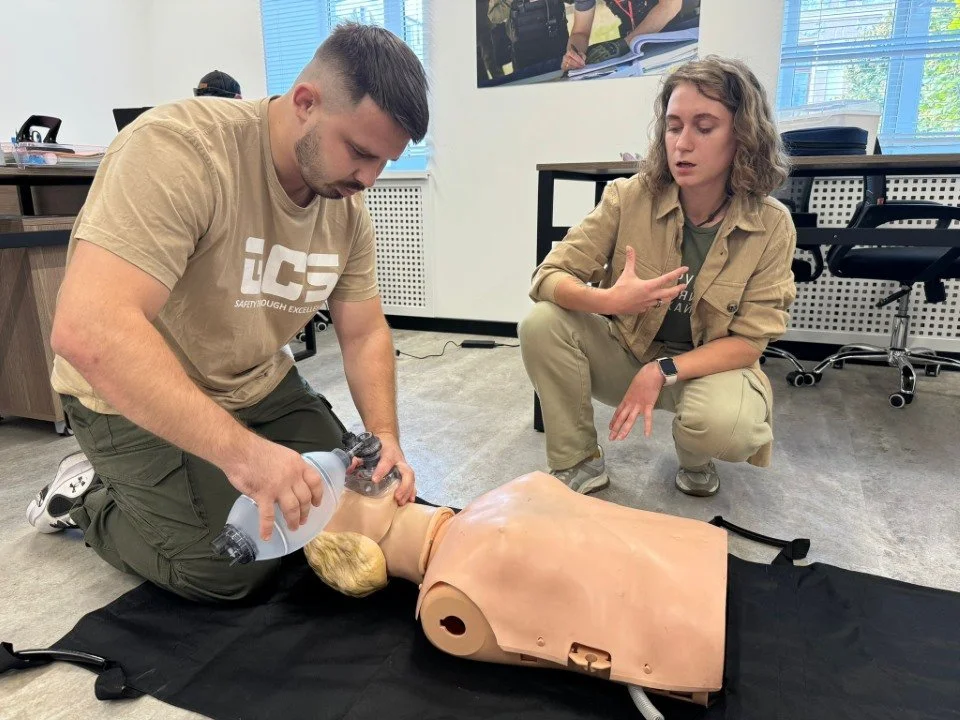
Quality assurance & handover
Quality assurance, mapping and certification for safe handover