Operations & Field Service
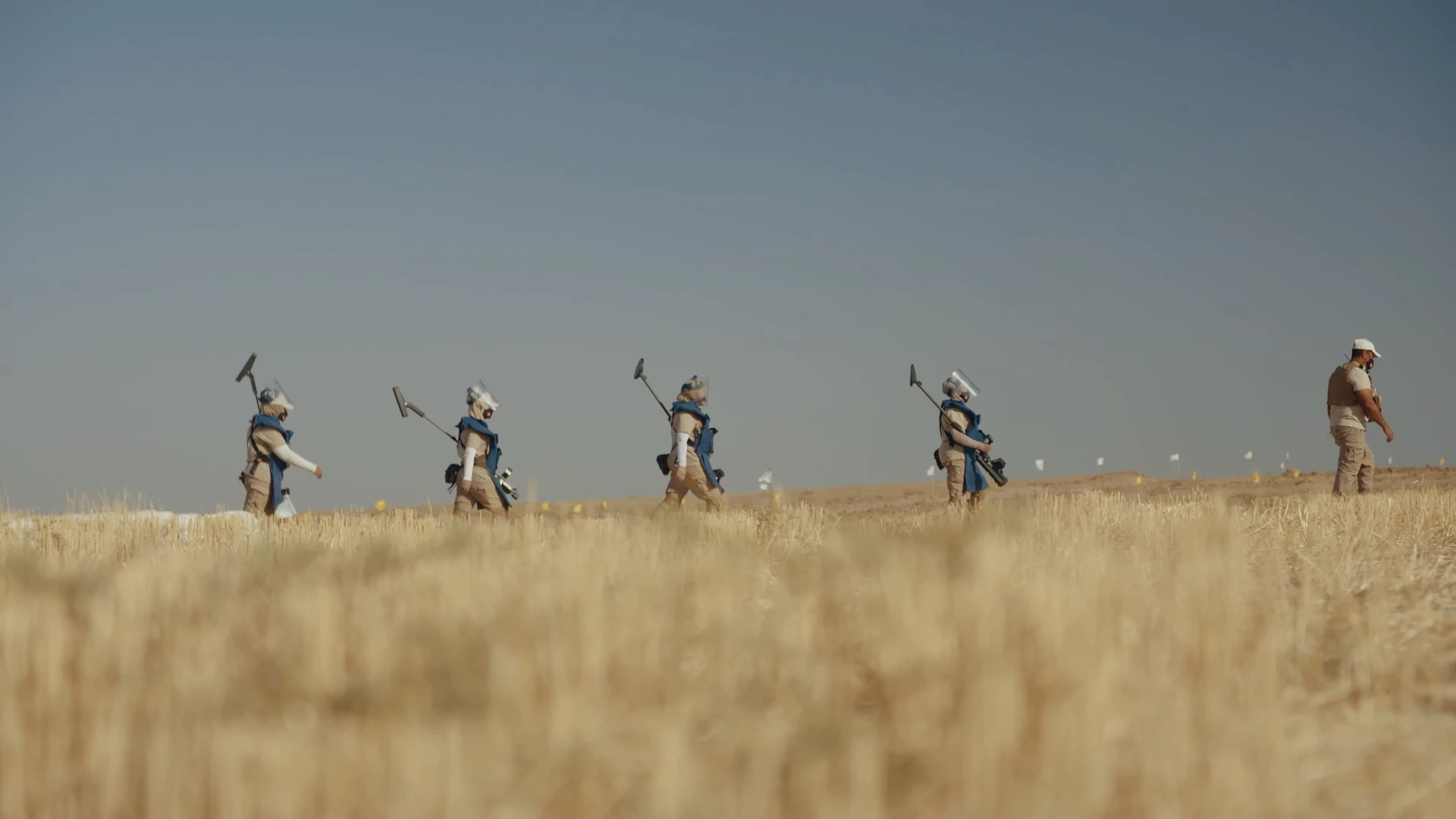
In rural areas north of Mosul, explosive contamination continues to restrict access to land and livelihoods long after active conflict has ended. Farmland affected by landmines, improvised explosive devices and other explosive remnants of war remains unsafe to cultivate, directly impacting food security and economic recovery for local communities.
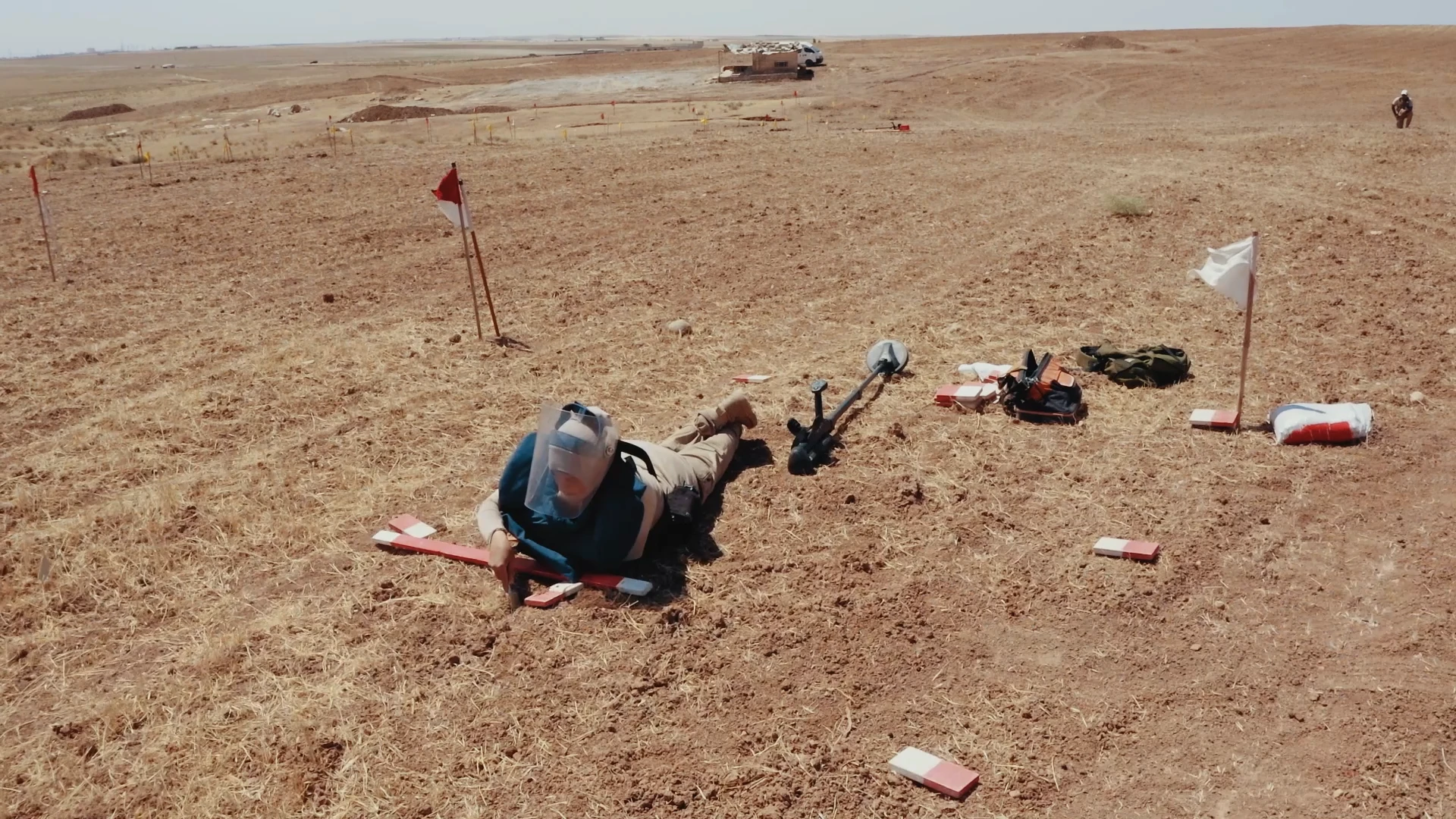
In Tel Kaif, approximately 13 kilometres northwest of Mosul, Global Clearance Solutions (GCS) has been supporting UNmandated clearance activities aimed at restoring safe access to agricultural land and reducing risks to civilians living and working in contaminated areas.
Clearance in a rural, highrisk environment
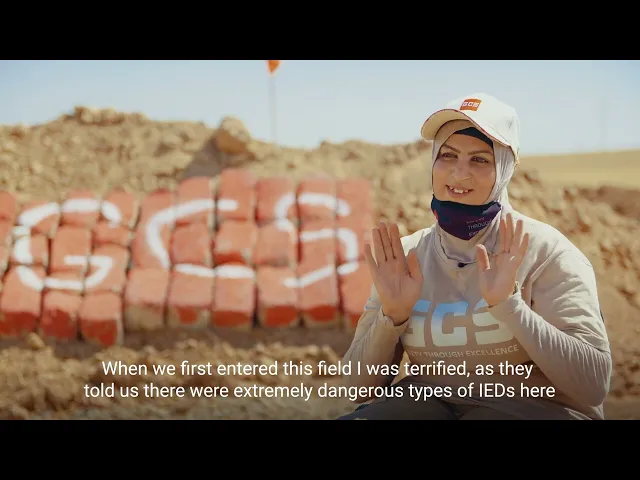
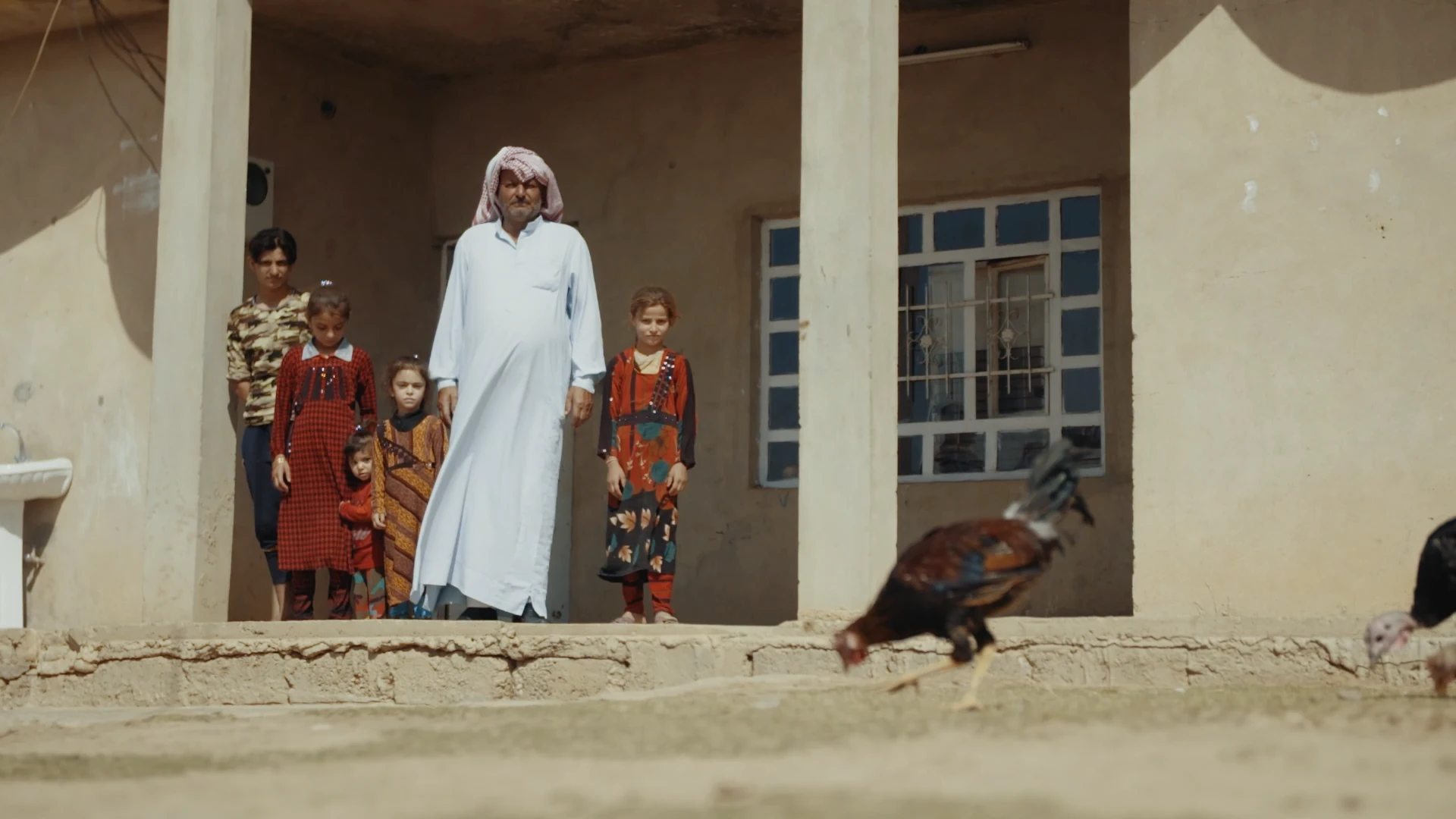
The Tel Kaif district was heavily affected during the conflict between 2014 and 2017. Following the return of displaced residents, contamination beneath the surface continued to pose a serious threat. Livestock losses and injuries caused by hidden explosive devices illustrate the ongoing risk in areas that appear outwardly calm but remain hazardous.
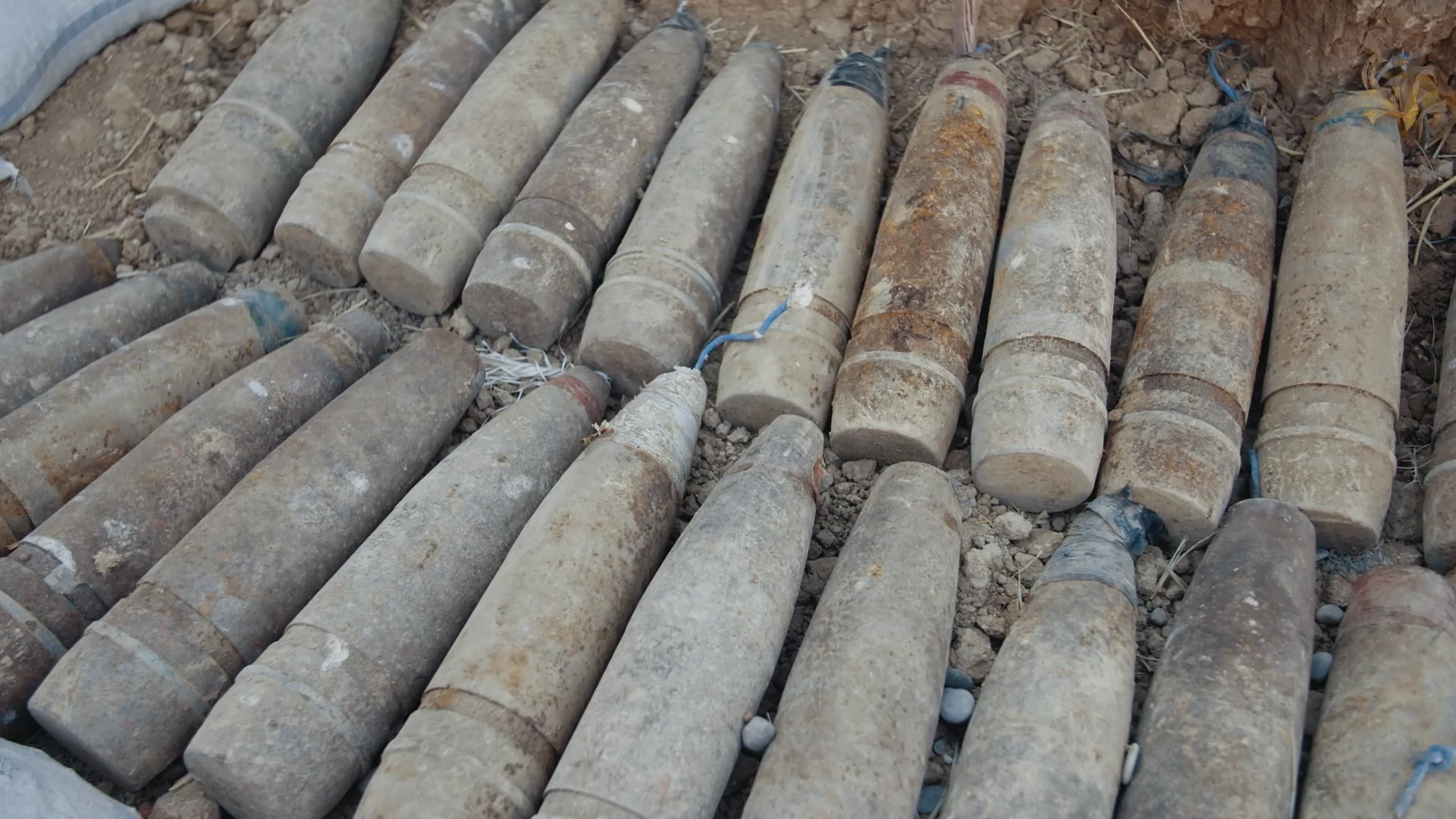
Explosive ordnance contamination in this region includes landmines, improvised devices and other unexploded ammunition. Such hazards are often concealed in farmland and access routes, making detection and clearance both technically demanding and timecritical.
Under contract with UNMAS, GCS teams have been operating in and around Mosul, including Tel Kaif, conducting manual search, clearance and disposal tasks in support of stabilisation and recovery efforts.
Scale of the challenge
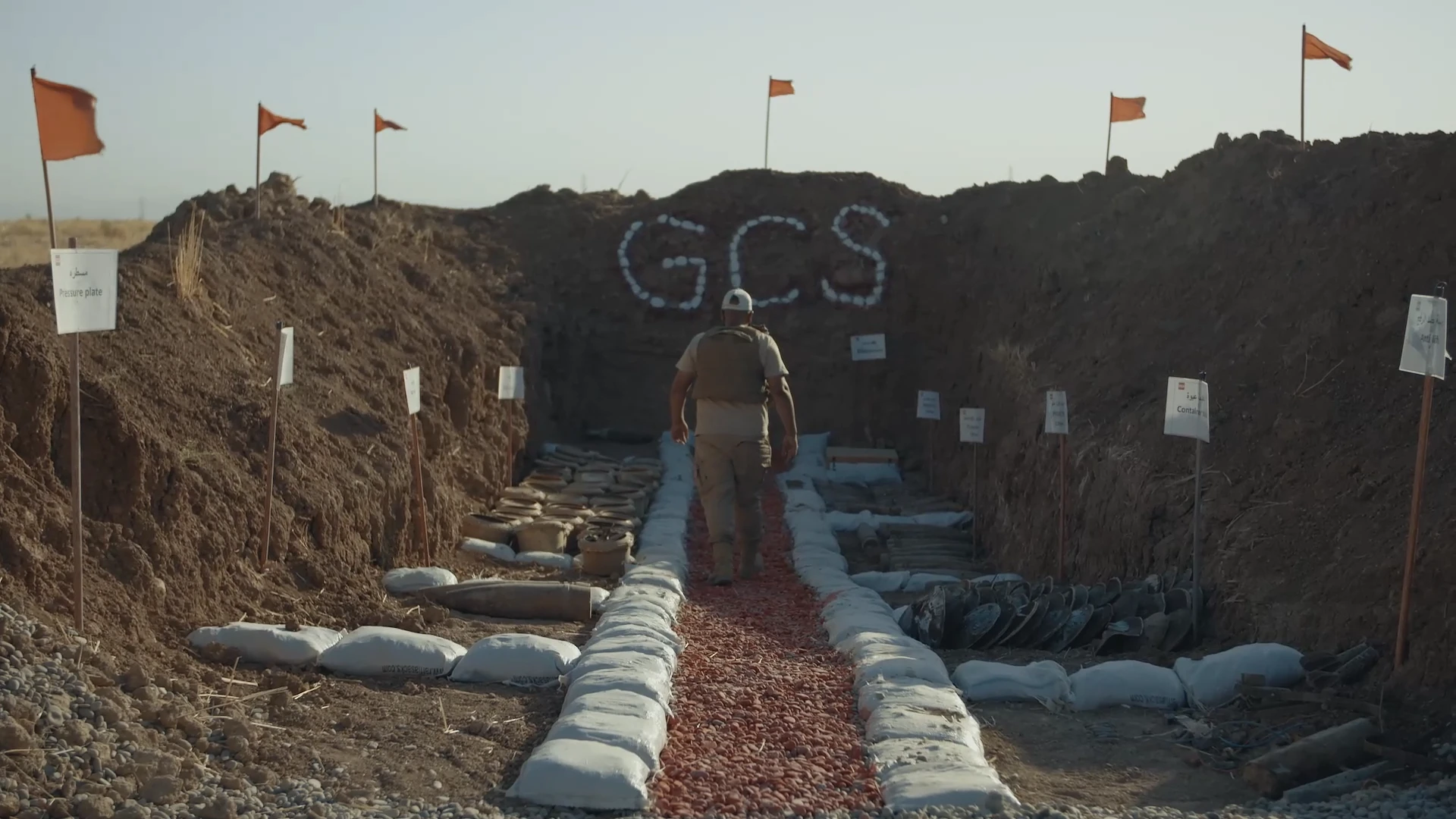
The wider Mosul area is estimated to contain millions of tonnes of contaminated debris and explosive hazards remaining from urban fighting. Within this context, GCS clearance activities over a twelvemonth period resulted in the identification, clearance and disposal of approximately 2,600 explosive ordnance items, contributing to risk reduction across both urban and rural task sites.
In Tel Kaif, operations have focused on clearing agricultural land to enable safe cultivation. These tasks are conducted by mixed national and international teams, operating under accredited procedures and strict safety management in difficult terrain and extreme weather conditions.
As one GCS project manager overseeing operations in the area explains, teams routinely work in temperatures exceeding 50°C in summer and below freezing in winter, adapting operational tempo and procedures accordingly while maintaining safety and quality standards.
Building toward more efficient clearance
The Tel Kaif tasking reflects the broader challenge of large-scale rural contamination in northern Iraq. Manual clearance remains essential in many areas, particularly where terrain, access and contamination patterns limit the use of heavier equipment.
Looking ahead, GCS plans to complement manual clearance expertise with the controlled application of remotecontrolled mechanical clearance systems where conditions allow. The objective is to increase productivity and further reduce risk to personnel, while remaining compliant with humanitarian mine action standards and local operational constraints.
Enabling livelihoods and return
Explosive hazard clearance is a prerequisite for recovery in agricultural regions. Safe access to land allows families to resume farming, rebuild livelihoods and reduce long-term dependency on external assistance. In Tel Kaif, clearance activities are directly linked to restoring usable farmland and improving everyday safety for rural communities.
Through accredited clearance operations delivered under UN mandate, GCS contributes to reducing explosive risks in northern Iraq and supports the broader objective of enabling displaced populations to return and rebuild sustainable livelihoods.
Country
Iraq
Publish Date
Product Segments
Operations & Field Service
Unmanned Systems (UXS)
Capabilities
Explosive Ordnance Disposal (EOD)
Demining (Humanitarian Mine Action)
Battle Area Clearance


