Operations & Field Service
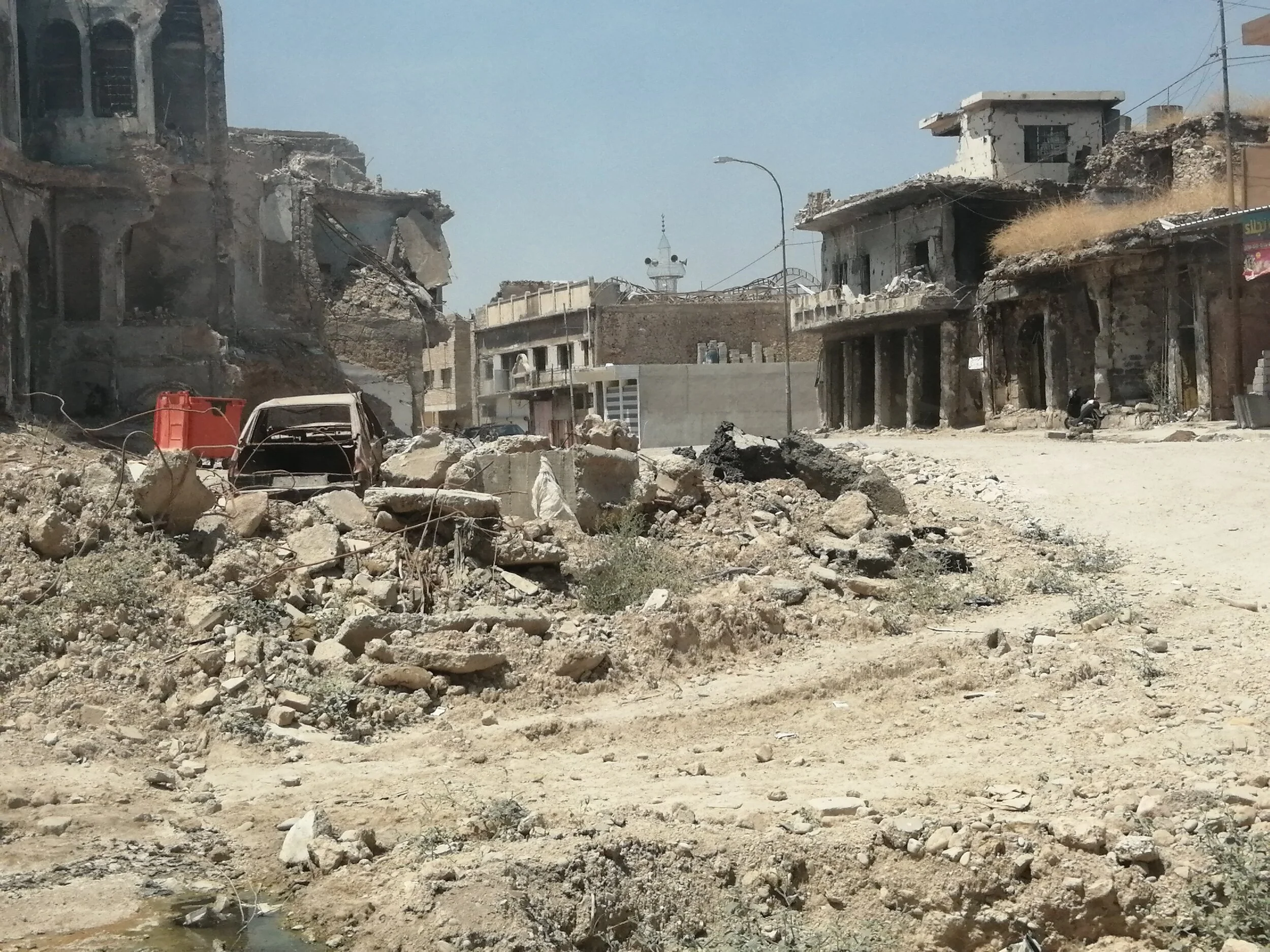
Explosive ordnance contamination continues to pose a major barrier to recovery in Iraq, particularly in areas heavily affected by conflict between 2014 and 2017. Clearance operations in these environments are technically demanding and have been further complicated by restrictions linked to the COVID19 pandemic.
Despite these constraints, Global Clearance Solutions (GCS) successfully progressed its operations in Iraq during 2020. In August, GCS was granted full Operational Accreditation by UNMAS Iraq for explosive ordnance clearance and capacitybuilding activities in Tal Afar and Sinjar. In early September, GCS was also awarded an additional UNOPS/UNMAS contract to conduct clearance operations in Mosul.
Maintaining momentum under pandemic constraints
While the pandemic disrupted international travel and required the temporary withdrawal of international staff, the threat posed by explosive ordnance remained unchanged. Millions of Iraqis continue to live with contamination in and around their communities, preventing safe return, reconstruction and access to services.
GCS adapted its operational approach to ensure continuity while complying with health, security and regulatory requirements. During July, when international borders remained closed, GCS focused on continuation training for national staff. This aligned with the project's long-term objective of building increasingly independent and selfsustaining national clearance teams.
By midAugust, international staff were able to redeploy safely to Iraq. Following arrival in Baghdad, teams moved onward to Mosul under secure arrangements and resumed direct operational support.
Accreditation and operational readiness
Building on earlier deployments in Tal Afar and Sinjar, GCS successfully completed the requirements for full UNMAS operational accreditation. Following the Eid period, the first task orders were issued, marking the transition to fully accredited operations.
GCS teams are tasked with complex search and clearance activities involving the identification, neutralisation and removal of explosive ordnance and improvised explosive devices. In parallel, the project includes the recruitment and training of national staff to deliver emergency risk education, supporting safer behaviour among populations returning to contaminated areas.
The accreditation reflects GCS's ability to mobilise rapidly, operate within demanding regulatory frameworks and adapt procedures to evolving constraints without compromising safety or quality.
Expansion of operations in Mosul
In September, GCS was awarded a further UNOPS/UNMAS contract for highrisk clearance operations in Mosul, where large volumes of debris and widespread contamination continue to restrict access and rebuilding. The training phase of the project is scheduled to begin in midSeptember, with operational activities expected to follow once accreditation milestones are met.
Mosul remains affected by extensive use of improvised devices, including booby traps and minestyle obstacles emplaced in residential areas, public buildings and critical infrastructure. Many hazards remain concealed beneath rubble, roads and farmland, requiring a structured and comprehensive explosive hazard management approach.
Enabling stabilisation and return
Effective clearance is a prerequisite for humanitarian assistance, stabilisation and redevelopment. More than one million internally displaced people are linked to areas affected by contamination in northern Iraq, and progress depends on sustained, accredited clearance operations delivered in close coordination with national authorities and international partners.
Through its accredited presence, national capacitybuilding focus and operational flexibility, GCS supports efforts to reduce explosive risks and enable safer conditions for recovery in Iraq, even under exceptional and changing circumstances.
Country
Iraq
Publish Date
Product Segments
Operations & Field Service
Capabilities
IEDD & Search
Explosive Ordnance Disposal (EOD)
Urban Clearance
Battle Area Clearance
Demining (Humanitarian Mine Action)


