Operations & Field Service
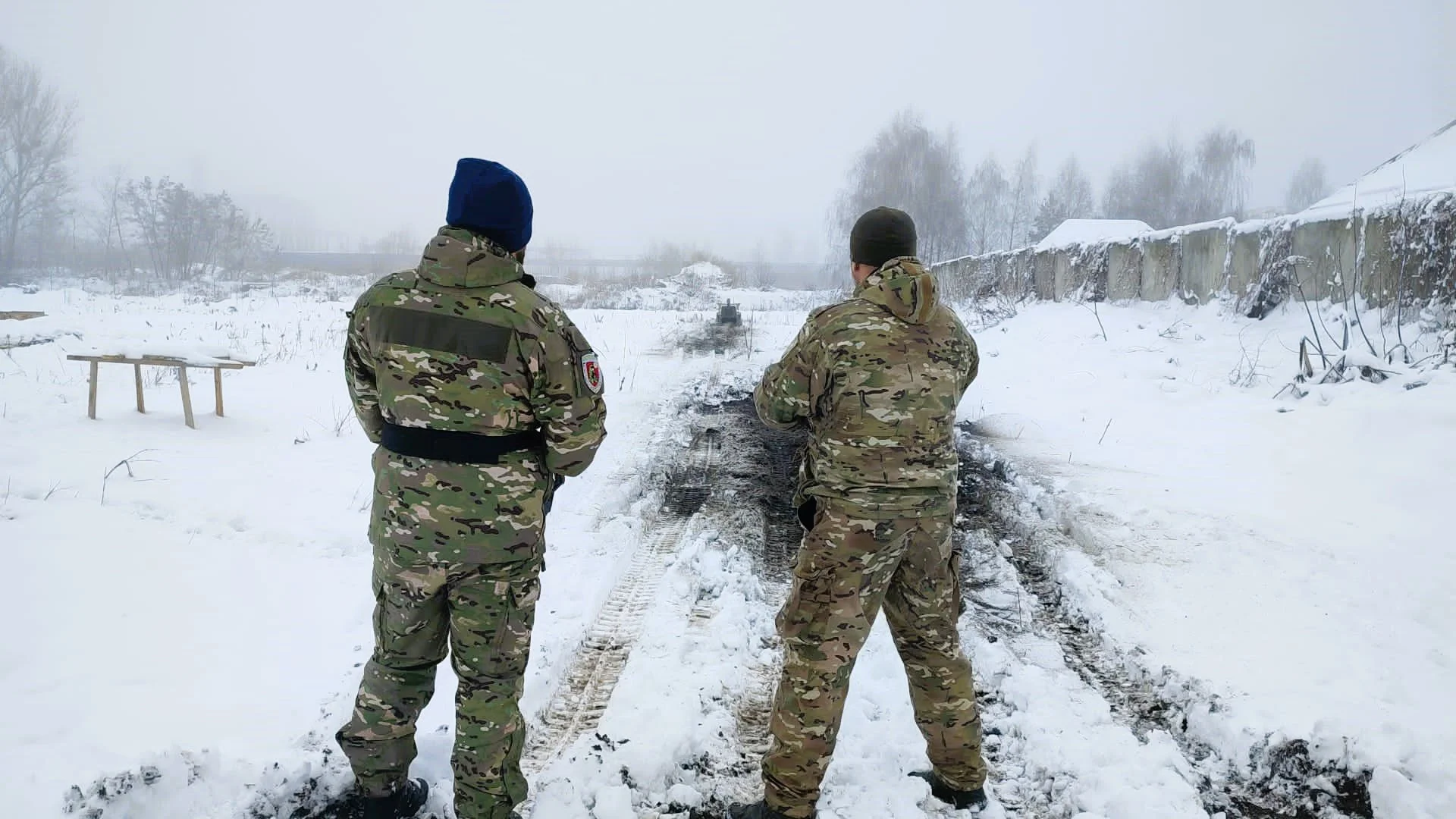
Explosive contamination across Ukraine continues to present severe risks to civilians, emergency responders and critical infrastructure. In urban areas in particular, unexploded ordnance and improvised hazards remain embedded in buildings, streets and residential environments, requiring specialist clearance capabilities that can be deployed quickly and operated safely.
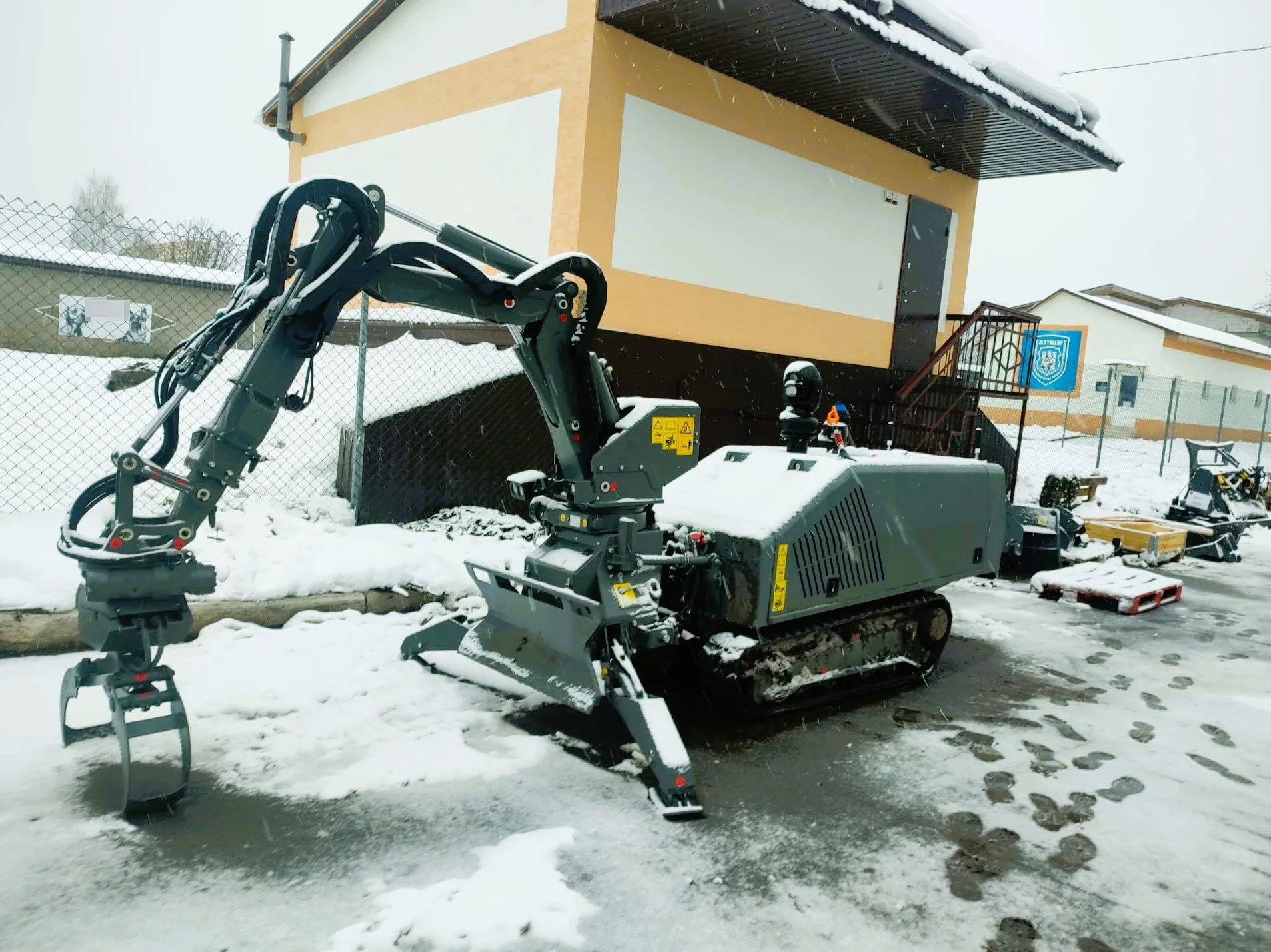
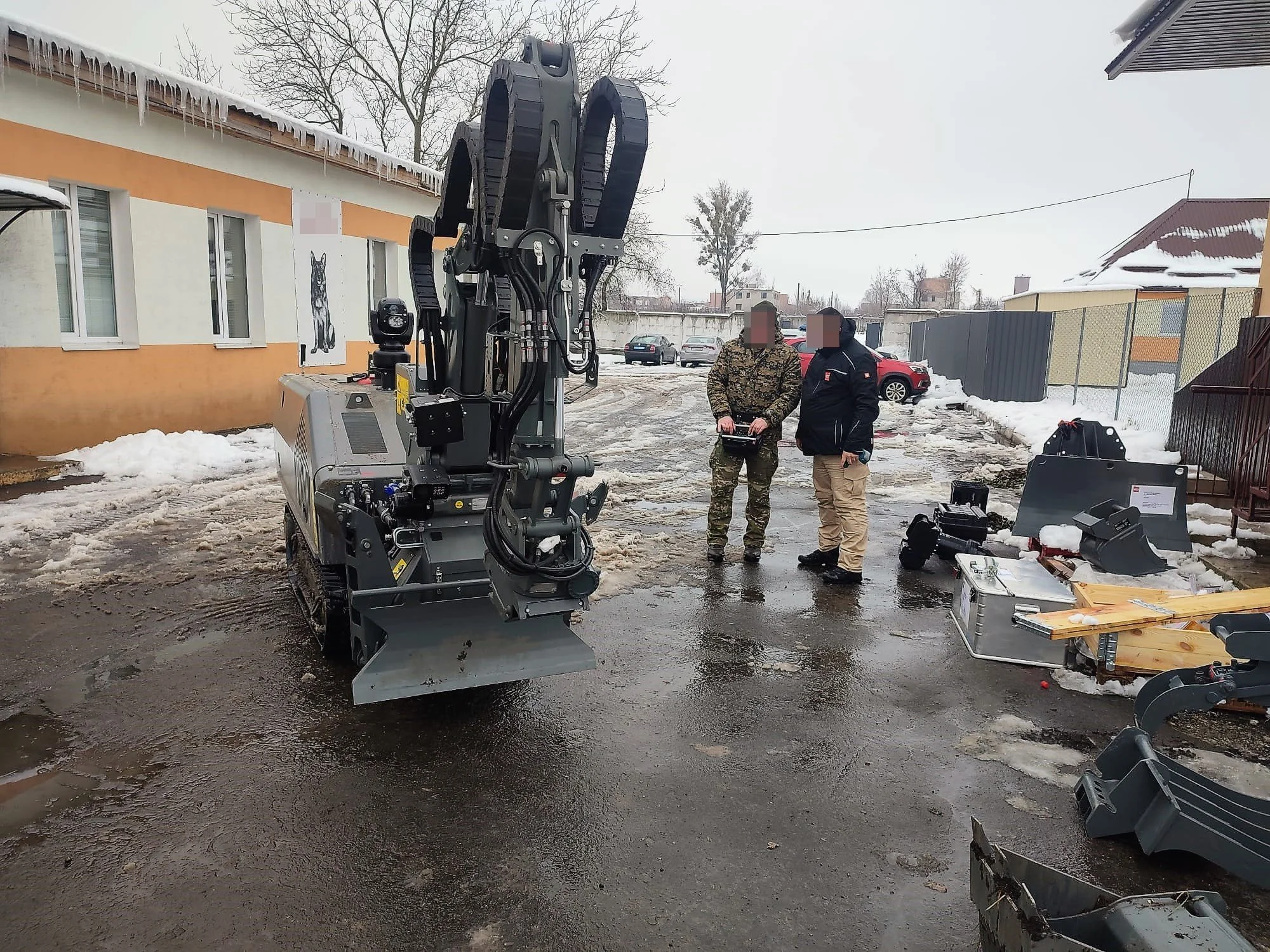
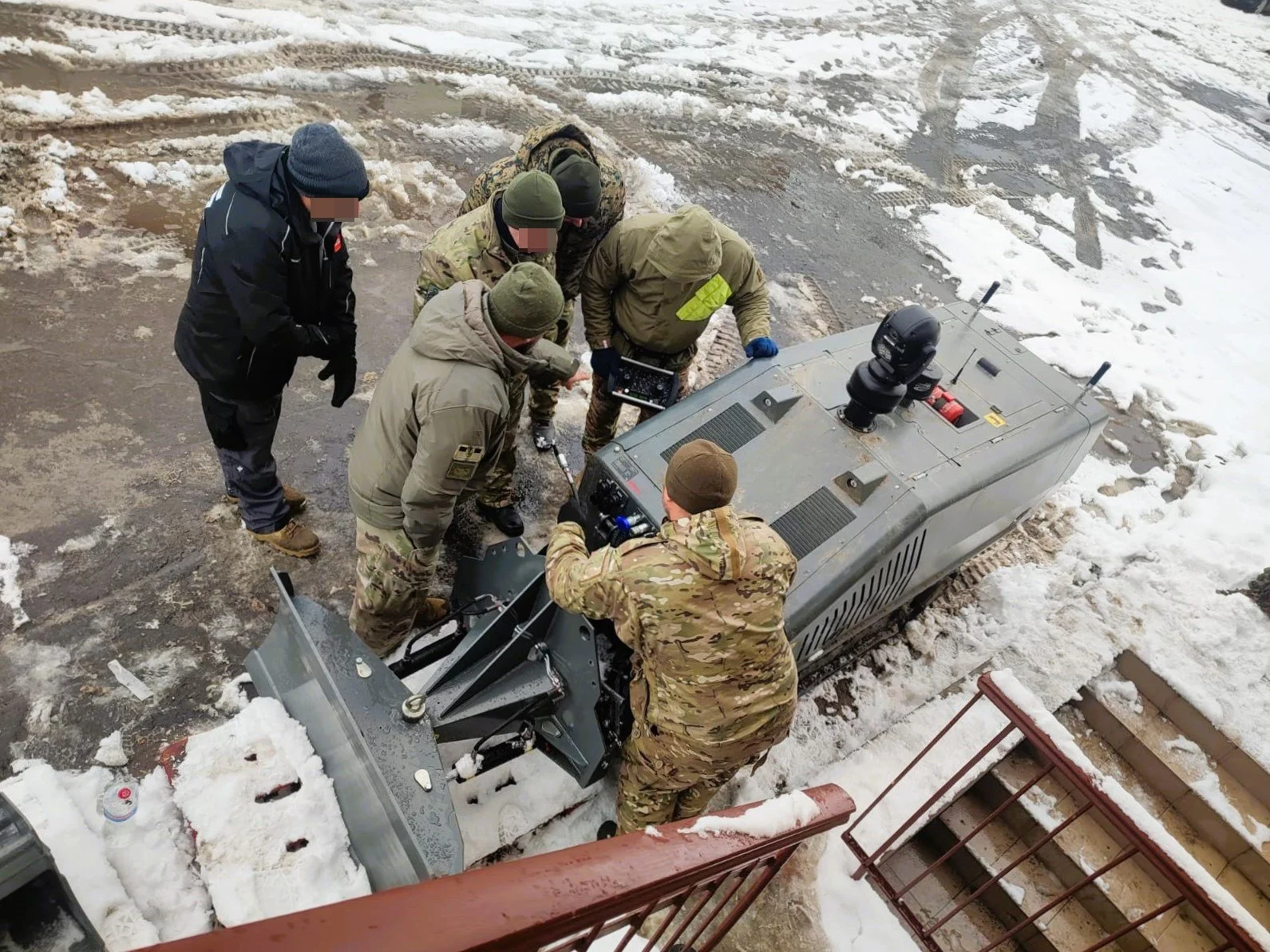
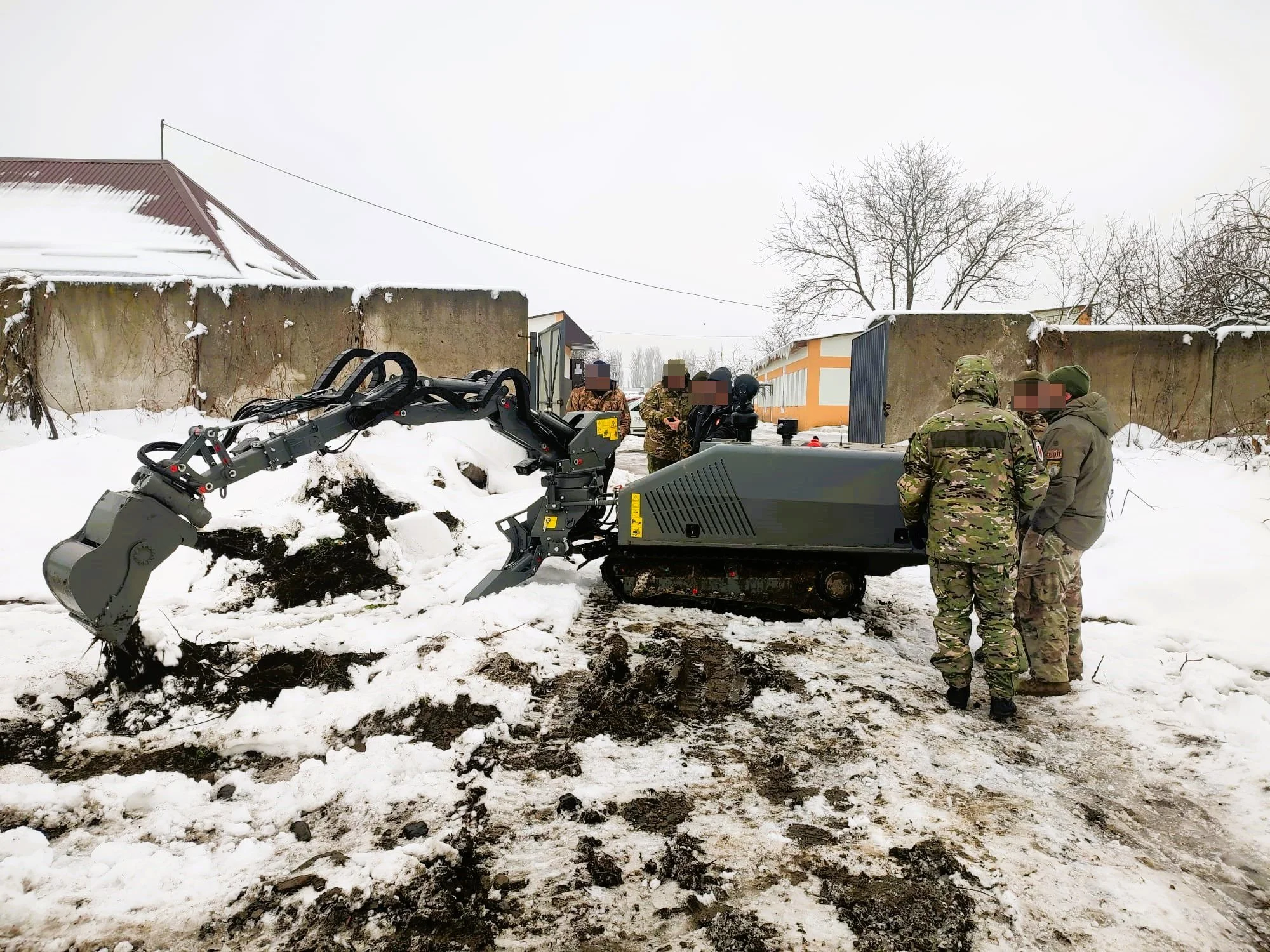
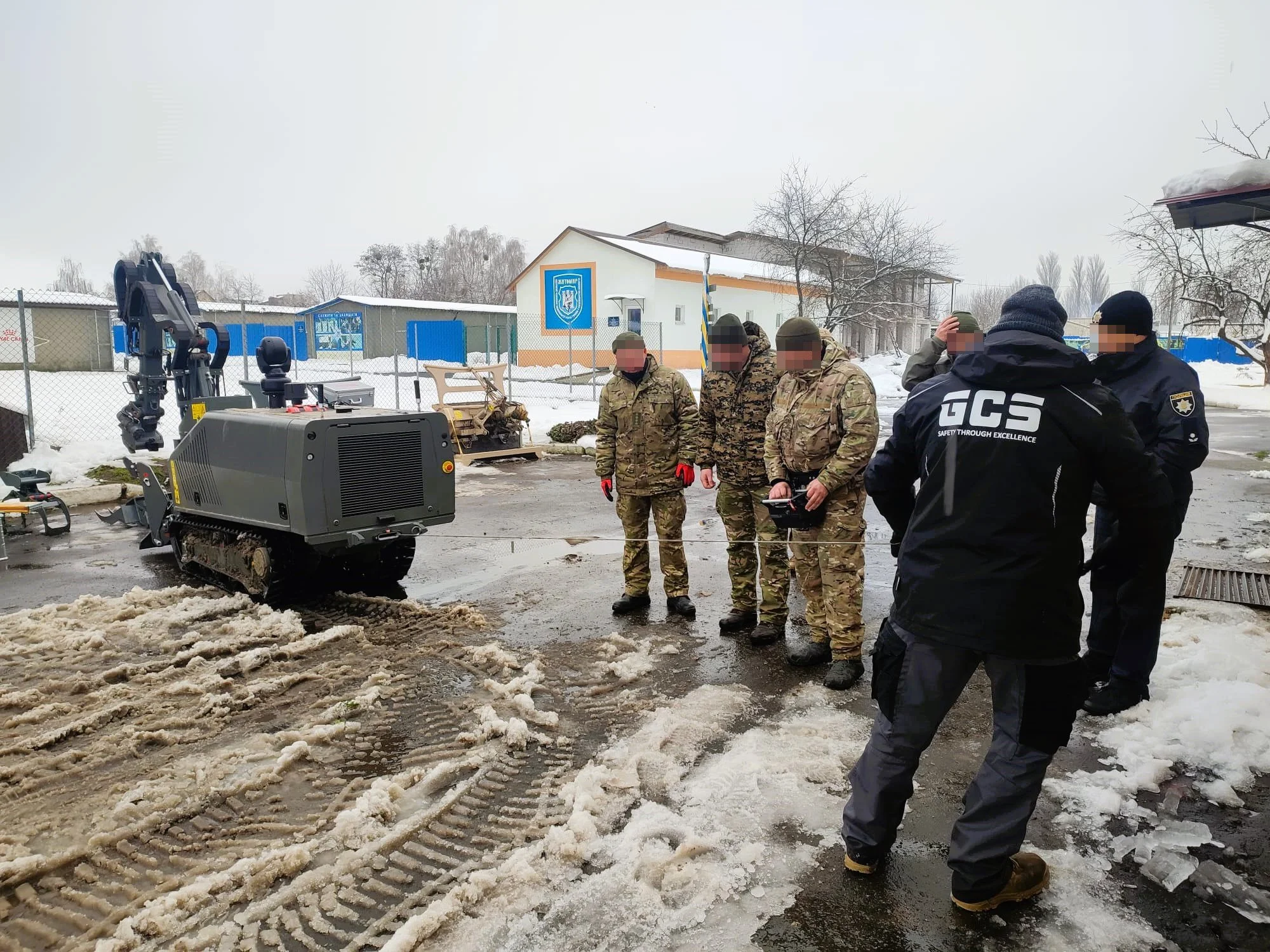
In January 2023, a number of GCS-100 remotecontrolled demining systems were delivered to a police facility in Zhytomyr, west of Kyiv. The systems were provided following a donation by the Federal Republic of Germany to the National Police of Ukraine (NPU), with the aim of accelerating policeled explosive hazard clearance operations.
Supporting urban EOD operations
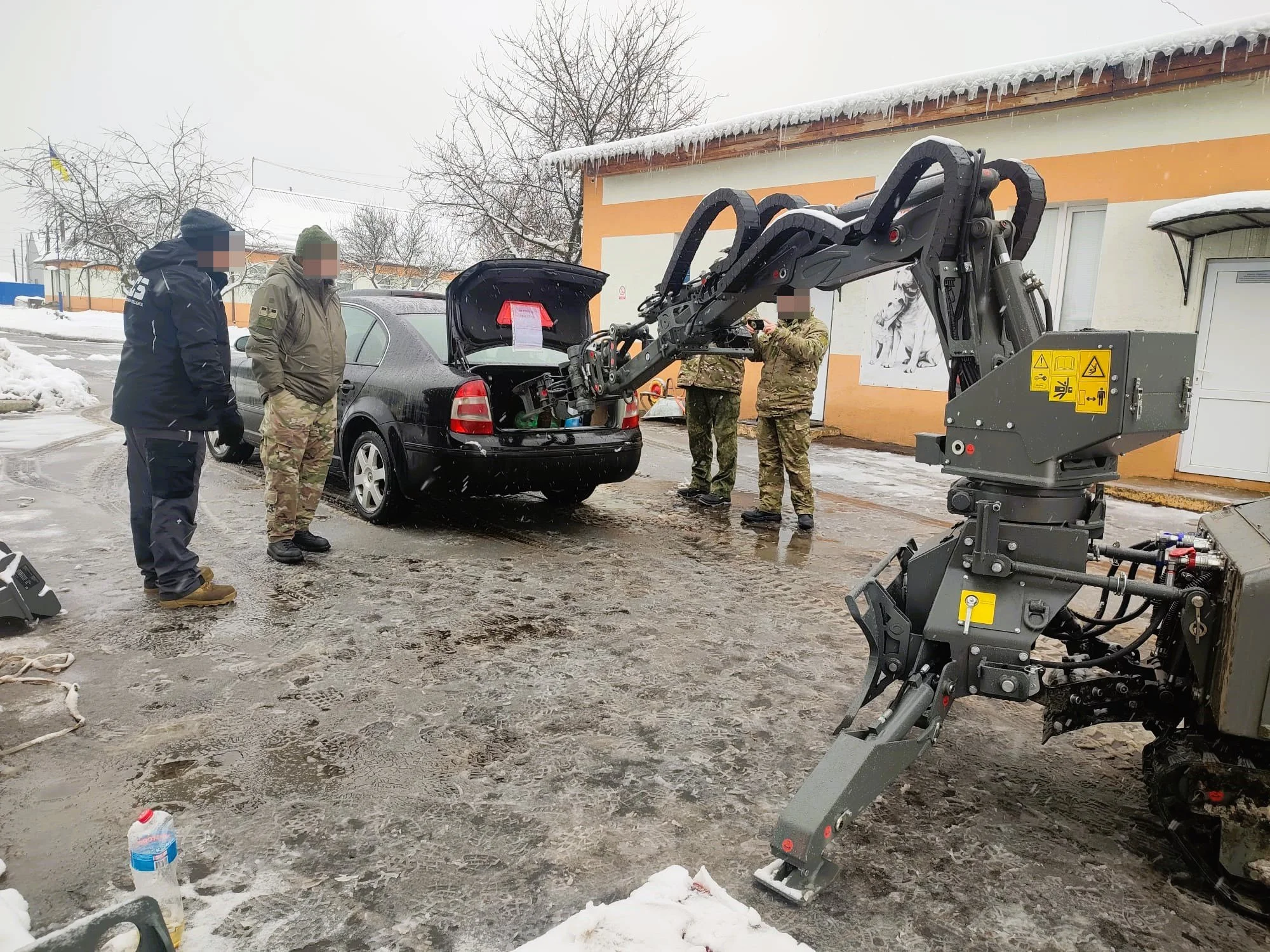
Ukrainian police EOD units are operating in a highly demanding environment, clearing large-scale contamination under harsh winter conditions and ongoing operational pressure. The GCS-100, with its compact design, onboard camera system and robotic arm, is suited to clearance tasks in builtup and constrained urban settings, where access and visibility are limited.
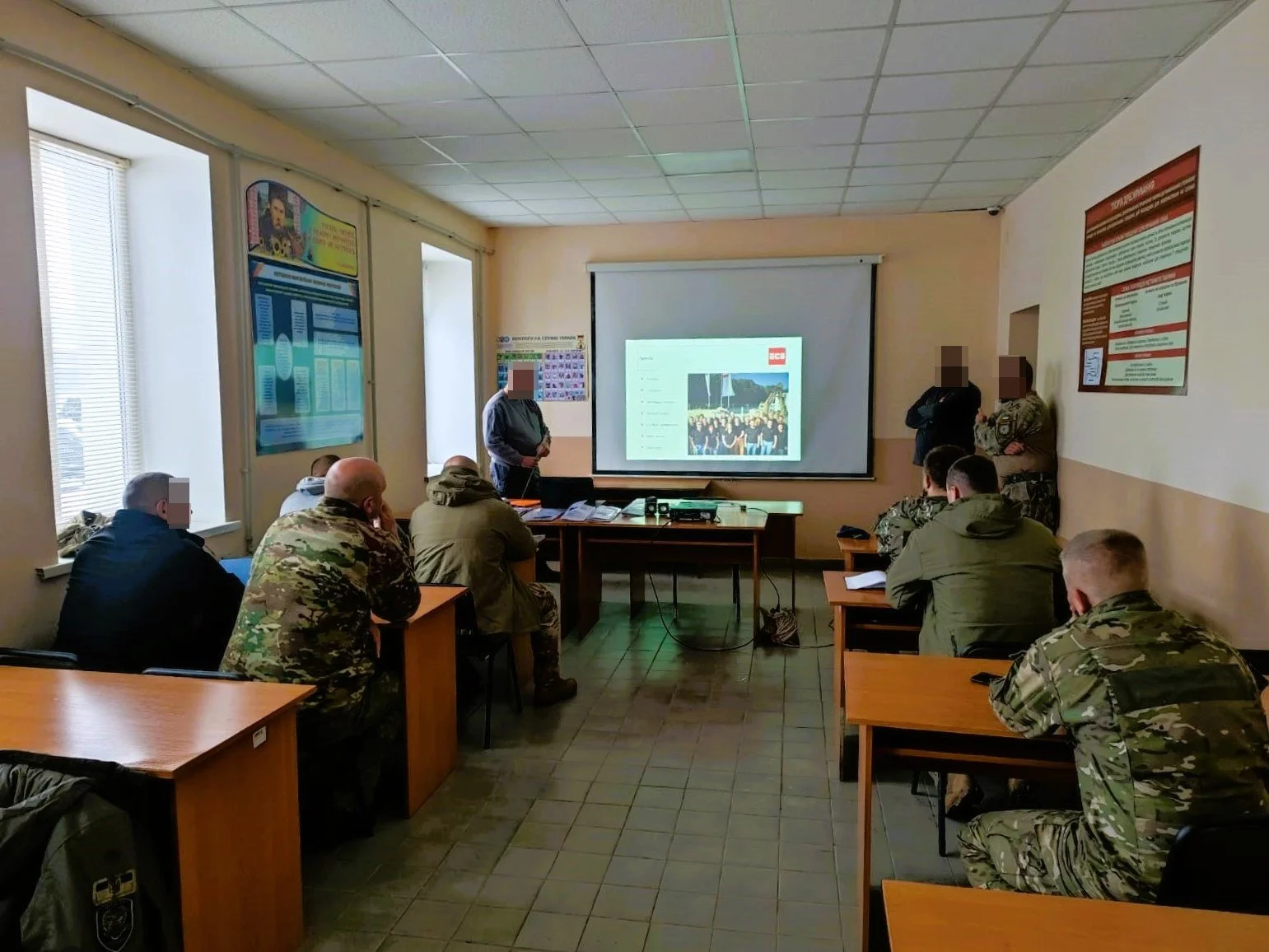
As part of the delivery, GCS conducted a two-week specialist EOD training programme to familiarise NPU personnel with the operation and capabilities of the system. The training focused on safe handling, system control and practical deployment, enabling teams to transition rapidly from instruction to field use.
A senior GCS field technician involved in the training explained the urgency:
"We are working directly with the police EOD unit and showing them how to operate the system safely and effectively. There is very limited time, because these teams need to be back in the field immediately."
A complex and evolving threat environment
The nature of contamination encountered in Ukraine differs significantly from many previous clearance contexts. EOD teams are dealing with a wide range of munitions, including unexploded rockets, artillery and improvised booby traps deliberately left behind in residential settings.
"This is a very different theatre of operations," the instructor noted.
"Some of the munitions are highly complex and extremely dangerous to approach. When forces withdraw, they often boobytrap everyday items. Even light fittings in homes can be converted into explosive devices."
Police EOD personnel undergoing training already had substantial field experience, having responded to incidents involving unexploded rockets embedded in buildings, wooden floors and outbuildings.
"Many of the people we are training have been operating at the front end of clearance since the beginning of the conflict," the instructor added. "They are under constant pressure and are shortstaffed, so efficiency and safety are critical."
Training, mentoring and system reliability
Beyond initial operator training, GCS is also supporting the NPU through a mentoring approach designed to build longer-term capability. The objective is to enable trained police EOD personnel to pass on knowledge internally and to develop sustainable operational routines.
As Fabian Klauser, Head of Services at GCS, explains:
"In addition to the training course, we are supporting the client through mentoring so that trained operators can in turn become trainers themselves. At the same time, our global service team remains available to ensure the systems remain operational."
Reliable operation and maintenance are particularly important given the scale of contamination and the limitations of purely manual clearance methods.
The scale of the challenge
One year into the conflict, the scale of explosive contamination in Ukraine remains significant. Manual demining alone is not sufficient to address the volume and complexity of hazards encountered.
According to estimates from the US State Department, up to 160,000 square kilometres of Ukrainian territory may require assessment for explosive hazards. Subzero winter temperatures further complicate clearance operations, and experts expect that full clearance will take decades.
Against this backdrop, the introduction of remotecontrolled mechanical systems, combined with training and ongoing support, provides police EOD units with additional tools to reduce risk and increase operational effectiveness in some of the most challenging conditions currently faced in explosive hazard clearance.
For security reasons, GCS technicians supporting the programme in Ukraine have remained anonymous.
Country
Ukraine
Publish Date
Product Segments
Operations & Field Service
Unmanned Systems (UXS)
Capabilities
Urban Clearance
IEDD & Search
Explosive Ordnance Disposal (EOD)


