Operations & Field Service
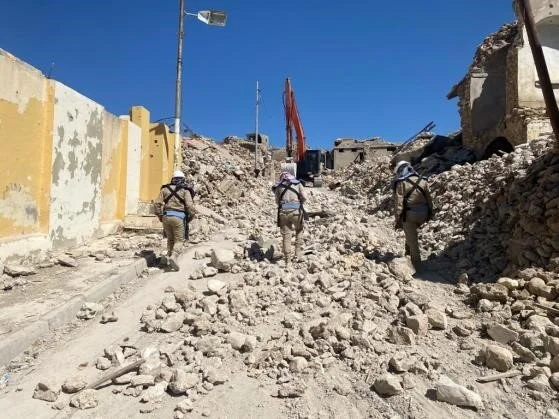
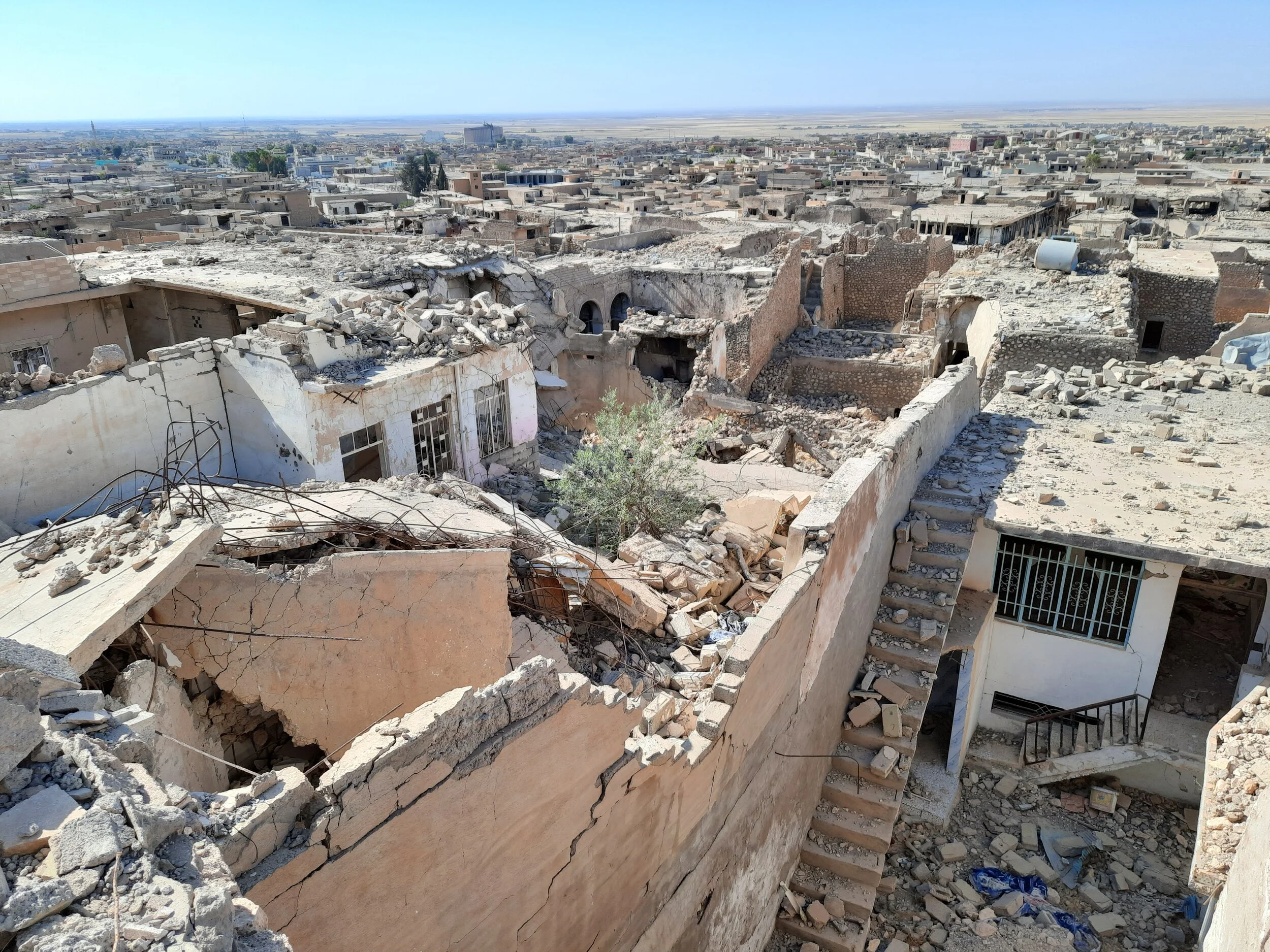
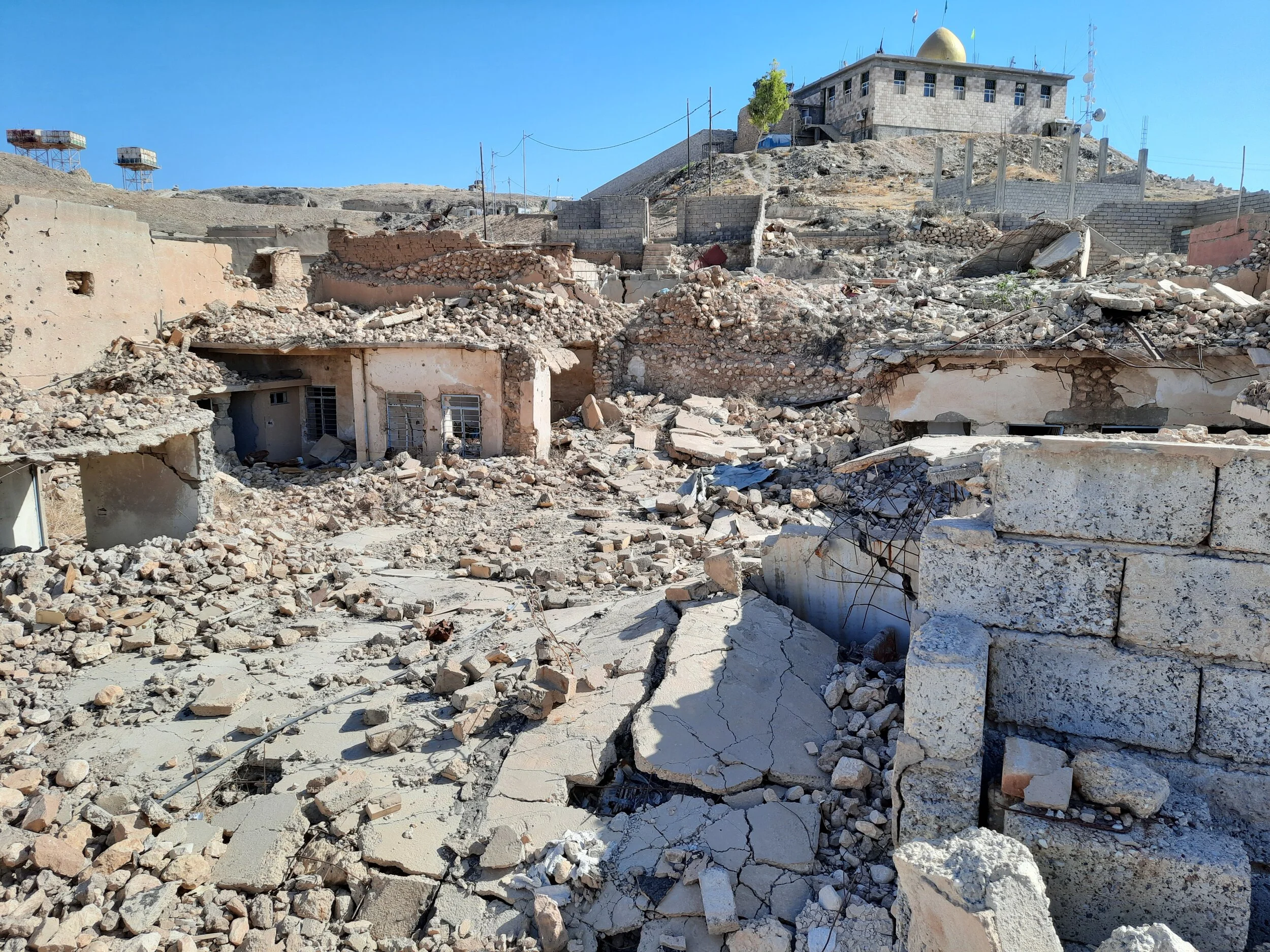
Urban residential areas in northern Iraq continue to present complex explosive hazards. In Sinjar, extensive destruction and deliberate contamination left behind improvised explosive devices and other explosive remnants of war embedded within collapsed structures, public spaces and critical infrastructure.
In September 2021, Global Clearance Solutions (GCS) successfully completed its first Urban Clearance task under UN mandate in the Sinjar District of Nineveh Province. The project supported the Government of Iraq's efforts to enable the safe return of displaced residents and to restore access to essential civilian infrastructure, including homes, schools and healthcare facilities.
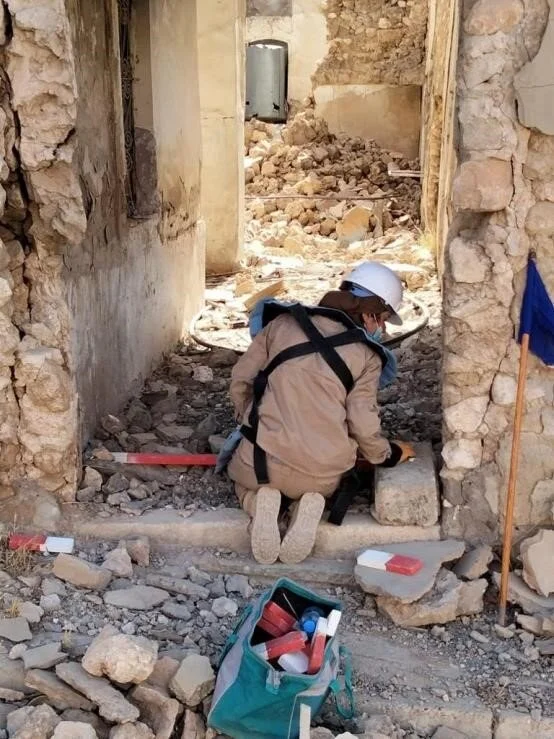
Highrisk clearance in dense urban environments
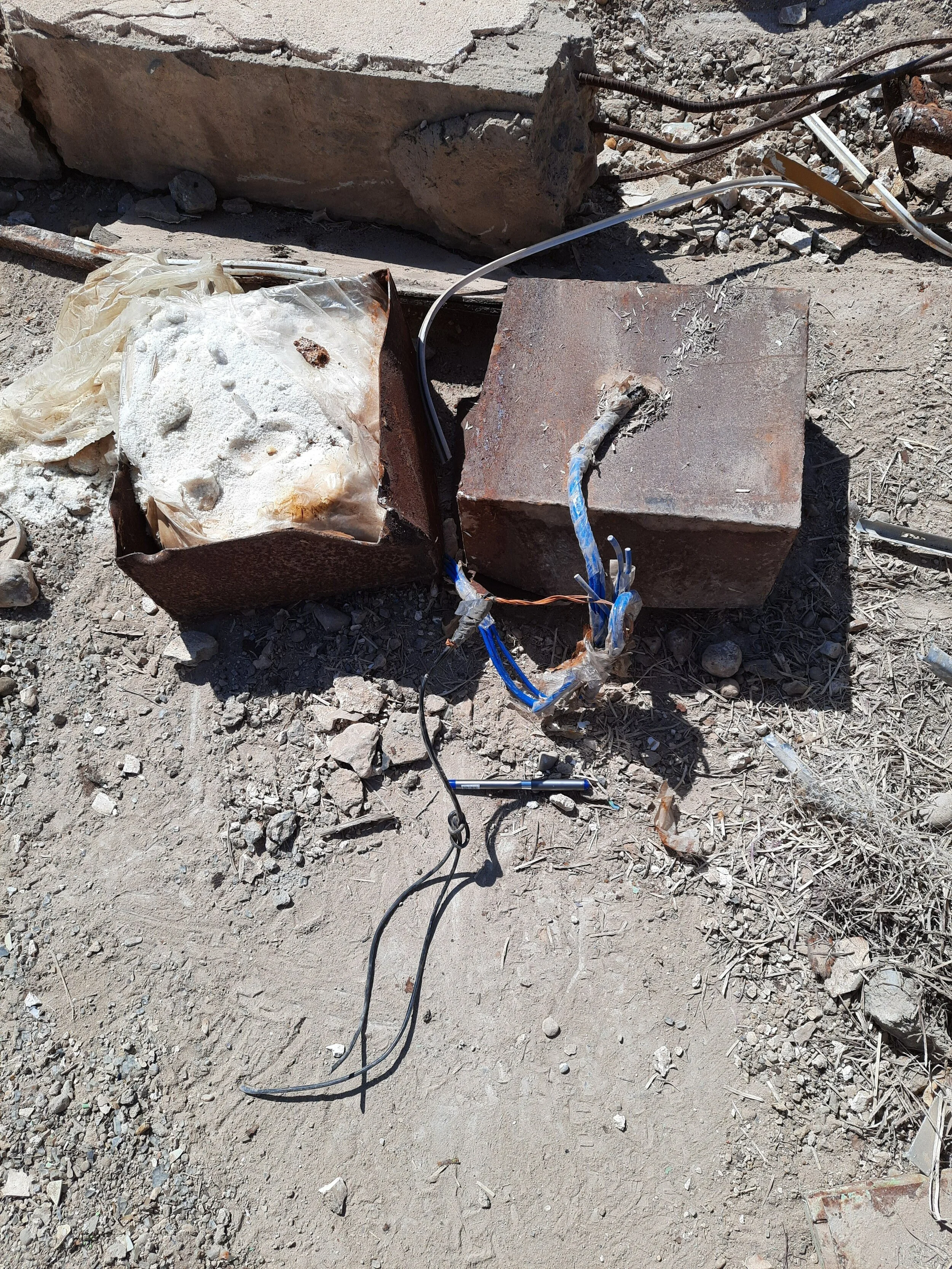
Although stabilisation efforts across Iraq have progressed, Sinjar remains heavily affected by debris from destroyed buildings. Public and private infrastructure, including residential properties, hospitals, electrical substations and prominent public sites, was deliberately contaminated with booby traps and minestyle IED belts during the conflict.
In addition to improvised devices, widespread explosive remnants of war remain present following intense fighting. Urban clearance in this context is highly complex and hazardous, requiring specifically trained and accredited personnel operating under strict safety and quality management procedures.
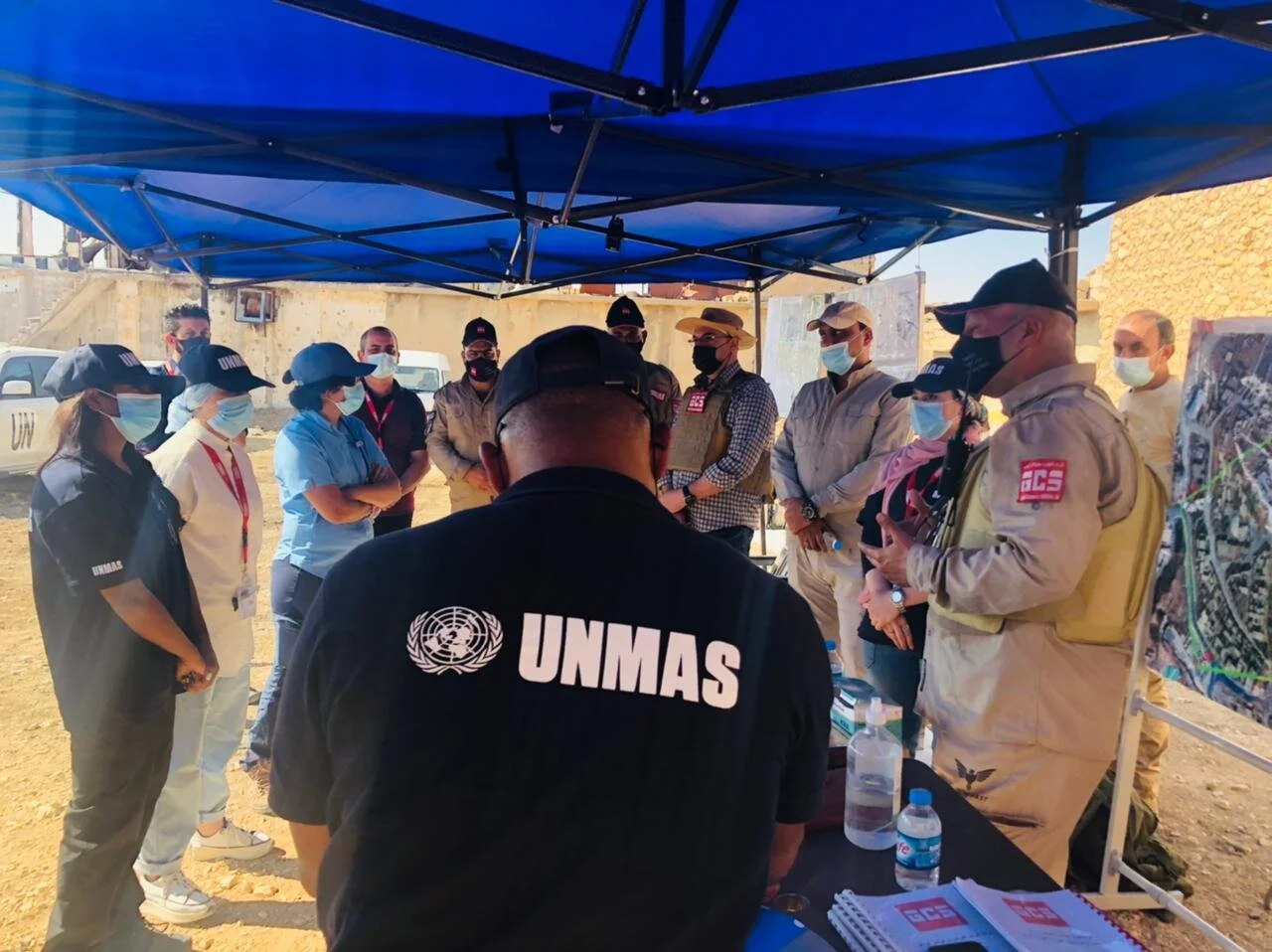
GCS explosive hazard clearance teams were tasked with systematic urban search and clearance, involving the identification, exposure and neutralisation of explosive hazards concealed beneath rubble and within damaged structures.
The Al Saray Market task
One of the most demanding task locations was Al Saray Market, the oldest market in Sinjar, originally constructed in 1950. The market covers approximately 85,000 square metres and consists of a dense mix of older and more modern buildings. Once a central commercial hub, the area was heavily damaged and rendered unusable.
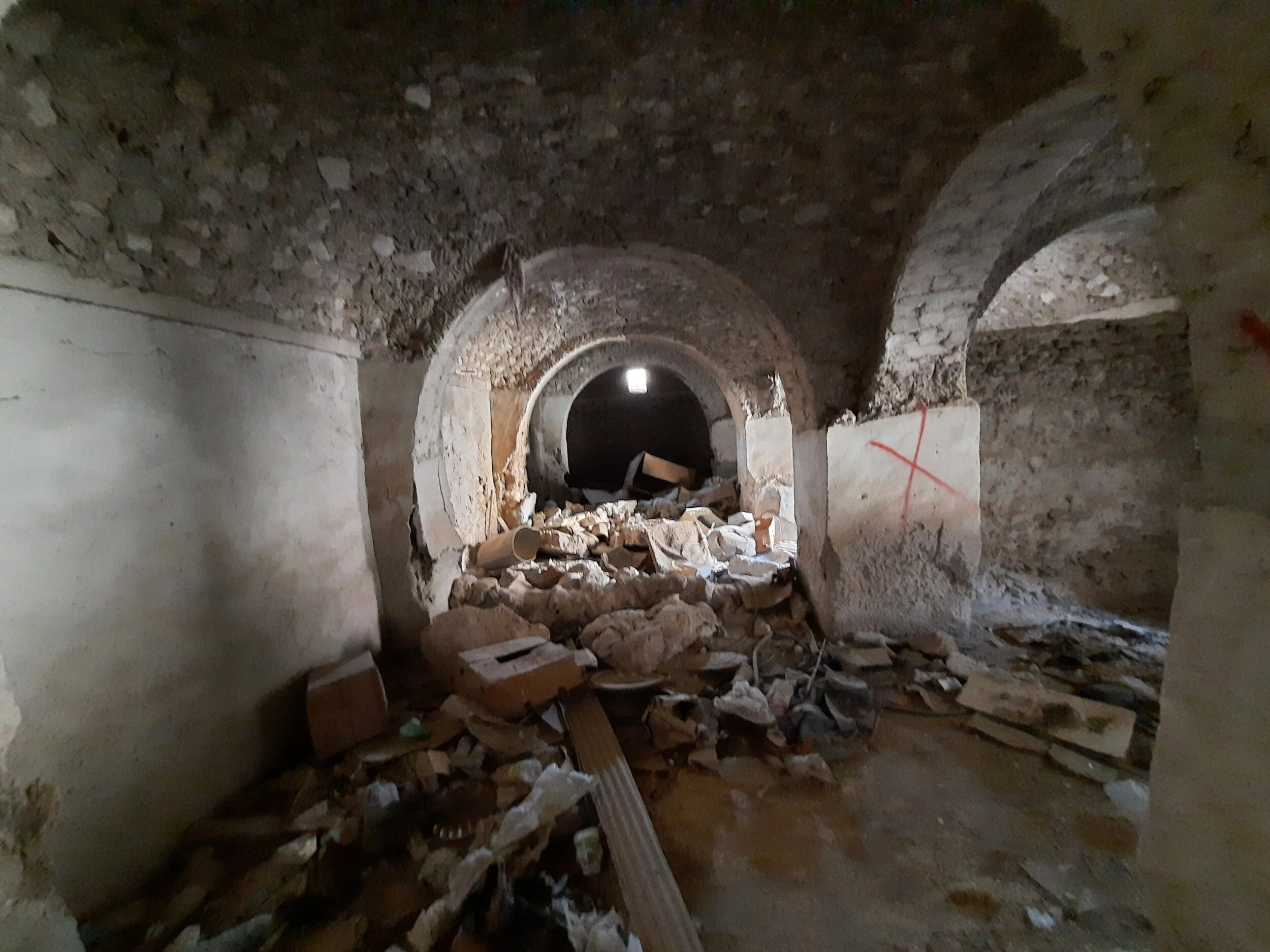
During the conflict, the market was used as a defensive position, with evidence of tunnels constructed beneath buildings to allow movement between structures. These features significantly increased the complexity of clearance operations and required careful sequencing and risk management.
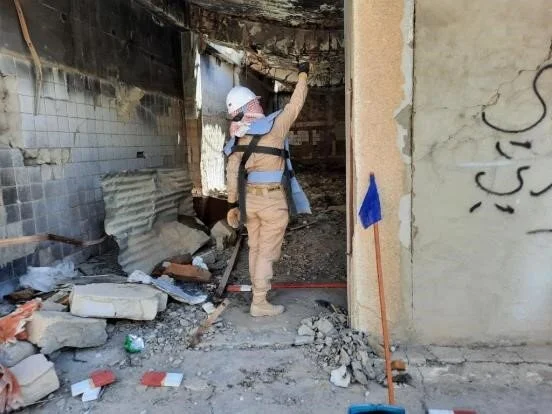
Managing debris and access constraints
Operations began in June and were immediately challenged by limited access due to extensive structural damage. Clearance activities progressed in stages.
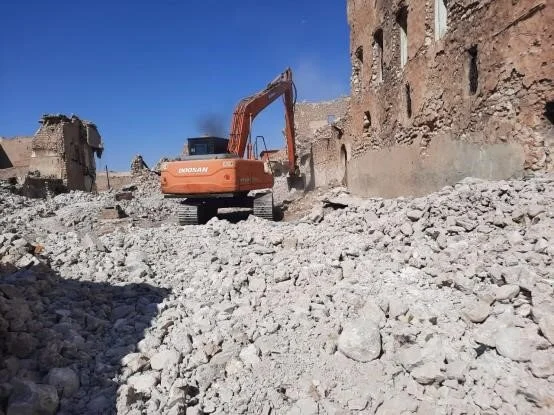
In open areas, controlled use of mechanical support equipment allowed rubble to be moved and access created for detailed inspection. Within partially collapsed or accessible buildings, debris had to be removed manually, a slow and labourintensive process necessary to maintain control and minimise risk.
Throughout the task, GCS teams recovered multiple explosive items, including unexploded ammunition and improvised devices. All recovered items were rendered safe and disposed of by trained national EOD personnel in accordance with applicable standards.
Operating amid ongoing volatility
In addition to explosive hazards, operations in Sinjar are conducted within a volatile security environment. Although the area was liberated several years ago, geopolitical tensions continue to affect the region, including periodic crossborder military activity.
GCS maintains continuous situational awareness and security monitoring and adapts operational measures as required to ensure staff safety while maintaining task delivery.
Enabling safe return and recovery
Urban clearance is a critical enabler for recovery in post-conflict urban environments. By addressing contamination beneath rubble and within damaged infrastructure, urban clearance operations allow displaced families to return, enable reconstruction and support the reestablishment of public services.
Through accredited urban clearance in Sinjar, GCS contributed to reducing explosive risk in one of the region's most affected residential areas, supporting broader stabilisation and recovery efforts in northern Iraq.
Country
Iraq
Publish Date
Product Segments
Operations & Field Service
Unmanned Systems (UXS)
Capabilities
IEDD & Search
Explosive Ordnance Disposal (EOD)
Urban Clearance
Ammunition Management


