Operations & Field Service
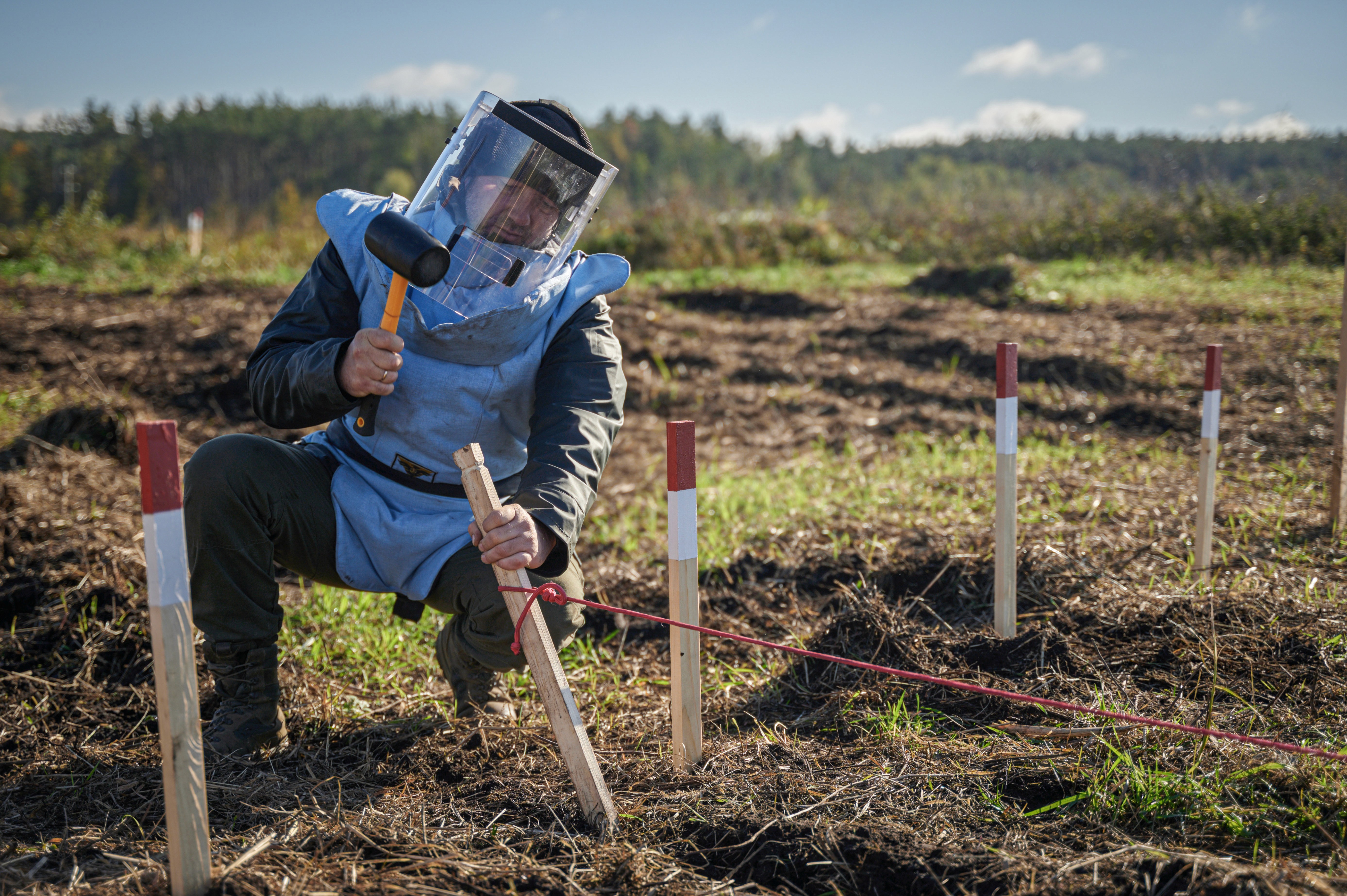
Restoring safe access to land in formerly occupied areas requires more than clearance capacity alone. It depends on the ability to combine technical resilience, structured procedures and effective coordination with local authorities.
The fourth and final chapter of the Shyroke field series documents how this combination enabled large-scale demining operations in southern Ukraine, allowing agricultural land to be returned to safe use under particularly demanding conditions.
Addressing complex contamination
In and around Shyroke, explosive contamination reflects prolonged occupation and intensive fighting. Mines were frequently boosted with additional charges, stacked or deliberately placed to maximise lethality, creating hazards that are especially dangerous for civilians, farmers and recovery workers.
Clearance operations therefore required systems capable of absorbing repeated detonations while remaining repairable and operational in the field.
As Ashley Williams, Deputy Head of Operations at Global Clearance Solutions (GCS), explains in the technical briefing:
"In Ukraine we often encounter mines that have been boosted or laid on top of each other. That results in more damage when a detonation occurs, but with the GCS-200 we have repeatedly seen machines continue operating after only minor field repairs."
Fieldlevel repair capability has been critical in maintaining momentum, particularly where access to workshops or spare equipment is limited.
Mechanical clearance integrated with quality management
The four GCS-200 remotecontrolled mechanical demining platforms deployed with Nibulon as part of the humanitarian package supported by DEG Impulse under the develoPPP programme have been used alongside manual clearance and structured survey.
Mechanical processing is followed by systematic quality control, reporting and validation, ensuring that land is only released once it meets the required safety criteria. This administrative process, coordinated with local authorities, enables land to be certified and returned to civilian use without delay.
Local coordination and trust
Municipal involvement has been essential. Local administrators worked closely with demining teams to prioritise areas, manage access and ensure that cleared land could be reintegrated into normal economic activity.
In Shyroke, this coordination enabled thousands of hectares to move from uncertain risk status to verified safe land, supporting both agricultural production and the gradual return of residents.
From clearance to continuity
The Shyroke operation demonstrates how technical resilience, trained Ukrainian operators and disciplined administrative processes together form the basis for sustainable demining. Mechanical clearance increases speed and safety, but it is the integration with survey, reporting and local governance that allows results to translate into real recovery.
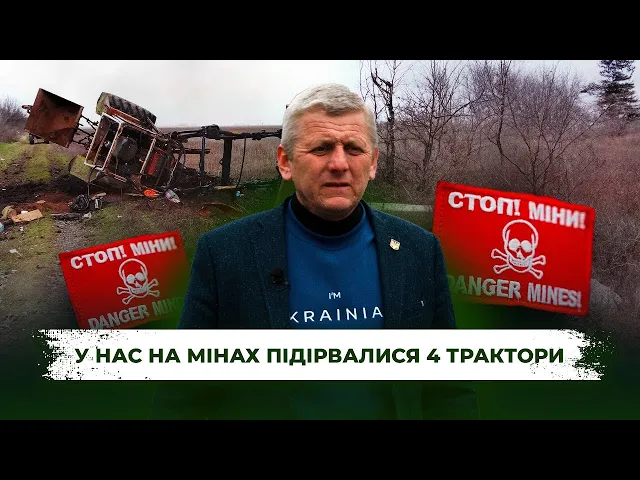
The accompanying film illustrates these elements in practice, showing how demining has moved beyond emergency response to become a structured, locally embedded process supporting long-term recovery.
Get to know Serhii Peresunko, municipal director and GCS Deputy Head of Operations Ashley Williams to see how they approached this large scale demining project.
Country
Ukraine
Publish Date
Product Segments
Operations & Field Service
Unmanned Systems (UXS)


