Runway/Airfield Clearance

Restoring controlled aviation access and operational continuity in EO-contaminated airfield environments
Runway/Airfield Clearance

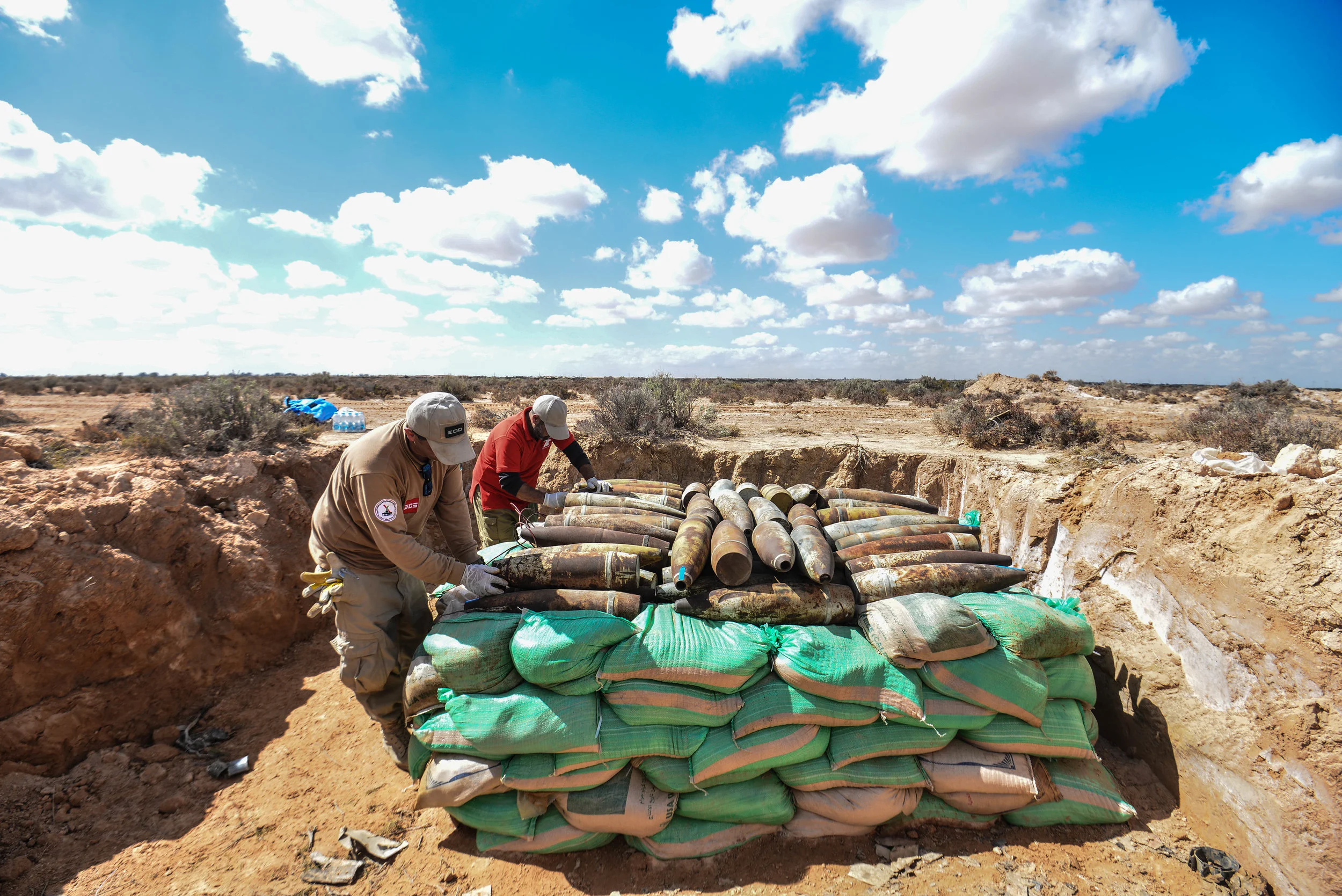
Airfields affected by conflict, attack or abandonment may contain unexploded ordnance, EO-related debris, craters and infrastructure damage across runways, taxiways, aprons, access routes and supporting infrastructure. These hazards can prevent aircraft operations, delay humanitarian access, restrict military mobility and expose personnel and recovery teams to significant risk.

Risk to aviation operations

Runway / Airfield Clearance focuses on the management and clearance of EO hazards from aviation-critical infrastructure. GCS supports this capability through coordinated assessment, survey, clearance expertise, mechanical support, debris movement, surface preparation and quality management.

Runway/Airfield Clearance

Airfields affected by conflict, attack or abandonment may contain unexploded ordnance, EO-related debris, craters and infrastructure damage across runways, taxiways, aprons, access routes and supporting infrastructure. These hazards can prevent aircraft operations, delay humanitarian access, restrict military mobility and expose personnel and recovery teams to significant risk.

Risk to aviation operations

Runway / Airfield Clearance focuses on the management and clearance of EO hazards from aviation-critical infrastructure. GCS supports this capability through coordinated assessment, survey, clearance expertise, mechanical support, debris movement, surface preparation and quality management.

Runway/Airfield Clearance

Airfields affected by conflict, attack or abandonment may contain unexploded ordnance, EO-related debris, craters and infrastructure damage across runways, taxiways, aprons, access routes and supporting infrastructure. These hazards can prevent aircraft operations, delay humanitarian access, restrict military mobility and expose personnel and recovery teams to significant risk.

Risk to aviation operations

Runway / Airfield Clearance focuses on the management and clearance of EO hazards from aviation-critical infrastructure. GCS supports this capability through coordinated assessment, survey, clearance expertise, mechanical support, debris movement, surface preparation and quality management.

Runway/Airfield Clearance

Airfields affected by conflict, attack or abandonment may contain unexploded ordnance, EO-related debris, craters and infrastructure damage across runways, taxiways, aprons, access routes and supporting infrastructure. These hazards can prevent aircraft operations, delay humanitarian access, restrict military mobility and expose personnel and recovery teams to significant risk.

Risk to aviation operations

Runway / Airfield Clearance focuses on the management and clearance of EO hazards from aviation-critical infrastructure. GCS supports this capability through coordinated assessment, survey, clearance expertise, mechanical support, debris movement, surface preparation and quality management.

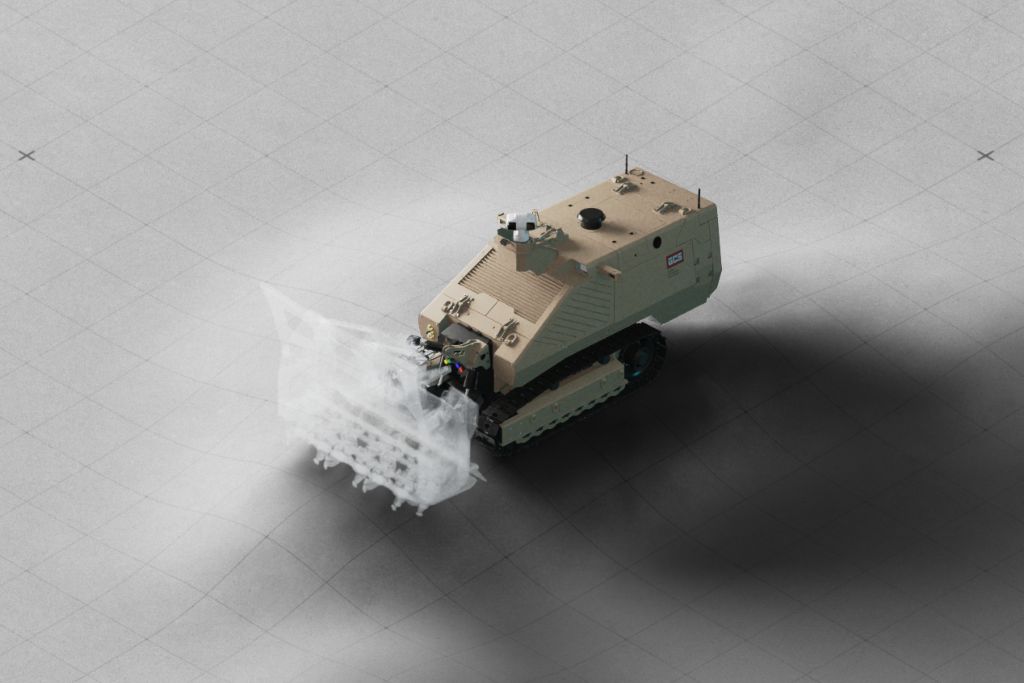
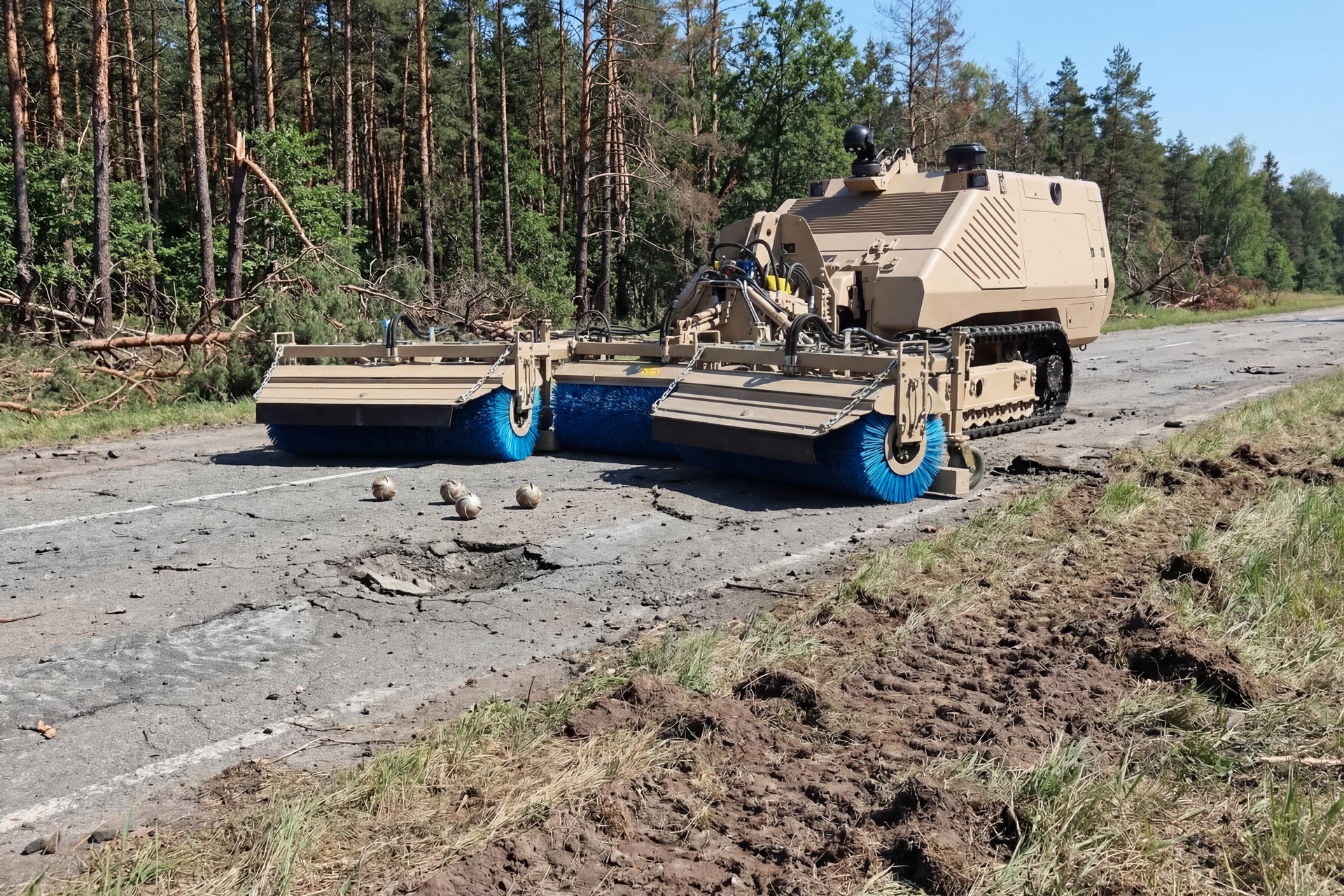
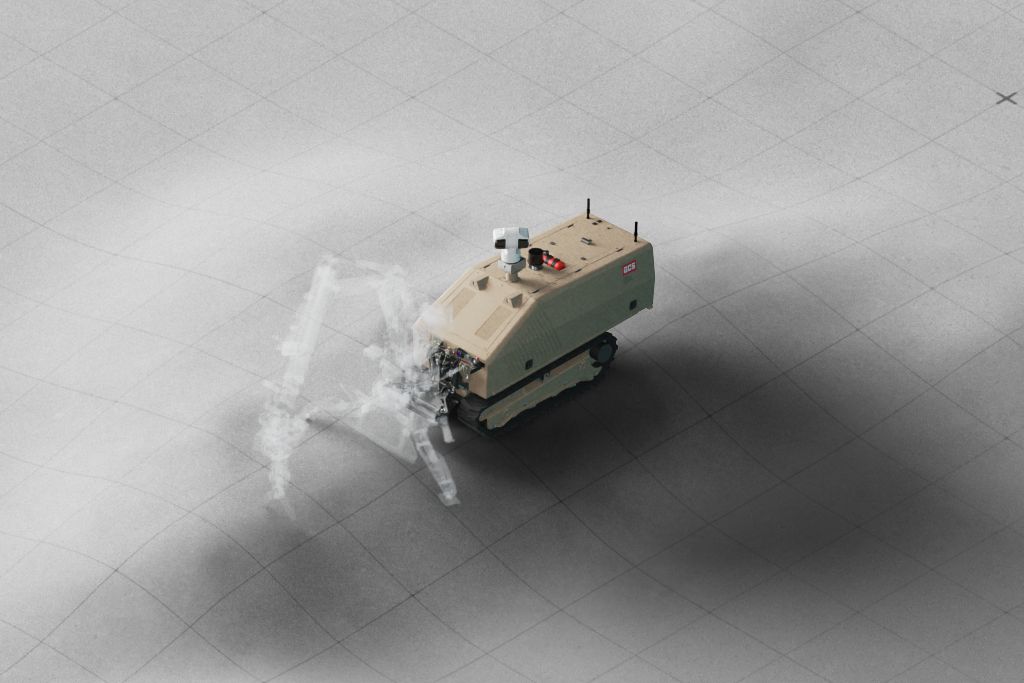
GCS-200 remote-controlled platform with sweeper attachment clearing submunitions from a damaged runway during airfield clearance operations.
The challenge

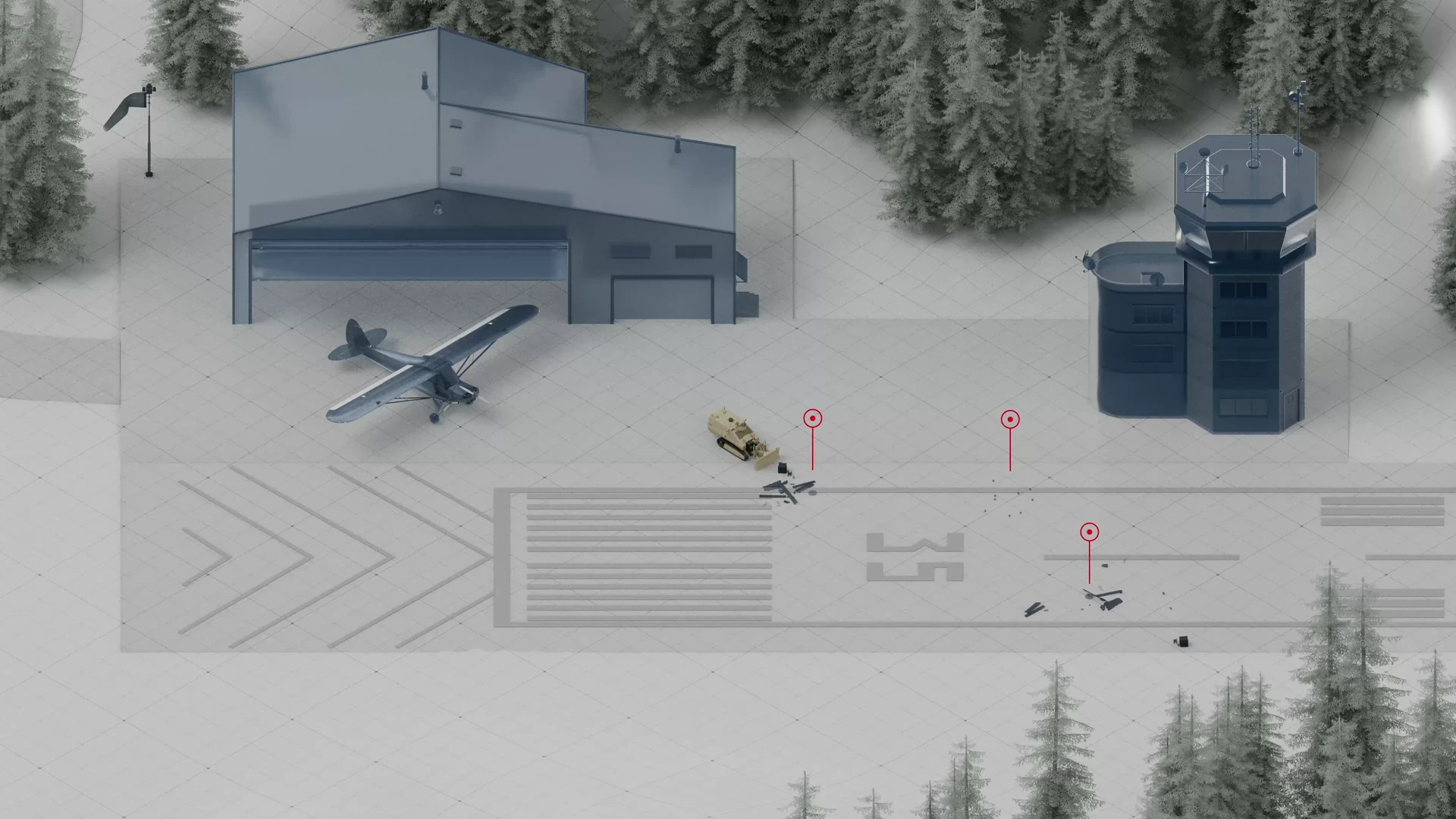
Airfields are interconnected systems. Operational use depends on more than the runway alone. EO hazards may affect movement surfaces, access routes, open ground, drainage systems, buildings, roofs and perimeter areas. The response depends on the required end state. In military operations, the priority may be rapid airfield enablement to restore limited use for aircraft movement, logistics, evacuation, resupply or force projection. In humanitarian, stabilisation or recovery contexts, the priority may be documented clearance, quality management and controlled handover before wider civilian or commercial use resumes.

The GCS Approach

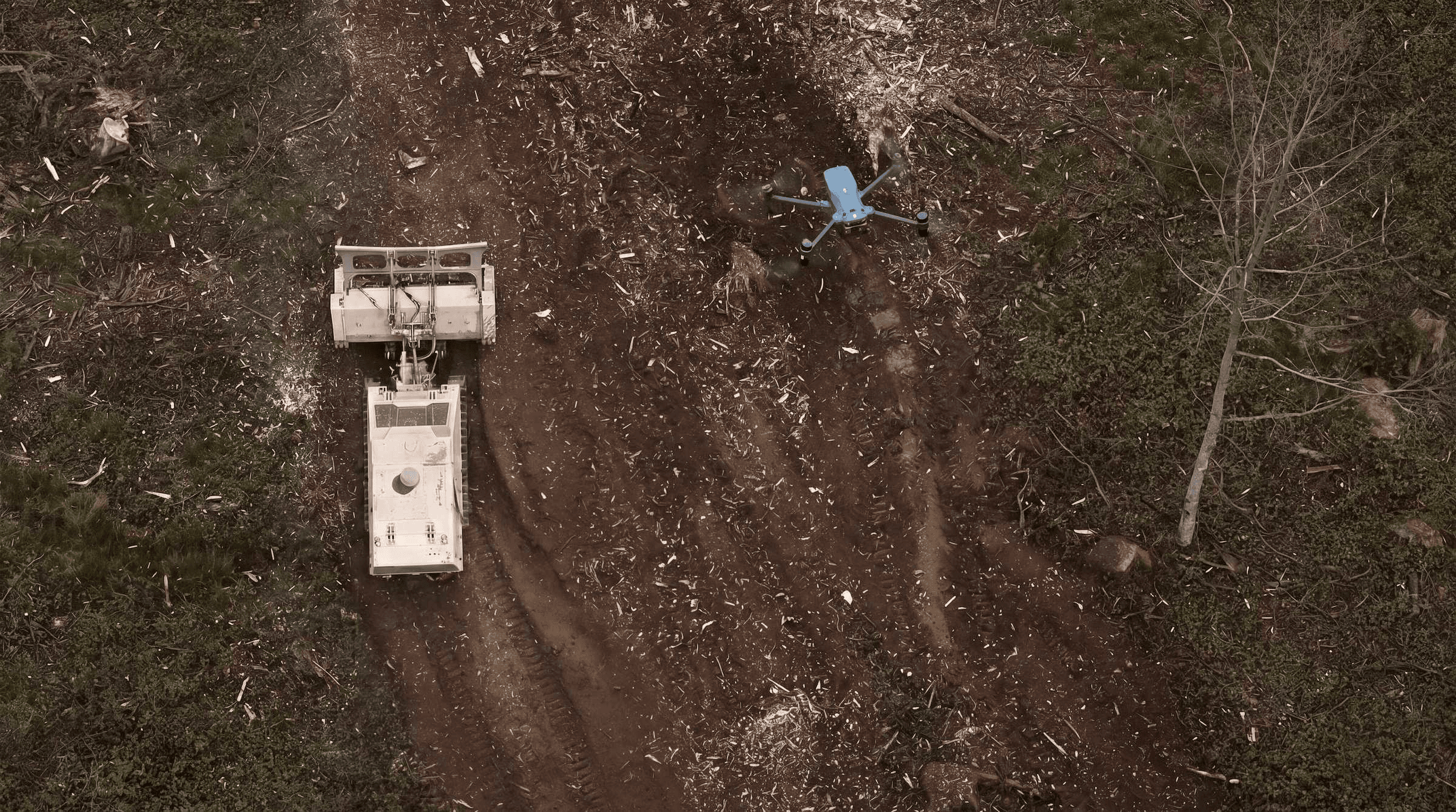
GCS supports Runway / Airfield Clearance as EO hazard management applied to aviation-critical infrastructure. The approach is survey-led and task-driven, with methods and assets selected according to the airfield system, EO hazard picture, authority framework and required end state. Risk is defined through assessment, reconnaissance and, where required, non-intrusive and intrusive survey. Activities may combine EOD support, Battle Area Clearance, Demining (HMA) or IEDD & Search, supported by mechanical systems for surface treatment, obstacle reduction, debris movement, access preparation and repair-support tasks. Quality management, documentation and controlled handover are applied throughout.

Where Runway/Airfield Clearance fits

Runway / Airfield Clearance applies where EO hazards affect aviation movement surfaces, infrastructure and operational continuity. It is used in military operations, humanitarian access, stabilisation and post-conflict recovery, as well as governmental and civil contexts where rapid, phased or documented airfield enablement is required. It is distinct from Battle Area Clearance, which addresses EO-contaminated open or semi-open terrain where mines are not expected; Route Clearance, which focuses on defined movement corridors; and Demining (HMA), which focuses on evidence-based land release where landmine contamination is suspected or confirmed.

The Solution

GCS Runway / Airfield Clearance supports the controlled restoration of aviation operations by addressing EO hazards, debris and access to the site. At capability level, it brings together clearance methods, mechanical support and operational controls required to re‑establish safe access, support recovery and enable controlled handover.
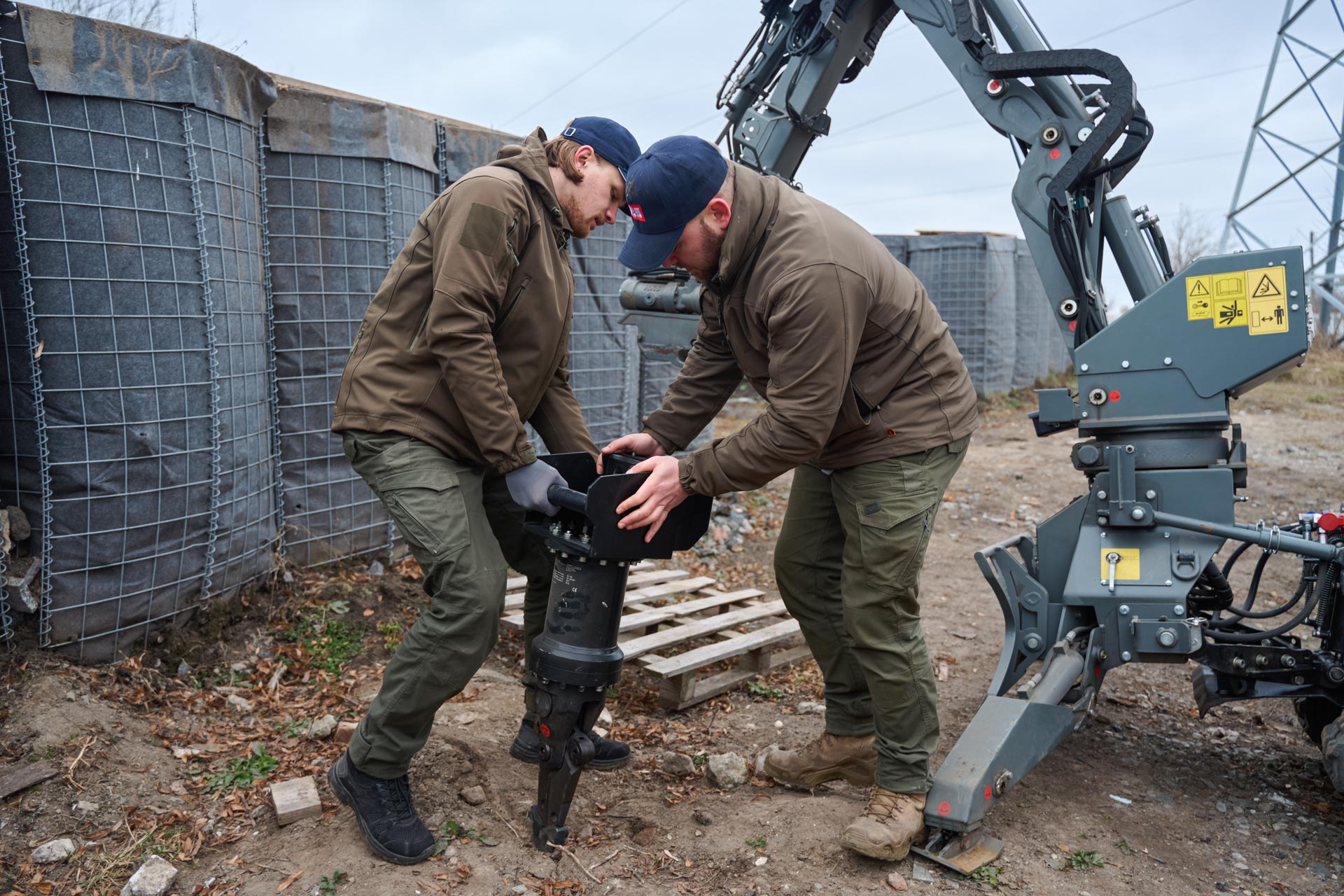
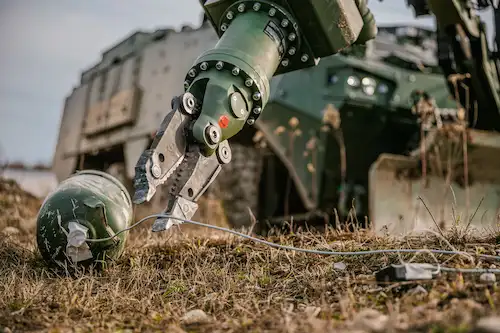
GCS technicians changing the manipulator arm tool to a shears spreader attachment during airfield clearance operations.

Assessment and survey

Airfield-specific assessment, non-intrusive survey and intrusive survey

EOD support

EOD support and clearance expertise for aviation environments

Mechanical support

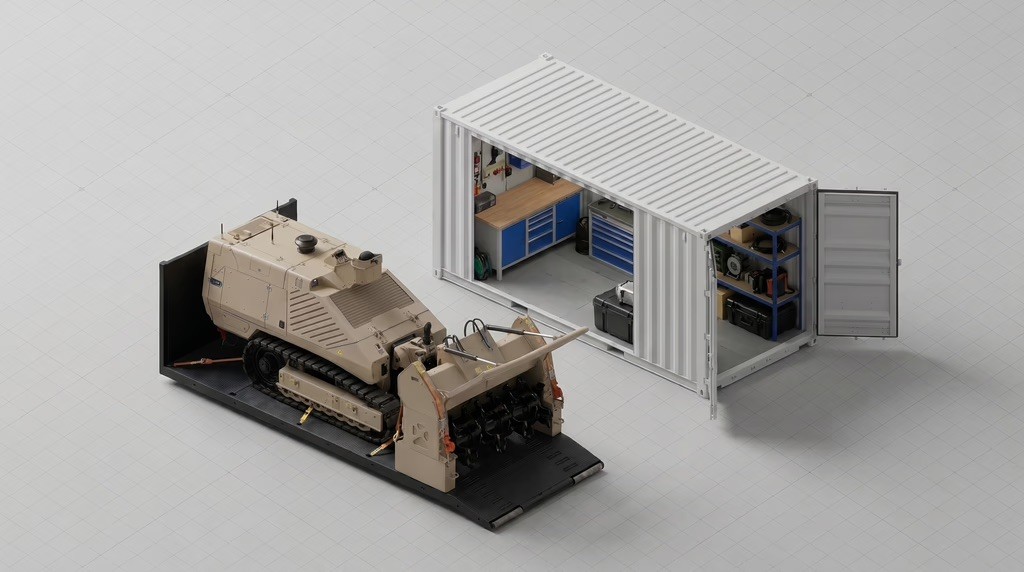
Mechanical support for surface treatment, debris movement and access preparation

Rapid enablement

Rapid airfield enablement for military operational access

Recovery and repair

Recovery-support tasks, including debris, damage and repair interfaces

Reconnaissance and monitoring

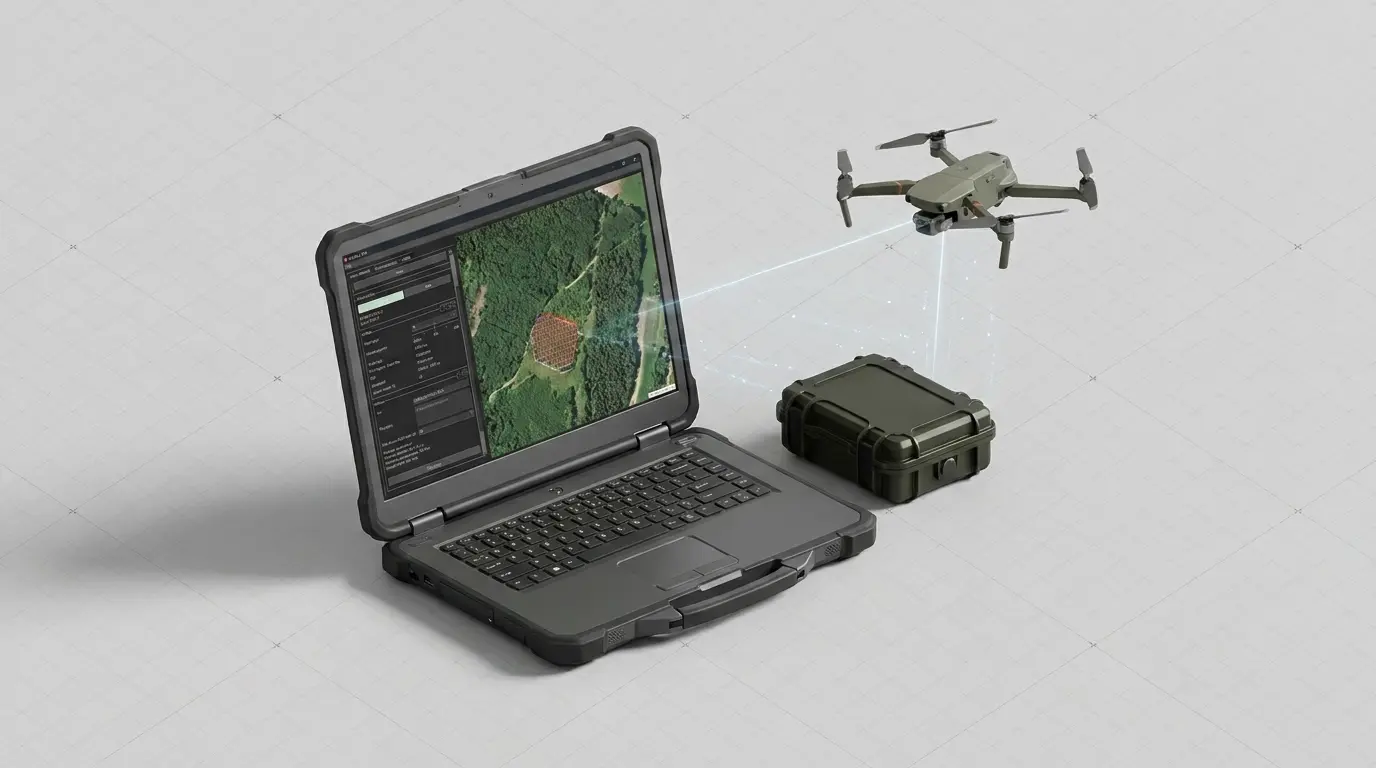
UAS-supported reconnaissance, mapping, monitoring and evidence capture

Quality management & handover

Quality management, documentation and handover support
recent stories

Operational experience from the field, across contexts and missions.

recent stories

Operational experience from the field, across contexts and missions.

recent stories

Operational experience from the field, across contexts and missions.

recent stories

Operational experience from the field, across contexts and missions.

Plan your clearance capability with GCS

GCS helps define the right clearance approach, system configuration and support model for each operational environment.

Plan your clearance capability with GCS

GCS helps define the right clearance approach, system configuration and support model for each operational environment.

Plan your clearance capability with GCS

GCS helps define the right clearance approach, system configuration and support model for each operational environment.

Plan your clearance capability with GCS

GCS helps define the right clearance approach, system configuration and support model for each operational environment.