Underwater Clearance
Supporting controlled use of waterways and nearshore environments affected by explosive ordnance
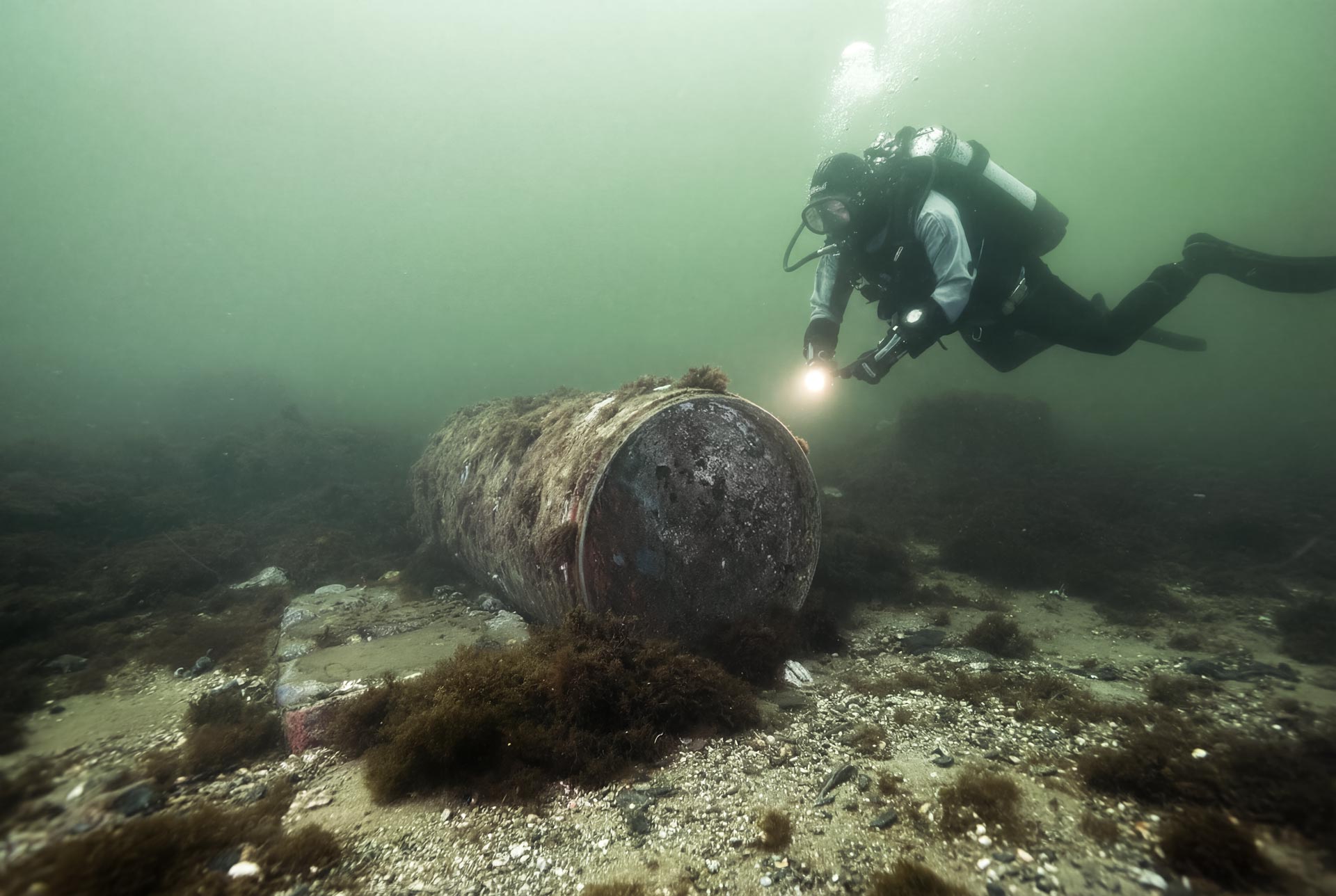
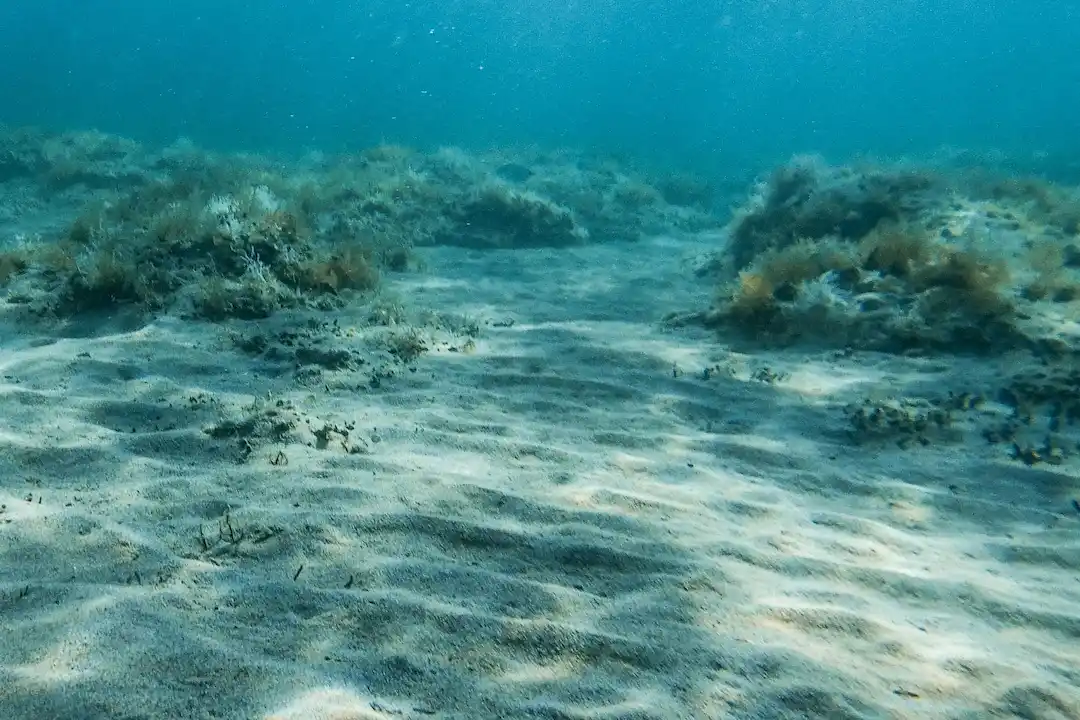
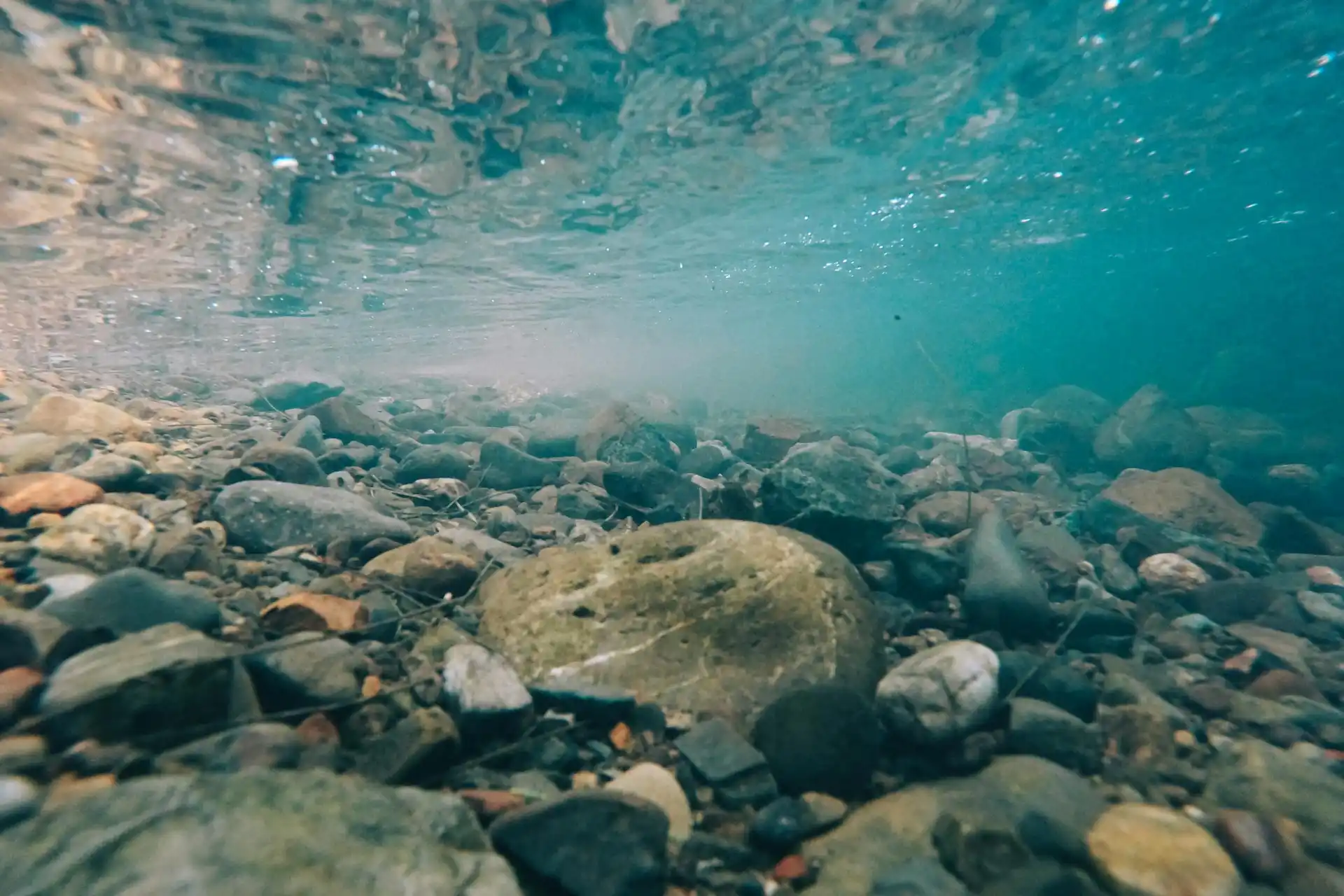
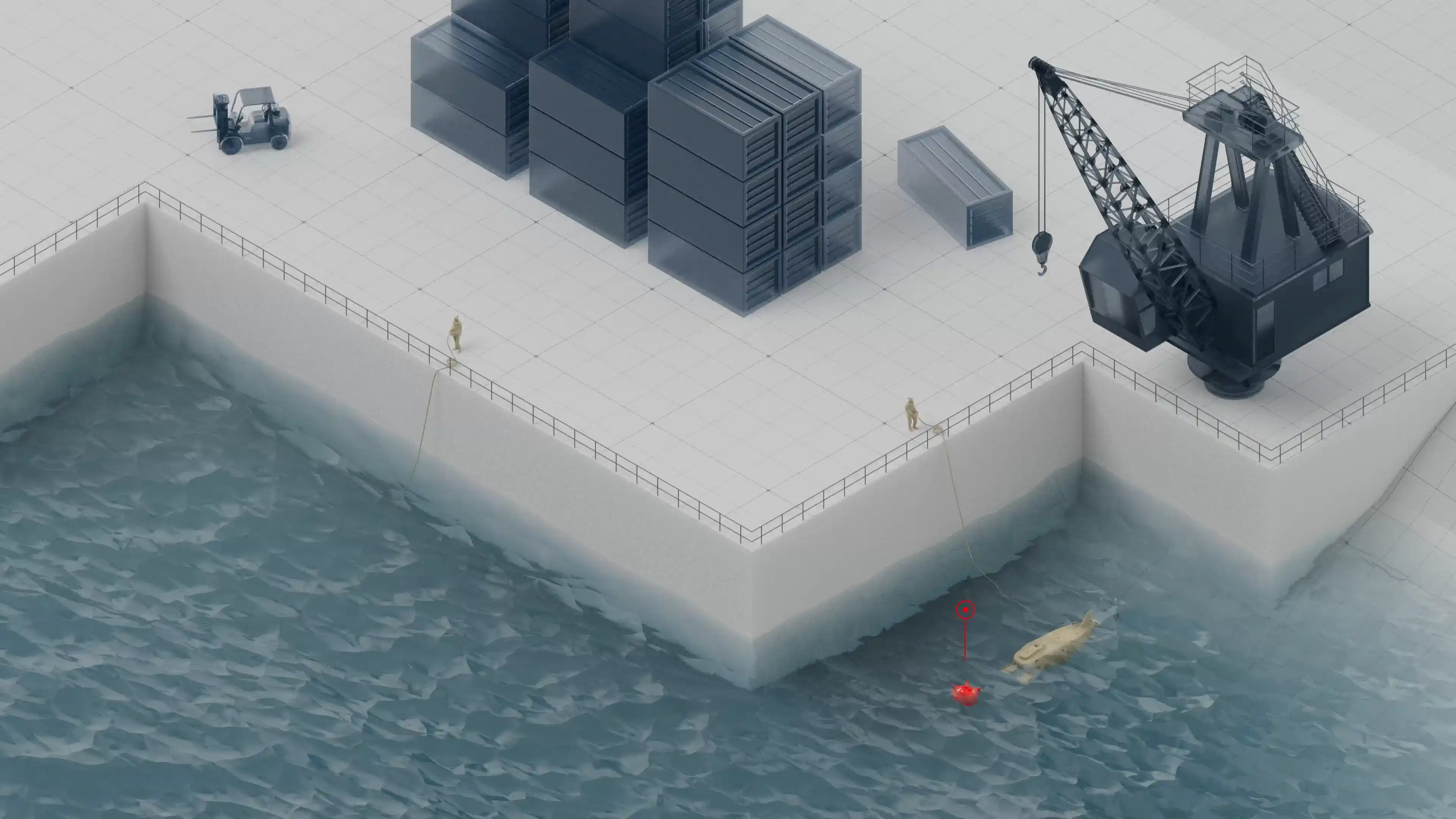
Underwater explosive ordnance presents a fundamentally different challenge from land‑based contamination. Visibility is limited or absent, sediment movement can conceal or expose hazards over time and the condition of ordnance is often unknown. Rivers, inland waterways and nearshore zones combine hydrodynamic effects, debris, infrastructure interfaces and public access, increasing technical complexity and risk. In many environments, only a small proportion of surveyed areas may contain EO items, yet the consequences of a missed hazard can be significant. Underwater clearance is therefore about managing uncertainty through disciplined survey, assessment and control, while balancing risk reduction, environmental impact and operational feasibility.
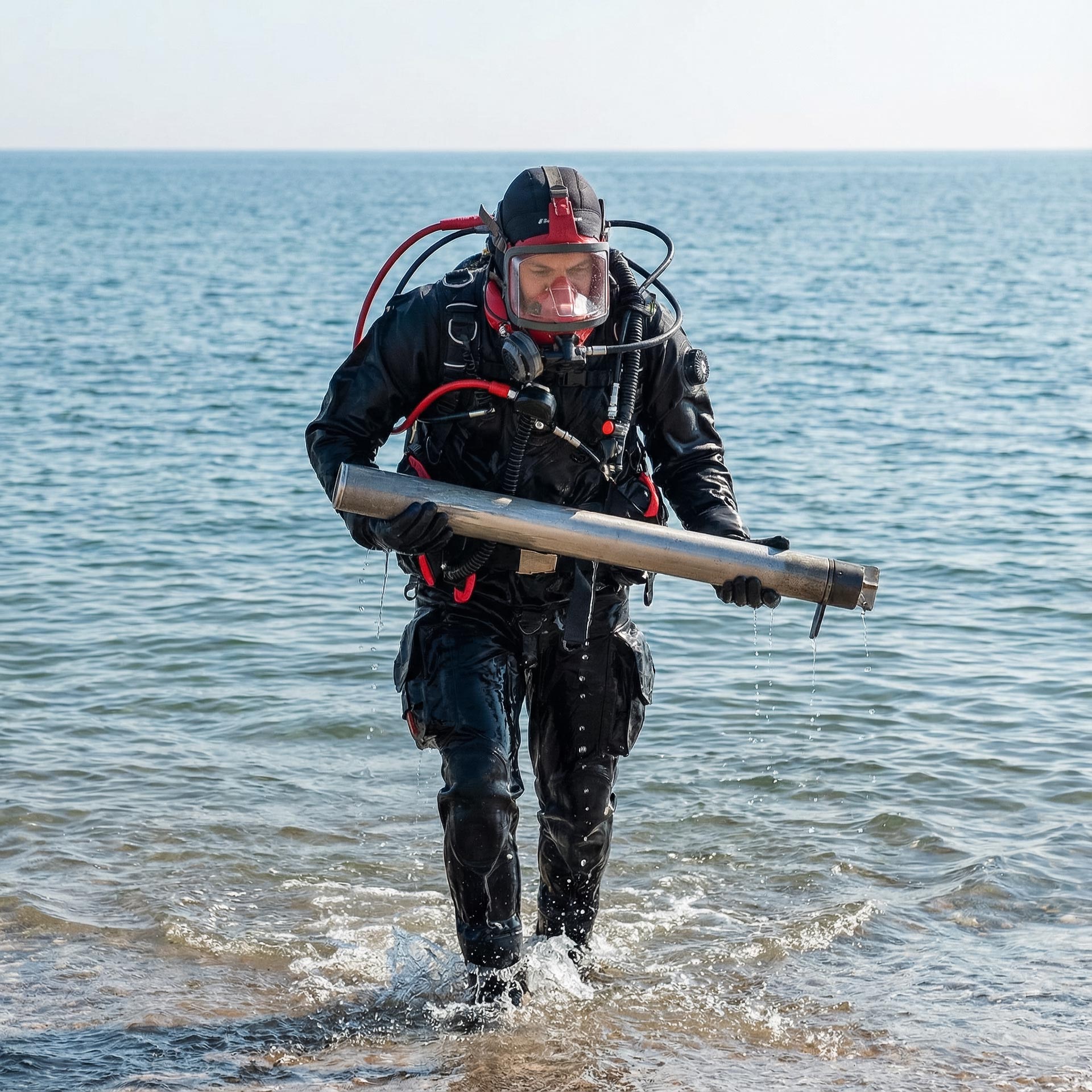
GCS approaches Underwater Clearance as a survey-led, risk-managed support capability, adapted to inland, shallow-water and nearshore environments. The approach may combine hydrographic survey, geophysical survey, targeted investigation and disposal-support planning through a structured process aligned with recognised underwater clearance practices. Operations may integrate sonar and magnetometry-based survey, diver or remotely assisted investigation, EO risk-management decisions, exclusion zones, safety management and documentation. Given the specialist nature of underwater work, GCS supports this capability through carefully selected specialist partners and external resources, integrated into GCS planning, quality management and reporting frameworks.
Where Underwater Clearance fits
Underwater Clearance addresses EO hazards located in rivers, lakes, inland waterways, ports, harbours and nearshore coastal waters. It supports humanitarian recovery, infrastructure rehabilitation and controlled navigation in shallow aquatic environments. It is distinct from Battle Area Clearance, which focuses on land-based EO contamination across open areas; Route Clearance, which addresses defined land corridors and controlled movement; Minefield Breaching, which creates controlled lanes through known or expected mine and obstacle threats; and Explosive Ordnance Disposal (EOD), which may support underwater clearance but does not, on its own, address area-based underwater contamination. Underwater Clearance complements these capabilities where EO risk extends into water-based environments and interfaces with land operations.
GCS Underwater Clearance solutions support the controlled survey, assessment and management of underwater EO hazards in inland, shallow-water and nearshore environments. At capability level, this brings together survey methods, operational controls and partner-enabled support to build confidence in water use.
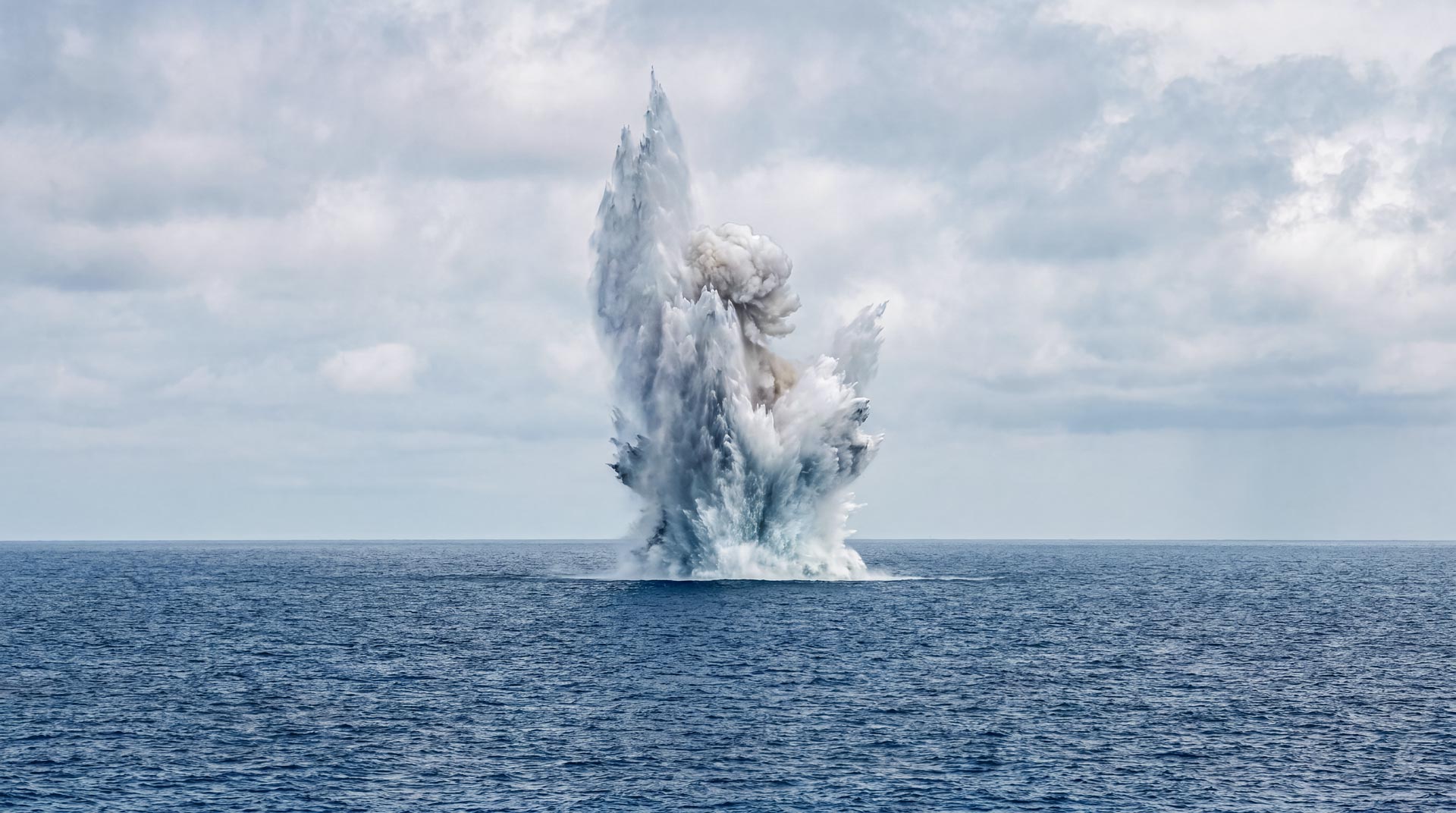
Survey & investigation
Structured underwater survey and target investigation support
Target assessment
Controlled assessment of underwater EO targets
Disposal or recovery
EO risk-management, disposal-support or recovery-support for confirmed items
Safety controls
Exclusion zones, risk controls and environmental considerations
Quality management & documentation
Accurate recording, quality management and IMAS-aligned documentation
Verified handover
Documented handover supporting navigation, infrastructure or follow-on works