Demining (Humanitarian Mine Action)
Restoring safe land access through structured, evidence-based mine action and land release
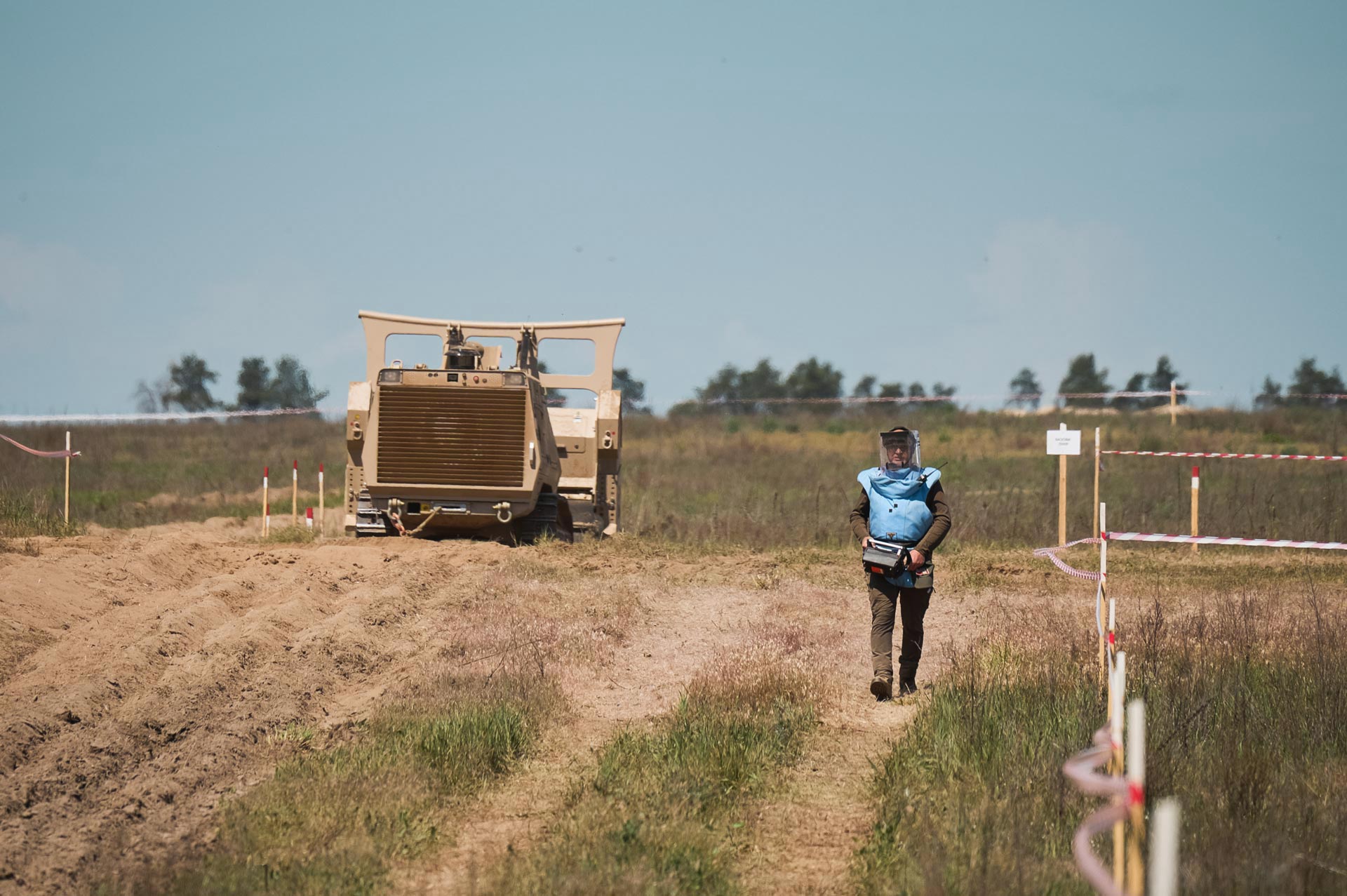
Land contaminated by mines and other explosive ordnance hazards can remain unsafe long after conflict ends. These areas are often extensive, poorly documented and used for agriculture, housing and infrastructure. Unlike defined routes, contamination is irregular and uncertain. Hazard location, depth and density are rarely known, and the various threats are often dispersed unevenly across terrain. The challenge is to balance safety, efficiency and evidence. Full clearance of suspected areas is not always proportionate, while insufficient investigation leaves residual risk. Demining therefore requires a structured approach that reduces uncertainty, controls exposure and supports evidence‑based land release.
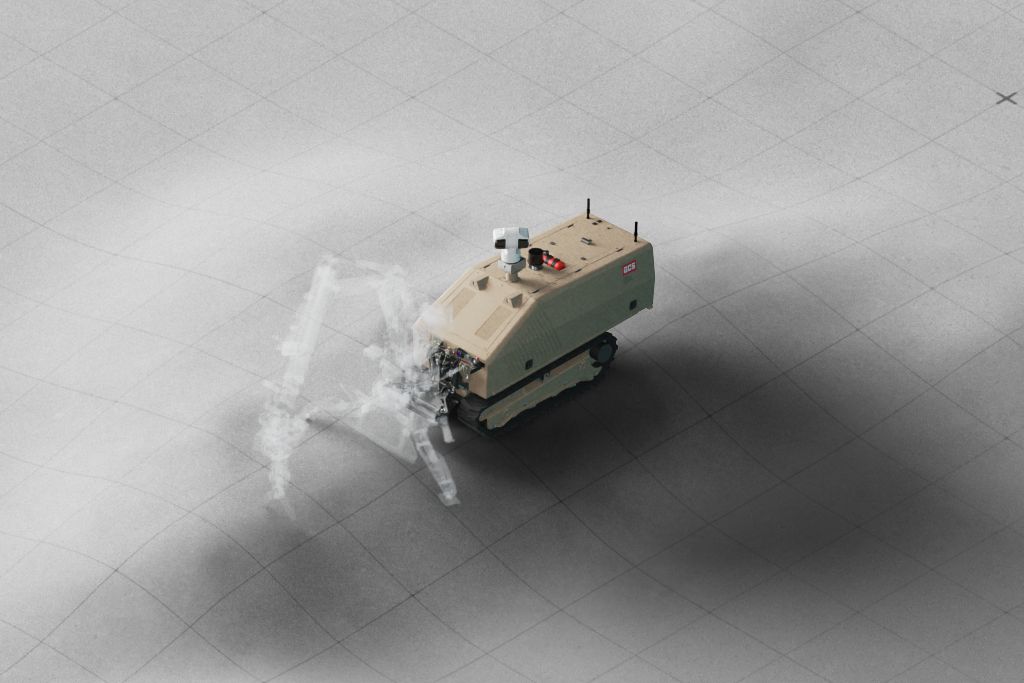
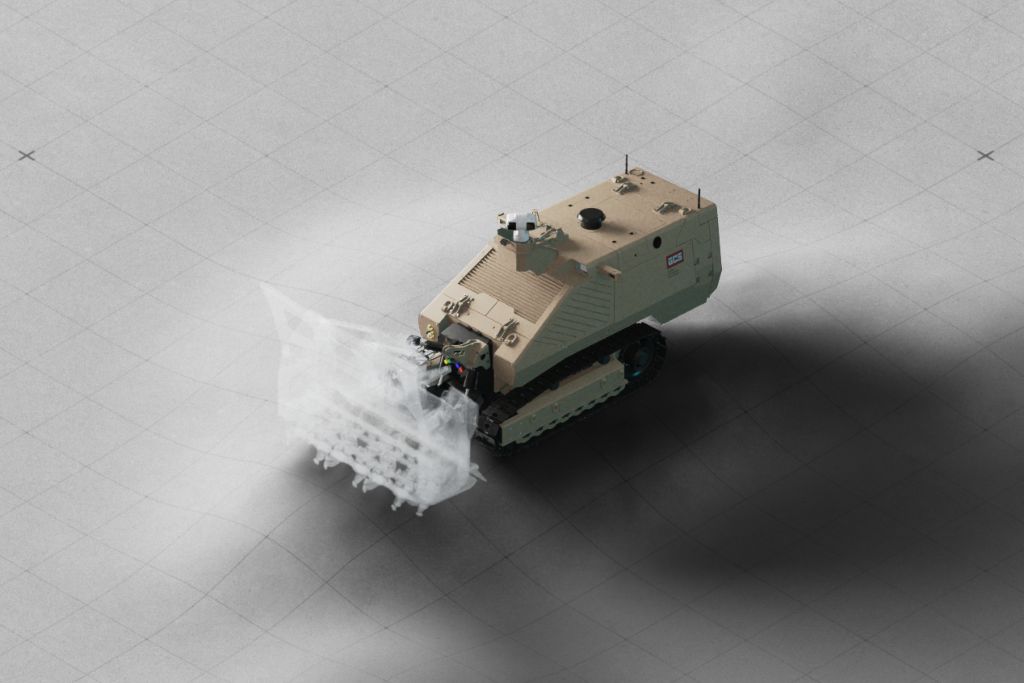
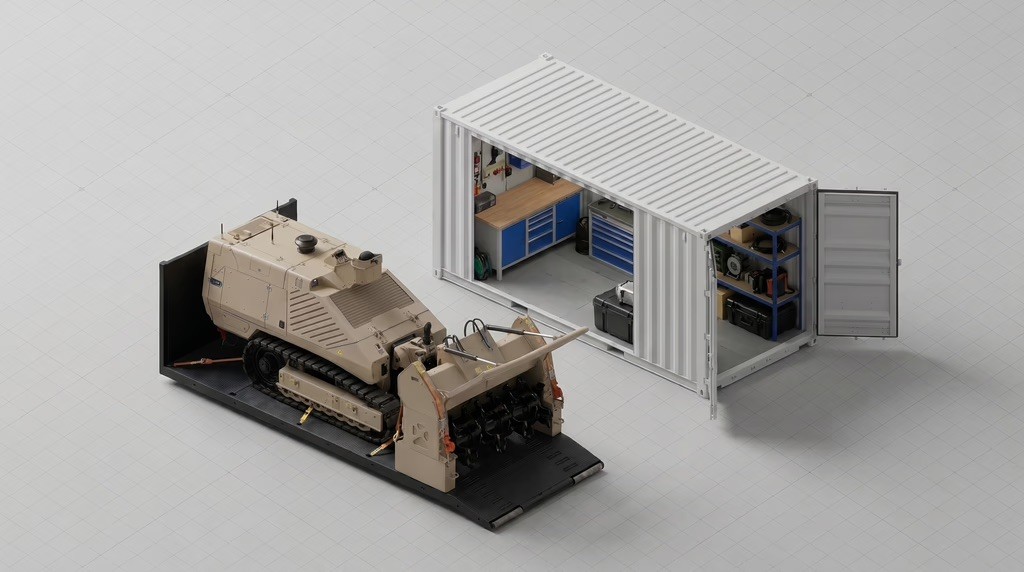
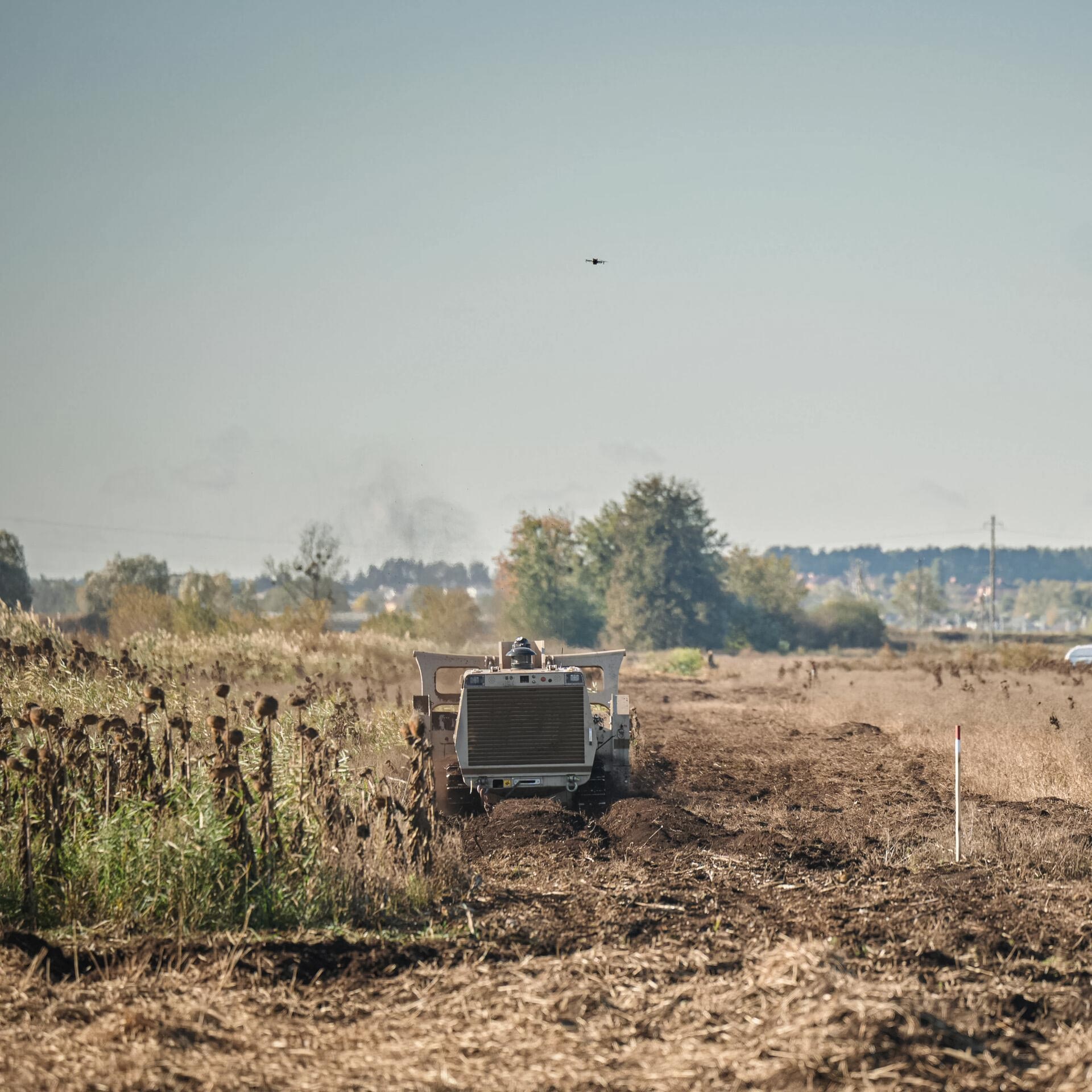
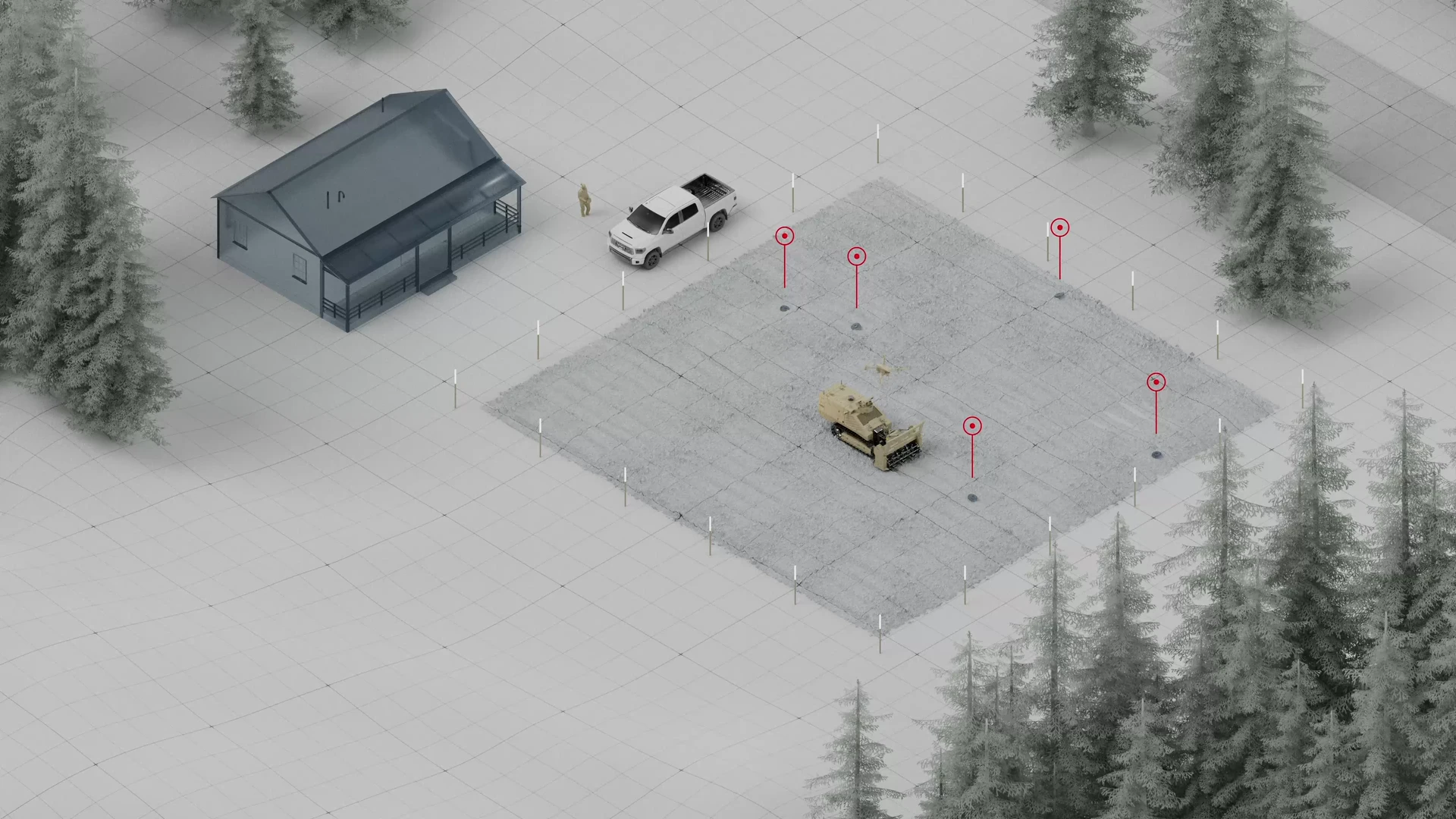
GCS approaches Demining (HMA) as a deliberate, area-based land release activity, delivered through a structured and evidence-led process aligned with International and national Mine Action Standards. Operations are driven by a survey‑led methodology that reduces uncertainty step by step. Non‑Intrusive and Intrusive Survey are applied in sequence to reduce uncertainty, define contamination and support evidence‑based decisions for safe and proportionate land release. Clearance is applied where contamination is confirmed or where evidence indicates that it is required, avoiding unnecessary disturbance of land that can be released through survey evidence. Demining is delivered through the integration of complementary methods, selected according to terrain, threat and operational constraints. Mechanical systems may support ground preparation, vegetation reduction and clearance tasks. Manual demining teams and animal detection systems may support controlled investigation, clearance and final confirmation. Unmanned systems and digital tools may enhance planning, mapping, monitoring and documentation. Throughout the process, GCS applies controlled working methods, marking, quality management and reporting. This supports risk reduction to an acceptable level and enables documented handover. Demining is therefore not defined by how much ground is processed, but by the quality of evidence, control and assurance that supports land release decisions.
Where Demining (Humanitarian Mine Action) fits
Demining in the HMA context is a humanitarian, non-military land release capability, delivered under national mine action authority requirements and international standards. It is distinct from, but closely linked to, other clearance capabilities. Battle Area Clearance focuses on ERW-contaminated areas where mines are not expected. Route Clearance focuses on defined mobility corridors. Demining (HMA) focuses on land release in areas where landmine contamination is suspected or confirmed, with associated explosive ordnance hazards addressed as required.
GCS delivers Demining as the systematic reduction of risk from landmine contamination and associated explosive ordnance hazards. The capability combines survey, investigation, clearance where required, verification and documentation to support safe and defensible land release. At capability level, it brings together the methods, tools and operational support.
Survey‑led risk definition
Survey‑led risk definition
Preparation & detection
Integrated preparation and detection across contaminated areas
Investigation & clearance
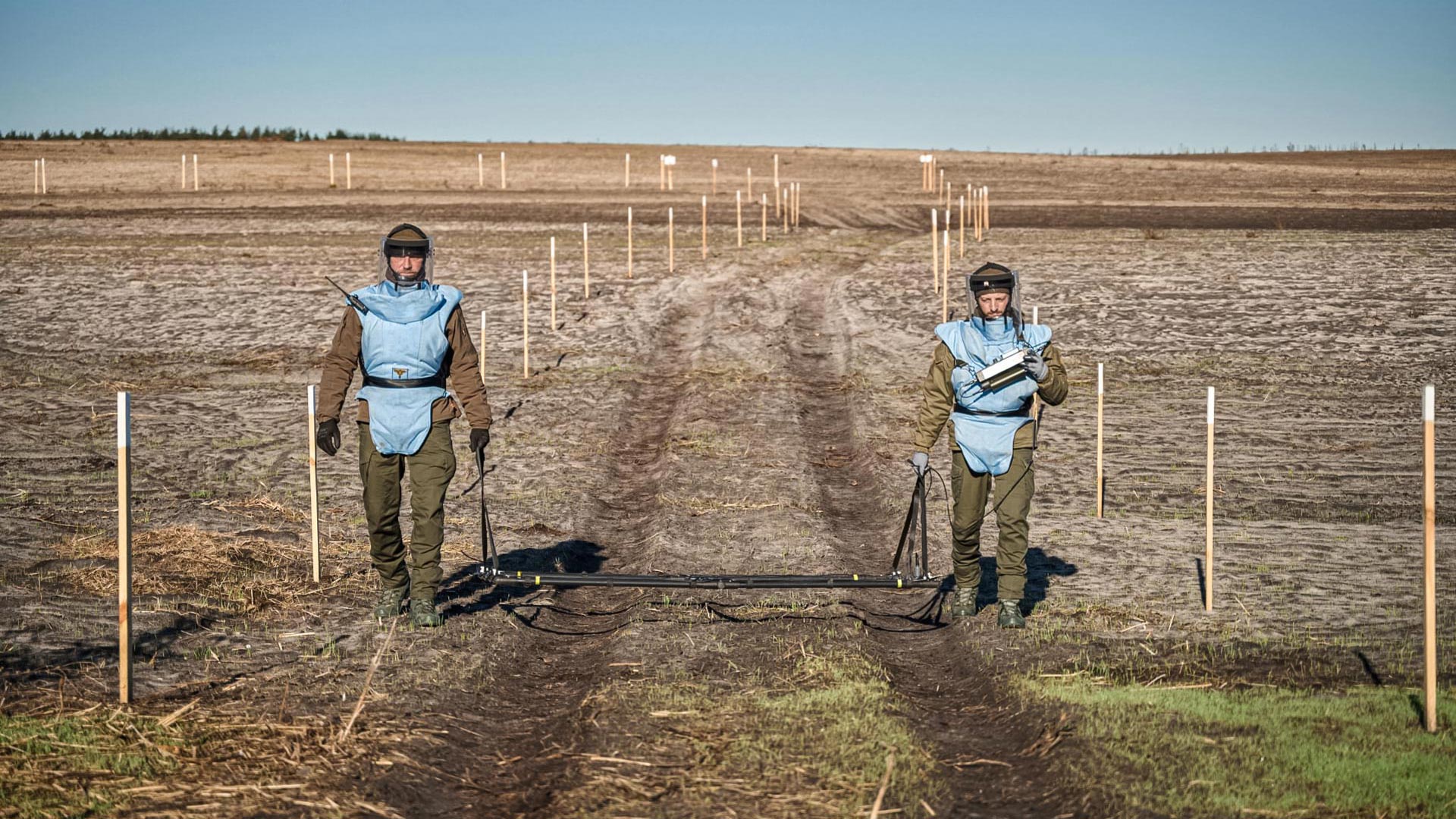
Controlled investigation and clearance of confirmed hazards
Quality assurance & handover
Quality assurance, mapping and certification for safe handover